
Burnout and addiction can be linked in many ways, and the long-term stress that comes with burnout is a known risk factor for heavier drinking and drug use.
This guide explains how burnout can turn into self-medication with alcohol and drugs and how to tell when coping has started to become a problem.
Most importantly, we offer information on the support available in the UK, so you know where to turn should you ever need extra support.
If you’re already worried about your drinking or drug use, you can start an assessment with our team at any time, in complete confidence
Most of us have had a stretch at work where we’ve felt run down, but burnout goes further than a bad week or a busy month; it’s not just about feeling tired and can reflect a mismatch between what work demands and what a person can realistically sustain. The WHO explains that burnout is a result of chronic stress at work that hasn’t been successfully managed, made up of three main parts:
Feeling drained or exhausted
Feeling mentally distant from your job, or cynical about it
Feeling less effective at work than you used to
It can show up through emotional, cognitive, and physical signs, including emotional exhaustion, isolation, and increased irritability. Physical symptoms can include fatigue and disrupted sleep.
One thing that surprises a lot of people is that burnout isn’t classed as a medical condition, but rather, an “occupational phenomenon,” meaning it relates specifically to your working life.
The term itself has been around since the 70s, but since then researchers have come up with more than 140 different definitions, which can explain why burnout can be so hard to pinpoint and why it can also show up as losing enjoyment in things you previously liked.
When work leaves you running on empty, a drink or a drug can feel like the quickest way to get through it. This is what’s known as self-medication, where someone uses a substance to change how they feel rather than for enjoyment.
Below we explain why different types of drugs and their effects can be appealing if someone finds themselves in this spot:
Many people suffering from burnout turn to a drink at the end of the day to relax after a demanding day. In this situation, alcohol does its job well and can feel as though it takes the edge off how you’re feeling; some people also use it to feel numb or regain a temporary sense of control, however, the relief doesn’t last. As tolerance builds, a person may drink more to get the same effect while the underlying stress remains. Drinkaware explains that “drinking to relax” is counter-productive if you’re stressed and that prolonged, heavy drinking can cause stress in itself.
One study also found that drinking to cope with life’s demands predicted increases in depression later on.
When you couple this with the fact that 72.8% of adults with low mental wellbeing drank to cope, the numbers start to create a pattern. The things you’re using to cope with burnout can end up adding to it, along with worsening your risk for other mental health conditions, especially when alcohol becomes a coping mechanism.
Where alcohol helps people relax, stimulants like cocaine are sometimes used to do the opposite and keep going through long hours and tight deadlines.
In England and Wales, 2.1% of people aged 16-59 reported using powder cocaine in the last year.
If you find yourself relying on a stimulant to get through a working day, it’s a sign that your body is running on borrowed energy.
In Mental Health UK’s latest Burnout Report, poor sleep was the top form burnout can take outside of work, affecting 59% of people.
When your mind won’t switch off at night, sleeping pills or benzodiazepines like diazepam can feel like the quick solution. But NHS Trust guidance says benzos are only meant for short-term relief of two to four weeks. Some people use sedatives just to get a break from an overactive mind, but this can become another unhelpful coping strategy. Regardless of whether you obtain them legally or illegally, these drugs carry a high dependency risk if abused.
Understanding what’s happening in the brain also helps to explain why burnout and substance use are so closely linked.
When you’re under stress for long periods, your body’s stress response stays in a “switched on” state. This response is driven by something known as the HPA axis, which is the system that releases the stress hormone cortisol and helps regulate the nervous system.
It’s closely connected to the brain’s dopamine-driven reward system, and research shows chronic stress alters the brain’s reward circuitry, so when you’re worn out, a drink or a drug can feel even more rewarding than it normally would.
Substances can also change how these stress systems work, which can make it harder to cope without the substance, impair decision-making, and increase relapse risk.
Spotting when coping has tipped into dependency isn’t always straightforward, because most people do not recognise when a pattern of substance use or compulsive behaviour has shifted from coping into dependency. Many people with burnout are still turning up to work and getting through the day, which can make it easy to tell yourself everything is fine.
Taking a step back and asking yourself a few questions can help you see where you stand. These cover the signs of burnout at work, as well as signs that drinking or drug use is becoming a problem:
Do you need a drink or drug to switch off after work most days?
Are you regularly drinking more than 14 units a week?
Have you found you can’t stop drinking once you’ve started?
Do you use stimulants to get through long days?
Do you rely on substances to fall asleep?
Do you feel detached from your job?
Have you hidden how much you drink or use from the people around you?
Have you tried to cut down and found it harder than expected?
Is your use starting to feel less under your control?
Do you feel more anxious the day after drinking?
Burnout can affect judgement, making it harder to see risk clearly and increasing relapse risk in recovery.
Recognising yourself in one or two of these is a sign that it’s worth talking to someone, even if you’re still holding everything together at work. If that sounds like you, our guide to the signs of a functioning alcoholic may also help.
If any of this feels familiar, talking it through with someone who understands how work stress and substance use feed into each other can help you make sense of it, especially if you have fears or other concerns about work, privacy, or how bad things have become. At PCP Rehab Today, we offer a free, confidential telephone assessment, with no cost and no obligation.
We also understand that worries about your job and your privacy can make it harder to pick up the phone, so everything you share with us is kept confidential. Call our team on 08000 380 480 whenever you’re ready for confidential advice.
Burnout and addiction feed into each other, which is why treating one and ignoring the other doesn’t work. They do not develop in isolation and can also affect work, mental health, and relationships. If you only treat the drinking or drug use, the work stress is still there waiting for you when you get back to work, and addiction is not a weakness but is linked to changes in the brain and stress systems.
If you only deal with the stress or the underlying mental health conditions like anxiety, the substance use can go unaddressed and can pull you into the addiction cycle.
This is why UK guidelines support integrated care, where co-occurring substance use disorders and mental health needs are addressed at the same time. Guidance also notes that mental health teams who bring these treatments together have much better recovery outcomes.
This kind of treatment is known as dual diagnosis, and if you’d like to learn more about it, or how to get started on this process, read our page that covers dual diagnosis in full. Treatment aims to support recovery across the physical, psychological, and social parts of a person’s life.
If you’re already in recovery for substance use, burnout is something that will be kept an eye on for you but also something you need to be mindful of too, as emotional exhaustion can lower resilience under stress and reduce confidence in recovery.
Stress is a known risk factor for relapse, and a demanding job can bring back the very pressures that fed your drinking or drug use in the first place, while also affecting decision-making in recovery.
Going back to work after time away is a big step, and unfortunately, the support isn’t always there. In the Mental Health UK report, only 17% of workers who’d taken time off for stress had a formal return-to-work plan in place.
This is why planning your return is important, as practical steps like structured breaks during the workday, phased hours, or adjusted duties can make the transition much smoother for you.
Keeping up with your aftercare support can also help you build coping strategies for manage work pressures, new and old, before they start to build and cause problems again.
If you’re struggling, there are several routes to support in the UK, and you can use more than one at the same time. The right option for you will depend on how much your drinking or drug use is affecting your life.
Your GP can talk through how you’ve been feeling and refer you on to local services if needed. If you need time off work, they can also issue a fit note. This can say you’re not fit for work, or that you may be fit for work with some changes, like altered hours or a phased return.
For anxiety and depression, you can refer yourself to NHS Talking Therapies without needing to see your GP first. These services aren’t designed to treat drug or alcohol problems, though, so your GP or local drug and alcohol service is the place to go for that side of things.
Many employers offer an employee assistance programme, which can give you access to confidential counselling and support from colleagues. Co-worker support can make a real difference in preventing burnout, especially when people can share concerns early. You may also be eligible for Access to Work, a government scheme for people whose health condition makes parts of their job difficult. This includes a mental health support service for those who need it.
If NHS or workplace support hasn’t been enough, or you need more intensive help, private rehab is one of several treatment options, and private treatment may suit people who need more confidentiality. Residential treatment changes your environment by giving you distance from daily pressures, which can help the nervous system settle so you can focus more fully on your recovery. That difference can feel significant compared with trying to recover in the same stressful setting or through other forms of support. Treatment may also include mindfulness-based work to help with stress, emotional regulation, and rest. It also means support for both the substance use and the stress behind it.
If you’re worried about your employer finding out, our guide to your rights at work explains what you do and don’t need to share.
PCP understands how work pressure and substance use can feed each other and lead to exhaustion if both are left untreated, which is why our treatment looks at both together.
Care with us begins with a full clinical assessment, so your treatment is later built around what you’re actually dealing with, and the team will explore what role substances or behaviours have been playing, including as coping mechanisms.
Our dual diagnosis approach brings together a medically supervised detox where it’s needed, alongside one-to-one and group therapy. Therapy also helps you understand what function a behaviour has served, and build healthier coping strategies for stress and emotions. This supports addiction recovery by addressing both dependency and the pressures underneath it. We also provide relapse prevention work, which then helps you plan for the pressures you’ll face when you return to work and throughout the journey ahead.
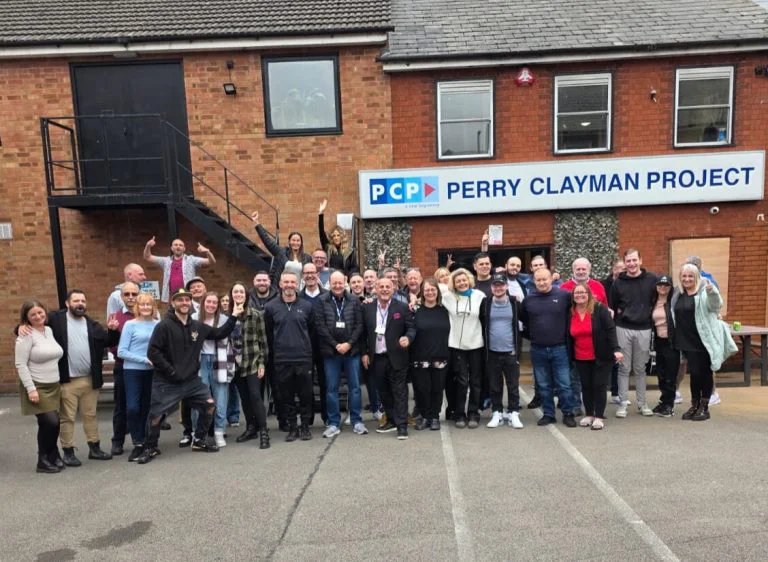
We provide residential treatment across the UK, including at our centres in Luton and Clapham. Clinicians are on site around the clock and many of our team have been through recovery themselves. When you finish your programmes, aftercare support is there to help you through the return to everyday life, including planning for situations where old coping strategies may return, with support groups where appropriate.
“A lot of the people who call us aren’t falling apart. They’re still going to work, still meeting deadlines, still looking after everyone else. The drink at the end of the day or the line to get through a long shift started as a way to cope, and by the time they pick up the phone it’s become part of how they get through the week. Burnout doesn’t usually cause addiction on its own, but it makes it very easy to slip into.” Perry Clayman, Director of PCP
How long does burnout last?
There’s no set timeline for burnout recovery, and it varies from person to person. It depends on your situation, including whether the work pressures behind it change, because burnout affects people differently depending on the pressures involved and the support around them, and whether any drinking or drug use is treated too.
What are the 12 stages of burnout?
“The 12 stages of burnout” is a popular way of describing how burnout builds. But researchers have suggested anywhere from two to more than twelve stages, so it’s best used as a rough guide rather than a set path.
Can you go to rehab for burnout?
Burnout isn’t classed as a medical condition, so rehab doesn’t treat it on its own. But if burnout has led to drinking or drug use, rehab can treat the addiction alongside any mental health problems that come with it. Burnout may also sit alongside mental health disorders or substance use disorders that need treating together. Addiction is not a failure of willpower or a sign of personal weakness.
Do I have to tell my employer?
Acas says you don’t need to share a disability, though doing so can help your employer support you. Addiction isn’t classed as a disability under the Equality Act 2010, but conditions caused by it, such as depression, may be.
| Cookie | Duration | Description |
|---|---|---|
| cookielawinfo-checkbox-analytics | 11 months | This cookie is set by GDPR Cookie Consent plugin. The cookie is used to store the user consent for the cookies in the category "Analytics". |
| cookielawinfo-checkbox-functional | 11 months | The cookie is set by GDPR cookie consent to record the user consent for the cookies in the category "Functional". |
| cookielawinfo-checkbox-necessary | 11 months | This cookie is set by GDPR Cookie Consent plugin. The cookies is used to store the user consent for the cookies in the category "Necessary". |
| cookielawinfo-checkbox-others | 11 months | This cookie is set by GDPR Cookie Consent plugin. The cookie is used to store the user consent for the cookies in the category "Other. |
| cookielawinfo-checkbox-performance | 11 months | This cookie is set by GDPR Cookie Consent plugin. The cookie is used to store the user consent for the cookies in the category "Performance". |
| viewed_cookie_policy | 11 months | The cookie is set by the GDPR Cookie Consent plugin and is used to store whether or not user has consented to the use of cookies. It does not store any personal data. |