What our patients have to say from Google!
When is Cannabis Rehab the right choice?
Not everyone who uses cannabis needs rehab, and cutting down or stopping use completely is possible with the right support network around you.
The case for more intensive care becomes clear once self-help approaches have been tried and the same usage pattern keeps returning.
Cannabis rehab makes sense when:
Cannabis is a daily fixture
You’ve tried to stop but found yourself relapsing
Cannabis usage has started to affect work or relationships
When you’re dealing with other conditions, like mental health troubles, that make cannabis harder to put down.
Many patients struggling with cannabis dependency also experience substance abuse issues and co-occurring mental health conditions, which can complicate recovery and require a more integrated approach.
Mental health is certainly worth taking seriously in these situations, especially when you view the links between the two.
For example, UK primary care research has found that cannabis use is linked to roughly 2.5 times the risk of developing anxiety or depression, as well as a much higher risk of developing psychosis.3
This isn’t a rare occurrence either, as stats show that of all the adults entering drug treatment in England last year, 74% reported a mental health condition alongside their substance use.4 In fact, around 72% of first-time patients in adult rehab treatment services have a co-occurring mental health and addiction issue, which can worsen if cannabis use continues untreated.
A good cannabis rehab programme treats both at the same time, rather than treating them as separate problems. Seeking cannabis addiction treatment is especially important for those with co-occurring mental health issues, as integrated care can significantly improve recovery outcomes.
What happens during cannabis rehab?
Sometimes, it doesn’t matter what the stats or data say; just the thought of attending cannabis rehab alone is enough to put people off seeking treatment altogether. This can be down to the lack of information that surrounds the rehab process, along with the misconceptions that arise from it.
With this in mind, this section focuses on what happens during cannabis rehab so you’re able to understand what to expect. Cannabis rehab programmes provide a safe and structured environment with intensive support and medical care, ensuring clients are closely monitored and supported throughout their recovery.
Rehab treatment typically includes a variety of therapy methods—such as counselling, behavioural therapy, and support groups—tailored to individual needs to address both the physical and psychological aspects of cannabis addiction. Programmes vary in duration and intensity, with options for short-term behavioural intervention as well as long-term residential or outpatient care, allowing for a personalised approach to recovery.
What therapies are used in cannabis rehab?
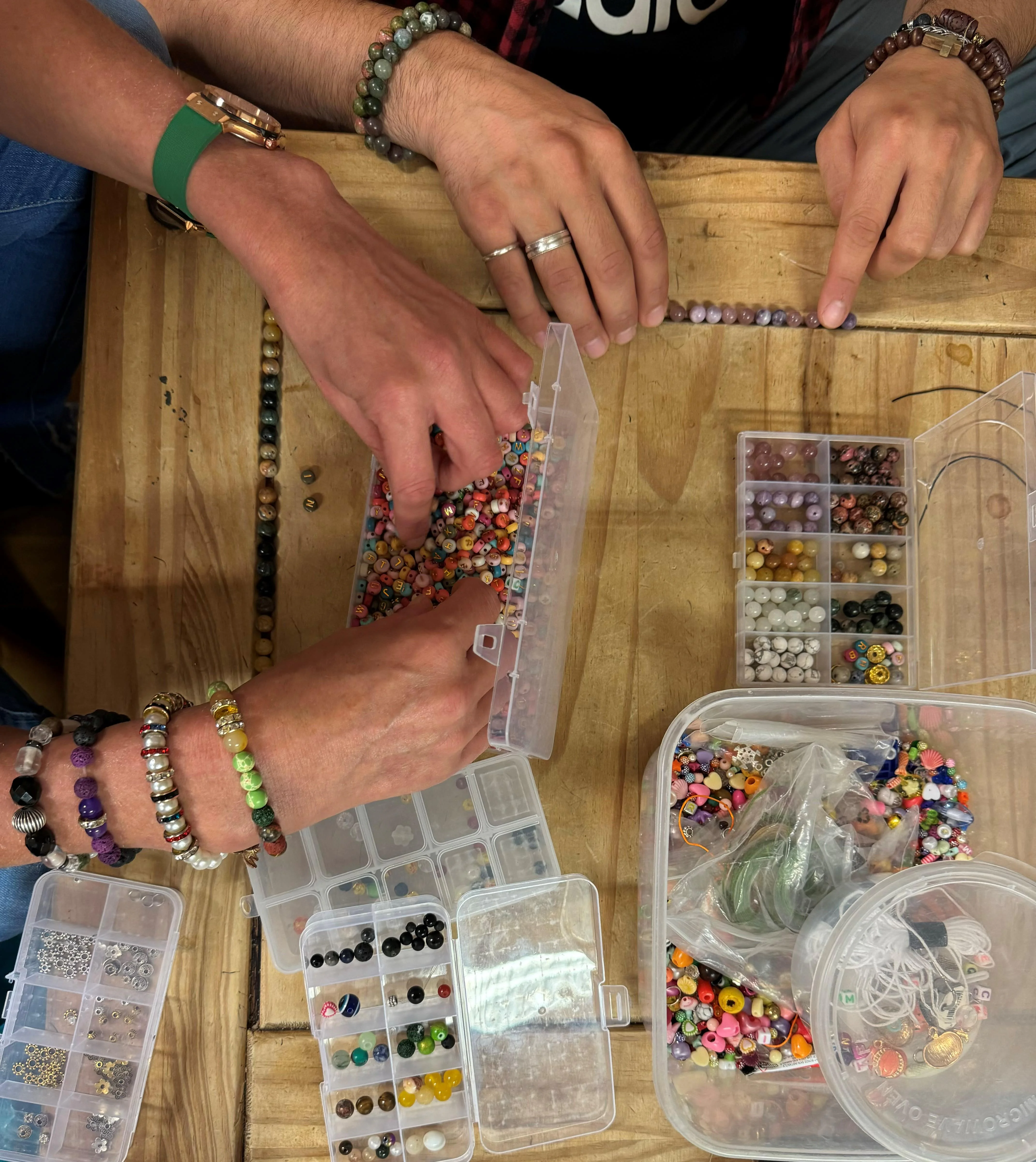
Therapy is one of the most important aspects of cannabis addiction recovery, as it is with a lot of drug addictions. Because there are currently no FDA-approved medications specifically for treating Cannabis Use Disorder, cannabis rehabilitation programs primarily focus on evidence-based psychosocial interventions. Therapy methods in cannabis rehab are designed to address both physical and psychological dependence, helping clients develop coping strategies to manage withdrawal symptoms, reduce cravings, and navigate triggers for lasting recovery. Many modern cannabis rehabilitation centres also integrate holistic support, including mindfulness, nutrition, physical exercise, and creative activities to support overall well-being. This means that the therapeutic work sits at the centre of everything else that happens in rehab.
Below, we take a look at some of the most well-researched types of therapy used in cannabis rehab.
Is Inpatient Cannabis Rehab Necessary?
Even if you’ve accepted that cannabis has become a problem, the idea of inpatient rehab might not feel like it applies to you. Most people associate residential treatment with addiction to heroin or alcohol, and the thought of checking into a facility because of cannabis can feel like an overreaction.
That perception is one of the reasons so many people try to manage cannabis dependency on their own or through outpatient routes before recognising that they need something more structured around them.
The reality is that inpatient rehab treatment exists for anyone whose circumstances make it the right fit, regardless of which substance is involved. Professional cannabis addiction treatment at a specialist centre helps individuals break free from cannabis dependency, supporting lasting recovery and long-term recovery through structured therapy, medical detox, and ongoing support.
If stopping on your own hasn’t worked and cannabis has a mental health condition running alongside it, residential treatment gives you the space and clinical support that outpatient programmes aren’t designed to provide. Specialized care is crucial for managing cannabis dependency, focusing on safe detoxification and addressing the underlying causes of addiction to promote sustainable change.
Cannabis dependence may not carry the same physical risks as alcohol or opioid withdrawal, but the psychological grip it has and the mental health conditions it runs alongside are reason enough to take the treatment seriously. Rehab treatment not only supports your health and well-being but can also help you avoid legal consequences associated with cannabis use, such as warnings, fines, or criminal records.
The decision is yours, and nobody should be pressuring you in either direction. But it’s worth being honest about the limitations of making that call without professional input. You might have a gut feeling about what you need, and that instinct matters, but if it doesn’t account for the full picture of how you’ve been using and what’s going on around it, you could end up in a programme that isn’t equipped to give you what you actually need.
If you’re not sure which route is right for you, that’s a good enough reason to have the conversation. Our team at Rehab Today can talk you through your circumstances confidentially and help you understand what each option would look like for your situation.
How Mch Does Cannabis Rehab Cost?
Private cannabis rehab in the UK typically ranges from £6000 to £18,000 for a 28-day stay, depending on the clinic, level of care, and whether you choose a shared or private room. These private drug rehab costs generally cover intensive therapies and 24/7 medical support received during residential drug addiction treatment, which can significantly enhance recovery outcomes. Payment options for private cannabis rehab may include direct bank transfers, private health insurance (depending on your policy and provider), or financial plans offered by some clinics to ease the financial burden and provide greater flexibility. Private drug rehab offers personalised care, comprehensive support, and financial flexibility compared to NHS or public options.
NHS treatment is free at the point of use and remains a genuine option when private rehab isn’t affordable, with the main trade-offs being waiting times and the outpatient-focused model. If the NHS route is what works for your situation, your GP or local drug service can get that process started.
If private treatment is something you’re considering but the cost feels like a barrier, it’s worth knowing that payment plans and shorter intensive programmes are available through a number of providers. The full picture of what affects pricing is covered in more detail on our cost of rehab page.
What does Cannabis Rehab look like at PCP?
If you’ve read this far and you’re weighing up whether cannabis rehab is the right step, it helps to know what treatment with us actually involves.
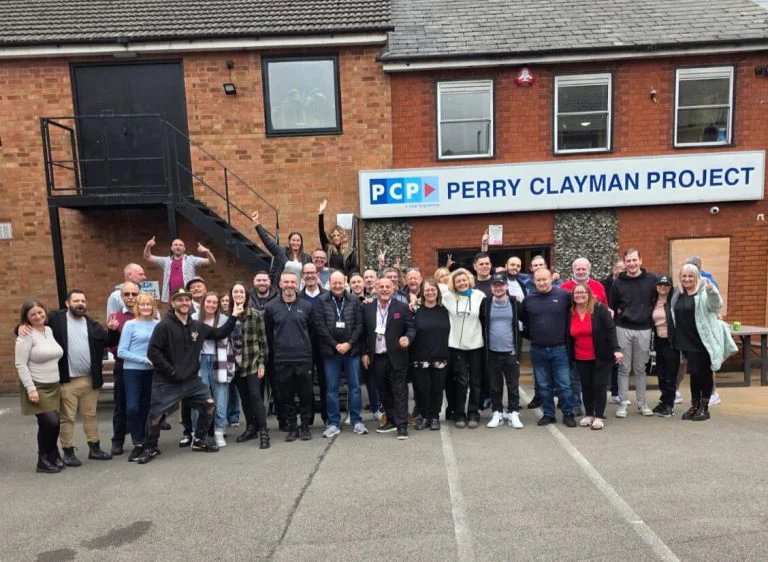
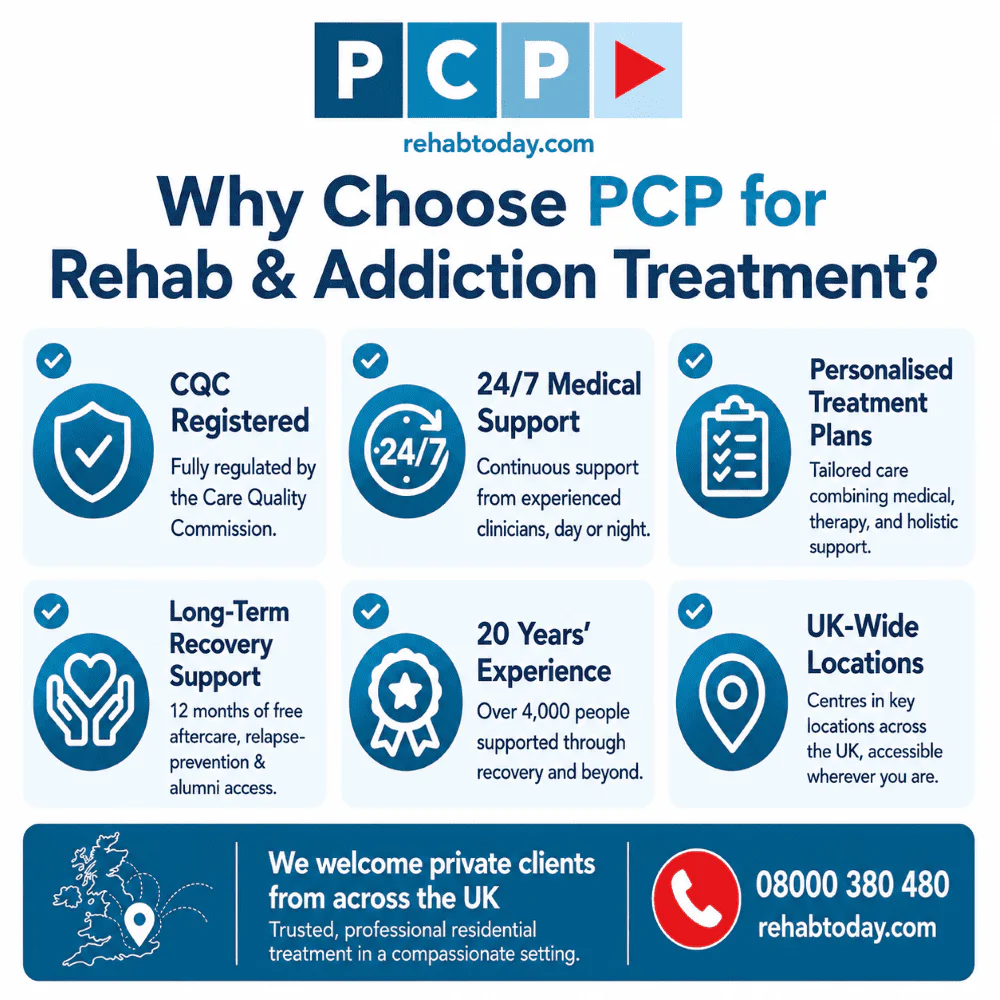
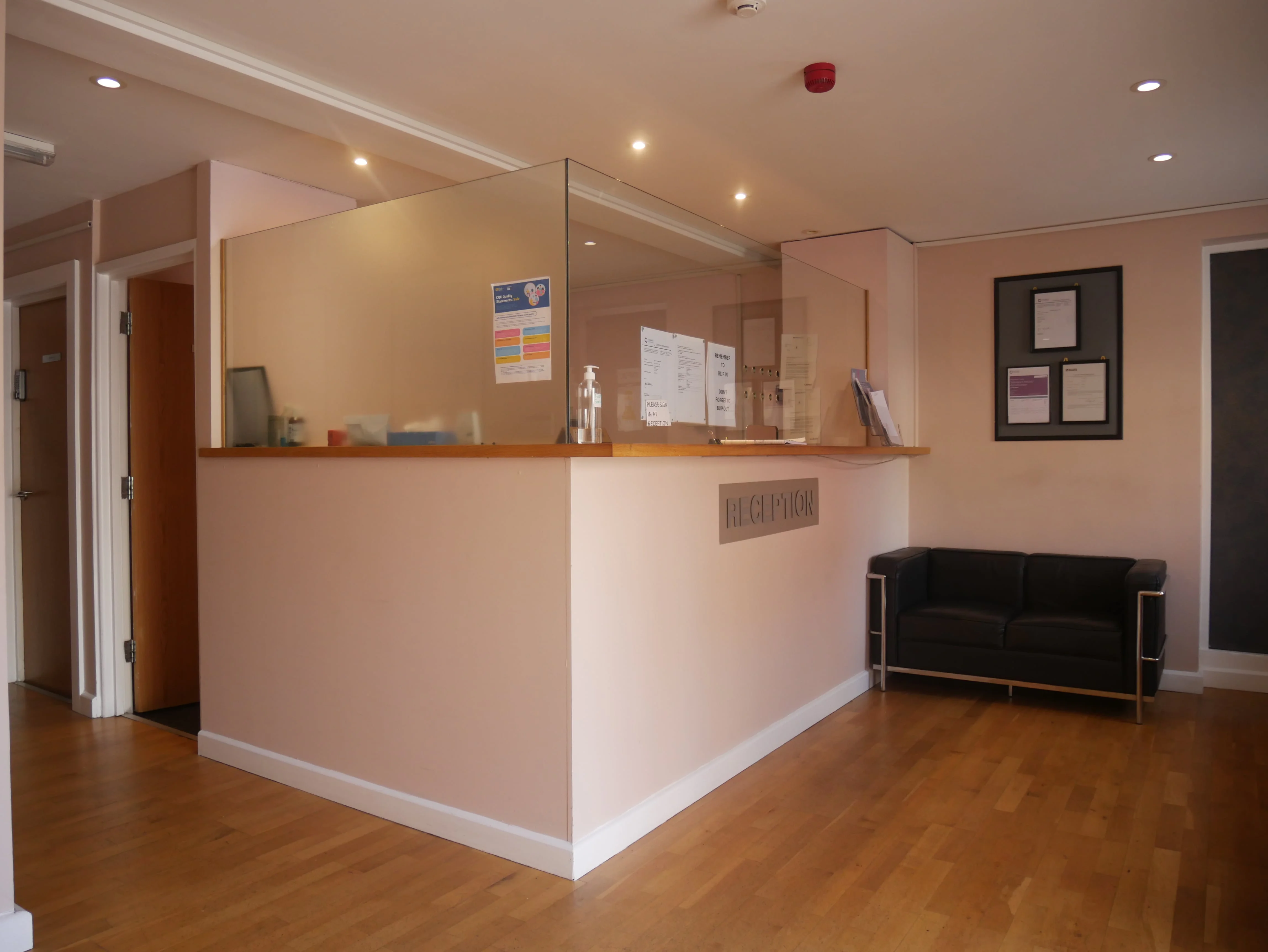
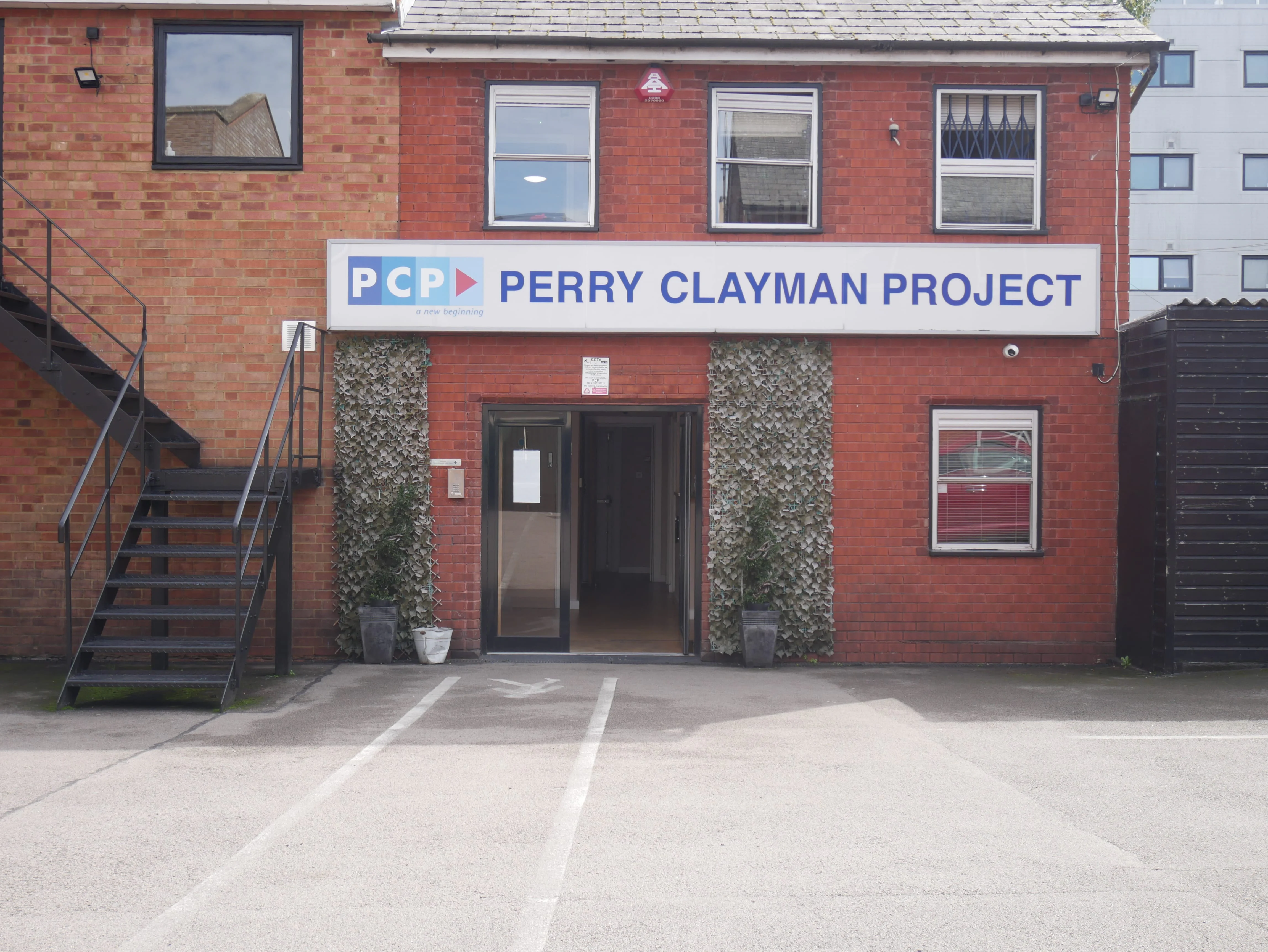
PCP has been helping people recover from addiction for over 20 years, with more than 4,000 people treated across that time. Our cannabis rehab programme is residential, delivered from our CQC-registered centre in Luton, Bedfordshire, with clients welcomed from across the UK.
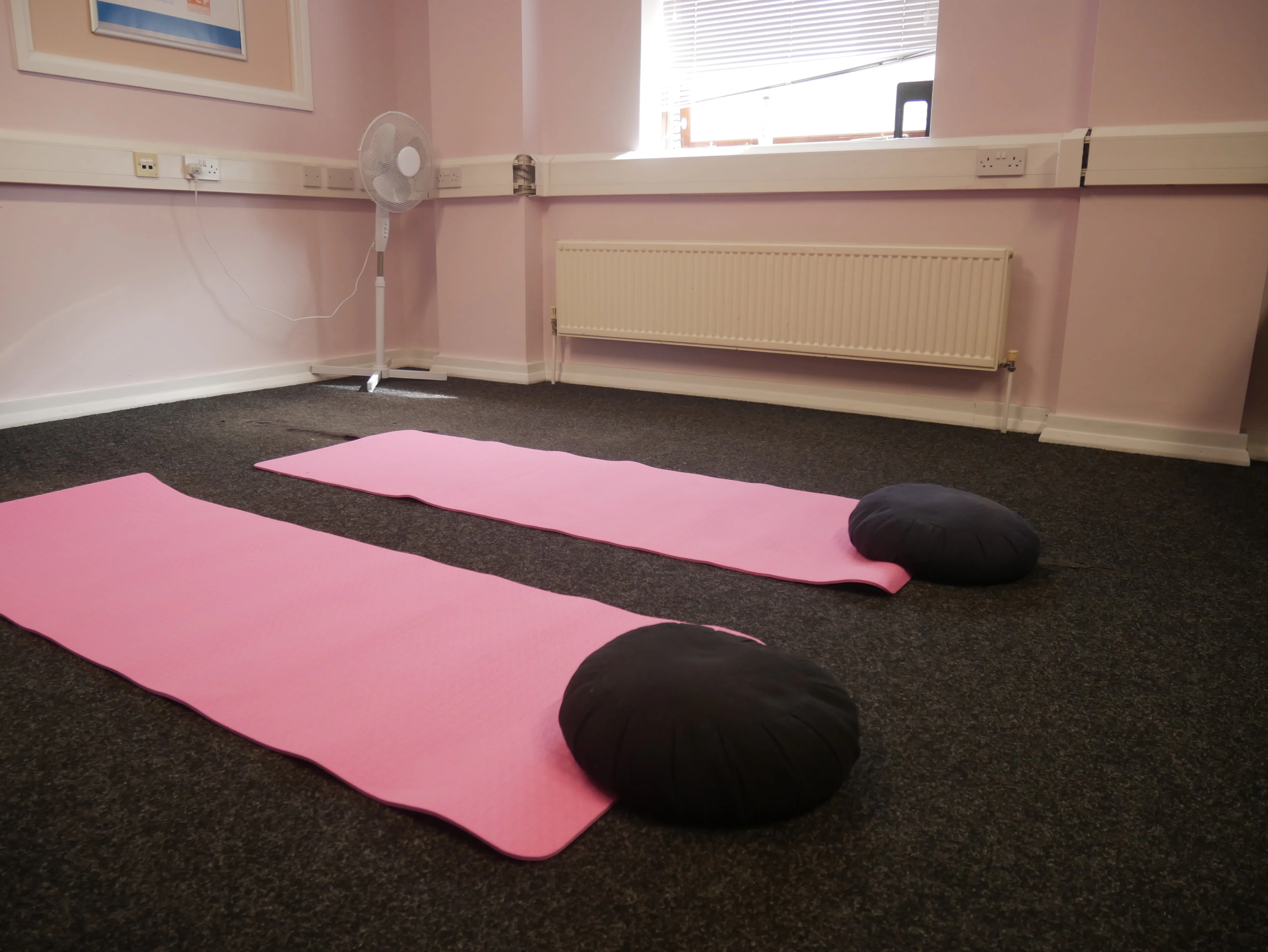
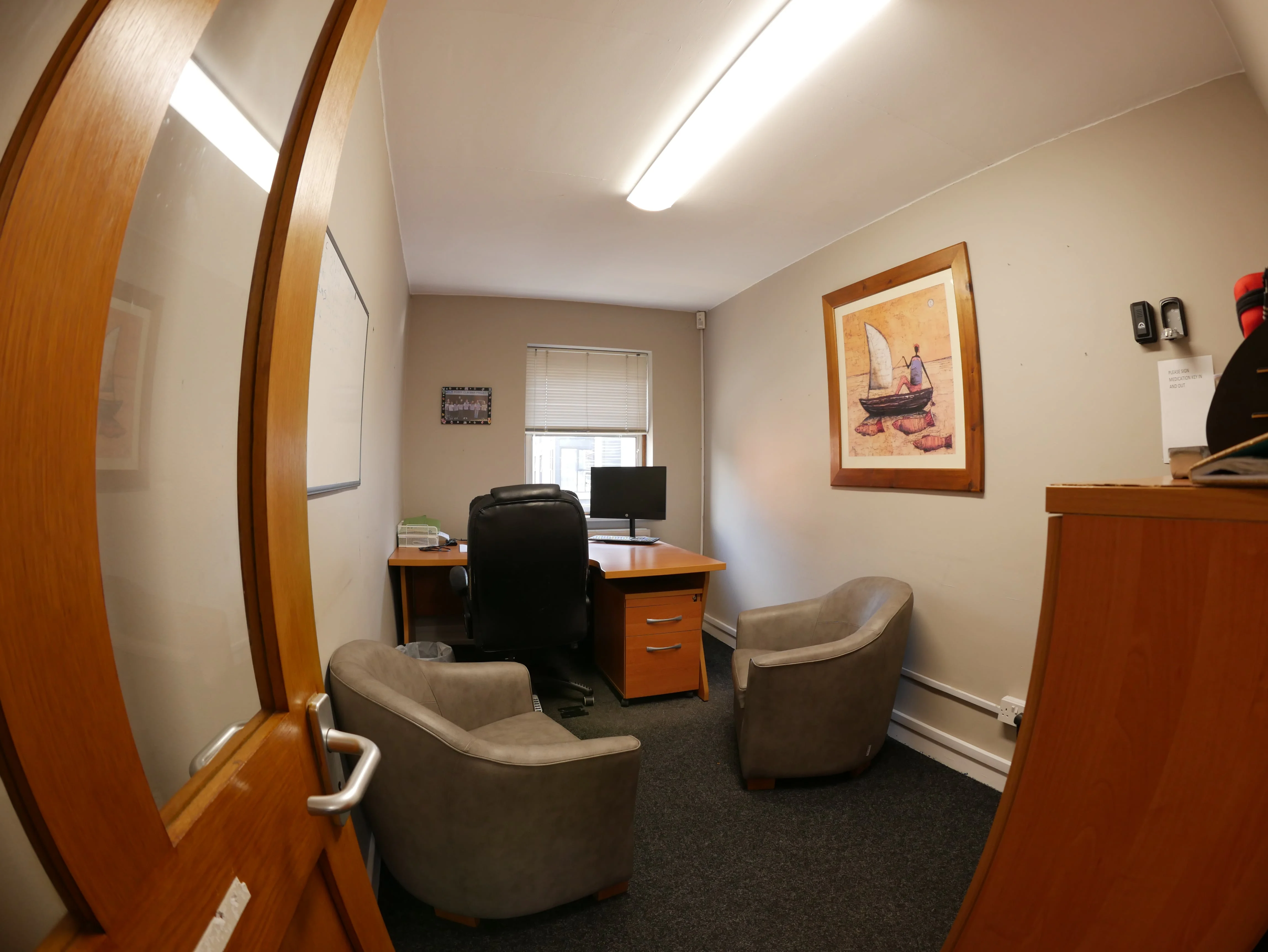
Treatment starts with a clinical assessment and from there, a personalised treatment plan is built around you. The programme is therapy-led, with CBT, group therapy, family therapy sessions, and holistic approaches forming part of your weekly structure. Family therapy is included to help repair relationships affected by addiction and foster open communication among loved ones. Involving family members in the rehab process provides essential emotional support and helps them understand the challenges of addiction, which is crucial for a successful recovery. Family support plays a key role in rebuilding trust and improving relationships during your recovery journey.
If detox support is needed, our medical team provides 24/7 supervision to manage uncomfortable and distracting withdrawal symptoms.
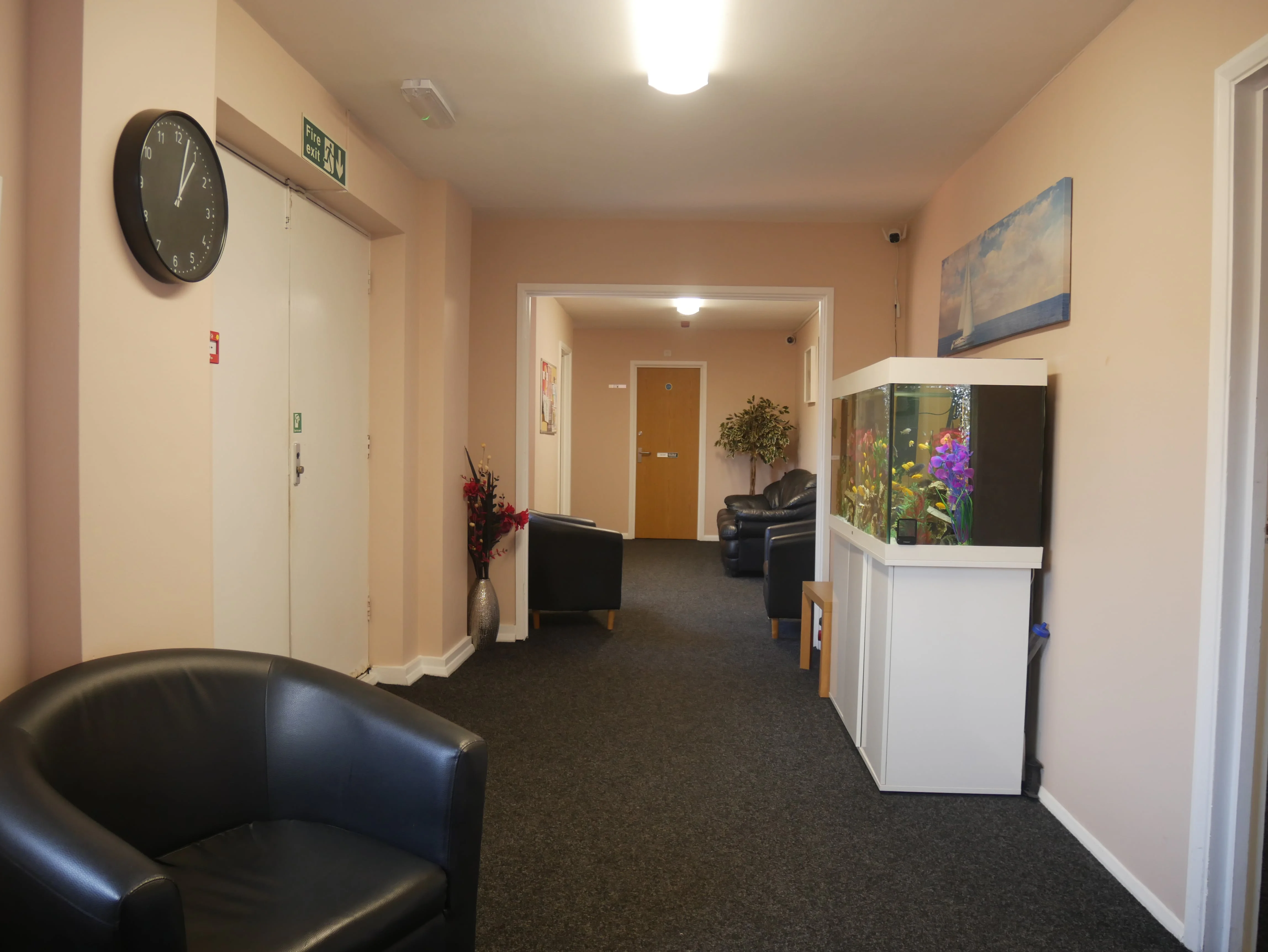
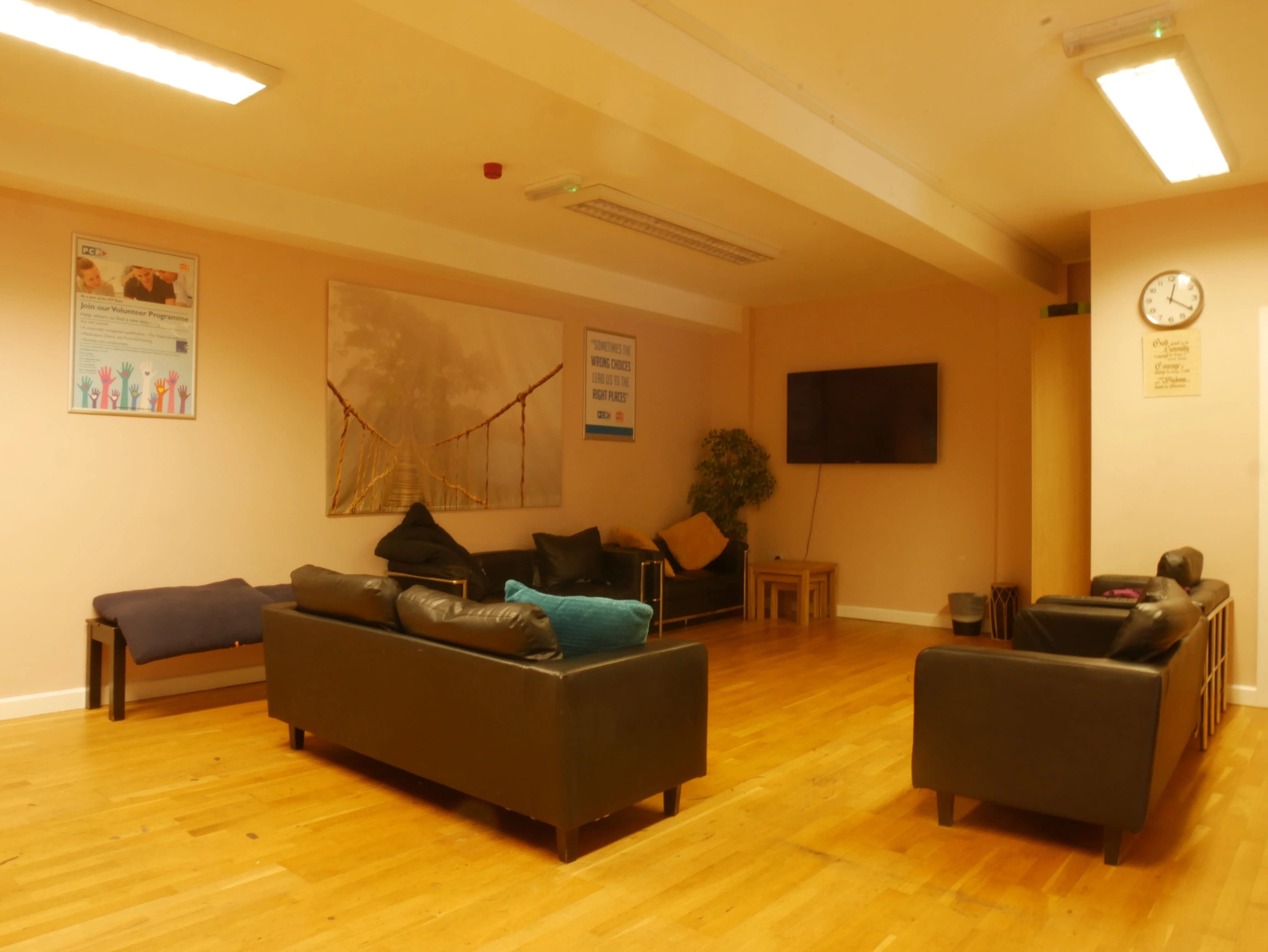
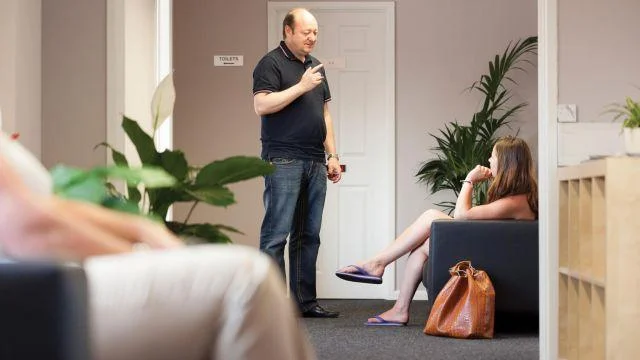
Our centre is a 12-bed facility, which means the environment is small enough that you’re known by name rather than treated as a number. You’ll have round-the-clock access to clinical staff with both professional qualifications and lived experience of recovery, which makes a difference in how the support feels day to day.
Every programme includes free lifetime aftercare, with relapse prevention support and ongoing access to peer support networks after you leave. This is built into the programme from the start rather than offered as an optional extra, because we know the first weeks and months back home are when the work done in rehab gets tested.
If cannabis has started feeling less like a choice and more like a pattern, reach out to PCP for a confidential conversation. Same-day admissions are available if your situation is urgent, and there’s no commitment attached to a first call.
Get Started Today
Admitting you need cannabis addiction help is the crucial first step toward breaking free from cannabis dependency and reclaiming control of your life. Our private cannabis rehab centres offer immediate admission, confidential treatment, and comprehensive addiction treatment that addresses both the psychological and physical aspects of cannabis addiction.
Take the first step toward a life free from cannabis addiction. Professional help is available right now.
Confidential support available 24/7. With flexible payment plans available, costs begin at £3500
Our Team