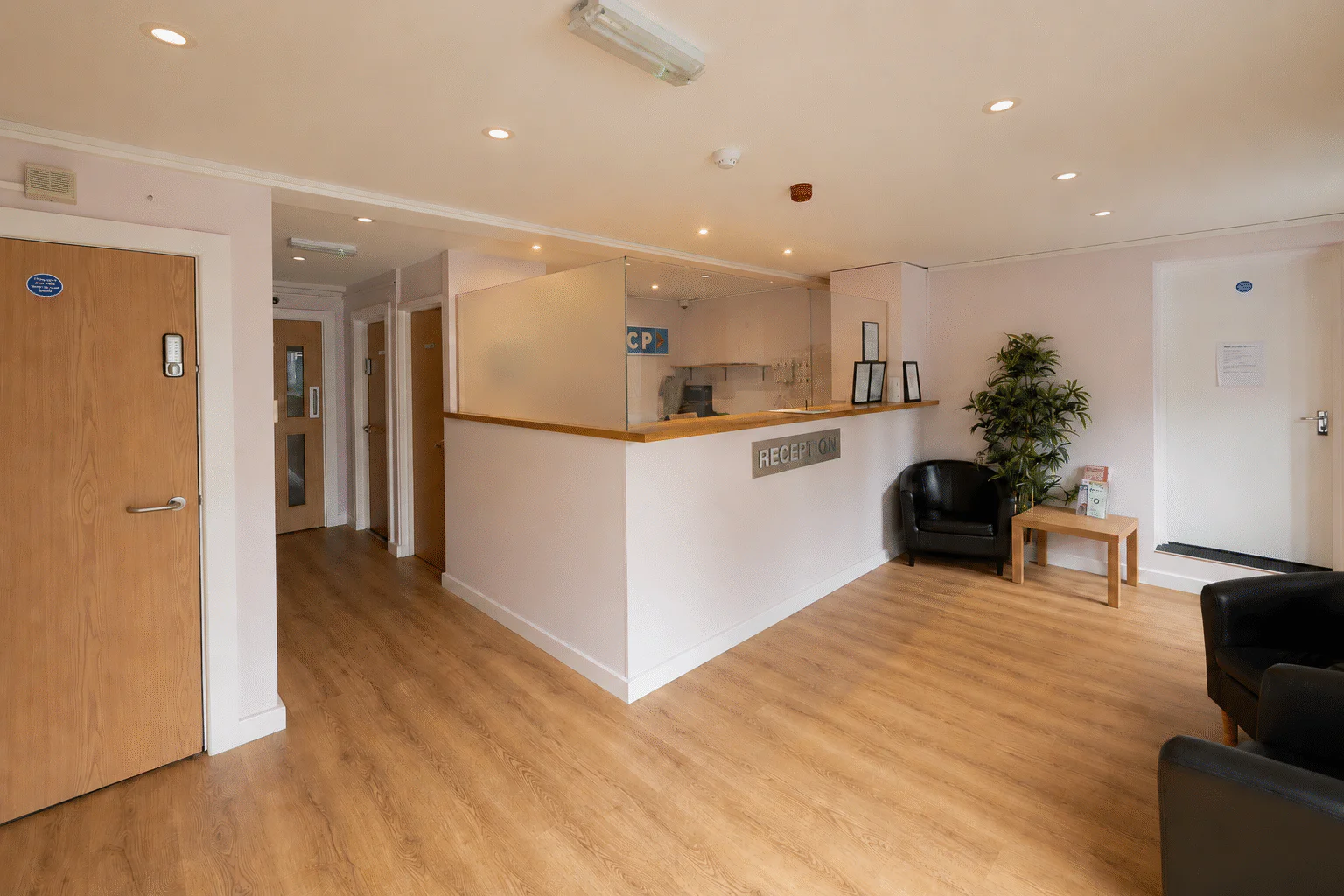
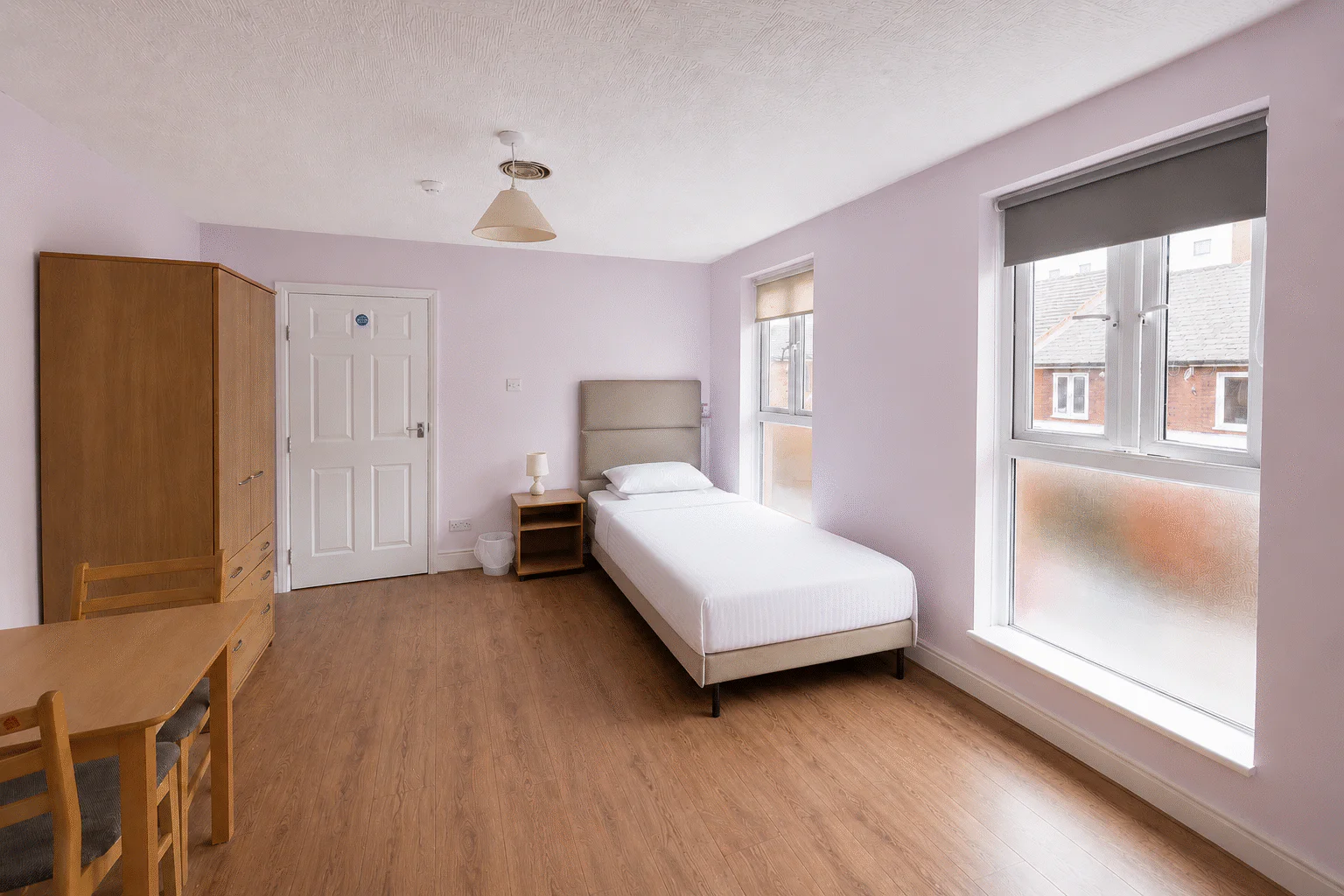
Inpatient, Outpatient and Day Ketamine Rehab
Ketamine rehab programs at PCP are tailored to addiction severity, offering inpatient, outpatient, and day treatments. Inpatient care provides 24/7 medical supervision for moderate to severe dependence, supporting withdrawal and co-occurring issues, and improving abstinence with behavioural therapies. Outpatient and day programs suit mild to moderate misuse, combining counselling and medical support while allowing daily responsibilities, though relapse risk is higher.
Treatment choice depends on addiction severity, medical history, and psychosocial factors. Our evidence-based residential ketamine rehab is available at UK clinics in London, Luton, and Cardiff, providing specialist care close to home with nationwide support.
Residential and Inpatient Ketamine Rehab
Residential and inpatient ketamine rehab offers intensive, medically supervised care for moderate to severe dependence. It provides 24/7 monitoring to manage withdrawal symptoms like agitation, anxiety, and urinary complications. Inpatient programs reduce relapse rates by combining structured detox, psychiatric support, and behavioural therapies in a controlled setting that limits triggers. This integrated approach improves long-term abstinence, especially when addressing co-occurring mental health issues.
Initial Assessment and Admissions
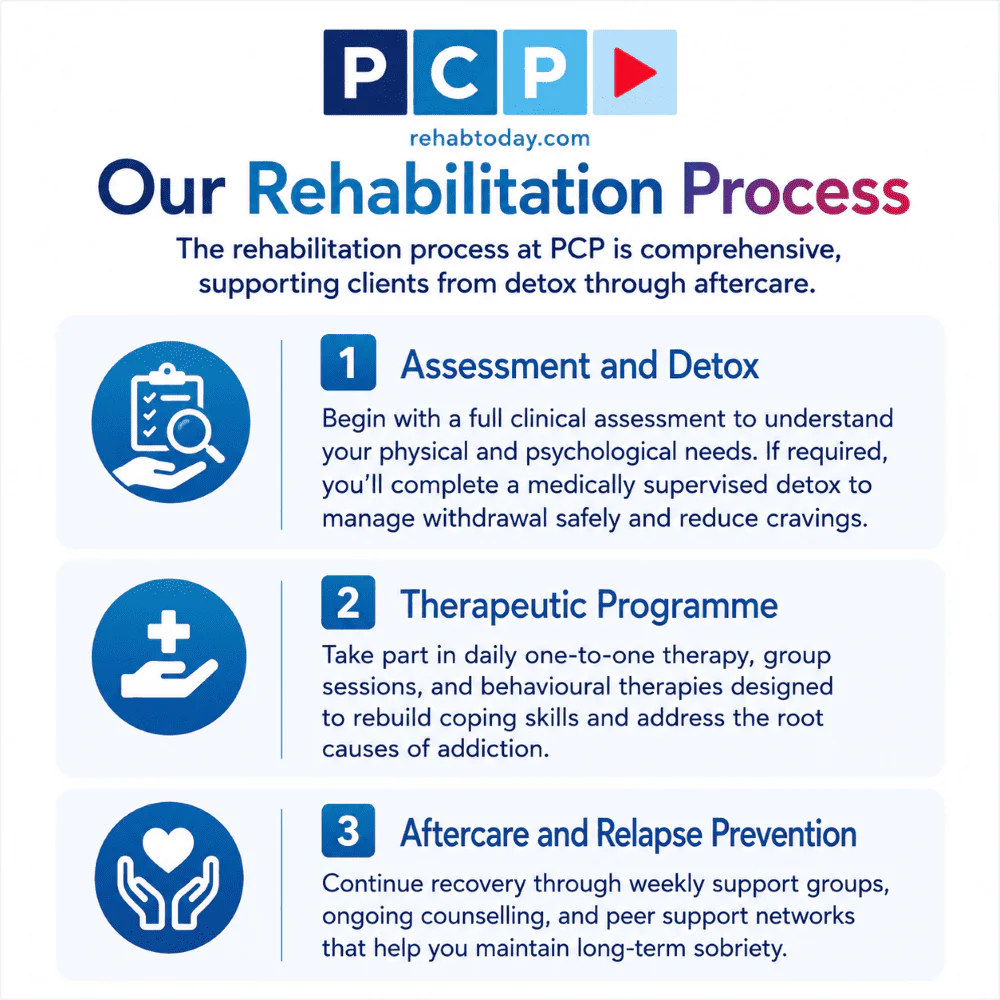
On admission, we conduct a detailed clinical assessment covering physical health, mental wellbeing, substance use history, and any co-occurring conditions such as anxiety, depression, or trauma. This allows us to determine if medically supervised inpatient ketamine detox is needed and to create a personalised treatment plan. Early intervention here is crucial to prevent further harm.
Residential Rehab and Therapeutic Support
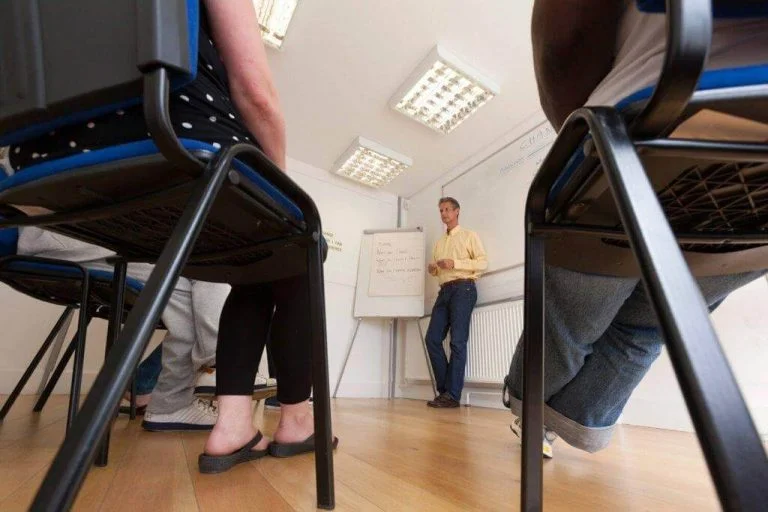
Our intensive inpatient ketamine rehab programme typically lasts 28 days, providing a safe, drug-free environment to focus fully on recovery. For those with long-term use or complex needs, treatment may extend to 6–12 weeks. We combine medically supervised detox with evidence-based therapies, including cognitive behavioural therapy (CBT), dialectical behaviour therapy (DBT), group therapy, and holistic treatments like art therapy and mindfulness. Family therapy is also available to rebuild support networks.
Medical Oversight and Clinical Governance
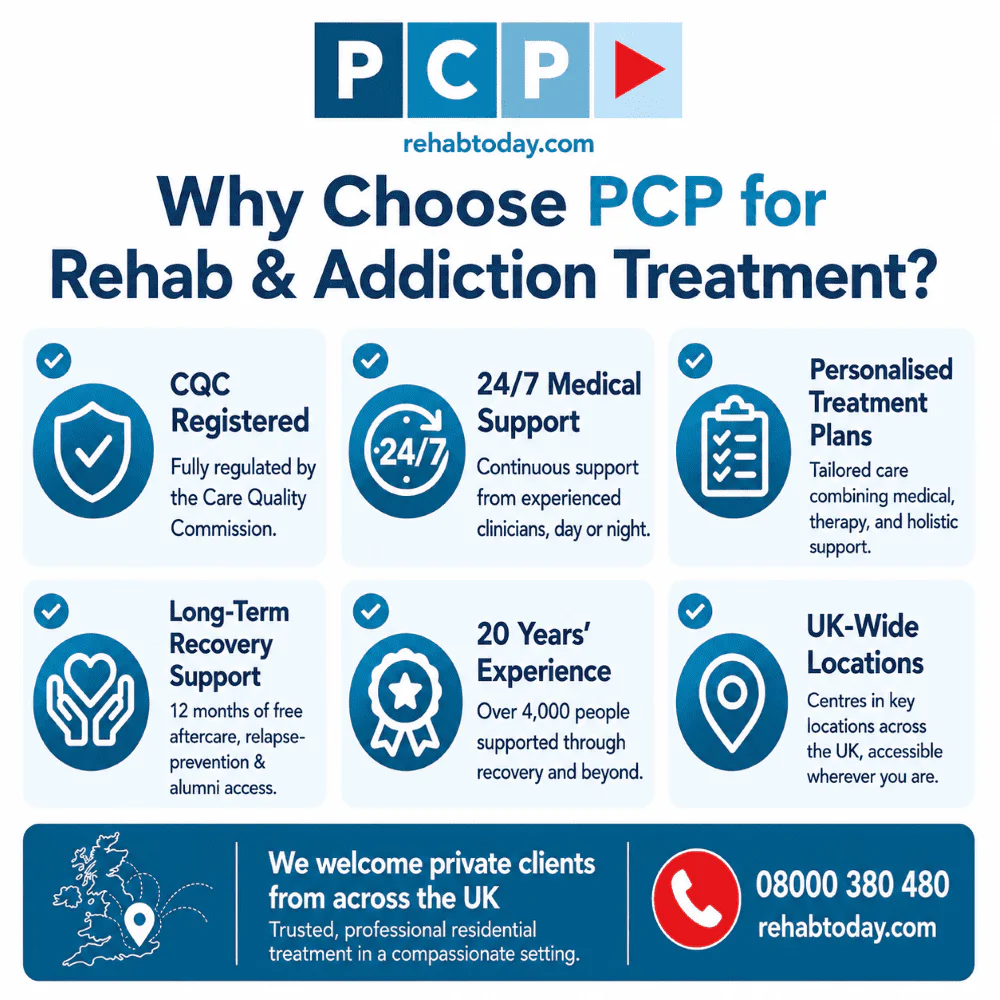
All treatment is delivered under strict clinical governance regulated by the Care Quality Commission (CQC). Qualified medical professionals oversee assessments, withdrawal management, ongoing health monitoring, and medication adjustments to ensure safety and comfort. We manage complications such as ketamine bladder symptoms and psychological distress with continuous medical support.
Preparing for Ongoing Ketamine Treatment and Aftercare
Detox is only the first step. Once stabilised, clients engage in behavioural therapies, relapse prevention, and life skills rebuilding. After discharge, we provide comprehensive aftercare including relapse prevention planning, peer support, and continued therapy. Recovery is a journey, and we support clients beyond rehab to maintain lasting sobriety.
This reflects evidence-based practices used in regulated UK residential rehab services.
Outpatient and Day Ketamine Rehab
Outpatient and day ketamine rehab programs provide structured treatment while allowing patients to maintain daily routines. Suitable for mild to moderate dependence with stable living and strong support, these programs include medical evaluations, cognitive-behavioral therapy, and group counseling. While effective for motivated patients, relapse rates are higher than inpatient care, ranging from 40% to 60%. Careful patient selection based on severity, comorbidities, and social factors is crucial to optimize outcomes.
Which Type of Ketamine Rehab Is Suitable?
Ketamine rehab suitability depends on addiction severity, medical history, and psychosocial factors. Inpatient rehab suits moderate to severe dependence with withdrawal symptoms like agitation or urinary issues, offering 24/7 supervision and reducing relapse risk by up to 30% compared to outpatient care. Outpatient or day rehab fits mild to moderate cases with stable living and strong support but has relapse rates of 40% to 60%. Careful patient evaluation ensures tailored treatment addressing both physical and psychological needs.
How Long Does Ketamine Rehab Take?
Ketamine rehab duration depends on dependence severity, medical needs, and goals. Inpatient programs typically last 14 to 28 days for supervised detox and intensive therapy, managing withdrawal symptoms like agitation and urinary issues. Outpatient or day programs can last several months, offering ongoing support to lower relapse risk. Longer treatments, especially over 30 days, improve abstinence by up to 40%. Healthcare professionals tailor the length to ensure effective and safe care.
Therapies Used in Ketamine Rehab Treatment
Ketamine rehab uses a range of therapies to address the physical, psychological, and emotional challenges of addiction. These treatments support detox, promote behavioural change, and build coping skills necessary for lasting recovery.
Rehab Therapy Types - Overview
Cognitive Behavioural Therapy (CBT)
CBT helps patients identify and change harmful thought patterns linked to ketamine use. It teaches coping strategies to manage cravings and prevent relapse.
Dialectical Behavioural Therapy (DBT)
DBT focuses on managing intense emotions and distress, common in addiction. It equips patients with skills to tolerate emotional discomfort without resorting to drug use.
Trauma-Informed Therapy
Many individuals with ketamine addiction have experienced trauma. This therapy provides a safe environment to process trauma, reducing the need for self-medication.
Holistic Therapies
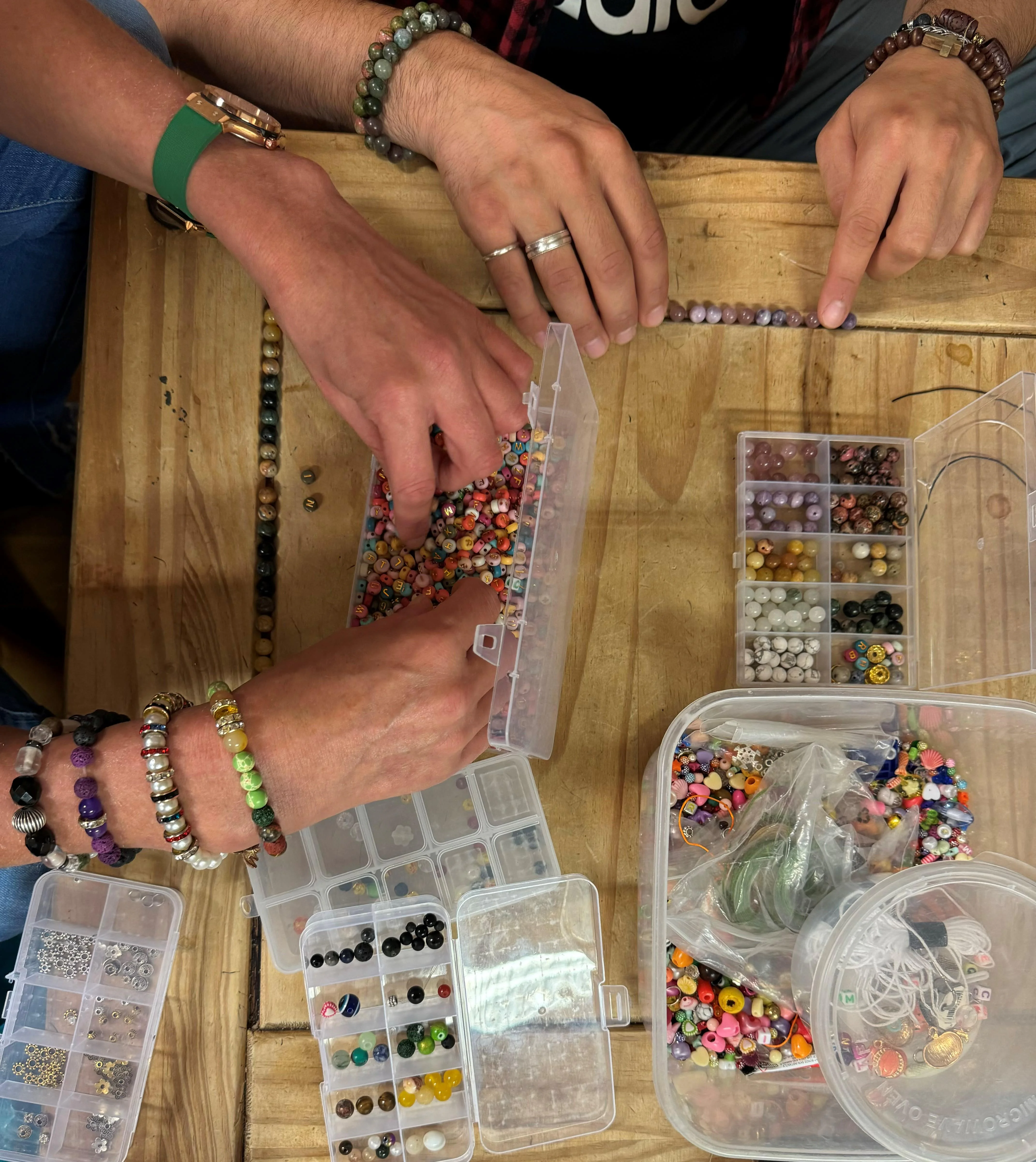
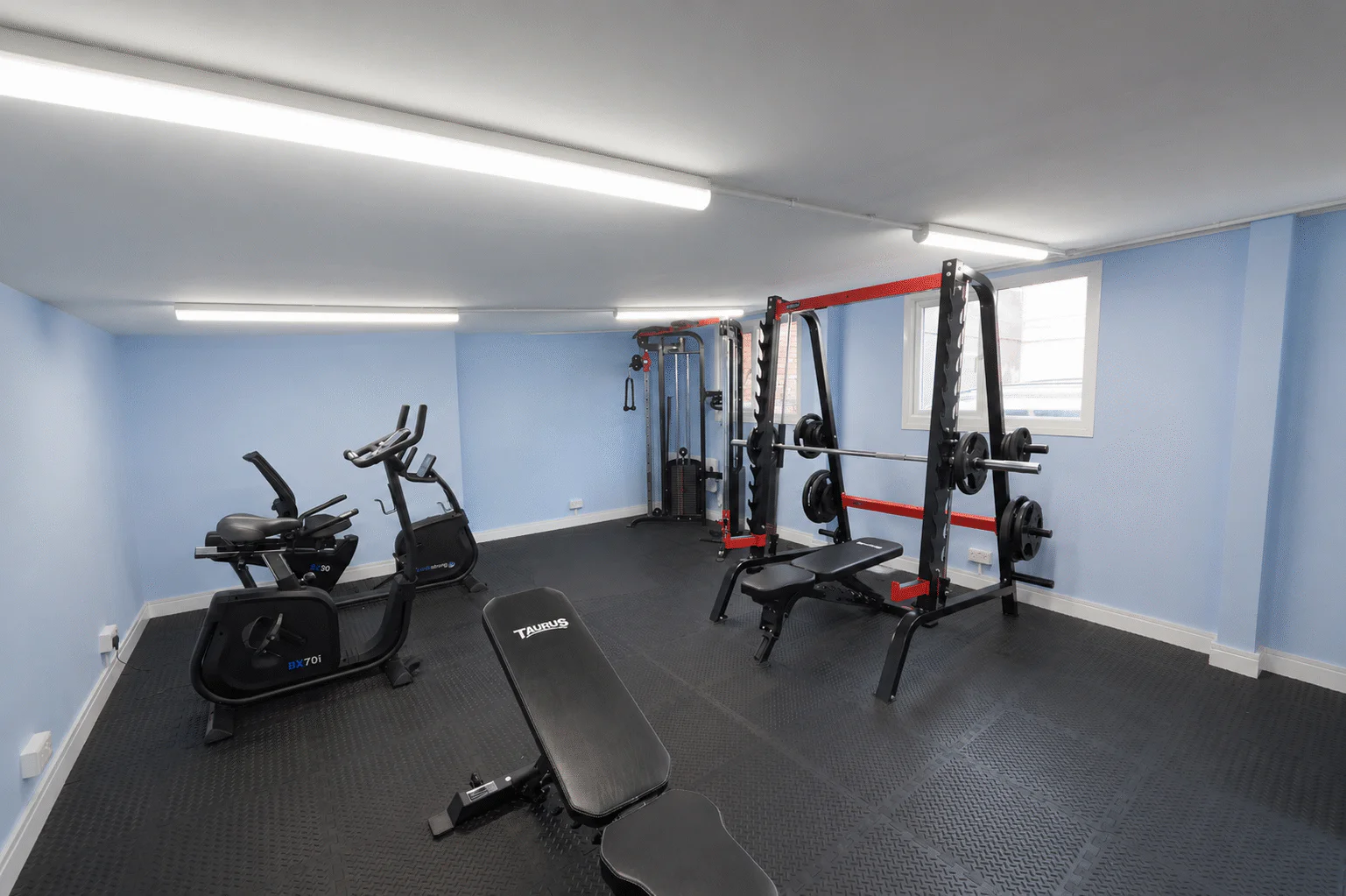
Complementary therapies such as art therapy, meditation, yoga, and exercise support emotional expression, mindfulness, and physical health, enhancing recovery.
Assisted Psychotherapy
In specialised settings, controlled ketamine infusions combined with psychotherapy may be used to treat co-occurring conditions like treatment-resistant depression, promoting brain healing.
Family Therapy
Addiction affects relationships. Family therapy helps repair communication and build a supportive recovery environment.
Group Therapy and Peer Support
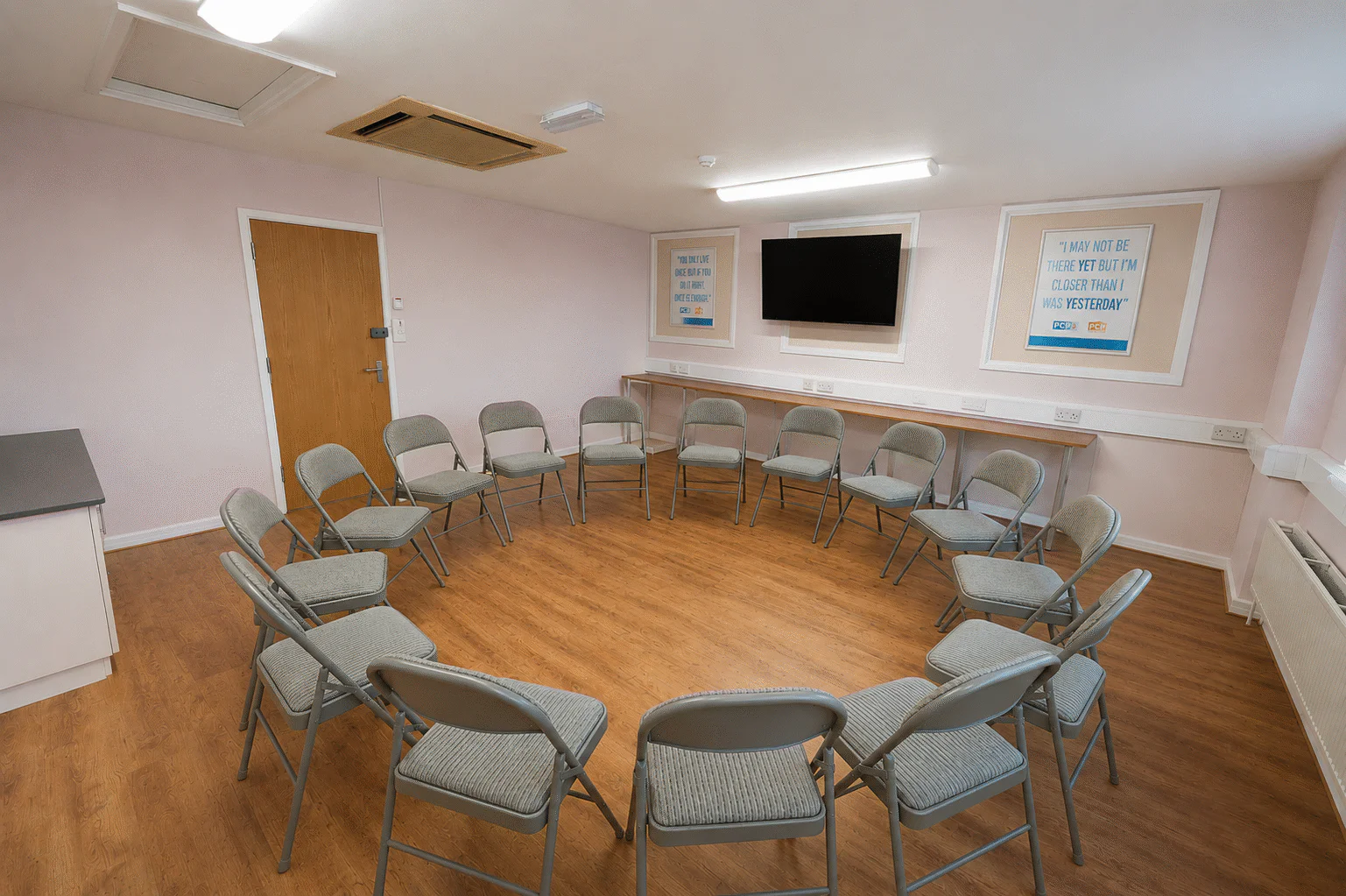
Group sessions foster community, reduce isolation, and provide mutual encouragement.
Together, these therapies address the complex nature of ketamine addiction with compassion and clinical expertise, supporting sustainable recovery.
Locations We Serve for Ketamine Rehab
PCP provides specialist ketamine rehab and addiction treatment across the UK. We support clients locally and nationwide from our residential rehab clinics in:
- London – ketamine rehab and addiction treatment for clients in London and the surrounding areas
- Luton – ketamine detox and residential rehab for Bedfordshire, Hertfordshire, and the wider South East
- Cardiff – ketamine rehab in Cardiff for clients across Wales and the South West
Many people travel to our ketamine rehab centres from all over the UK, including London, Luton, Cardiff and nearby regions, to access safe, medically supervised treatment and 24/7 support.