


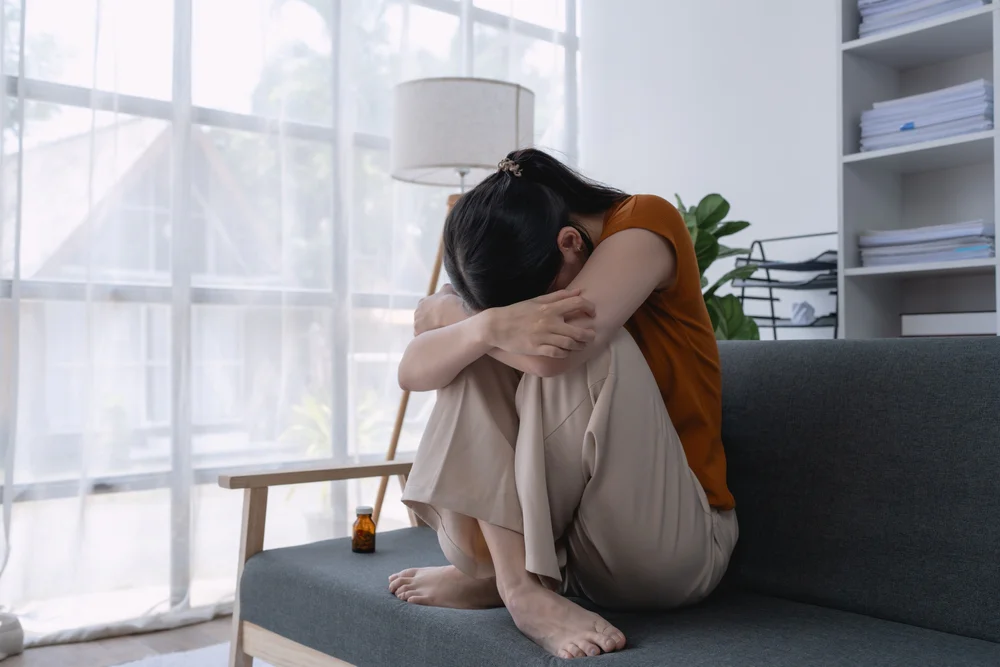
Cannabis withdrawal insomnia is a common symptom of stopping or cutting down marijuana use, affecting many people with difficulty falling asleep, frequent waking, vivid dreams and night sweats that can last for several weeks. Cannabis withdrawal is a medically recognised condition that affects nearly half of regular cannabis users, and these physical and psychological symptoms can have a serious impact on daily life, mood and recovery.
For adults in the UK who are struggling with cannabis addiction, considering quitting, or supporting a loved one through withdrawal, understanding what to expect can reduce the risk of relapse and make treatment decisions clearer. This guide explains cannabis withdrawal symptoms including insomnia, the usual withdrawal timeline, what can make symptoms feel worse, treatment options such as professional therapy and self-care, when to seek professional help, and how PCP provides safe, residential addiction treatment in Luton, Bedfordshire for clients from across the UK.
At PCP, we are a CQC-registered treatment provider offering structured residential care for people whose cannabis use is affecting their health, relationships and stability, with support designed to help them regain control and build lasting recovery.
Cannabis withdrawal syndrome is officially recognised in both the DSM-5 (Diagnostic and Statistical Manual of Mental Disorders, Fifth Edition) and ICD-11 as a legitimate medical condition. This recognition marks an important shift in understanding cannabis as a substance that can lead to dependence and withdrawal symptoms.
Key facts about cannabis withdrawal syndrome include:
Prevalence: Approximately 47% of regular cannabis users experience withdrawal symptoms when they stop using
Diagnostic criteria: Requires 3 or more characteristic symptoms within one week of cessation after prolonged, heavy cannabis use
Risk factors: Daily or near-daily marijuana use significantly increases withdrawal risk
Duration: Acute withdrawal symptoms typically last 1-2 weeks, though some effects can persist longer
Cannabis withdrawal occurs because regular THC exposure alters brain chemistry, particularly affecting the endocannabinoid system. When someone uses marijuana frequently, their brain adapts by reducing natural cannabinoid production and downregulating cannabinoid receptors. Upon cessation, the brain must readjust to functioning without external THC, leading to the uncomfortable symptoms characteristic of withdrawal.
The severity of cannabis withdrawal symptoms correlates strongly with usage patterns. Those who use high-potency marijuana products daily or multiple times per day are at highest risk for experiencing severe cannabis withdrawal symptoms. As THC concentrations in modern cannabis products have increased dramatically over recent decades, withdrawal has become more commonly observed in clinical settings.
Cannabis withdrawal syndrome manifests through both psychological and physical symptoms. The Diagnostic and Statistical Manual recognises the following as core withdrawal symptoms, with at least three required for diagnosis within a week of stopping heavy cannabis use.
The psychological withdrawal symptoms often prove most challenging for individuals attempting to quit cannabis, as they directly impact mood, thinking, and emotional regulation.
Anxiety and Panic Anxiety represents one of the most common psychological symptoms during cannabis withdrawal. Many users report feeling nervousness, worry, or even panic attacks during the early days of cessation. This occurs because cannabis use can suppress natural anxiety responses, and stopping use allows these feelings to resurface more intensely.
Irritability and Mood Swings Irritability affects the majority of people experiencing cannabis withdrawal. Small annoyances that might normally be manageable can feel overwhelming, leading to anger outbursts or aggressive behaviour. These mood swings typically peak during the first week of withdrawal. For those struggling to manage these symptoms in an unstable environment, third stage supported housing can provide valuable support during recovery.
Depression and Low Mood Depressed mood is another hallmark psychological symptom. Users may experience sadness, hopelessness, or loss of interest in activities they previously enjoyed. This occurs partly because cannabis use affects dopamine systems involved in pleasure and reward.
Intense Cravings Research indicates that 75.7% of individuals quitting marijuana experience strong cravings for the substance. These cravings can be triggered by environmental cues, stress, or simply the desire to escape uncomfortable withdrawal symptoms.
Restlessness and Concentration Problems Many people report feeling unable to sit still or focus on tasks during withdrawal. This restlessness, combined with difficulty concentrating, can significantly impact work performance and daily activities.
While often less severe than psychological symptoms, the physical symptoms of cannabis withdrawal are nonetheless real and can cause considerable discomfort. Similarly, alcohol detox can involve significant withdrawal symptoms, and seeking professional support may be necessary.
Sleep Disturbances Sleep problems affect approximately 47% of users during withdrawal and often persist the longest. Common sleep-related issues include:
Difficulty falling asleep (insomnia)
Frequent nighttime awakenings
Vivid, often disturbing dreams
Night sweats and temperature regulation problems
Vivid dreams typically begin around week one of cessation and can continue for several weeks. These dreams often feel unusually intense and realistic, sometimes causing additional anxiety.
Headaches Headaches are among the most common physical symptoms, typically beginning 1-3 days after quitting and peaking around days 2-6. These headaches can range from mild tension-type pain to more severe throbbing sensations.
Appetite Changes Decreased appetite and subsequent weight loss frequently occur during cannabis withdrawal. This happens because THC normally stimulates appetite through its effects on hunger hormones. Without regular THC exposure, many people find food less appealing and eat significantly less during early withdrawal.
Physical Discomfort Additional physical symptoms may include:
Chills and sweating
Stomach pain and nausea
Muscle tension and tremors
Flu-like symptoms including body aches
Understanding the marijuana withdrawal timeline helps set realistic expectations for recovery and enables better preparation for the challenges ahead. The withdrawal process typically follows a predictable pattern, though individual experiences may vary based on usage history and personal factors.
Timeline | Symptom Intensity | Common Experiences |
|---|---|---|
Days 1-3 | Mild to Moderate | Initial symptoms emerge |
Days 3-7 | Peak Intensity | Most severe symptoms |
Weeks 2-4 | Gradually Decreasing | Physical symptoms improve |
Weeks 4+ | Mild to Occasional | Sleep and mood stabilise |
Cannabis withdrawal symptoms typically begin within 24-48 hours of the last use. During this early phase, individuals commonly experience:
Initial irritability and mood changes
Beginning of sleep disturbances
Mild anxiety and restlessness
Early appetite changes
Onset of headaches and physical discomfort
Many people underestimate the intensity of early symptoms, expecting them to be minimal. However, even within the first few days, symptoms can significantly impact daily functioning and motivation to continue abstinence.
The withdrawal symptoms typically peak during days 2-6, with day 3-4 often representing the most challenging period. During this peak phase:
All symptoms reach maximum intensity
Sleep problems become most severe
Cravings are strongest and relapse risk highest
Physical symptoms like headaches peak before beginning to subside
Mood symptoms including depression and anxiety are most pronounced
This period represents the highest risk for relapse, as the discomfort can feel overwhelming. Having support systems and coping strategies in place before reaching this phase significantly improves success rates.
After the acute peak, symptoms gradually begin to improve, though recovery is not always linear:
Physical symptoms steadily decrease in intensity
Appetite begins returning to normal
Headaches and body aches resolve
Sleep patterns slowly start to normalise
Mood symptoms may fluctuate but generally improve
However, psychological symptoms like anxiety and depression can persist during this phase, particularly in individuals with pre-existing mental health conditions.
Some individuals experience Post-Acute Withdrawal Syndrome, which can persist for weeks or months after acute withdrawal ends. PAWS symptoms include:
Intermittent mood disturbances
Periodic anxiety or depression episodes
Difficulty with stress management
Occasional sleep disruptions
Triggered cravings in response to environmental cues
Understanding that these occasional symptoms are part of the recovery process helps prevent discouragement and relapse.
The severity of withdrawal symptoms varies significantly between individuals based on several key factors. Understanding these variables helps predict potential challenges and tailor treatment approaches accordingly.
Usage Patterns Daily cannabis use dramatically increases withdrawal severity compared to occasional use. Those who use marijuana multiple times per day, particularly high-THC products like concentrates or dabs, typically experience more intense symptoms. The brain becomes more dependent on regular THC exposure, making the adjustment period more difficult.
THC Potency Modern marijuana products contain significantly higher THC concentrations than in previous decades. High-potency products create stronger dependence and more severe cannabis withdrawal symptoms. Individuals who regularly use products with THC concentrations above 15-20% face increased withdrawal severity.
Duration of Use Longer histories of regular marijuana use correlate with more intense and prolonged withdrawal symptoms. Someone who has used cannabis daily for several years will likely experience more severe symptoms than someone with a shorter usage history.
Individual Biological Factors Age, genetics, and overall health status influence withdrawal severity. Younger users and those with certain genetic variations in cannabinoid receptors may experience more intense symptoms. Additionally, individuals with faster metabolisms may clear THC more quickly, potentially leading to earlier but more intense withdrawal onset.
Certain factors significantly increase the likelihood of experiencing severe cannabis withdrawal symptoms:
Mental Health Conditions Pre-existing anxiety disorders, depression, PTSD, or other mental health conditions often worsen withdrawal symptoms. The stress of withdrawal can exacerbate these conditions, creating a challenging cycle that requires professional support to manage effectively.
Polysubstance Use Concurrent use of alcohol, tobacco, or other substances complicates withdrawal and typically increases symptom severity. Those who misuse multiple substances often require specialised treatment approaches addressing all substances simultaneously.
Previous Withdrawal Experiences Individuals who have experienced severe withdrawal symptoms in previous quit attempts are more likely to experience similar intensity again. This phenomenon, known as “kindling,” suggests that repeated withdrawal episodes may become more severe over time.
Lack of Support Systems Social isolation or unsupportive environments significantly increase withdrawal difficulty and relapse risk. Having family, friends, or professional support systems dramatically improves outcomes during the withdrawal process.
Currently, no MHRA-approved medications exist specifically for treating cannabis withdrawal. However, numerous evidence-based approaches effectively manage withdrawal symptoms and support long-term recovery from cannabis use disorder.
Treatment typically follows a supportive care model, focusing on symptom management and psychosocial interventions rather than medication-based approaches. The goal is to help individuals manage discomfort while developing coping skills for long-term abstinence.
Cognitive Behavioural Therapy (CBT) CBT represents the gold standard for treating cannabis use disorder and managing withdrawal symptoms. This approach helps individuals:
Identify triggers that lead to cannabis use
Develop healthy coping strategies for stress and cravings
Challenge negative thought patterns that contribute to relapse
Build problem-solving skills for managing withdrawal discomfort
Research consistently shows that CBT significantly improves abstinence rates and reduces cannabis withdrawal symptoms severity.
Motivational Enhancement Therapy (MET) MET focuses on increasing motivation for change and commitment to recovery. This therapeutic approach helps individuals:
Explore ambivalence about quitting cannabis
Strengthen personal motivation for abstinence
Set realistic recovery goals
Develop confidence in their ability to maintain sobriety
Medical Detoxification For individuals with severe cannabis use disorder or those who misuse multiple substances, medically assisted withdrawal in a supervised setting may be beneficial. Medical detox provides:
24-hour medical monitoring and support
Symptomatic treatment for uncomfortable withdrawal symptoms
Crisis intervention if complications arise
Transition planning to ongoing treatment programmes
Outpatient vs. Inpatient Treatment The appropriate level of care depends on several factors:
Severity of cannabis dependence
Presence of co-occurring mental health disorders
History of treatment attempts
Available support systems
Risk of relapse or self-harm
Most individuals with cannabis withdrawal can be successfully treated in outpatient settings, though those with severe symptoms or complications may benefit from residential treatment.
While professional treatment provides the foundation for recovery, self-care strategies play a crucial role in managing cannabis withdrawal symptoms:
Sleep Hygiene Establishing regular sleep schedules and practising good sleep hygiene helps address one of the most persistent withdrawal symptoms:
Maintain consistent bedtime and wake times
Create a comfortable, dark sleep environment
Avoid screens for at least one hour before bed
Practise relaxation techniques like deep breathing or meditation
Avoid caffeine late in the day
Exercise and Physical Activity Regular exercise provides multiple benefits during withdrawal:
Natural mood enhancement through endorphin release
Improved sleep quality
Stress reduction and anxiety management
Physical energy outlet for restlessness
Nutrition and Hydration Proper nutrition supports the body’s healing process during withdrawal:
Eat regular, balanced meals even when appetite is poor
Stay well-hydrated with water rather than caffeinated beverages
Consider vitamin supplementation, particularly B-vitamins and magnesium
Avoid excessive sugar and processed foods that can worsen mood swings
Stress Management Techniques Learning healthy stress management strategies provides alternatives to cannabis use:
Mindfulness meditation and deep breathing exercises
Progressive muscle relaxation
Yoga or gentle stretching
Journaling or creative expression
Time in nature and outdoor activities
While many people successfully manage cannabis withdrawal symptoms on their own, certain circumstances require professional intervention to ensure safety and improve success rates.
Severe Depression or Suicidal Thoughts If withdrawal triggers thoughts of self-harm or suicide, immediate professional help is essential. Mental health professionals can provide crisis intervention and ongoing support to manage severe mood symptoms safely.
Symptoms Persisting Beyond 2-3 Weeks When acute withdrawal symptoms continue beyond the typical 2-3 week timeframe, professional evaluation can help identify underlying issues and adjust treatment approaches. Persistent symptoms may indicate:
Undiagnosed mental health conditions
More severe cannabis dependence than initially recognised
Need for additional support or medication management
History of Mental Health Disorders Individuals with pre-existing anxiety, depression, bipolar disorder, or other mental health conditions often require professional guidance to manage both withdrawal and their underlying conditions safely.
Multiple Failed Quit Attempts Repeated unsuccessful attempts to quit cannabis independently suggest the need for professional support. Treatment providers can help identify barriers to success and develop more effective strategies.
Polysubstance Use Those who use alcohol, prescribed medication, or other substances alongside cannabis require specialised treatment addressing all substances simultaneously. Attempting to quit multiple substances without professional support significantly increases relapse risk and potential health complications.
Warning Signs Requiring Immediate Attention Seek emergency medical care if experiencing:
Severe dehydration or inability to keep fluids down
Extremely high blood pressure or heart rate
Hallucinations or severe confusion
Any thoughts of self-harm or suicide
Signs of severe depression that interfere with basic functioning
At PCP, we understand that cannabis withdrawal can be a challenging and overwhelming experience. Our compassionate team of addiction medicine specialists and mental health professionals provides comprehensive support for individuals struggling with cannabis use disorder at our rehab facility for cannabis addiction. With over 20 years of experience in helping people beat addiction, there is no better place to go for help.
Our evidence-based treatment approach includes:
Professional Assessment and Personalised Treatment Planning Every client receives a thorough evaluation to assess the severity of their cannabis dependence, co-occurring mental health conditions, and individual risk factors. This information guides the development of a personalised treatment plan tailored to specific needs and circumstances.
Medical Supervision for Safe Withdrawal Management While cannabis withdrawal is rarely medically dangerous, our medical team provides oversight to ensure safety and comfort throughout the withdrawal process. We offer symptomatic treatment to manage uncomfortable physical symptoms and monitor for any complications.
Evidence-Based Therapies for Long-Term Recovery Our treatment programmes incorporate proven therapeutic approaches including:
Cognitive Behavioural Therapy (CBT) to address thought patterns and behaviours
Motivational Enhancement Therapy (MET) to strengthen commitment to recovery
Relapse prevention planning and coping skills development
Group therapy and peer support opportunities
24/7 Support and Crisis Intervention Services Recovery doesn’t follow a 9-to-5 schedule, and neither does our support. Our team is available around the clock to provide assistance, answer questions, and intervene during crisis situations.
Comprehensive Care for Co-Occurring Mental Health Conditions Many individuals with cannabis use disorder also struggle with anxiety, depression, PTSD, or other mental health conditions. Our integrated treatment approach addresses both substance use and mental health concerns simultaneously for better outcomes.
Don’t let cannabis withdrawal symptoms derail your recovery goals. The caring professionals at Rehab Today are here to provide the support, guidance, and evidence-based treatment you need to successfully overcome cannabis dependence and build a healthy, fulfilling life in recovery.
Contact Rehab Today today to speak with an addiction specialist about your cannabis withdrawal symptoms and learn more about our comprehensive treatment programmes. Our admissions team is available 24/7 to answer questions, verify insurance benefits, and help you take the first step toward recovery.
Recovery from cannabis addiction is possible, and you don’t have to face withdrawal alone. Let Rehab Today’s experienced team guide you through this challenging time and toward lasting sobriety.
How long does cannabis withdrawal last?
Cannabis withdrawal symptoms typically last 1-5 weeks, with acute symptoms peaking during the first week and gradually subsiding over 2-3 weeks. However, some individuals may experience occasional symptoms for up to several months, particularly sleep problems and mood disturbances.
Are cannabis withdrawal symptoms dangerous?
Cannabis withdrawal symptoms are generally not life-threatening, unlike withdrawal from alcohol or benzodiazepines. However, the psychological symptoms can be quite uncomfortable and may increase risk of depression, anxiety, or suicidal thoughts in vulnerable individuals. Professional support is recommended for anyone with mental health concerns.
Can you have withdrawal from occasional cannabis use?
While withdrawal symptoms are more common and severe in daily users, some individuals who use cannabis several times per week may still experience mild withdrawal symptoms. The likelihood and severity depend on factors like frequency of use, THC potency, and individual sensitivity.
What medications help with cannabis withdrawal?
No MHRA-approved medications specifically treat cannabis withdrawal. However, healthcare providers may prescribe symptomatic treatment such as:
Sleep aids for insomnia
Anti-anxiety medications for severe anxiety
Antidepressants for mood symptoms
Anti-nausea medications for appetite and stomach problems
How can I prevent relapse during withdrawal?
Preventing relapse requires preparation and ongoing support:
Develop a comprehensive relapse prevention plan
Remove cannabis and paraphernalia from your environment
Identify and avoid triggers
Build a strong support network
Practise healthy coping strategies
Consider professional treatment or support groups
When do sleep problems resolve after quitting cannabis? S
leep disturbances are often the longest-lasting withdrawal symptom. While initial insomnia typically improves within 1-2 weeks, full sleep pattern normalisation may take 30-45 days. Some individuals experience vivid dreams for several weeks after quitting.

Dr Otulana is PCP’s longest-serving doctor. He is an experienced Physician with Specialist Interest in Substance Misuse Management and he has a wide range of experience in the assessment and management (including detoxification) of clients with various drug and substance addiction problems. Dr Otulana started practising as a doctor in 2000 and with over 10 years as an Addiction Physician. He is an Advanced Addiction Practitioner Member of Addiction Professionals and also holds the Certificate in Clinical Psychopharmacology (Part 1) of the British Association for Psychopharmacology. He is additionally a strong healthcare services professional with a Master of Business Administration (M.B.A.) degree from Cambridge University Judge Business School.

Perry is the founder of Rehab Today by PCP and opened the first treatment centre at Luton in 2004.
Perry’s background apart from his own personal struggle with addiction over 20 years ago is in the recruitment industry where he started his career and became Finance Director of a UK PLC and in the late 90’s was part of a new start up and became the leading recruitment consultancy in Intellectual Property across Europe.
Perry is passionate about recovery from addiction and liaises with family members to coordinate admissions, often sharing his own experience to help people when they first admit into treatment. Most certainly the driving force behind the success of Rehab Today by PCP which now boasts 60 primary and 68 move on beds in all locations. Perry is a keen fitness fanatic and Arsenal fan!
| Cookie | Duration | Description |
|---|---|---|
| cookielawinfo-checkbox-analytics | 11 months | This cookie is set by GDPR Cookie Consent plugin. The cookie is used to store the user consent for the cookies in the category "Analytics". |
| cookielawinfo-checkbox-functional | 11 months | The cookie is set by GDPR cookie consent to record the user consent for the cookies in the category "Functional". |
| cookielawinfo-checkbox-necessary | 11 months | This cookie is set by GDPR Cookie Consent plugin. The cookies is used to store the user consent for the cookies in the category "Necessary". |
| cookielawinfo-checkbox-others | 11 months | This cookie is set by GDPR Cookie Consent plugin. The cookie is used to store the user consent for the cookies in the category "Other. |
| cookielawinfo-checkbox-performance | 11 months | This cookie is set by GDPR Cookie Consent plugin. The cookie is used to store the user consent for the cookies in the category "Performance". |
| viewed_cookie_policy | 11 months | The cookie is set by the GDPR Cookie Consent plugin and is used to store whether or not user has consented to the use of cookies. It does not store any personal data. |