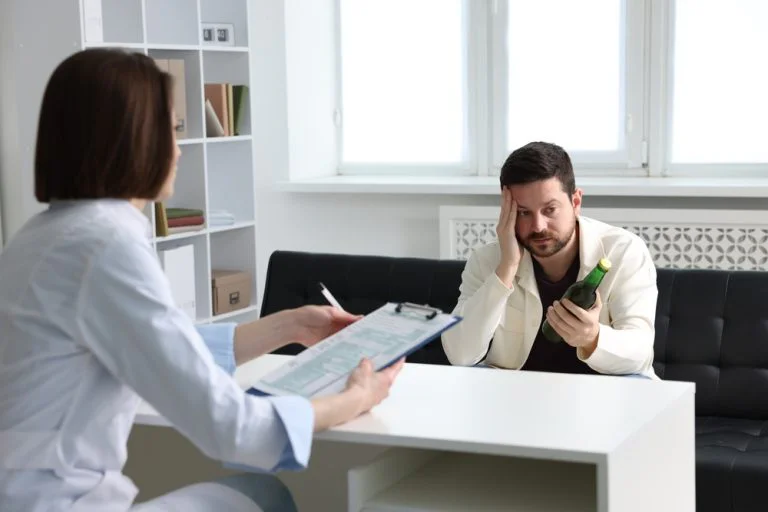
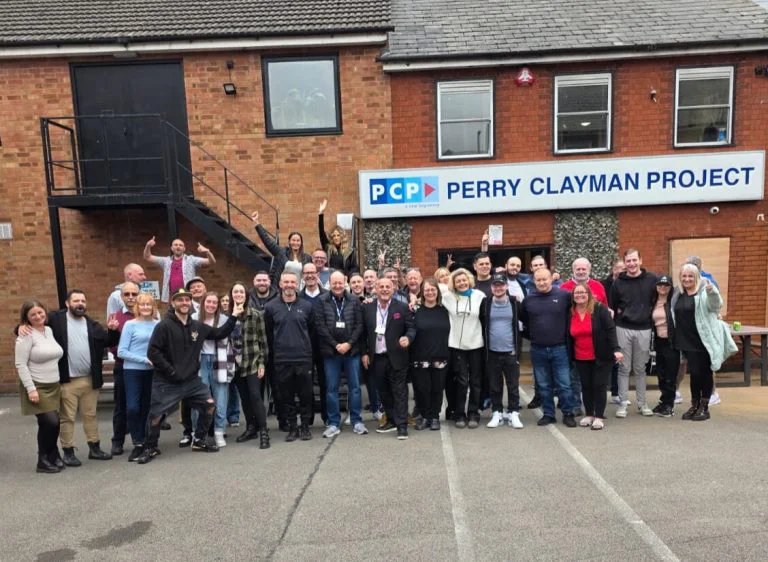

Deciding you need help with drink or drugs is hard enough without worrying about whether you’re even allowed to ask for it. Yes, you can admit yourself to rehab in the UK, and at a private rehab like PCP, you can refer yourself without going through your GP.
This guide explains the different ways to get into rehab and what happens once you’ve made the call.
If you’re still not sure whether you need rehab, reading about the signs can help you decide. And if you’d like to ask a few questions first, call 08000 380 480 or fill in our Get Help form for a confidential chat with no commitment.
Yes, and the NHS says that if you’re not comfortable talking to a GP, you can approach your local drug treatment service yourself.
Self-referral, along with referral by family and friends, is the most common way into treatment in England, accounting for 55% of people who started treatment in 2024 to 2025. Referrals from GPs accounted for 6% of all referrals. Whichever route you choose, you’re entitled to NHS treatment for a drug problem in the same way as anyone else with a health problem.
For private rehab, you contact the provider directly, and you’ll need to pay for the treatment yourself. If your problem is with alcohol, the NHS suggests that a GP is a good place to start.
There are three main routes into rehab in the UK, and the biggest differences between them are how quickly you can start and who pays.
Going private means you can contact a rehab yourself and skip the referral process. At PCP, many people are admitted within 24 hours of getting in touch.
Our Luton centre is registered with the Care Quality Commission to provide accommodation for people who need treatment for substance misuse. You’ll need to pay for private treatment, with private rehab costs often ranging from £2,000 to £5,000 per week and some programmes starting from £8,500 for a 14-day stay, although private health insurance or medical insurance companies may help with insurance coverage for residential rehab for a certain period; financial arrangements are usually confirmed during the admissions process before or at intake at the rehab centre.
If you’d like to talk through admission, our team can explain how it works and answer your questions before you decide anything.
Alcohol and drug treatment in England is commissioned by local authorities, and some local services are run by organisations like Change Grow Live and We Are With You. Turning Point also runs local services in parts of England. When you refer yourself, you’ll be given a keyworker who supports you throughout your treatment. These services are mainly provided as outpatient care while you live at home, though some people may be offered outpatient rehab or, if needed, hospital-based detox. In 2025-2026, £310 million will fund drug and alcohol services.
Getting started is quick, as 99% of people starting treatment in England did so within 3 weeks of being referred. That treatment is almost always in the community, as 99% of people in treatment received community-based care and 2% were treated in a residential setting.
If residential treatment might be a good option for you, you may be referred to a residential rehab service. NHS addiction services are free treatment, but places for inpatient rehab are limited, and you may need extra assessment to gain access or obtain funding for residential care.
A GP can discuss your problems with you and help get you into treatment, and they’ll usually refer you to your local drug service. For alcohol, your GP may suggest assessment and support options, such as local community alcohol services.
It helps to be open with your GP about how much you drink and any problems it’s causing.
| Private rehab | NHS self-referral | GP referral | |
|---|---|---|---|
| Referral needed | No | No | Yes, from your GP |
| Who pays | You, or sometimes medical insurance | Your local council | Your local council |
| Where you’re treated | Residential | Mostly in the community | Mostly in the community |
| How quickly you can start | Many PCP admissions within 24 hours | 99% start within 3 weeks of referral | After your GP appointment and referral |
Knowing how to go to rehab can feel daunting, but once you’ve decided to get in touch, admitting yourself follows a few simple steps.
The first call is a chance to talk about what’s been happening, ask anything you want to know, and explore treatment options even if you do not feel fully ready to seek treatment. At PCP, a member of our admissions team will then guide you through the next steps, because treatment begins with one small step.
A friend or family member can help make the call or sit with you while you talk.
If you’re not sure which type of help is right for you, the FRANK drugs helpline on 0300 123 6600 can talk you through your options.
At an NHS drug service, staff will ask about your drug use at your first appointment, as well as your work and home life. You may also be asked for a urine or saliva sample to check what you’ve been taking.
At PCP, our doctor carries out a full medical assessment to shape a personalised treatment plan around your physical health, mental health, and personal circumstances. If you start inpatient treatment, the first 24 to 72 hours usually include medical evaluations, orientation, and meeting your treatment team. Where needed, medical detox clears substances from your body before therapy starts, helps prevent withdrawal symptoms during treatment, and the timeline varies depending on the substance and your individual needs.
Once your assessment is done, you’ll agree a date to start treatment. At PCP, this can be a pre-booked date that works for you, or sooner if you need to start straight away.
PCP has a short guide on what to bring, but the most important thing to pack is any medication you’ve been prescribed.
That first call is step one, and it doesn’t commit you to anything. Call our admissions team to talk it through in confidence.
Choosing rehab is your decision: voluntary treatment means choosing care yourself, and it does not mean losing control over your life or your say in treatment decisions. Under the Mental Health Act 1983, dependence on alcohol or drugs is not considered a disorder or disability of the mind. This means addiction on its own isn’t treated as a mental disorder under the Act.
If you have another mental health condition alongside your addiction, the situation can be different, so it’s worth asking a professional if you’re unsure.
Because you chose to go, you can talk to the team at any point if you’re thinking about leaving. Leaving partway through a detox carries real risks, though, as alcohol withdrawal without medical support can be hazardous for people with severe alcohol dependence.
If you’re thinking about leaving, talk to the medical team first so they can help you stop as safely as possible.
If you’re worried about work or your record, it helps to know what the rules actually say.
If you’re off work for 7 days or less, you don’t need to give your employer a fit note. Instead, you can confirm you’ve been off sick yourself, which is called self-certification. If you’re off for more than 7 days in a row, including weekends, you’ll need a fit note from a healthcare professional.
The healthcare professional will assess your fitness for work before giving you a fit note, and your employer can take a copy of it.
Rehab is health treatment, and the NHS Constitution gives you the right to privacy and confidentiality when you’re treated by the NHS. At PCP, all enquiries and treatment information are treated confidentially, and we never confirm your admission to anyone who isn’t on your approved contact list.
You also have the right to see your own health records and have any factual mistakes corrected.
An employer can’t ask your doctor for a medical report about you for employment purposes unless you’ve agreed to it.
Your driving licence is worth thinking about too, as you must tell the DVLA if you have an alcohol problem, or if you’ve used illegal drugs or misused prescription drugs. You can be fined up to £1,000 if you don’t tell the DVLA about a medical condition that affects your driving.
If you’ve become physically dependent on alcohol, stopping overnight could be harmful, and you should get advice about any medicine you may need to stop safely. Signs you may need medicine to help with withdrawal include:
Anxiety after waking
Sweating
Mild tremors
Nausea or retching in the morning
Vomiting
Call 999 if you have severe withdrawal symptoms, such as hallucinations or seizures. Without medical support, withdrawal from severe alcohol dependence may lead to seizures and delirium tremens, and in some cases it can be fatal.
The same care applies to benzodiazepines like diazepam, as stopping suddenly can cause withdrawal symptoms, and your doctor will gradually reduce your dose.
When you call PCP, you’ll speak to our admissions team in confidence, and we won’t contact your GP without your signed consent. If you decide to go ahead, your detox is provided under medical supervision by our in-house doctors and nurses, 24 hours a day, and may be followed by inpatient care lasting several weeks to months as part of rehab treatment.
Alongside detox, you’ll have one-to-one counselling and group therapy with experienced addiction therapists, and addiction recovery often includes ongoing support after detox, including counselling, group work, and recovery services. Everyone who completes treatment at our London clinic is enrolled in our aftercare programme.
Call 08000 380 480 or fill in our Get Help form, and we’ll talk you through your options at a pace that suits you. If you’re reading this for someone else, we can also talk you through how to help a loved one get into rehab, and family members can also access emotional support through family support services and free support groups such as Al-Anon.
You can contact a private rehab directly or go through the NHS, either by referring yourself to a local service or through your GP.
Signs you may need help with alcohol include feeling a regular need to drink, or thinking your drinking is causing you problems.
Yes, treatment through local NHS services is funded by local councils, but NHS-funded residential rehab may need an extra assessment to check funding is available.
For private rehab, you can pay for treatment yourself, or check whether your medical insurance will fund residential rehab for a certain period. For funded treatment, your local drug and alcohol service can assess you and refer you to a residential rehab if it’s a good option for you. Your insurer or keyworker can tell you what you’re entitled to before you make any plans.
Yes, and if residential treatment is a good option for you, your local drug service may refer you to a residential rehab. An NHS referral usually depends on an assessment, whether residential care fits your treatment needs, and your willingness to take part in treatment.
Yes, you can approach your local drug treatment service yourself, or contact a private rehab like PCP directly.
| Cookie | Duration | Description |
|---|---|---|
| cookielawinfo-checkbox-analytics | 11 months | This cookie is set by GDPR Cookie Consent plugin. The cookie is used to store the user consent for the cookies in the category "Analytics". |
| cookielawinfo-checkbox-functional | 11 months | The cookie is set by GDPR cookie consent to record the user consent for the cookies in the category "Functional". |
| cookielawinfo-checkbox-necessary | 11 months | This cookie is set by GDPR Cookie Consent plugin. The cookies is used to store the user consent for the cookies in the category "Necessary". |
| cookielawinfo-checkbox-others | 11 months | This cookie is set by GDPR Cookie Consent plugin. The cookie is used to store the user consent for the cookies in the category "Other. |
| cookielawinfo-checkbox-performance | 11 months | This cookie is set by GDPR Cookie Consent plugin. The cookie is used to store the user consent for the cookies in the category "Performance". |
| viewed_cookie_policy | 11 months | The cookie is set by the GDPR Cookie Consent plugin and is used to store whether or not user has consented to the use of cookies. It does not store any personal data. |