- Home
- How to Cope with Prescription Drug Addiction
How to Cope with Prescription Drug Addiction
Useful Links
Nowadays, more and more people are becoming the victim of prescription drug addiction. Even though these medications are prescribed to deliver relief, many people still end up abusing prescription drugs way too often. What many started as a way to manage pain can quickly escalate into a never-ending cycle of dependence.
Addiction, whether it is to alcohol, any other substance or prescription drugs, is lethal. It can rapidly take over a person’s life before they even realize it. However, the good news is that recovery is possible with the right support!
At Rehab Today by PCP (the Perry Clayman Project), we understand that every person’s journey towards recovery is unique. Our experts are skilled in providing personalised care and treatment plans to every individual. Recovery with us is not only in reach but is easier than ever.
Understanding Prescription Drug Addiction

What is Prescription Drug Addiction?
Prescription drug addiction is a chronic condition characterized by the repeated misuse of prescription medications in ways not intended by the prescribing doctor. This can include taking higher doses than prescribed, using the medication for non-medical reasons such as to achieve a high, or self-medicating for underlying mental health issues. Over time, this misuse can lead to physical dependence, where the body requires the drug to function normally, and tolerance, where increasing amounts of the drug are needed to achieve the same effect. When an individual tries to stop or reduce their use, they may experience withdrawal symptoms, making it challenging to quit without professional help.
How a Prescription Drug Leads to Addiction?
Prescription drugs can lead to addiction in several ways. These medications might not harm anyone if taken as suggested by a doctor. The real problem begins when the dosage is not regulated as intended. As a result, the chemical reactions going on in the brain are also altered, which then elicits the cycle of addiction.
Opioids are often prescribed for chronic pain, but their misuse can lead to addiction.
But what’s the brain chemistry behind all this process? So, basically, some medications have this ability of relieving pain as well as stimulating the brain’s reward centre. As an individual takes these medicines regularly, he may experience feelings of pleasure. Over time, the brain might get used to these feelings and would then require a higher dose to achieve the same effect.
A good example of this is when opioids are prescribed by a doctor to relieve pain. Now taken with care according to the doctor’s prescription, this opioid can alleviate discomfort. Taken without a prescription, though, this medication can set off the reward system in the brain and eventually cause addiction.
Recognising Prescription Drug Abuse
Identifying prescription drug abuse can be difficult, but there are several signs and symptoms to watch for. These include:
Taking prescription medications in larger amounts or for a longer duration than prescribed.
Using prescription medications more frequently or in a different manner than directed by a healthcare provider.
Spending a significant amount of time obtaining, using, or recovering from the effects of prescription medications.
Experiencing cravings or a strong desire to use prescription medications.
Continuing to use prescription medications despite experiencing physical or mental health problems as a result.
Feeling the need to take prescription medications to feel normal or to avoid withdrawal symptoms.
Recognising these signs early can be crucial in seeking timely help and preventing the escalation of drug abuse.
Risk Factors
Several factors can increase the risk of developing a prescription drug addiction. These include:
A family history of addiction, which can indicate a genetic predisposition.
Existing mental health conditions, such as depression or anxiety, which may lead individuals to self-medicate.
Experiencing trauma or high levels of stress, which can drive individuals to seek relief through prescription medications.
Easy access to prescription drugs, whether through personal prescriptions or those of family and friends.
A lack of education about the risks associated with prescription drug use.
Peer pressure and social influences, including the portrayal of drug use in media and advertising.
Aggressive marketing and advertising by pharmaceutical companies, which can downplay the risks of addiction.
Understanding these risk factors can help in developing preventive strategies and seeking early intervention.
Common Symptoms of Prescription Drug Addiction
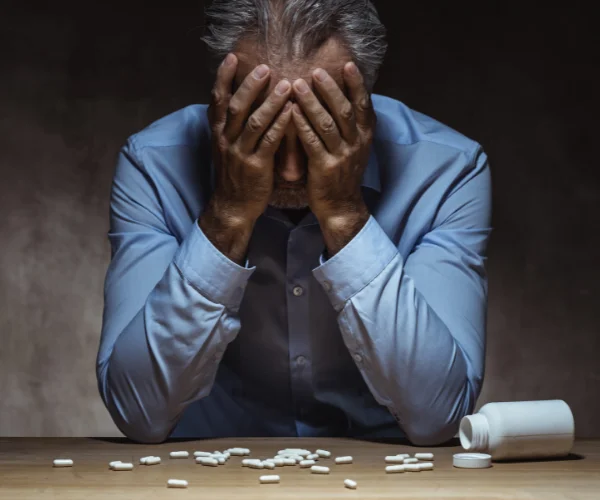
Not every prescription drug addiction can have the same symptoms. As every medication has a different mode of action, so are the consequences of overdose. Yet, there are some symptoms that commonly accompany prescription drug addiction regardless of the drug involved, such as:
● Being drowsy
● Difficulty in breathing
● Suddenly becoming highly energetic
● Sleeping less or more than usual
● Inability to make decisions
● Stealing or forging prescriptions
● Constant mood swings
Common prescription drug addiction often involves medications like opiates, opioids, and benzodiazepines.
Often, managing these symptoms on one’s own might feel impossible. If not managed properly, these can spiral into more serious consequences or even cause death. At PCP, we promote medical detoxification under the supervision of a medical officer to begin the recovery process. We offer long-term and short-term rehab services so individuals can feel at ease while healing.
Is Prescription Drug Addiction and Substance Abuse the Same?
Drug or substance abuse is a broader term that refers to dependency on drugs or alcohol. On the other hand, prescription addiction covers the misuse of medications prescribed by a legal medical officer.
Whether it’s substance addiction or prescription drug misuse, both dependencies are more or less similar to each other. Their underlying processes, symptoms and withdrawal consequences can often significantly overlap.
Individuals often have this mindset that usual drugs might cause irreversible damage to their body, but prescription medications won’t. This is so because, although meant for therapeutic use, legally prescribed drugs have a reputation of being less addictive. Due to this misconception, people often delay the recognition of the problem and avoid seeking help.
Another difference between both of the addictions is that prescription drugs are regulated by law, while addictive substances have illegal origins.
Types of Prescription Drugs
Not every medication a healthcare professional prescribes might be addictive. There are some classes of medicinal drugs that carry a high risk of addiction when taken unregulated. The risks are even higher when these medications are combined with illegal or recreational drugs. Three categories of these addictive prescription drugs are:
Opioids
Opioids are among the most commonly abused medicated drugs. These prescribed medications are usually given to tackle moderate to severe pain. Besides giving instant relief, opioids also produce a sense of euphoria. People may often build tolerance towards it and might end up developing its dependency. Some of these opioids are:
● Oxycodone: This is one of the most frequently prescribed pain relief medications. It has powerful addictive properties, leading to rapid tolerance and dependence.
● Codeine: Most cough syrups have this form of opioid in moderate amounts. Even though the drug is less addictive than others, it can still cause dependency.
● Morphine: When other opioids do not work, morphine, a powerful painkiller, can provide relief instantly. This drug is usually prescribed after serious injury or heart attack or during the treatment of cancer.
● Fentanyl: It is a synthetic opioid and is 50 to 100 times more potent than morphine. Its addictive nature is what makes it the most dangerous prescription addictive drug.
Withdrawal From Opioids
Opioid withdrawal comprises symptoms such as insomnia, muscle aches, flu, or even diarrhea. As a result, the detoxification process may often be physically as well as emotionally tiring.
Central Nervous System Depressants
Medical healthcare practitioners often prescribe central nervous system depressants to manage the symptoms of anxiety and sleep disorders. These drugs are known to slow down the rate at which our brain works. As a result, the muscles relax and relieve a person from tensions. Some common CNS depressants are:
● Benzodiazepines: Benzodiazepines are known to target discomfort by producing sedation and hypnosis. These depressants relieve muscle spasms, calm anxiety, and reduce the occurrence of seizures. When taken without a prescription, benzodiazepines can develop tolerance and dependency rapidly.
● Clonazepam: This drug is also used to treat the symptoms of anxiety and reduce seizures. Just like the other drugs in this category, clonazepam can also be potent when used without a prescription.
Withdrawal From Central Nervous System Depressants
CNS depressants may have some serious withdrawal effects that might include impaired coordination, slurred speech, unconsciousness and in severe cases, death.
It is for this reason that seeking professional help at this point is extremely crucial. Rehab Today by PCP offers professional detox under medical supervision to make managing withdrawal symptoms easier.
Stimulants
Conditions like ADHD are usually treated by using medications that are known as stimulants. Such drugs are useful in maintaining focus and increasing energy to the appropriate level. Like any other drug, its misuse can result in long-term dependency. A few of the stimulants one might get prescribed are:
● Amphetamine: It is used in the treatment of attention deficit hyperactivity disorder, narcolepsy, and obesity.
● Methylphenidate: This is usually prescribed for treating narcolepsy. This drug can have severe side effects such as loss of appetite, dry mouth or slowed growth in children if taken without professional supervision.
Withdrawal From Stimulants
Stimulants can have a lot of adverse withdrawal symptoms such as unusual fatigue, irritability, difficulty in concentrating or even depression.
Impact of Prescription Drug Addiction
Prescription drug addiction impacts all the domains of an individual’s life equally. It can result in some serious:
Physical and Mental Health Consequences
Legal drug abuse impacts physical health the most. When used for a long time, these medicines can lead to:
● Weakened immunity
● Liver or kidney failure
● Heart attack
● Upset stomach
● Brain fogginess
Initially, these addictive medications might not affect the body organs. Over time, when the use is prolonged, it can start to show symptoms. Additionally, if an individual already has conditions, an overdose of these drugs might make the conditions worse.
Dependency on prescription drugs can also elevate the chances of getting mental health disorders. It can slowly start manifesting as irritability and inability to focus and then might develop into more serious conditions such as depression, anxiety or mood disorders.
The Connection Between Illicit Drug Addiction and Prescription Drugs
There is a significant connection between illicit drug addiction and prescription drugs. Many individuals who become addicted to illicit drugs, such as heroin or cocaine, often start by misusing prescription drugs. Prescription opioids, in particular, can act as a gateway to heroin use due to their similar effects of euphoria and relaxation.
Commonly abused prescription drugs, such as opioids and benzodiazepines, are sometimes used in combination with illicit drugs, which can increase the risk of overdose and exacerbate addiction. Additionally, individuals addicted to illicit drugs may turn to prescription drugs as a way to self-medicate or manage withdrawal symptoms, creating a dangerous cycle of dependency.
Addressing prescription drug addiction and illicit drug addiction simultaneously is crucial, as they often co-occur and can intensify each other. Comprehensive treatment programs that tackle both types of addiction can provide the necessary care and support for individuals struggling with these intertwined issues. By understanding the connection between prescription and illicit drug addiction, we can better address the root causes and provide more effective treatment options.
How to Recover From Prescription Drug Addiction?

Recovery from prescription drug addiction is a challenging and overwhelming process, but it is not impossible. Individuals with dependency on medications can begin their recovery journey by:
Acknowledging the Problem
The first and foremost step in any addiction recovery is to acknowledge and assess one’s condition. If you or your loved one has any of the symptoms mentioned in this post about prescription drug addiction, reach out for help. Dependency, when treated on time, can significantly reduce the risk of irreversible damage.
Seeking Professional Help
Once a person knows he is addicted to prescription medications, he must seek professional help right away. The withdrawal effects of such a type of addiction can sometimes get extremely adverse. As a result, treating one’s own self can be dangerous as well as deadly in many scenarios. Prescription drug addiction treatment can provide the necessary support and tools for recovery.
Be sure to contact a credible mental healthcare practitioner to accelerate the healing process. Rehab Today has ensured that all of its experts are well-versed in treating any kind of prescription drug addiction. They provide diverse treatment plans to tackle dependency regardless of what stage it is.
Detoxification and Medication-Assisted Therapy
Medical detoxification is about getting rid of the addictive substance from an individual’s body. The process is regulated under the supervision of a medical healthcare practitioner to monitor any adverse consequences. Moreover, medication-assisted therapy may also be used to cope with the withdrawal symptoms associated with quitting the drug. Prescription drug misuse can lead to severe withdrawal symptoms, making professional detoxification essential.
Psychological and Behavioural Interventions
It is common for a person to relapse even after getting comprehensive recovery treatments. To prevent this from happening, it is important to get to the root cause of the addiction. Experts may attempt doing so by intervening with behavioural interventions such as:
● Cognitive Behavioural Therapy (CBT): It is a psychological intervention in which behavioural patterns are observed to identify triggers. Here, a person is taught to reframe their negative thoughts into productive ones while overlooking stressors.
● Support Groups and Counselling: A therapist might enrol you in a support group with individuals who are going through a situation similar to yours. They may encourage you to share your experiences to make you realize that you are not alone in this journey.
● Family Therapy:Family therapies can also be administered to resolve conflicts, if any. This will also help in fostering a positive environment that is free of triggers.
Addiction to prescription medication can have serious consequences, making psychological and behavioral interventions crucial.
Rehabilitation Services
If the addiction is severe and there are chances of a person harming oneself, then he might be advised to enrol in a rehabilitation programme. Depending on the severity of the condition, a therapist may suggest whether an individual needs an in-patient rehab service or an out-patient one.
Moreover, those who have responsibilities to take care of while recovering can also avail of outpatient rehab programmes.
With the Right Support, Recovery Is Possible!
Prescription drug addiction can indeed feel like an overwhelming battle, but you don’t have to fight it alone. With professional support, therapeutic interventions and medical-grade detox recovery are just a few steps away. However, the key towards a successful recovery plan is collaborating with credible and expert mental healthcare practitioners.
At PCP, our professionals understand the importance of professional guidance in recovery. Our team of experts ensure the provision of the highest quality of care while adhering to your specific needs. With us, you can confidently navigate the challenges of drug addiction and move swiftly towards a productive and lively future.
Contact us today to get a personalised treatment or explore our diverse range of recovery options available.