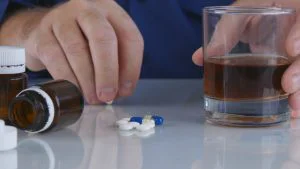

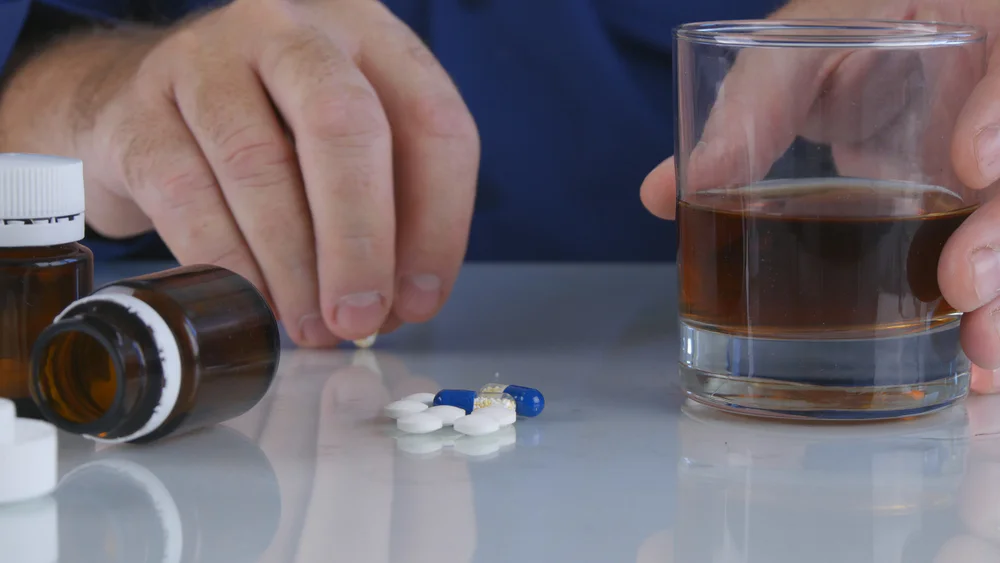
If you’ve been prescribed a benzo like diazepam, or you’re already mixing benzos with alcohol, you might be wondering how risky it is to drink. The NHS is clear that you shouldn’t drink alcohol while taking benzos like diazepam or lorazepam.
Benzodiazepines and alcohol both slow down your central nervous system3, and together they can cause breathing problems and make it very difficult to wake up. If someone has lost consciousness or stopped breathing after mixing benzos with alcohol, call 999 straight away.
This guide explains what happens when you mix benzodiazepines and alcohol and how to get safe support if you’ve become dependent on both.
No. Alcohol increases the effects of benzodiazepines, which can cause breathing problems and make it very difficult to wake up. That’s why the NHS advice for diazepam, lorazepam, temazepam and clonazepam is the same: don’t drink while you’re taking them.
The same risks apply to benzos that weren’t prescribed, as mixing benzodiazepines with alcohol increases their effects and can increase toxicity. Pills bought on the street carry extra risks too, as they may not contain the drug they claim to at all. We cover this in more detail in the Xanax section further down.
Benzodiazepines and alcohol are central nervous system depressants, which means both alcohol and benzos slow brain activity, and the combined effects can reduce breathing more than either alone. Benzos like lorazepam work by increasing the effect of a calming chemical in your brain, producing a calming effect, and when you drink on top of them, alcohol adds to that slowing effect.
The result can be much heavier sedation than either would cause alone, and with concurrent use of these two substances, respiratory depression can occur even if you have a tolerance, because tolerance does not remove that risk. Because alcohol increases the effects of the medicine, the usual side effects of benzos like diazepam can also become stronger, including dangerous side effects from mixing alcohol such as severe motor and cognitive impairment, memory gaps, blackouts, and falls:
Heavy sedation
Poor coordination
Memory loss
Falls
This is also why driving after mixing the two is so risky. Diazepam’s product information warns that using it with alcohol enhances its sedative effects and impairs your ability to drive. Combining alcohol with benzos can also trigger unpredictable or dangerous behaviour, not just drowsiness and poor coordination.
In England and Wales, diazepam was mentioned on 302 death certificates among the drug poisoning deaths registered in 2024.9 In Scotland, benzodiazepines were implicated in 433 drug use deaths in 2025, or 38%, and more than one drug was involved in 78% of all drug use deaths. If you’re also using cocaine, our guide to the risks of mixing cocaine and benzos covers that combination.
An overdose is more dangerous when mixing benzodiazepines and alcohol, as this can be life threatening because the combined effects may cause slowed breathing or shallow breathing and, in severe cases, oxygen deprivation can lead to organ failure without medical help. Signs of a benzo overdose include:
Blue lips
Loss of consciousness
Noisy or rasping breathing
Breathing that becomes slow or very shallow
Extreme confusion
Hallucinations
slurred speech
If you notice any of these signs, get medical help quickly. Call 999 straight away if someone has been drinking and:
Has had a seizure
Has lost consciousness
Has stopped breathing
You think they have alcohol poisoning
While you wait for the ambulance, stay with them, as there’s a risk they could choke on their own sick, aspirate it if they vomit while deeply sedated, or stop breathing.
If they’re awake, sit them up, and if they’ve passed out, put them in the recovery position and check they’re breathing properly. Don’t let them drink any more alcohol.
If you’ve taken more than your prescribed dose of diazepam but don’t have any of the symptoms above, call NHS 111 for urgent advice.
Diazepam, sold under the brand name Valium, is used to treat severe anxiety. It’s also prescribed for seizures and muscle spasms, and its product information lists the treatment of acute alcohol withdrawal as another use.
The NHS says diazepam should only be used short term, up to 4 weeks, as taking it for longer can cause addiction and withdrawal symptoms. It also tells people taking diazepam not to drink alcohol, as it can increase the risk of side effects.
Diazepam’s product information also advises avoiding alcohol during treatment. This advice applies to anyone taking diazepam, including people on a low dose like 2mg. You can read more about the drug itself in our guide to Valium side effects, addiction and treatment.
The NHS doesn’t give a set time to wait between taking diazepam and having a drink, and its advice is simply not to drink while you’re taking it. Diazepam also stays active in your body for longer than you might expect.
Its product information warns that its effects on the central nervous system can last into the next day, even after a single dose. Sedation and impaired function can also continue the following morning and for several days after.
Part of the reason is that diazepam breaks down into another active substance, which stays in the body for even longer than diazepam itself. If you’re unsure, check the leaflet that comes with your medicine, or ask a pharmacist or doctor for advice.
Other benzodiazepines prescribed in the UK carry the same warning about alcohol, although each one is used for slightly different reasons.
Lorazepam is a short-term treatment for severe anxiety, or for sleep problems caused by anxiety. It’s usually not prescribed for more than 4 weeks, because your body can get used to it and it stops working as well.
As with diazepam, the NHS says not to drink alcohol while taking lorazepam. It also advises against driving if lorazepam leaves you feeling sleepy or less alert.
Temazepam is used to help you sleep when you’ve been having difficulty sleeping, and it should only be taken for up to 4 weeks at a time. Its patient leaflet says not to drink alcohol while taking it.
Temazepam can make you sleepy, and drinking alcohol while you’re taking it can make you even more sleepy. If you’ve had breathing problems before, temazepam can also make your breathing less forceful.
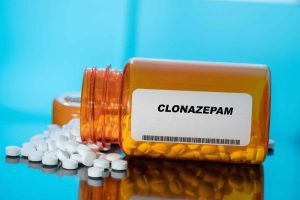
Clonazepam is used to treat seizures caused by epilepsy, and sometimes panic attacks when other medicines haven’t worked. It’s also a long-acting drug, and the NHS says not to drink alcohol while taking it, as alcohol can increase its effects.
If you’re thinking about stopping clonazepam, the NHS warns that stopping suddenly can cause withdrawal symptoms and may make epilepsy symptoms worse.
Xanax, the brand name for alprazolam, cannot be prescribed on the NHS in the UK. Even so, illicit tablets sold as alprazolam have been linked to hospitalisations and deaths in the UK, according to a 2020 alert from the Chief Medical Officer. You can read more about this in our article on Britain’s teenagers and fake Xanax, or our guide to Xanax addiction in the UK.
The same alert warned that pills marked as Xanax or Valium may not contain either drug at all. Benzodiazepines are rarely misused alone and are often taken with other substances, which raises the risk of overdose. It also warned that using these drugs with or without alcohol increases the risk of overdose and death.6 When you mix a pill of unknown strength with alcohol, there’s no way of knowing how much you’re really taking.
Deaths where bromazolam was implicated in Scotland fell from 426 in 2023 to 103 in 2025, but street benzos as a whole were still implicated in 300 drug use deaths there in 2025, around a quarter of the total.
Alprazolam and diazepam are both Class C drugs under the Misuse of Drugs Act 1971. Having a Class C drug without a prescription can lead to up to 2 years in prison, an unlimited fine or both.
It might seem strange that a drug so dangerous to mix with alcohol is also used to treat alcohol withdrawal. NICE names a benzodiazepine, either chlordiazepoxide or diazepam, as the preferred medication for assisted alcohol withdrawal.
Research supports this, with a Cochrane review finding that benzodiazepines protected against alcohol withdrawal symptoms, especially seizures, when compared with a placebo. NICE says people who need assisted withdrawal should usually be offered a community-based programme, with its intensity depending on how severe their dependence is. For people at high risk of withdrawal seizures or delirium tremens, NICE recommends hospital admission for medically assisted withdrawal.
The key difference is that the medication is prescribed and given within a standard clinical protocol for alcohol withdrawal. Benzodiazepines are also only used to manage the withdrawal itself, not as ongoing treatment for alcohol dependence, because benzodiazepine use can lead to dependence in as little as two weeks. This is very different from drinking while taking benzodiazepines, since taking benzodiazepines for long periods outside that setting can quickly lead to dependence, or trying to come off alcohol at home with pills bought on the street.
Long-term substance use involving both alcohol and benzodiazepines leads to cross-tolerance to benzodiazepines, and dependence on more than one substance can make symptoms and treatment needs more complex. Diazepam’s product information also warns that the risk of dependence is higher in people with a current or past history of alcohol misuse. Long-term combined use can also cause serious health problems, including permanent brain damage and organ failure. Benzodiazepine dependence can develop in as little as two weeks. In England, the number of people starting treatment with benzodiazepine problems rose from 3,872 in 2023/24 to 4,161 in 2024/25.
Once you depend on both, stopping either one suddenly can be dangerous. Using multiple substances can make withdrawal effects and overdose risk less predictable. Suddenly stopping benzodiazepines may cause convulsions, and the product information for diazepam says extra care is needed for people who are dependent on alcohol or drugs. Coming off alcohol without medical support can be hazardous too, as for people with severe alcohol dependence, it may lead to seizures and delirium tremens. Our guide to how long benzodiazepine withdrawal lasts explains what to expect from the benzo side.
NICE recommends considering inpatient or residential withdrawal for anyone who needs to come off alcohol and benzodiazepines at the same time. It recommends the same for anyone who has had withdrawal seizures or delirium tremens during a previous withdrawal. No level of tolerance with either substance makes it safe to stop without professional help. In that situation, NICE advises managing withdrawal with a single benzodiazepine, either chlordiazepoxide or diazepam, rather than several.
If you’re relying on both benzos and alcohol to get through the day, stopping suddenly can be dangerous. Our team at PCP can talk you through a medically supervised benzodiazepine detox and alcohol detox, where our in-house doctors and nurses support you through withdrawal around the clock.
If you’re dependent on both benzos and alcohol, coming off them safely starts with the right medical support. At PCP, the first step is a free, confidential assessment over the phone, where we can discuss treatment options and whether your symptoms suggest a possible substance use disorder. From there, we can arrange your admission within 24 hours, or on the same day where it’s clinically appropriate.
Your detox is supervised 24 hours a day, 7 days a week by our in-house doctors and nurses, so your withdrawal is managed safely as it happens. We have residential clinics in Luton and Cardiff. Our Luton clinic is regulated by the Care Quality Commission (CQC), and our Cardiff clinic by Healthcare Inspectorate Wales (HIW).
Alongside detox, you’ll have one-to-one counselling and group therapy with experienced addiction therapists, as part of a programme based on the 12-step approach. Where clinically appropriate, your tailored plan may also include fda approved medication. Everyone who completes treatment with us is then enrolled in our aftercare programme.
For some people, outpatient treatment may be suitable, while more severe cases may need residential care.
Call our admissions team or fill in the Get Help form, and whether you’re seeking help for yourself or a loved one, we can talk you through a safe plan in confidence and help you start recovery today.
Along with alcohol, you shouldn’t mix benzos with other medicines that slow your central nervous system, like sleeping pills, as this can increase sedation and slow your breathing.
Only if your doctor decides there’s no alternative, as both can slow your breathing, and taking them together raises the risk of coma and death.
Yes, alcohol adds to the slowing effect benzodiazepines have on your central nervous system, because both act on GABA receptors, which boosts their calming effect and makes the interaction more dangerous; this is why diazepam’s product information says to avoid alcohol during treatment.
It depends on the medicine. If your anxiety medication is a benzodiazepine, like diazepam or lorazepam, even one drink can be unsafe while taking prescribed benzodiazepines because alcohol may intensify their effects unpredictably, and the NHS says not to drink alcohol while you’re taking it.1,2 For other anxiety medicines, check the leaflet that comes with it or ask your pharmacist.
There’s no set waiting time for any dose, including 2mg, and the NHS advises not to drink while you’re taking diazepam.
No, the NHS says not to drink alcohol while taking diazepam, as it can increase the risk of side effects.
Yes. Most benzodiazepines are Class C drugs, so having them without a prescription can lead to up to 2 years in prison, an unlimited fine or both.
No, the NHS says not to drink while taking zopiclone, a Z-drug sleeping pill, as it can cause breathing problems and make it very difficult to wake up.
If you’re concerned about a family member or friend who’s mixing benzos and alcohol, you can call our admissions team for confidential advice on how to help them get support. And if it’s your own use you’re worried about, that first conversation is free and confidential.
| Cookie | Duration | Description |
|---|---|---|
| cookielawinfo-checkbox-analytics | 11 months | This cookie is set by GDPR Cookie Consent plugin. The cookie is used to store the user consent for the cookies in the category "Analytics". |
| cookielawinfo-checkbox-functional | 11 months | The cookie is set by GDPR cookie consent to record the user consent for the cookies in the category "Functional". |
| cookielawinfo-checkbox-necessary | 11 months | This cookie is set by GDPR Cookie Consent plugin. The cookies is used to store the user consent for the cookies in the category "Necessary". |
| cookielawinfo-checkbox-others | 11 months | This cookie is set by GDPR Cookie Consent plugin. The cookie is used to store the user consent for the cookies in the category "Other. |
| cookielawinfo-checkbox-performance | 11 months | This cookie is set by GDPR Cookie Consent plugin. The cookie is used to store the user consent for the cookies in the category "Performance". |
| viewed_cookie_policy | 11 months | The cookie is set by the GDPR Cookie Consent plugin and is used to store whether or not user has consented to the use of cookies. It does not store any personal data. |