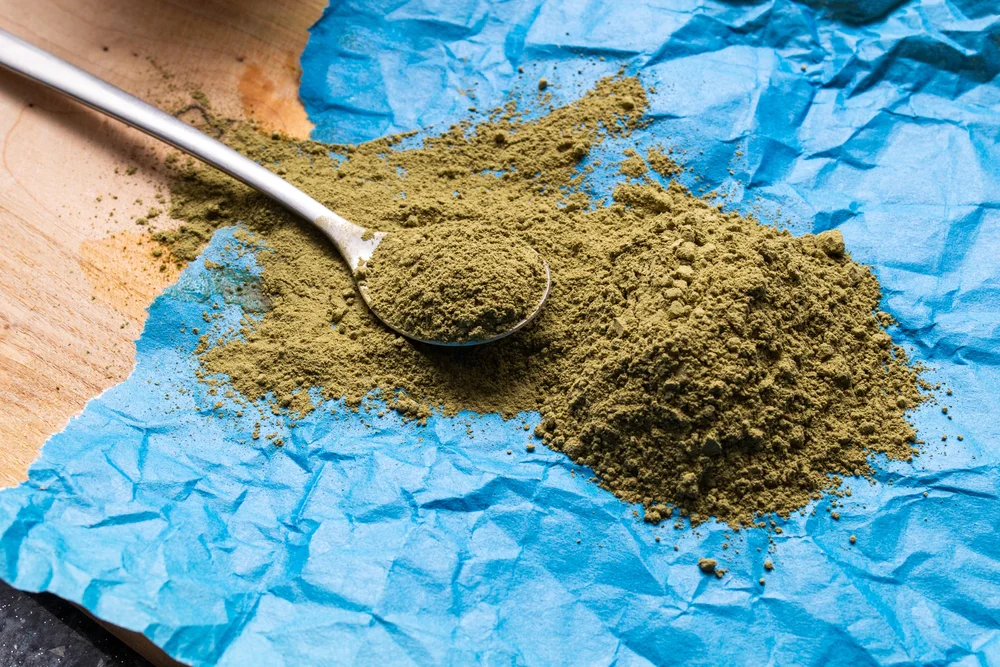
Kratom is sold online as a natural, herbal product, which makes it easy to assume it’s harmless. But kratom can be addictive, and regular use can lead to dependence and withdrawal that closely resemble those caused by opioids.
If you’ve started relying on kratom more than you’d like, kratom addiction is something that can be treated, and support is available.
This guide explains what kratom addiction looks like, including the signs to look out for and what withdrawal involves. It also covers kratom’s legal status in the UK, and the treatment options that can help you stop safely.
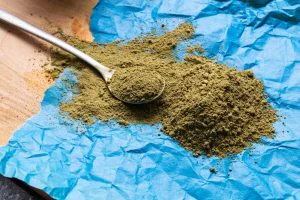
Kratom is a tropical tree, called Mitragyna speciosa, that grows naturally in Southeast Asian countries like Thailand and Malaysia. People in the region have used it for generations, usually chewing its leaves or brewing them into teas to increase energy or to ease pain.
Nowadays, kratom is sold far beyond Southeast Asia, and in countries like the US, it’s sold as powders, capsules, concentrated shots, and gummies. However, there are no kratom medicines legally on the market in the US, and the ones that are aren’t FDA-approved for use.
Kratom’s effects can change depending on how much is taken, and in lower amounts, it can act as a stimulant, while higher amounts produce opioid like effects. This leads to confusion about what type of drug kratom actually is, which is why we go into more detail about this in the next section.
Kratom isn’t made from the opium poppy, but its main compounds, mitragynine and 7-hydroxymitragynine, act on the same receptors in the brain as opioid drugs.5 NIDA describes these compounds as opioids, and regular use can lead to opioid-type dependence and withdrawal.
Studies also show that compounds found in Kratom bind to the brain’s mu-opioid receptors, the same receptors targeted by drugs like morphine. These compounds also act on other receptors in the brain, including those linked to serotonin.
So, in simple terms, Kratom works on the brain in a similar way to opioids and holds a similar risk of dependency.
After learning that kratom has many similarities to an opioid, the next natural question to ask is whether or not it’s addictive. Based on research, the answer is yes, it can be addictive, especially with heavy, daily use. One study of regular users in Malaysia found that more than half had developed severe dependence, and a further 45% had moderate dependence.
A US survey that applied standard diagnostic criteria found that around 30% of people who had used kratom met the threshold for kratom use disorder. Around half of these cases were mild, but around 1 in 12 respondents met the criteria for a severe disorder.
But of course, not everyone who uses kratom becomes dependent and just over half of those surveyed had never met the criteria at all.
The risk also rises with how much someone uses, because in the Malaysian study, people who drank more kratom each day were more likely to have severe dependence.
With so much risk surrounding kratom, it can be confusing to understand why people would use it in the first place. As we mentioned earlier, in certain areas of the world, the drug is used for medicinal purposes, but it’s also used as a substitute for opium and to manage opium withdrawal.
However, no regulator has approved kratom as a treatment for opioid withdrawal, and NIDA has said there’s no reliable evidence that it works for opioid addiction. Some cases also have noted that people who started using kratom to deal with other ailments went on to become dependent on kratom instead.
This is why it’s important to be careful with how kratom is marketed as the “safer”, more “natural” option, because there’s no evidence to suggest that this is the case.
It’s important to know the side effects of Kratom, whether you’re using the drug yourself or you’re worried about someone close to you. Kratom can cause side effects like nausea and vomiting, but liver damage is the best-documented serious risk. Symptoms can start to appear within one to eight weeks of starting regular use and include tiredness and dark urine, followed by yellowing of the skin.
In fact, at least two dozen cases of liver injury with jaundice have been published, with a similar number reported to the FDA, In most reported cases, the liver recovered after the person stopped using kratom.
Mixing kratom with other substances is also a concern, with health officials warning that combining it with alcohol or opioids can add to its effects and even increase the amount of kratom in the body.
Much of what we’ve covered so far on kratom draws on data and laws from other countries, and this is because UK data is scarce. As of 2026, 10 US states have made kratom illegal. However, it doesn’t mean that the UK doesn’t recognise the danger kratom poses.
The drug is covered by the Psychoactive Substances Act 2016, which came into force on 26 May 2016 and applies across the whole of the UK.10 The Act bans producing and supplying substances that have a psychoactive effect, unless they’re specifically exempt.
Under the Act, a substance is classed as psychoactive if it affects someone’s mental functioning or emotional state by affecting the central nervous system.
Under the Act, it’s an offence to 11:
Produce kratom
Supply it to others
Offer to supply it
Possess it with intent to supply
Import it
Export it
This differs from the UK’s broader psychoactive-substance framework, while the FDA has proposed regulating 7-OH as a Schedule I substance.
While it’s important to know the side effects, it’s equally as important to know the signs of kratom addiction, especially with the risks linked with the drug.
The signs aren’t always obvious at first, but a study that looked at user behaviours and then compared them with the DSM-5 criteria found that tolerance and withdrawal were among its main features.
This means the signs include:
Needing more kratom to get the same effect
Strong cravings when not using
Using more than you meant to
Trying to cut down without success
Spending more and more time using it
Carrying on despite harm to your health
Feeling unwell when you stop
One sign on its own doesn’t necessarily mean someone is addicted, but if you’re using kratom and have noticed several of these signs, it’s a good enough reason to speak with a medical professional. A good first starting point is your GP or local drug service for more information, especially on how to handle kratom withdrawal.
When someone who uses kratom regularly stops, they can experience kratom withdrawal, with researchers describing these symptoms as opioid-like.
A study of regular uses found that physical withdrawal symptoms included 7:
Muscle aches
Trouble sleeping
Watery eyes
A runny nose
Hot flushes
Fever
Loss of appetite
Diarrhoea
The same study also recorded emotional symptoms, including:
Restlessness
Tension
Anger
Sadness
Nervousness
Low mood 12
Anxiety 12
One study that followed people giving up kratom found that 70% had mild anxiety and 81% had mild depression during that time. Those who had been drinking more kratom every day were more likely to experience moderate depression.12
here’s very little research on how long kratom withdrawal lasts, so it’s important to treat any timeline as a rough guide rather than a fixed rule.
The limited evidence available suggests symptoms in regular users usually last between one and three days.
Because kratom withdrawal is opioid-like, opioid withdrawal offers a more detailed guide. For short-acting opioids like heroin, World Health Organization guidance says symptoms usually begin 8 to 24 hours after the last use and last 4 to 10 days. Withdrawal from longer-acting opioids starts later and can last up to 20 days.
It’s also worth noting that much of the kratom research also comes from Southeast Asia, where it’s traditionally brewed as tea, so experiences with modern, highly concentrated products may differ.
How strongly you experience kratom withdrawal also depends on how much or how often you use the drug. For example, heavier daily use has been linked to more severe withdrawal.12
Everyone’s experience is different, so your own withdrawal may not match these timescales. In at least one reported case, anxiety and low mood continued after the physical symptoms had eased.13
Withdrawal can feel like the hardest part of stopping, but with the right support, it’s something you can get through. At Rehab Today, our medical team can guide you through it with a supervised detox, so you’re never facing it alone. A free, confidential phone call is an easy way to talk through what you’re experiencing and what support could look like.
Deaths linked to kratom are rare, but that doesn’t mean they haven’t been reported. US data on overdose deaths where kratom was detected shows a cause in 91 deaths, but just seven of these involved kratom on its own.
The US poison centre data shows something similar, with 233 kratom-related deaths between 2015 and 2025, but 79% of them involved more than one substance.8
Reports also show that for those who reported to poison centres for kratom alone, 24-29% were admitted to hospital, with this number rising to around half when other substances were involved.
Because of these risks, if someone who’s taken kratom is unresponsive or struggling to breathe, call 999 straight away and tell the crew everything they’ve taken.
There are no UK treatment guidelines written specifically for kratom, and instead, because it acts on the body like an opioid, kratom withdrawal is treated in a similar way to opioid withdrawal. This means evidence-based treatments used for substance use disorder may also apply to kratom use disorders in practice. Clinicians have also suggested longer-term support, such as ongoing medication, to help prevent relapse, and kratom withdrawal can complicate alcohol withdrawal treatment when both substances are involved.
Here’s what kratom addiction treatment usually looks like in the UK:
A medically supervised detox means your withdrawal is monitored by doctors and nurses, who can treat symptoms as they present. It’s especially worth considering if you’ve been using kratom heavily every day, or mixing it with alcohol or other drugs.
Medications used for opioid withdrawal may help with kratom withdrawal, with buprenorphine being one of the best documented. Case reports of the medication describe it controlling withdrawal and being continued longer term to prevent relapse.
In the UK, NICE guidance on opioid detox recommends methadone or buprenorphine as first-line medicines, with Lofexidine being considered for people with milder dependence.15
But take into account that this guidance was written for opioids, not kratom. The evidence for treating kratom specifically comes from individual case reports rather than clinical trials, so a doctor will tailor treatment to you.
Detox deals with the physical side of dependence, but therapy is what helps you stay off kratom afterwards. Cognitive Behavioral Therapy (CBT) can help kratom users identify triggers and modify behavior. In opioid rehab, detox is usually followed by one-to-one and group therapy, focused on understanding what drives your use and preventing relapse.
Drug rehab can be carried out in two main settings: residential inpatient and community outpatient. In a residential setting, or residential care, you’re offered round-the-clock support away from everyday triggers, in a calming and therapeutic environment with professional treatment.
Community outpatient treatment lets you stay at home while attending sessions, which can suit people with milder dependence and strong support around them.
The right option for you depends on your individual needs, meaning a chat with a GP or a member of your local drug services team can help you make the right choice.
At PCP Rehab Today, we offer a free helpline for drug addiction treatment services and are available if you’d like more information on the next steps.
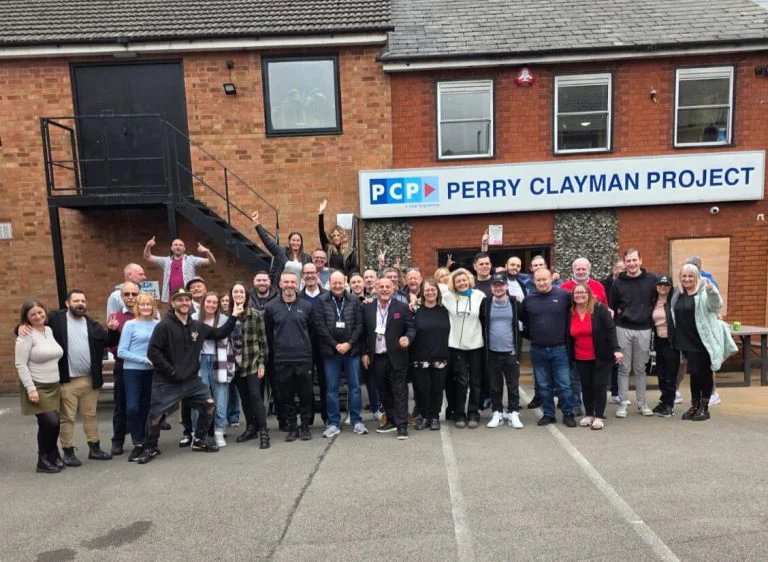
PCP is a private addiction treatment provider with residential centres across the UK, including our centre in Cardiff.
We provide treatment for drug and alcohol addiction, starting with a medically supervised detox with our doctors and nurses on site 24 hours a day to manage withdrawal safely.
After detox, residential treatment gives you space away from everyday pressures, with one-to-one and group therapy to help you understand your kratom use. Every stay also includes 12 months of free aftercare.
The first step is a free, confidential assessment over the phone, and admission can be arranged within 24 hours if you need support quickly. A call can also be a chance to ask any questions you may have, like how much drug rehab costs in the UK or how to find help for someone you care about.
What is kratom mostly used for?
People report using kratom for energy and pain relief, and some use it to manage low mood or withdrawal from opioids; however, it isn’t approved as a medicine for any of these uses.
How long does kratom withdrawal last?
There’s little research on this, but the limited evidence suggests symptoms in regular users usually last one to three days. Heavier kratom use has been linked to more severe symptoms.
Can kratom damage your liver?
Liver damage is the best-documented serious risk of kratom, with symptoms usually presenting within one to eight weeks of starting regular use. Yellowing skin or dark urine are reasons to see a doctor.
Is kratom safer than opioids?
No, kratom isn’t a safe alternative to opioids, as heavy use can lead to dependence and withdrawal. In rare cases, kratom use also leads to overdose and death, with the risk being higher with concentrated products or when kratom is mixed with other drugs.
Andy's journey in psychology and substance recovery is marked by significant educational and professional achievements. He studied person-centred counselling, gained insights from psychological literature, and completed an online course on the mind. His hands-on experience includes volunteering at a drug and alcohol clinic and earning a diploma in child adverse experiences. Andy holds a first-class honours degree in Psychology with Substance Use and Misuse. Professionally, he has contributed as a Lived Experience Coordinator and counsellor, offering hope and empowerment to those in recovery.
Qualifications and Experience:
Introductory Course in Person Centred Counselling
Extensive study of psychological literature (including Carl Rogers and Freud)
Online course completion on the Mind from UCT
OCN peer mentoring course
Level 3 diploma in child adverse experiences
First-class honours degree in Psychology with Substance Use and Misuse
Experienced Lived Experience Coordinator for Probation, Dependency and Recovery service

Dr Otulana is PCP’s longest-serving doctor. He is an experienced Physician with Specialist Interest in Substance Misuse Management and he has a wide range of experience in the assessment and management (including detoxification) of clients with various drug and substance addiction problems. Dr Otulana started practising as a doctor in 2000 and with over 10 years as an Addiction Physician. He is an Advanced Addiction Practitioner Member of Addiction Professionals and also holds the Certificate in Clinical Psychopharmacology (Part 1) of the British Association for Psychopharmacology. He is additionally a strong healthcare services professional with a Master of Business Administration (M.B.A.) degree from Cambridge University Judge Business School.
| Cookie | Duration | Description |
|---|---|---|
| cookielawinfo-checkbox-analytics | 11 months | This cookie is set by GDPR Cookie Consent plugin. The cookie is used to store the user consent for the cookies in the category "Analytics". |
| cookielawinfo-checkbox-functional | 11 months | The cookie is set by GDPR cookie consent to record the user consent for the cookies in the category "Functional". |
| cookielawinfo-checkbox-necessary | 11 months | This cookie is set by GDPR Cookie Consent plugin. The cookies is used to store the user consent for the cookies in the category "Necessary". |
| cookielawinfo-checkbox-others | 11 months | This cookie is set by GDPR Cookie Consent plugin. The cookie is used to store the user consent for the cookies in the category "Other. |
| cookielawinfo-checkbox-performance | 11 months | This cookie is set by GDPR Cookie Consent plugin. The cookie is used to store the user consent for the cookies in the category "Performance". |
| viewed_cookie_policy | 11 months | The cookie is set by the GDPR Cookie Consent plugin and is used to store whether or not user has consented to the use of cookies. It does not store any personal data. |