
Addiction treatment costs in the UK

If you are looking into rehab, cost is probably one of the first things you have searched for. Sensible: it is the question most rehab websites go out of their way not to answer.

Here is the short version. Private residential rehab in the UK typically costs between £2,000 and £6,000 a week, depending on the provider, the level of medical care, and the accommodation.

At PCP, treatment costs £4,250 a week, with a two-week minimum stay at £8,500. A full 28-day programme is £12,500 at our Luton centre and £14,500 at our Cardiff centre.

The rest of this guide explains what those numbers include, why prices vary so much between providers, and what your options are if private treatment is out of reach.

Why we publish our prices

Most rehab providers make you phone up to find out what treatment costs. We think that is the wrong way round.

If you are supporting someone through addiction, you are already carrying enough uncertainty. Knowing the number upfront lets you work out what is realistic before you speak to anyone.

We have been running residential rehab since 2005, when our Luton centre opened as our first site. In that time, the pattern has not changed: families do not abandon treatment because of the price itself, they abandon it because nobody would give them a straight answer about it.

How much does rehab cost in the UK?

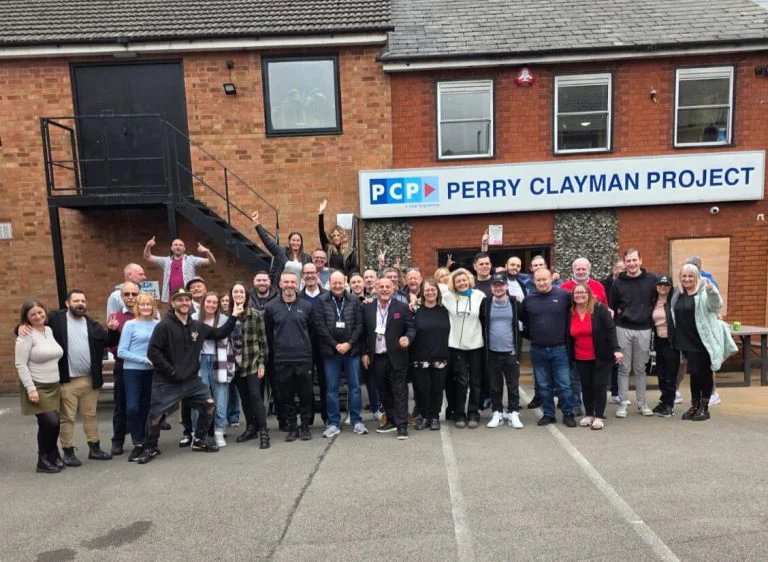
PCP sign - An alcohol and drug rehab clinic in Luton

Private residential rehab in the UK costs between £2,000 and £6,000 per week at most standard providers, with premium clinics charging considerably more. A 28-day programme typically falls between £8,000 and £18,000. NHS and community support is free but is usually outpatient, with waiting lists for funded residential places.

Here is how the market breaks down:

OptionTypical costWhat you get
NHS / community servicesFreeOutpatient support, prescribing, group work. Waiting lists. Funded residential places are rare
PCP residential£4,250 a week, £8,500 for two weeks, £12,500 for 28 days (Luton)Medical detox, en-suite accommodation, all meals, full therapy programme, free lifetime aftercare
Standard private residential£2,000 to £6,000 a weekVaries widely. Check what detox, therapy and aftercare are included
Premium and luxury clinics£10,000+ a week; Priory’s Transform 28 starts at £21,813Same clinical fundamentals with hotel-grade extras and higher staff ratios

The most useful question is not “what does rehab cost” but “what is included in the price”. Two quotes £2,000 apart can describe the same clinical care, or wildly different levels of it.

What does the price include at PCP?

Our weekly fee covers everything, not a base rate with clinical care billed on top.

That means a medically supervised alcohol detox or drug detox where needed, with 24-hour staffing and 13 on-site detox beds at Luton, including 5 rooms built for higher-intensity monitoring. Medication is available on-site through our Home Office Stock Licence.

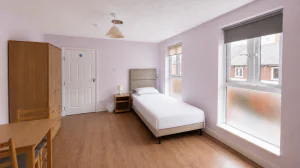
It also covers your room, three meals a day from our on-site chef, and the full therapy programme: one-to-one counselling, group therapy, CBT and 12 Step facilitation, plus art therapy, yoga and gym access.

Aftercare is free for life for everyone who completes a primary programme with us. Many providers charge separately for this, so it is worth asking any clinic you compare us against.

Payment plans are available. Call us on 08000 380 480 and we will talk you through them.

Addiction Rehab BBQ

Are there different types of rehab?

The type of treatment setting is the biggest driver of cost, so it helps to know the three broad categories before comparing quotes.

Residential inpatient rehab

You live at the clinic for the length of your programme, most commonly 14 to 28 days. You get 24/7 medical cover, a structured daily therapy timetable, accommodation and meals.

This is the recommended setting for moderate to severe dependence, anyone at risk of complex withdrawal, and people with co-occurring mental health needs. It is also the most effective route to lasting recovery for most people who need detox.

Residential care costs more because you are paying for round-the-clock clinical staffing, not just therapy hours.

Outpatient rehab

You live at home and attend scheduled sessions. Costs typically run from £600 to £1,200 a week with private providers, or £100 to £200 per individual session.

Outpatient treatment suits mild to moderate dependence where the home environment is stable and detox risk is low. Free outpatient support is also what the NHS route mostly offers, which we cover below.

Luxury residential rehab

Clinically, luxury rehab follows the same framework as standard residential treatment. The extra money buys privacy, premium accommodation and add-on therapies, with weekly fees from £10,000 upwards.

The clinical outcome depends on the programme and the people delivering it, not the thread count. Choose the setting a clinical assessment recommends, not the one with the best photography.

What other factors affect the cost of rehab?

  • Length of stay. A 28-day programme costs more than a 14-day stay, and some people clinically need 6 to 12 weeks. Length should be guided by assessment, not budget alone.
  • Whether detox is required. Medically supervised withdrawal adds clinical hours, monitoring and medication before therapy begins.
  • Room type. Private en-suite rooms cost more than shared rooms at most providers. Ask which your quote describes.
  • Location. London clinics carry London operating costs. Our London centre is the exception among our sites in a premium-cost area; providers outside the capital often deliver the same clinical care for less.
  • Clinical complexity. Co-occurring mental health conditions need additional expertise and time.
  • Staffing. Doctors, nurses and qualified therapists on-site cost more than visiting cover. It is also the thing most worth paying for.

Here are our live Google Reviews!

Kevin Wu
Kevin Wu
PCP was very good and the program was explained in depth and i feel good about the future. Andy, he is very passionate to help us and he is very knowledgable about addiction and especially recovery. From his experience we all have learned so much. Amanda is a kind and lovely lady, I have so much respect for her, the staff at PCP work so hard to make us feel safe. I am ready to leave as I have completed 3 months of treatment, I have gained so much and I feel ready to get my life back Thank you PCPxx
Alex Marion
Alex Marion
I cannot speak highly enough of the work done at PCP Luton. When my wife entered rehab, we were in a very dark place. We had suffered over a decade of chronic alcohol abuse, and she was declining rapidly. There didn't seem any hope for the future. After 12 weeks of work with Andy, Amanda and all of the staff, she was able to commit to the programme, understand her behaviour and rebuild herself. She has come out a new person, and we now have a future where anything is possible. Thanks, all of you
Mark Collyer
Mark Collyer
I have completed 3 months, I came in homeless and a broken man, PCP staff, Andy have helped me get my life back. I have a new home, and I'm 83 days clean and sober, I have tools to help me stay clean and sober. I can't thank PCP enough.
Jesse L
Jesse L
We wanted to write a review as parents, as our son was an addict and went to PCP Luton for his treatment. This has been a traumatic experience for all family members however the professionalism of staff has overwhelmed us enormously and we cannot thank them enough, they've guided us every step of the way their kindness and understanding has been invaluable. Although the participation of treatment was tough we are forever grateful towards the team members. Especially Andy Kalli and Amanda to name a few. They helped us immensely and we couldn`t have done it without them, they have continued to stay in contact with the entire family providing aftercare calls after his departure. The process has been extremely successful and although this has been a life changing experience, we still understand that there must be rigorous and diligent work on his behalf to be completed. We are thrilled and overjoyed to have our loving and exuberant son back, we are extremely obliged and deeply indebted to PCP and we will be forever grateful to the amazing team! Thank you!
James G
James G
I have just completed a 3 month residential programme at PCP and can't thank them enough. I have tried many times to get clean and sober and after spending a short time at PCP last year I decided to check in for 12 weeks. Andy Amanda and the team tailored a programme to suit my needs which included weekly support for my wife and family, helping them to understand addiction and supporting them through the process. I have attended daily 12 step meetings and have left treatment having completed the 12 steps working with a sponsor. I trusted myself to PCP and had to hand over my care to them and listen to what they were telling me I had to do to stay clean and sober.

PCP - Get help with your addiction to alcohol drugs gaming gambling codependency

Can you get rehab for free in the UK?

Yes. The NHS and local authority drug and alcohol services provide free addiction support, accessed through your GP or by self-referring to your local service. Support is mostly outpatient: assessment, keyworker sessions, group work and prescribing. Free residential placements exist but need a funding application, and waits of several months are common.

Community services are delivered by qualified professionals and are genuinely worth engaging with. The limitation is structural, not clinical: you remain in the environment where the addiction developed, and the intensity is lower than residential care.

We have a full guide to getting funding for drug rehab, including who qualifies for council-funded places and how the application works.

Peer support runs alongside all of this. AA, NA and SMART Recovery meetings are free, need no referral, and operate across the UK.

Is rehab covered by the NHS?

A person standing next to a question mark

The NHS covers addiction treatment, but residential rehab specifically is rarely NHS-funded. Most NHS support is community-based and outpatient. Residential placements are funded through local authority applications, usually reserved for complex or high-risk cases, and involve assessment and waiting periods. If you need residential treatment quickly, private admission is typically the only fast route.

Will private health insurance cover rehab?

Sometimes, and it depends entirely on your policy. Many insurers exclude pre-existing substance use, cap the length of stay, or fund detox and stabilisation but not a full residential programme.

Most require formal authorisation before admission, including confirmation that residential treatment is medically necessary. Check your policy wording before you rely on it, and if the wording is unclear, our team can help you work out what is actually covered.

Taking out a new policy after an addiction has developed will not usually unlock cover. Insurers review medical history before approving claims.

How much is a 28-day stay at the Priory?

Priory’s published price for its Transform 28 programme, a 28-day inpatient stay with therapy and 12 months of aftercare, starts at £21,813 (priorygroup.com, September 2026). Its premium London sites run far higher. A comparable 28-day residential programme at PCP Luton is £12,500, with medical detox, all meals and lifetime aftercare included.

Priory does excellent work, and for some people its hospital settings are the right clinical fit. But the gap between £21,813 and £12,500 is not a gap in the fundamentals of addiction treatment. It is largely a gap in brand and setting.

The main takeaways

  • Private residential rehab in the UK typically costs £2,000 to £6,000 a week; premium clinics charge £10,000+.
  • PCP charges £4,250 a week, £8,500 for the two-week minimum stay, and £12,500 for 28 days at Luton (£14,500 at Cardiff), with detox, meals, therapy and lifetime aftercare included.
  • Free NHS and community support exists and is worth using, but it is mostly outpatient and funded residential places involve long waits.
  • Insurance sometimes covers treatment; check your policy wording before counting on it.
  • The right setting is a clinical decision. A free, confidential assessment call will tell you what level of care fits, and exactly what it would cost, before you commit to anything.

If you want to talk through your situation, call us on 08000 380 480 at any time. The conversation is free, confidential, and carries no obligation.

Frequently asked questions

A standard 28-day private residential programme typically costs between £8,000 and £18,000, with premium providers charging over £21,000. At PCP, 28 days costs £12,500 at our Luton centre and £14,500 at Cardiff, including detox, accommodation, meals, therapy and aftercare.

Usually they cost the same. Pricing reflects the level of medical supervision and therapy required, not the substance. Severe alcohol dependence can add short-term cost where medical detox needs closer monitoring and medication.

PCP offers payment plan options so you can spread the cost of treatment. Terms are agreed during the admissions assessment. Across the industry this varies: some providers take instalments, others require full payment before admission, so always ask.

In some cases, yes. NHS or local authority services can fund a placement at a private residential clinic, but it requires a formal assessment, is generally reserved for complex or high-risk needs, and depends on local funding. Waits of several months are common.

Residential programmes most commonly run 14 to 28 days. PCP’s minimum stay is two weeks, and some people benefit from 6 to 12 weeks depending on risk level, relapse history and co-occurring conditions. The right length is set at clinical assessment.

For anyone needing medical detox or 24-hour support, residential care is often the clinically appropriate option, and it admits within 24 hours rather than months. The honest answer depends on your assessment. What we can promise is a clear price before you decide.

Rehab Today by PCP - Get help with your addiction to alcohol drugs gaming gambling codependency

Authors

  • Dr Olaekan Otulana

    Dr Otulana is PCP’s longest-serving doctor. He is an experienced Physician with Specialist Interest in Substance Misuse Management and he has a wide range of experience in the assessment and management (including detoxification) of clients with various drug and substance addiction problems. Dr Otulana started practising as a doctor in 2000 and with over 10 years as an Addiction Physician. He is an Advanced Addiction Practitioner Member of Addiction Professionals and also holds the Certificate in Clinical Psychopharmacology (Part 1) of the British Association for Psychopharmacology. He is additionally a strong healthcare services professional with a Master of Business Administration (M.B.A.) degree from Cambridge University Judge Business School.

    View all posts
  • Andy Kalli

    Andy's journey in psychology and substance recovery is marked by significant educational and professional achievements. He studied person-centred counselling, gained insights from psychological literature, and completed an online course on the mind. His hands-on experience includes volunteering at a drug and alcohol clinic and earning a diploma in child adverse experiences. Andy holds a first-class honours degree in Psychology with Substance Use and Misuse. Professionally, he has contributed as a Lived Experience Coordinator and counsellor, offering hope and empowerment to those in recovery.

    Qualifications and Experience:

    Introductory Course in Person Centred Counselling
    Extensive study of psychological literature (including Carl Rogers and Freud)
    Online course completion on the Mind from UCT
    OCN peer mentoring course
    Level 3 diploma in child adverse experiences
    First-class honours degree in Psychology with Substance Use and Misuse
    Experienced Lived Experience Coordinator for Probation, Dependency and Recovery service

    View all posts