






If you’re thinking about stopping drinking, it’s important to know that alcohol withdrawal can be dangerous without medical support.
Most people are safer detoxing under the care of a GP or specialist detoxing alcohol service, where symptoms can be monitored and treated quickly if they worsen.
This article examines the medical realities of alcohol detox at home, explains why withdrawal symptoms can become severe or even fatal without proper monitoring, and outlines safer alternatives that provide necessary medical supervision during the detox process.
Alcohol detox is the process of safely removing alcohol from the body after physical dependence has developed.
When someone with alcohol dependence stops drinking, their central nervous system must readjust to functioning without alcohol’s depressive effects. This adjustment period creates withdrawal symptoms that can range from uncomfortable to life threatening.
The detox process typically involves managing withdrawal symptoms while allowing the body to eliminate alcohol and begin healing.
However, this seemingly straightforward process becomes complicated by the neurological changes that occur with alcohol addiction.
Understanding the withdrawal timeline helps explain why medical supervision is crucial:
6-12 hours after last drink: Early withdrawal symptoms begin, including anxiety, tremors, sweating, and insomnia
12-24 hours: Risk of hallucinations without loss of awareness
24-48 hours: Peak risk period for withdrawal seizures
48-72 hours: Highest risk for delirium tremens, a potentially fatal complication
1-2 weeks: Milder physical withdrawal symptoms may persist
Weeks to months: Psychological symptoms and cravings can continue
There are important distinctions between different types of alcohol detox:
Unsupervised home detox involves attempting withdrawal without medical oversight, often called “going cold turkey” or self-tapering. This approach lacks access to prescribed medication, professional monitoring, or rapid intervention if complications arise.
Medically supervised detox provides professional healthcare oversight, whether in a medical facility or through structured home-based programs with clinical monitoring. This includes access to withdrawal medications, vital sign monitoring, and emergency protocols.
Medical detox in hospital or residential settings offers 24/7 medical supervision, intravenous medications, and immediate response to any complications.
Many people are drawn to alcohol home detox for understandable reasons: privacy, familiar surroundings, cost concerns, or long waiting times for professional treatment.
However, these perceived benefits are outweighed by serious safety risks for most people with moderate to severe alcohol dependence.
The appeal of staying in a familiar environment becomes dangerous when considering that alcohol withdrawal is among the most medically risky substance withdrawals.
Unlike opioid withdrawal, which is extremely uncomfortable but rarely fatal, alcohol withdrawal can cause seizures, cardiac complications, and delirium tremens that require immediate medical intervention.
The first withdrawal symptoms typically appear within hours of the last drink. These early physical withdrawal symptoms include:
Tremors in hands and limbs
Excessive sweating
Headaches and nausea
Anxiety and irritability
Insomnia and restlessness
Rapid heart rate and elevated blood pressure
Loss of appetite
Experiencing these symptoms during or after primary treatment can be challenging, and further support through a secondary programme may help strengthen long-term recovery.
While these symptoms may seem manageable, they often intensify and can escalate rapidly without proper medical assessment and monitoring.
As withdrawal progresses, symptoms typically become more severe and may include:
Pronounced tremors affecting speech and movement
Vomiting and difficulty keeping fluids down
Heightened anxiety and mood swings
Confusion and difficulty concentrating
Hallucinations (visual, auditory, or tactile) while maintaining awareness of reality
Profuse sweating and dehydration
Significant changes in blood pressure and heart rate
These moderate symptoms indicate the nervous system is struggling to rebalance without alcohol’s depressive effects.
The most dangerous withdrawal symptoms can be fatal without immediate medical intervention:
Withdrawal seizures occur in approximately 2-10% of people undergoing alcohol withdrawal. These generalised seizures typically happen 24-48 hours after the last drink and can occur in clusters. Any seizure during withdrawal constitutes a medical emergency.
Delirium tremens (DTs) represents the most severe form of alcohol withdrawal, developing in about 3-5% of cases. Dangerous withdrawal symptoms associated with DTs include:
Severe confusion and disorientation
High fever (often above 38.5°C)
Rapid heart rate and elevated blood pressure
Profuse sweating
Vivid hallucinations with agitation
Fluctuating consciousness
Severe tremors
Even with immediate medical treatment, delirium tremens carries a mortality risk of 1-4%. Without treatment, mortality rates can reach 37%.
Alcohol withdrawal causes rapid and potentially dangerous changes in vital signs. Blood pressure, heart rate, and temperature can fluctuate dramatically, sometimes within minutes.
Professional medical supervision provides continuous monitoring and immediate intervention when these changes occur.
At home, dangerous changes may go unnoticed until symptoms become severe. By the time someone recognises they need help, complications may already be life-threatening.
Seizures during alcohol withdrawal require immediate medical attention and often medication to prevent status epilepticus – a condition where seizures don’t stop naturally and can cause permanent brain damage or death.
Similarly, delirium tremens is a medical emergency that requires immediate hospitalisation and intensive medical management. The confusion and agitation associated with DTs means the person cannot advocate for themselves or seek help appropriately.
For less severe but still concerning alcohol withdrawal symptoms, such as hangover shakes, understanding their causes and management is important.
In home settings, the time between symptom onset and receiving appropriate medical care can mean the difference between survival and death.
Effective alcohol withdrawal management relies heavily on prescribed medication, particularly benzodiazepines like chlordiazepoxide or diazepam. These medications work by substituting for alcohol’s effects on the brain’s GABA system, allowing for a controlled, gradual withdrawal.
Professional detox protocols use specific medication regimens tailored to individual risk factors and symptom severity. Taking medication without medical supervision risks dangerous interactions, inappropriate dosing, or masking symptoms that require immediate intervention.
Alcohol withdrawal commonly causes vomiting, sweating, and poor oral intake, leading to rapid dehydration and electrolyte imbalances. These complications can cause cardiac arrhythmias, seizures, and kidney problems.
Professional medical supervision includes intravenous fluids when necessary and monitoring of electrolyte levels through blood tests. Home environments cannot provide this level of medical support.
When withdrawal symptoms become unbearable without medical management, many people return to drinking simply to stop the physical distress. Self-tapering is less likely to succeed for alcohol detox. Cravings for more alcohol often intensify when symptoms become hard to tolerate. This pattern of attempted detox followed by relapse can actually worsen subsequent withdrawal attempts through a phenomenon called “kindling.”
Professional medical supervision uses appropriate medications to make symptoms manageable, significantly improving the chances of successful completion.
Anyone attempting any form of detox should immediately call 999 or seek emergency care if they experience:
Any seizure or convulsion
Chest pain or difficulty breathing
Confusion, disorientation, or inability to recognise surroundings
High fever (above 38°C)
Severe vomiting preventing fluid intake
Hallucinations combined with agitation or fear
Thoughts of self-harm
Irregular or very rapid heartbeat
Most medical professionals strongly advise against unsupervised alcohol detox because proper risk assessment requires clinical expertise. A medical assessment evaluates multiple factors that determine whether any form of home-based withdrawal could be considered safe.
This initial assessment examines drinking patterns, medical history, previous withdrawal experiences, current health status, and social support systems. Only after this comprehensive evaluation can healthcare professionals determine the safest approach for each individual.
Healthcare professionals need detailed information about alcohol use patterns, including:
How much alcohol is consumed daily
Duration of heavy drinking periods
Previous attempts to quit or reduce drinking
Any history of withdrawal seizures, DTs, or other severe symptoms
Periods of abstinence and what triggered relapse
This history helps predict withdrawal severity and identifies people at highest risk for dangerous complications.
Several medical conditions make alcohol withdrawal particularly dangerous:
Physical health contraindications:
Liver disease or abnormal liver function
Heart conditions, particularly arrhythmias
History of seizures from any cause
Diabetes or blood sugar instability
Severe lung disease
Kidney problems
Mental health risk factors:
Depression with suicidal thoughts
History of psychosis or severe mental illness
Severe anxiety disorders
Previous suicide attempts
Current use of psychiatric medications that may interact with withdrawal
Certain circumstances make any form of home-based detox inappropriate:
Daily consumption of very large amounts of alcohol (specific thresholds vary but generally above 15-20 units daily for extended periods)
Previous episodes of withdrawal seizures or delirium tremens, as this can increase the risk of more severe symptoms and means home detox should not be attempted
Serious medical conditions affecting heart, liver, or lung function
Pregnancy
Current use of sedative medications alongside alcohol
Lack of reliable support person available 24/7
History of self-harm during previous withdrawal attempts
Unstable housing or domestic violence situations
When home detox is deemed unsafe, healthcare professionals can discuss different treatment options and help access appropriate services. This might include:
Referral to NHS community alcohol teams
Outpatient medically supervised detox programmes
Inpatient detox facilities for higher-risk cases
Interim support services while waiting for treatment
The goal is ensuring everyone receives care appropriate to their level of risk, whether through NHS support, outpatient care, or private treatment, rather than attempting unsafe withdrawal methods.
Medical supervision during alcohol withdrawal dramatically improves safety outcomes by providing:
Continuous monitoring of vital signs and mental state
Immediate access to life-saving interventions
Appropriate medication management
Nutritional support and hydration management
Rapid response to complications
Studies show that medically supervised withdrawal has significantly lower mortality rates compared to unsupervised attempts, particularly for people with moderate to severe alcohol dependency.
Professional detox protocols typically involve:
Benzodiazepines: Usually chlordiazepoxide or diazepam, carefully dosed based on withdrawal severity scales and individual factors. These medications prevent seizures and reduce withdrawal discomfort.
Thiamine (Vitamin B1): High-dose thiamine prevents Wernicke’s encephalopathy, a potentially fatal brain condition common in alcohol dependence.
Additional medications: As needed for specific symptoms or complications, such as anti-nausea medications, blood pressure medications, or treatments for underlying medical conditions.
Qualified healthcare professionals adjust medication timing and dosing based on ongoing assessment, something impossible to replicate safely at home. For those seeking affordable, high-quality alcohol detox and rehab services under medical supervision, accredited facilities are available in the UK.
Professional supervision includes regular monitoring of:
Blood pressure and heart rate
Temperature and respiratory rate
Mental state and cognitive function
Hydration status and urine output
Blood sugar levels
Electrolyte balance through blood tests
This monitoring allows for immediate intervention when dangerous changes occur and ensures medications are working effectively.
Medical supervision provides environmental safety through:
Removal of potential self-harm items
24/7 staffing trained in emergency response
Quiet, controlled environment that minimises overstimulation
Access to nutritional support and proper hydration
Connection to ongoing treatment services
While some healthcare systems offer supervised home-based withdrawal for carefully selected low-risk individuals, this approach has significant limitations:
Cannot provide the same level of continuous monitoring as inpatient care
Relies on family members or friends to observe and report changes
May not have immediate access to emergency interventions
Generally reserved only for people with mild dependence and strong support systems
For anyone with moderate to severe alcohol dependence, inpatient or intensive outpatient supervision provides necessary safety levels.
The NHS provides several pathways for safer alcohol withdrawal:
Community alcohol teams offer specialist assessment, outpatient detox programmes, and ongoing support. These teams include addiction specialists, nurses, and support workers who can coordinate appropriate care levels.
GP-led community detox may be appropriate for lower-risk individuals with strong support systems. This involves regular medical monitoring, prescribed medications, and clear protocols for escalating care if needed.
Crisis support services provide immediate help for people experiencing withdrawal complications or needing urgent assessment.
Residential medical detox, sometimes described as an alcohol detox centre, provides the highest level of safety and is appropriate for:
People with previous withdrawal complications
Those with serious medical or mental health conditions
Individuals without adequate social support
Cases involving very heavy alcohol use
Situations where outpatient detox has previously failed
Inpatient facilities provide 24/7 medical supervision, immediate access to emergency care, and controlled environments that minimise withdrawal triggers.
Professional services provide comprehensive support including:
Medical monitoring: Continuous assessment and intervention as needed
Nutritional support: Addressing deficiencies common in alcohol dependence
Mental health support: Counselling and psychiatric care for underlying conditions
Family involvement: Education and support for family members
Peer support: Connection with others in recovery
Practical assistance: Help with housing, benefits, and other practical needs
Detox is the first step in the recovery journey, but it does not address the underlying psychological, social, and behavioural aspects of alcohol addiction. Without ongoing support, relapse rates remain extremely high.
Effective addiction treatment typically includes:
Cognitive behavioural therapy: Helping identify and change thought patterns that lead to drinking
Medications: Such as acamprosate or naltrexone to reduce cravings and prevent relapse
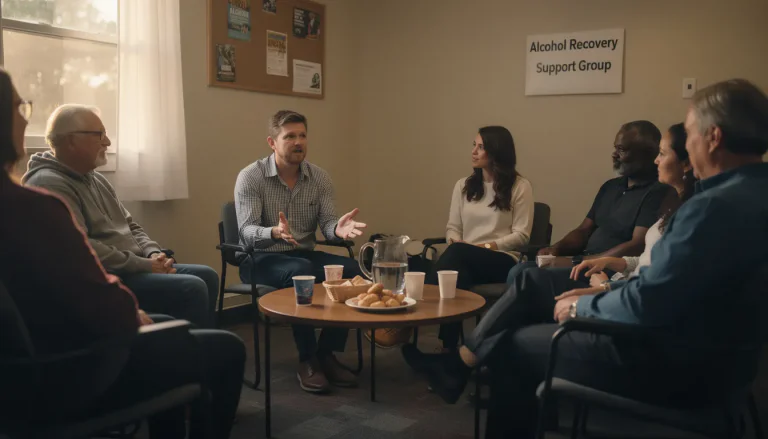
Support groups: Peer support through groups like Alcoholics Anonymous or smart recovery
Lifestyle changes: Developing new routines, hobbies, and social connections
Ongoing medical care: Monitoring physical health recovery and mental state
Relapse prevention planning: Identifying triggers and developing coping strategies to help build and maintain an alcohol free life
Many people focus intensely on getting through the detox process without considering what comes next. However, detox alone rarely leads to long-term recovery. The physical withdrawal is just the beginning of a longer recovery journey that addresses the psychological, social, and behavioural aspects of alcohol misuse.
Planning for post-detox support before beginning withdrawal significantly improves long-term outcomes. This might include arranging counselling, joining support groups, considering relapse prevention medications, or making environmental changes that support sobriety.
Even people with seemingly mild alcohol dependency can experience unpredictable withdrawal complications. The safest approach involves at least some level of medical oversight, whether through:
Initial medical assessment to determine risk level
Regular check-ins with healthcare providers during withdrawal
Clear protocols for seeking help if symptoms worsen
Access to prescribed medications if needed
The peace of mind and safety provided by professional guidance far outweighs any perceived inconvenience or cost.
Family members and friends can provide valuable emotional support during withdrawal, but they need proper education about:
Warning signs that require immediate medical attention
How to provide supportive but not enabling assistance
Understanding that withdrawal symptoms are medical issues, not character flaws
When and how to seek emergency help
The importance of removing alcohol from the environment
Supporting long-term recovery beyond just the detox period
Professional services often provide family education as part of their programmes.
Anyone supporting someone through alcoholism withdrawal should immediately call emergency services if the person experiences:
Any seizure or loss of consciousness
Severe confusion or disorientation
High fever or signs of serious illness
Chest pain or difficulty breathing
Vomiting that prevents keeping fluids down
Thoughts of self-harm or suicide
Extreme agitation or aggressive behaviour
When in doubt, it’s always safer to seek immediate medical help rather than wait to see if symptoms improve.
The medical evidence clearly shows that supervised withdrawal is safer than unsupervised attempts for the vast majority of people with alcohol dependence. This isn’t about personal strength or determination – it’s about managing genuine medical risks that can be life threatening.
Professional support also significantly improves the chances of successful completion and connection to ongoing treatment. The goal isn’t just surviving withdrawal but setting the foundation for long-term recovery and health.
For most people with alcohol dependence, unsupervised alcohol detox at home is not safe. Alcohol withdrawal can cause life threatening complications including seizures and delirium tremens, even in people who haven’t experienced severe symptoms before.
Some healthcare systems offer supervised home alcohol detox service programmes for carefully selected low-risk individuals, but these involve regular medical monitoring, prescribed medication, and immediate access to emergency care. The safest approach for most people is medically supervised detox either as an inpatient or through intensive outpatient programmes.
Gradually reducing alcohol consumption rather than stopping suddenly may reduce withdrawal severity for some people, but this approach has significant limitations. For many people with alcohol dependency, seeking alcohol detox under medical supervision is recommended, as self-directed tapering requires precise control over alcohol intake, which can be extremely difficult.
Medical professionals typically prefer supervised withdrawal using prescribed medications rather than tapering with alcohol, as pharmaceutical approaches provide more predictable and safer outcomes. Anyone considering tapering should discuss this with a healthcare provider first, as medical assessment can determine whether this approach might be appropriate and safe.
Seek immediate medical attention (call 999) if experiencing:
Any seizure or convulsion
Confusion, disorientation, or memory problems
High fever or severe sweating with rapid heartbeat
Hallucinations, especially with agitation
Severe vomiting preventing fluid intake
Chest pain or difficulty breathing
Thoughts of self-harm
Contact a healthcare provider urgently for persistent severe symptoms like uncontrollable tremors, inability to sleep for multiple days, or symptoms that worsen rather than improve after 24-48 hours.
The acute physical withdrawal symptoms typically last 5-7 days, with symptoms usually peaking 48-72 hours after the last drink. However, the complete detox process varies significantly between individuals based on:
Duration and intensity of previous alcohol use
Overall physical health
Previous withdrawal experiences
Whether medical supervision and medication are provided
Some people experience milder symptoms for 1-2 weeks, while psychological symptoms like anxiety, mood swings, and sleep disturbances can persist for weeks or months. Professional treatment programmes typically plan for 7-10 days of acute care followed by ongoing support.
Comprehensive recovery support typically includes:
Medical follow-up: Monitoring physical health recovery and considering relapse prevention medications
Counselling services: Individual therapy, group sessions, and specialised addiction treatment
Peer support: Alcoholics Anonymous, Smart Recovery, or other mutual aid groups
Mental health support: Treatment for depression, anxiety, or other underlying conditions
Social services: Help with housing, employment, benefits, and family relationships
Ongoing monitoring: Regular check-ins to prevent relapse and address emerging issues
NHS community alcohol teams, private treatment providers, and charitable organisations all offer various levels of ongoing support. The key is connecting with services before completing detox to ensure continuity of care and maximise chances of long-term recovery success.
Most people benefit from staying engaged with some form of professional support for at least the first year of recovery, as this period carries the highest risk of relapse. The specific combination of services depends on individual needs, personal circumstances, and local availability.
| Cookie | Duration | Description |
|---|---|---|
| cookielawinfo-checkbox-analytics | 11 months | This cookie is set by GDPR Cookie Consent plugin. The cookie is used to store the user consent for the cookies in the category "Analytics". |
| cookielawinfo-checkbox-functional | 11 months | The cookie is set by GDPR cookie consent to record the user consent for the cookies in the category "Functional". |
| cookielawinfo-checkbox-necessary | 11 months | This cookie is set by GDPR Cookie Consent plugin. The cookies is used to store the user consent for the cookies in the category "Necessary". |
| cookielawinfo-checkbox-others | 11 months | This cookie is set by GDPR Cookie Consent plugin. The cookie is used to store the user consent for the cookies in the category "Other. |
| cookielawinfo-checkbox-performance | 11 months | This cookie is set by GDPR Cookie Consent plugin. The cookie is used to store the user consent for the cookies in the category "Performance". |
| viewed_cookie_policy | 11 months | The cookie is set by the GDPR Cookie Consent plugin and is used to store whether or not user has consented to the use of cookies. It does not store any personal data. |