Clonazepam is a highly effective medication that can stop seizures and ease anxiety, but it isn’t a drug meant to be taken long term. Taken for any longer than what your prescriber suggests and you could be leaving the door wide open for your body and mind to become dependent on it.
This means that even cutting down can become difficult and stopping too quickly can cause dangerous side effects. If you’ve experienced this, it’s something you must discuss with a medical professional.
This page explains everything to do with clonazepam addiction, including how the drug works on your body, the signs to watch out for, how to stop clonazepam safely, but most importantly, how you can access the care you need.
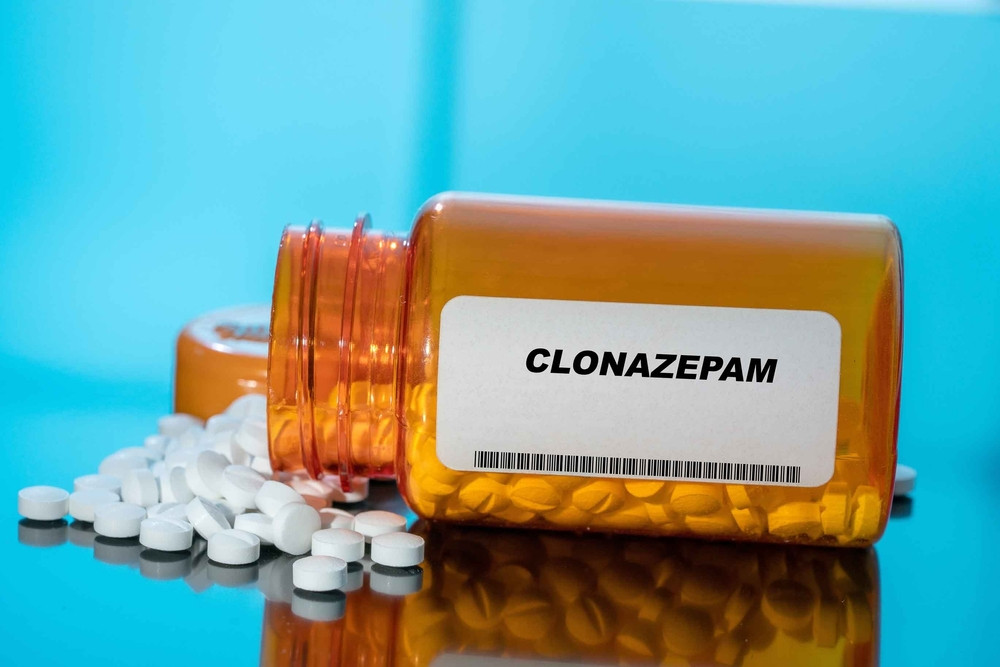
Clonazepam is a prescription medication in the benzodiazepine class, and in some countries it is sold under the brand name klonopin or as Rivotril. In the UK, it is only legal to use when prescribed by a healthcare professional, and it is a controlled substance used to control seizures caused by epilepsy, as well as involuntary muscle spasms.
It is also commonly prescribed for seizure disorders and used for anxiety disorders and panic attacks, although its UK licence only covers epilepsy and other seizure conditions.
It works by boosting a calming chemical in your brain called GABA (gamma-aminobutyric acid). GABA’s job is to tell your nerve cells to slow down or stop firing, which is why clonazepam can ease anxiety and stop seizures.
Clonazepam is also long-acting, meaning it stays active in your body for a long time, and this plays a big part in what happens when you try to stop.
Clonazepam can be addictive, and regular use can lead to physical dependence, with the risk rising the longer you take it and the higher your dose becomes. If you only take it for 2 to 4 weeks, addiction is unlikely, but past that point, both your body and mind can come to depend on it.
Anyone who takes clonazepam regularly can become dependent, but some risk factors make problems more likely, including prolonged use, larger doses, and mental health issues. If you’ve ever had problems with alcohol or drugs, or were first prescribed it for panic or anxiety, that history matters too, as anxiety problems are linked to a higher degree of dependency.
Long-term prescriptions add to the risk, and they’re more common than you might think. In 2017 to 2018, 1.4 million adults in England (3%) were prescribed a benzodiazepine, and 120,000 people had been prescribed one continuously from April 2015 to March 2018. Benzodiazepine misuse affects 7.7% of the UK population. That’s 120,000 people taking a medicine meant for a few weeks for around three years.
Clonazepam addiction can develop even when you’ve only ever taken it as prescribed, with dependence possible on low doses taken over months or years. Below, we look at the warning signs to watch for in yourself and in someone you love.
Clonazepam slows your brain down, so at high doses or over long periods, you may start to notice signs like:
Daytime drowsiness
Dizziness
Poor concentration
Muscle weakness
Slurred speech
Poor coordination
It can affect your memory too, even at the doses used for anxiety, and longer-term use may also lead to cognitive impairment. Some long-term users also describe feeling emotionally numb, which is sometimes called “emotional anaesthesia”, where it’s hard to feel pleasure or pain at all, as well as mood swings.
Dependence can also change the role clonazepam plays in your day-to-day life, and behavioural warning signs can include continuing to take it despite negative consequences. For example, you might notice yourself:
Needing it to get through normal daily activities
Still taking it after the reason for your prescription has passed
Struggling to cut down because of withdrawal symptoms
Contacting your doctor regularly for repeat prescriptions
Feeling anxious if your next prescription isn’t readily available, or needing more over time to get the same effects, which can point to tolerance and clonazepam dependency
If any of these sound familiar, speak to your GP before you make any changes to your dose, as stopping clonazepam suddenly can be dangerous.
It’s never easy to spot the signs of clonazepam addiction in someone else, largely because the signs from your point of view can easily be passed off as a bad day, or a bad mood.
This means it’s important to be aware of the behavioural signs of clonazepam addiction, especially if you know they’ve been prescribed it.
For example, you might notice them becoming more irritable or argumentative than they usually are if they’ve been taking clonazepam over extended periods. They may also seem emotionally flat or have noticeable mood swings, and many former long-term users later regret how little emotion they showed their children and partners while on the drug.
You might also spot some of the physical signs, like drowsiness during the day or slurred speech.
Clonazepam slows down your central nervous system, and many of the dangers of misusing it come from mixing it with alcohol or opioids, which are central nervous system depressants that can dangerously intensify its effects. Combining it with other benzodiazepines or other substances can further raise the risk of a life-threatening overdose. Pills bought without a prescription carry their own risk too, as they may contain dangerously potent other drugs in place of what you thought you were buying.
Opioids and benzodiazepines can both slow your breathing, and when they’re taken together, those effects add up and raise the risk of coma and death. The risk is serious enough that the MHRA advises doctors to only prescribe the two together when there’s no alternative.
This reminder came in 2020, following a coroner’s report into a man whose breathing stopped after he was given clonazepam and methadone, among other drugs.
Taken on its own, a clonazepam overdose is seldom life-threatening, but it can still lead to a coma or cause your breathing to stop. The amount that causes an overdose varies from person to person, so it’s worth knowing the signs:
Feeling sleepy
Poor coordination
Trouble speaking
A slow heartbeat
An irregular heartbeat
Uncontrolled eye movements
Muscle weakness
Feeling overexcited
If you’ve taken more than your prescribed dose, the signs of overdose need immediate medical attention, especially if clonazepam was taken with alcohol or other drugs, so contact NHS 111 for advice straight away. If you need to go to A&E, don’t drive yourself, and instead ask someone to take you or call 999 for an ambulance.
Clonazepam bought without a prescription may not be clonazepam at all, as illicit pills sold as benzodiazepines can contain dangerously potent drugs like etizolam and flubromazolam. In 2020, Public Health England warned that these “street benzos” were causing hospitalisations and deaths in the UK.
The drugs inside these pills keep changing, with the WEDINOS testing service in Wales finding that ethylbromazolam overtook bromazolam as the dominant novel benzodiazepine in 2025 to 2026. So when you buy clonazepam online, there’s no way of knowing what a pill really contains, or how strong it is.
There’s no simple answer to which is more addictive, but how long each one lasts in your body and how strong it is can help explain how they differ.
| Clonazepam | Xanax (alprazolam) | Diazepam (Valium) | |
|---|---|---|---|
| Half-life | 18 to 50 hours1 | 6 to 12 hours1 | 20 to 100 hours1 |
| Type | Long-acting5 | Short-acting6 | Long-acting5 |
| Roughly equal dose | 0.5 mg1 | 0.5 mg1 | 10 mg1 |
| When withdrawal can start | Up to 3 weeks after stopping6 | Can start within a day of stopping6 | Up to 3 weeks after stopping6 |
Clonazepam and Xanax are close in strength, but Xanax is short-acting and leaves your body much faster. This can leave people anxious between doses or craving the next one.
Prolonged use can lead to physical dependence, which is why clonazepam withdrawal can happen after you stop or cut down. That’s why the NHS is clear that you shouldn’t stop taking clonazepam without talking to a doctor first.
Because clonazepam is long-acting, withdrawal may start at any time up to 3 weeks after you stop. So feeling fine in the first few days is no guarantee it won’t come.
Acute withdrawal symptoms may begin days after the last dose, while some people later experience post-acute withdrawal syndrome with lingering psychological symptoms.
As your body adjusts to being without clonazepam, you may experience withdrawal involving both physical withdrawal symptoms and psychological symptoms like:
Anxiety
Restlessness
Irritability
Tremor
Sweating
Headaches
Muscle pain
Sleep problems
Confusion
Depression
Diarrhoea
These specific symptoms and other physical symptoms can vary in severity from person to person.
In more severe cases, withdrawal can cause hallucinations or derealisation, where the world around you feels strange or unreal. Psychological symptoms can also include depression and suicidal thoughts. Some people also feel numbness or tingling in their hands and feet, or find light and noise much harder to tolerate.
Stopping clonazepam suddenly can trigger seizures, severe withdrawal symptoms, and should never happen without medical supervision, and withdrawal seizures generally happen in people who abruptly stop high doses. But even if you’ve only been taking it for a short time, clonazepam’s product guidance says it must still be reduced gradually because of the risk of status epilepticus.
Status epilepticus is a seizure that lasts a long time, and it’s a medical emergency that needs treating as soon as possible. If you take clonazepam for epilepsy, stopping too quickly can also make your epilepsy worse.
To get off clonazepam safely, detox should happen under medical supervision so clinicians can manage withdrawal symptoms as your dose comes down slowly, giving your body time to get used to being without it and lowering the chance of side effects. A medical detox period often lasts around 5-7 days, although the wider taper may take much longer. There are two main ways to do this, either by gradually reducing your clonazepam, or by switching to diazepam first and then reducing that.
Tapering means lowering your dose in small steps. For example, this might be a 5 to 10% reduction every 1 to 2 weeks, with the steps getting slower as your dose gets lower. You stay in control throughout, and the pace is set at a rate that suits you.
Coming off this way can take anywhere from 3 months to a year, or longer if you need it. If one step feels too hard, the advice is to wait a little longer before the next reduction, rather than going back up to a higher dose.
This should always be done under medical guidance and not something you should do on your own. Discuss with your provider before attempting to taper off clonazepam.
Diazepam is the medicine that’s preferred when switching from another benzodiazepine like clonazepam before a taper. It has a long half-life of 20 to 100 hours, which keeps the level of the drug in your blood steadier and avoids sharp rises and falls.
It also comes in a range of tablet strengths and as a liquid, so your dose can be lowered in very small amounts once it gets low. If you have liver problems, though, you’ll need specialist advice first, as diazepam may build up to toxic levels.
Again, this is something that should only be done with professional medical approval and guidance.
Coming off clonazepam through your GP can be an option if you have enough support around you and can be reviewed regularly, but some people may need more direct support through a medically supervised detox. Specialist advice or referral is suggested if you have:
A history of alcohol dependence
A history of drug dependence
A severe medical condition
A severe psychiatric disorder
A personality disorder
Had withdrawal seizures before
If you need more intensive support, detox can take place as a hospital inpatient, or you may be referred to a residential rehab service. A medical detox is usually the first step and should involve gradual tapering rather than stopping suddenly. Inpatient rehab can help with clonazepam dependency by addressing both physical withdrawal and the psychological aspects of addiction.
Effective treatment for clonazepam addiction should address both physical dependence and mental health, not just dose reduction, as coming off benzodiazepines also involves psychological support alongside the gradual reduction. Comprehensive treatment may include detox, therapy, and ongoing support.
Cognitive behavioural therapy helps you understand how your thoughts and feelings affect your behaviour. It can also make coming off clonazepam more achievable, with a Cochrane review finding that pairing CBT with a taper made people more likely to stop benzodiazepines than tapering alone. Therapy can also address underlying mental health issues that may have contributed to clonazepam use or self medication.
At PCP, you’ll have one-to-one counselling alongside group therapy, both delivered by experienced addiction therapists, and your programme can also include CBT and dialectical behaviour therapy.
Recovery carries on after rehab ends, and preventing relapse involves ongoing support to help you deal with the pressures in your life. Aftercare can also reduce relapse risk during post acute withdrawal syndrome, when psychological symptoms may come and go for weeks or longer. Some people also find support groups like Narcotics Anonymous or SMART Recovery helpful, and everyone who completes treatment at our London clinic is enrolled in our aftercare programme. Returning to a previous dose after a period off clonazepam can also carry a fatal overdose risk.
If you’re struggling with clonazepam addiction, you’re entitled to NHS treatment in the same way as anyone else with a health problem. Your GP can be a good place to start, as they can talk through what’s happening and will usually refer you to your local drug service.
If you’d rather not speak to your GP, you can contact your local drug treatment service yourself, where you’ll be given a keyworker to support you throughout your treatment. And if you’re having trouble finding the right help, you can call the FRANK drugs helpline on 0300 123 6600.
Charities and the NHS provide most drug treatment, but private providers can help too, although you’ll need to pay for this.
Clonazepam rehab means inpatient rehab where you come off the drug while living on site, so your detox and your therapy happen in the same place. At PCP, the first step is a free, confidential assessment over the phone. From there, we can arrange your admission within 24 hours, or on the same day where it’s clinically appropriate.
Your benzodiazepine detox is medically managed and usually involves a gradual taper, so your dose comes down safely rather than stopping all at once. Our in-house doctors and nurses supervise your detox 24 hours a day, 7 days a week, helping you manage withdrawal symptoms and monitoring for severe withdrawal symptoms during the taper, and our London centre is regulated by the Care Quality Commission.
If you’re worried about your own clonazepam use, or someone you love, contact PCP today and a member of our team will talk you through your options in confidence.
With daily use, tolerance can develop, so some people need higher doses to feel the same effects.1 Dependence can develop within a few weeks or months, and UK guidance recommends that benzodiazepines should only be taken for 2 to 4 weeks.1
The NHS advises against drinking any alcohol while you’re taking clonazepam, as it increases its side effects and can send you into a very deep sleep. In that state, you might not be able to breathe properly or wake up easily, and it can even lead to a coma.
Clonazepam has a long half-life of between 20 and 60 hours, which is how long it takes for the amount in your body to fall by half. Between 50 and 70% of a dose is passed in your urine within 4 to 10 days.
Milligram for milligram, clonazepam is far stronger than diazepam, with 250 micrograms of clonazepam roughly equal to 5 mg of diazepam. These equivalents are approximate and can vary between people.
| Cookie | Duration | Description |
|---|---|---|
| cookielawinfo-checkbox-analytics | 11 months | This cookie is set by GDPR Cookie Consent plugin. The cookie is used to store the user consent for the cookies in the category "Analytics". |
| cookielawinfo-checkbox-functional | 11 months | The cookie is set by GDPR cookie consent to record the user consent for the cookies in the category "Functional". |
| cookielawinfo-checkbox-necessary | 11 months | This cookie is set by GDPR Cookie Consent plugin. The cookies is used to store the user consent for the cookies in the category "Necessary". |
| cookielawinfo-checkbox-others | 11 months | This cookie is set by GDPR Cookie Consent plugin. The cookie is used to store the user consent for the cookies in the category "Other. |
| cookielawinfo-checkbox-performance | 11 months | This cookie is set by GDPR Cookie Consent plugin. The cookie is used to store the user consent for the cookies in the category "Performance". |
| viewed_cookie_policy | 11 months | The cookie is set by the GDPR Cookie Consent plugin and is used to store whether or not user has consented to the use of cookies. It does not store any personal data. |