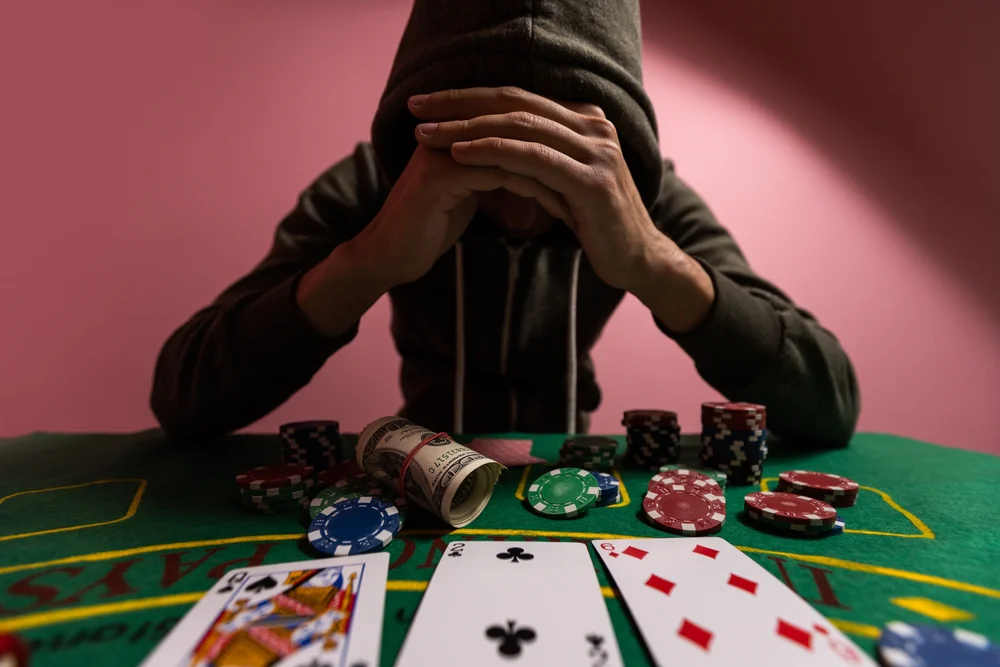
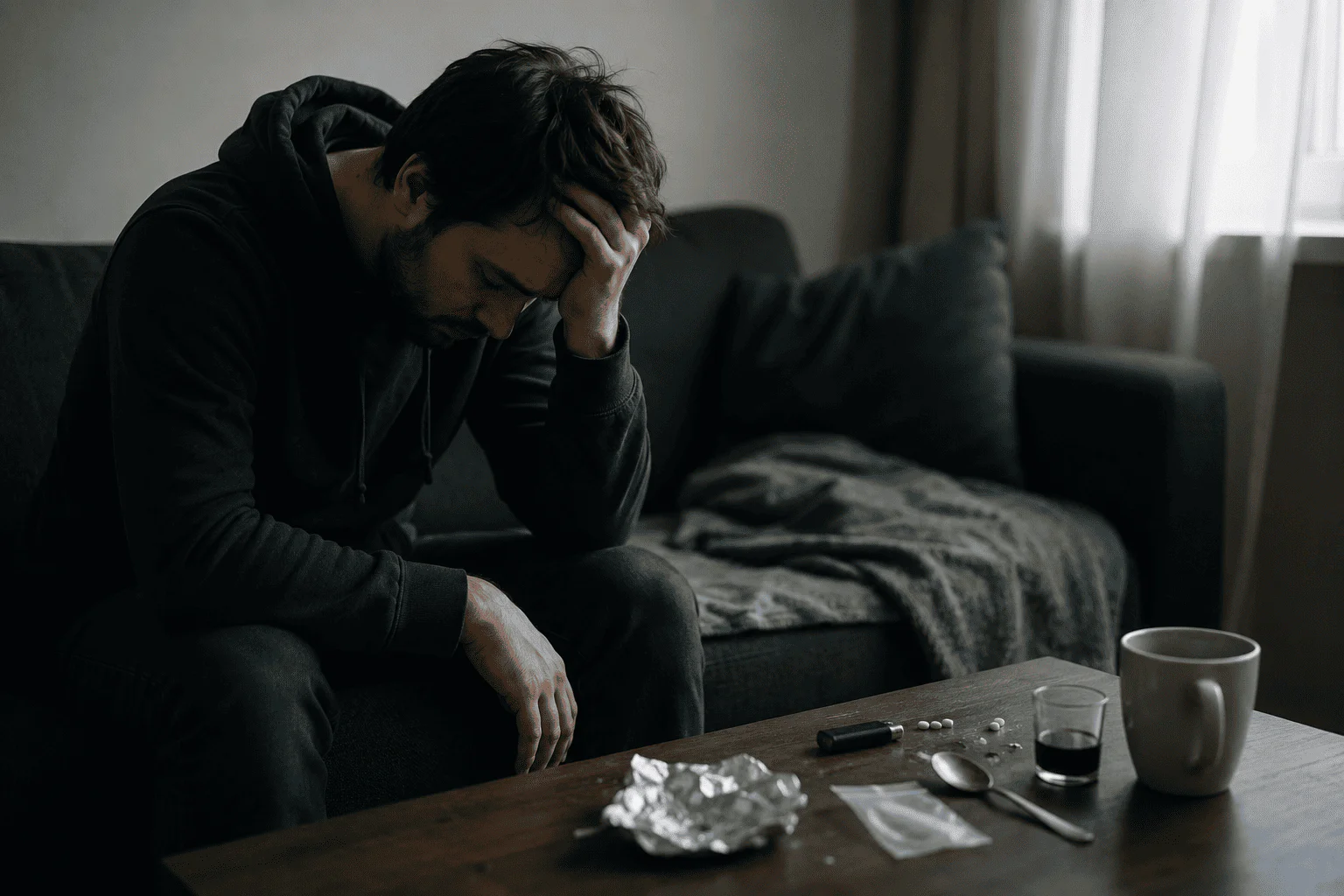
Dangers of gambling shown with an individual struggling

Gambling addiction is a recognised mental health condition that responds well to professional treatment. If you or someone you care about is struggling to stop gambling despite mounting consequences, effective evidence-based help is available through NHS services, charities and private providers across the UK.

Finally, Gambling Addiction Treatment Built for Real Recovery

If controlling gambling feels impossible, you’re experiencing something that affects approximately 430,000 adults in the UK. Gambling disorder, classified as a behavioural addiction in the Diagnostic and Statistical Manual of Mental Disorders by the American Psychiatric Association, changes brain chemistry in ways that make willpower alone insufficient for recovery.

The urge to gamble despite negative consequences isn’t a character flaw. Research demonstrates that gambling affects the brain’s reward pathways similarly to other addictions, creating compulsive patterns that require professional intervention to address effectively. Chasing losses, preoccupation with gambling opportunities, and failed attempts to stop gambling are clinical symptoms, not moral failings.

Evidence-based treatment approaches have proven highly effective for problem gambling. Cognitive behavioural therapy, counselling, group therapy and structured relapse prevention programmes help people regain control and rebuild their lives. Treatment addresses both the psychological drivers of compulsive gambling and practical consequences, including money problems, damaged relationships and mental health problems.

Multiple pathways to recovery exist in the UK. The National Gambling Treatment Service provides free specialist support, NHS gambling clinics offer assessment and treatment, and organisations like GamCare connect people with counselling and support groups. 

Private residential treatment offers intensive care for severe cases. The right treatment depends on personal circumstances, severity of gambling harm, and individual preferences.

The Benefits of One-To-One Counselling in Rehab Programmes
Alistair C
Alistair C
I felt safe and welcomed by the staff as soon as I walked through the door. I found the experience to be highly beneficial to both my mental and physical wellbeing. The room was extremely comfortable and the food was exceptional. I always had someone to talk to either during the day or through the night. I would recommended PCP Cardiff to those who are in need of help.
Peter D
Peter D
A very positive experience for me. Insightful treatment in a safe and supportive environment, with knowledgeable and compassionate staff. Excellent food too!
Matthew Cook
Matthew Cook
I can only describe my own experience as nothing but perfect. if I could rate it I would give pcp Cardiff 5 star all day long, all of the staff from the professionals, night staff, catering (which was very good)cleaners were all very professional any queries, questions or if you had an issue with anything were delt with swiftly and very private and confidential and PROFESSIONALLY all of the groups I attended were very informative I have learnt a lot from only 2 weeks in pcp Cardiff they are all amazing it's a clean tidy professional place I can only highly recommend this place. Matt. For ever greatful to you all at pcp Cardiff THANK YOU ALL.
John Hill
John Hill
Amazing, knowledgeable and caring staff who can’t do enough for you. They treat you with kindness, compassion and respect at all times. I would highly recommend to anyone that I know that would be in need of this service.
Dennis G
Dennis G
Couldn't ask for a better service. I would definitely recommend Pcp to anyone suffering from alcholism/addiction.

RehabToday by PCP - Get help with your addiction to alcohol drugs gaming gambling codependency

Why Gambling Addiction Treatment Works

Understanding why treatment succeeds begins with the neuroscience of gambling disorder. Repeated gambling behaviour alters dopamine signalling in the brain, creating tolerance (needing to spend gambling more money to achieve the same level of excitement) and withdrawal symptoms when attempting to stop. Treatment helps restore healthy brain function while building psychological skills to manage the urge to gamble.

CBT represents the gold standard treatment for gambling addiction, recommended by NICE with the strongest evidence base. CBT targets the cognitive distortions that maintain problem gambling, including beliefs about luck, illusions of control over random outcomes, and magical thinking about “due” wins. Through cognitive restructuring, people learn to identify and challenge these irrational thoughts, while behavioural techniques help manage triggers and postpone gambling urges. Clinical trials demonstrate significant reductions in gambling frequency and severity, with meta-analyses showing strong effect sizes.

Counselling provides personalised exploration of underlying factors driving gambling behaviour. Many problem gamblers have experienced trauma, struggle with low self-esteem, or use gambling to cope with stress, anxiety or boredom. Individual therapy helps develop healthier emotional regulation strategies and addresses co occurring conditions that may otherwise undermine recovery.

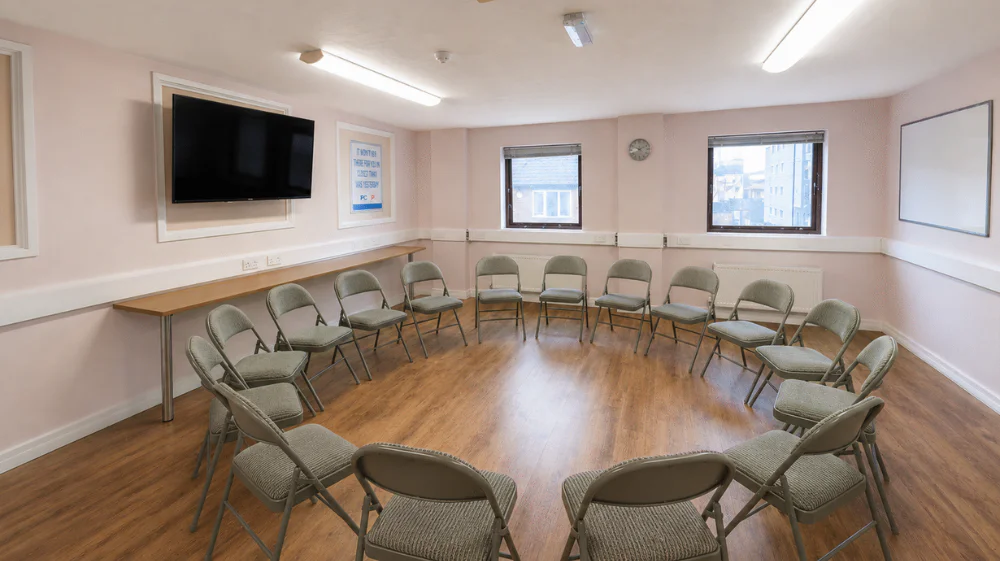
Group Therapy delivers powerful peer support that reduces isolation and reinforces accountability. Sharing experiences with others who understand gambling-related harm normalises the recovery journey and builds a communal safety net. Group formats enhance long-term abstinence by addressing the social reinforcement aspects of addiction. Participants learn trigger identification, practise coping skills together, and provide mutual encouragement to sustain changes.

Financial harm support addresses the practical devastation gambling causes. Debt counselling, budgeting workshops, and supervised money management help people rebuild fiscal stability. This may include reviewing credit card statements, creating repayment plans with creditors, and implementing safeguards to manage access to gambling funds. Addressing financial problems reduces the desperation that drives loss-chasing behaviour.

The Impact of Early Intervention on Addiction Treatment

"The staff were all fantastic, extremely knowledgeable and very caring. Would highly recommend'

How Gambling Addiction Treatment Works

Recovery follows a structured clinical pathway designed to achieve lasting a change within people.

Substance Abuse Counselling

Treatment begins with comprehensive clinical assessment by qualified addiction specialists. This typically includes diagnostic interviews using validated tools like the Problem Gambling Severity Index, evaluation of gambling severity, and screening for co-occurring mental health conditions. Research indicates that 50-60% of people with gambling disorder experience depression, and many have mood disorders, anxiety, or substance abuse issues requiring integrated treatment.

Assessment explores personal circumstances including family life, financial situation, employment, and social supports. Risk appraisal addresses suicidality, which is elevated significantly in gambling disorder. Based on this evaluation, clinicians develop a personalised treatment plan outlining therapy modalities, expected duration, and recovery goals. This collaborative approach ensures treatment matches individual needs and preferences.

The core treatment phase typically spans 8-12 weeks, though duration varies based on severity and treatment options chosen. Individual CBT sessions target gambling thoughts and behaviours through structured techniques including cognitive restructuring, behavioural experiments to test urges, and skill-building for coping with triggers.

Group therapy participation provides peer support and accountability. Many treatment programmes incorporate elements similar to Gamblers Anonymous, where participants confront denial and build supportive networks. Family therapy helps repair damaged relationships and involves family members in the recovery process, addressing how someone’s gambling has impacted family finances and family and friends.

Financial counselling runs alongside psychological treatment. Practical interventions may include helping people block gambling sites, implementing self exclusion from gambling venues, and developing sustainable approaches to managing money that sever enabling pathways.


Relapse prevention constitutes a dedicated treatment phase that substantially improves long-term outcomes. This involves trigger mapping to identify high-risk situations, whether proximity to gambling sites, emotional stressors, or social cues. Personalised response plans include distraction techniques, urge surfing strategies, and lifestyle restructuring through hobby substitution or exercise programmes.

Aftercare provides graduated community reintegration through step-down programmes, follow-up sessions, and connection to long-term support networks. This may include alumni groups, telehealth check-ins extending 6-12 months, and ongoing participation in support groups like Gamblers Anonymous meetings. Research shows that robust aftercare significantly reduces relapse rates, with combined approaches lowering recidivism by up to 50%.

What Makes Effective Treatment Different

Individual going through private ketamine addiction treatment

Quality gambling addiction treatment is distinguished by several key factors that influence outcomes.

Evidence-based therapies delivered by qualified specialists ensure treatment efficacy. Look for therapists with relevant qualifications such as BABCP-accredited CBT training, HCPC registration for psychologists, or BACP membership for counsellors. Addiction specialists may hold Royal College of Psychiatrists certification. These credentials indicate training in approaches with demonstrated effectiveness for gambling disorder.

Integrated treatment addressing gambling alongside mental health conditions recognises that gambling addiction rarely exists in isolation. Co occurring conditions including depression, anxiety, and other behavioural addictions or substance use disorders require coordinated care. Treating gambling alone while ignoring underlying mental disorders often leads to poorer outcomes.

Regulatory oversight provides important safeguards. In the UK, residential treatment facilities should be CQC-registered, with inspections mandating audit trails and outcome tracking via validated scales. This ensures accountability and quality standards.

Focus on sustainable recovery distinguishes ethical treatment from quick fixes. Recovery from gambling disorder requires ongoing commitment and support, not simply a period of abstinence. Effective programmes prepare people for long-term management of their condition, not unrealistic promises of permanent cure.

Holistic care addresses the full impact of gambling related harm. This includes financial recovery support, relationship repair, social reintegration, and attention to physical health alongside psychological treatment.

"PCPs Gambling Treatment changed my life. I've progressed in my career and started a family. Thank You!"

Research Evidence and Recovery Outcomes

senior depressed man

Clinical evidence strongly supports treatment effectiveness for gambling addiction. Meta-analyses of randomised controlled trials demonstrate that CBT produces significant reductions in gambling behaviour, with effect sizes around 0.8, indicating substantial clinical benefit. Motivational interviewing components enhance engagement and treatment retention.

Treatment programmes report sustained recovery rates of 40-60% at one-year follow-up, with intensive residential programmes showing initial abstinence rates of 60-70% at discharge. Success depends heavily on completing treatment and engaging with aftercare. 

Unfortunately, dropout rates of 30-50% reduce overall effectiveness, highlighting the importance of addressing barriers to treatment completion.

NHS gambling clinics using structured CBT protocols demonstrate measurable improvements, with patients showing progression from pathological to low-risk scores on gambling severity indices. The National Gambling Treatment Service reported over 50,000 treatment episodes in 2023-2024, with a 40% increase in treatment completions linked to funding increases.

Long-term follow-up studies indicate that people who complete treatment and engage with ongoing support achieve sustained gambling cessation, restored relationships, debt resolution, and improved mental health. Recovery transforms not just gambling behaviour but overall quality of life.

Who Benefits from Gambling Addiction Treatment?

Adults experiencing loss of control over gambling despite recognising negative consequences are primary candidates for treatment. If you’ve tried unsuccessfully to stop gambling, find yourself preoccupied with gambling, or continue despite harm to finances, relationships, or wellbeing, professional help can make a significant difference.

Individuals with co-occurring mental health problems including depression, anxiety, or substance abuse often require integrated treatment addressing multiple conditions simultaneously. Gambling addiction frequently develops alongside other mental disorders, and treating one without addressing the other limits recovery prospects.

People facing financial crisis or relationship breakdown due to gambling benefit from comprehensive treatment addressing both the addiction and its consequences. Family life, employment, and social connections can all be rebuilt, but this requires addressing the underlying gambling problem alongside practical harm reduction.

Family members seeking support and guidance for loved ones with gambling problems can access help through organisations like GamCare, which provides resources for those affected by someone’s gambling. Understanding gambling as a mental health condition rather than a choice helps families respond more effectively.

Treatment is relevant across every age group, though risk factors and presentation may vary. Young people may require different approaches than older adults, and treatment should be tailored to personal circumstances.

Individual going through private ketamine addiction treatment

Accessing Gambling Addiction Treatment in the UK

Multiple pathways exist for accessing gambling addiction treatment, ranging from free NHS and charity services to private residential programmes.

NHS and Free Treatment Options

The National Gambling Treatment Service (NGTS) provides free specialist support across England, commissioned by the UK Gambling Commission and delivered through providers including Homerton Healthcare NHS Foundation Trust. Services range from brief advice to intensive residential care, all free at the point of use. Self-referral is available, or GPs can make referrals following assessment.

NHS gambling clinics operate in major UK cities, with seven dedicated specialist sites handling over 10,000 referrals annually. These clinics provide evidence-based CBT and counselling, with waiting times typically ranging from 4-12 weeks depending on demand and location.

GamCare operates as a frontline gateway to treatment, running the National Gambling Helpline (0808 8020 133) available 24/7, along with online chat and counselling services. GamCare supports approximately 100,000 contacts yearly and facilitates referrals to NHS clinics or other treatment options. Their services include counselling, support groups, and online resources helping people understand and address gambling harm.

Gamblers Anonymous provides free peer support through over 300 UK meetings weekly. Based on the 12-step model similar to Alcoholics Anonymous, GA meetings offer communal support for maintaining abstinence. An anonymous meeting can be a valuable first step or ongoing complement to professional treatment.

Additional support comes from local authority social services for financial crises, GP consultations for mental health assessment, and organisations like BeGambleAware providing information and helpline services.

Private Residential Treatment

pcp logo sign

Intensive residential programmes suit severe gambling addiction requiring 24/7 support and removal from environmental triggers. Private residential treatment offers structured, immersive environments spanning 28-90 days, with intensive daily therapy schedules delivered by multidisciplinary teams including psychologists, addiction psychiatrists, counsellors, nurses and peer mentors.

CQC-registered facilities provide medically supervised treatment with comprehensive programmes addressing gambling alongside co-occurring addictions. Advantages include removal from access to gambling, intensive therapeutic input, and structured environments that interrupt acute addiction cycles.

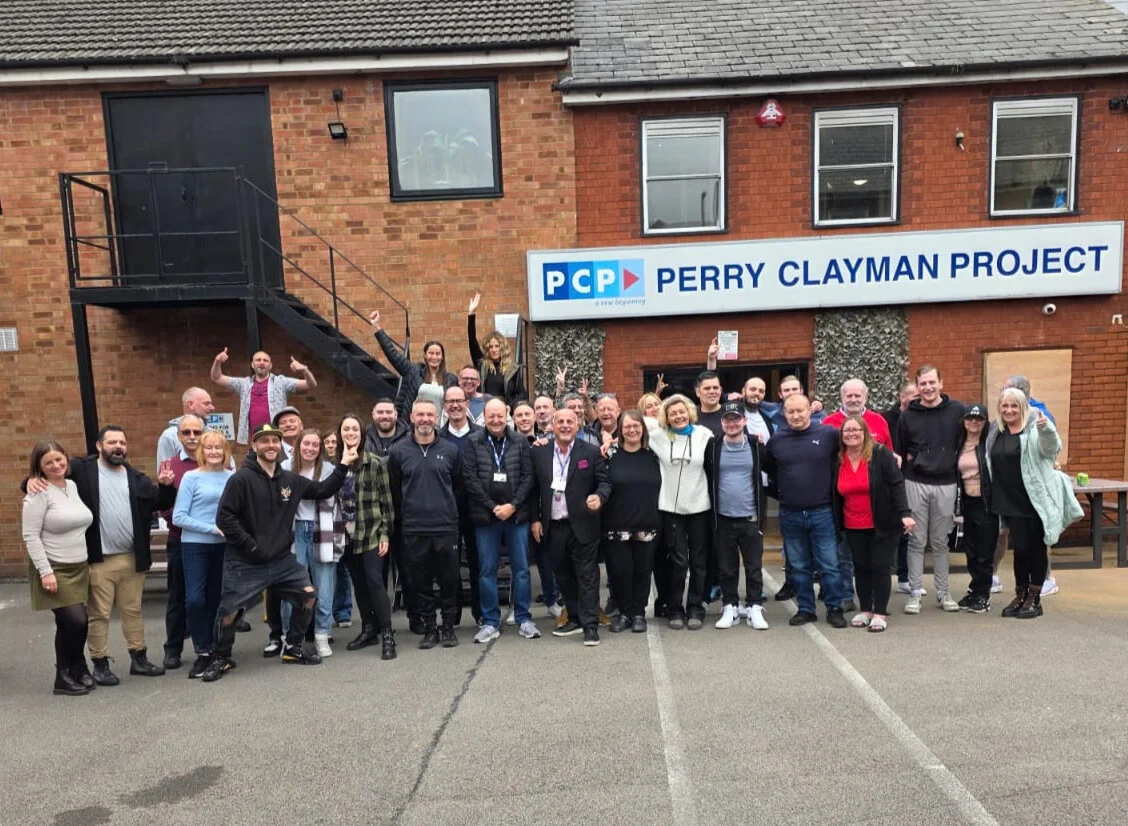
At PCP (The Perry Clayman Project), we specialise in providing expert private residential rehab and detox services across the UK, including tailored treatment for gambling addiction. Our clinics in locations such as Luton and Cardiff offer bespoke treatment plans with round-the-clock medical support, aftercare, and family support to help individuals regain control and rebuild their lives.

Private treatment costs typically range from £3,000-£10,000 weekly, making it accessible to perhaps 10-20% of those seeking help. While private pathways offer faster access without NHS waiting times, they should be considered as one option among many rather than necessarily superior to free services. NHS outpatient treatment achieves comparable long-term outcomes when fully utilised.

Frequently Asked Questions

Can gambling addiction really be treated successfully?

Yes. Gambling disorder responds well to professional treatment, with evidence showing sustained recovery rates of 40-60% at one year following completion of evidence-based programmes. Factors influencing outcomes include treatment completion, engagement with aftercare, addressing co occurring conditions, and building ongoing support networks. While recovery requires ongoing management, many people achieve lasting freedom from compulsive gambling and rebuild their lives successfully.

What therapies are most effective for gambling addiction?

Cognitive Behavioural Therapy (CBT) has the strongest research support and is recommended by NICE as the primary treatment for gambling addiction. CBT addresses the distorted thinking patterns that maintain problem gambling while building practical coping skills. Motivational interviewing enhances engagement and commitment to change. Mindfulness-based approaches help people manage urges without acting on them. Psychodynamic therapy may suit some individuals by exploring deeper psychological factors. Most effective treatment plans combine approaches based on individual needs.

Is NHS treatment available for gambling addiction?

Yes. NHS gambling addiction services are available across England through specialist gambling clinics and the National Gambling Treatment Service. Access is via GP referral or self-referral. Treatment is free at the point of use. Waiting times vary from 4-12 weeks depending on location and demand. While waiting, interim support is available through GamCare, Gamblers Anonymous, and self-help resources. Many people find starting with these supports helps prepare them for formal treatment.

Do I need residential rehab for gambling addiction?

Not necessarily. Residential rehabilitation suits severe cases where outpatient treatment has proven insufficient, where 24/7 support and removal from gambling triggers is clinically indicated, or where co-occurring conditions require intensive integrated care. Approximately 10-20% of people with gambling disorder need this level of intervention. Most people achieve good outcomes through outpatient CBT programmes, counselling, and support groups. A proper clinical assessment helps determine the appropriate treatment intensity based on your specific situation.

How long does gambling addiction treatment take?

Core active treatment typically spans 12 weeks for outpatient programmes, though intensity and duration vary based on gambling severity and treatment approach. Residential programmes usually run 28-90 days. However, recovery is an ongoing process requiring long-term support strategies. Aftercare extending 6-12 months significantly improves outcomes. Many people maintain connections with support groups like Gamblers Anonymous indefinitely. While gambling behaviour can improve quickly with treatment, building sustainable recovery takes longer and requires ongoing attention.

Getting Help for Gambling Addiction Today

If you’re struggling with gambling, support is available right now.

Immediate crisis support:

  • National Gambling Helpline (GamCare): 0808 8020 133 – available 24/7

  • Samaritans: 116 123 – for emotional support, available 24/7

  • Mind Infoline: 0300 123 3393 – mental health support

Treatment access:

  • NHS gambling services: Contact your GP for referral or self-refer to local NHS gambling clinics

  • GamCare: Online chat and counselling services at gamcare.org.uk

  • Gamblers Anonymous: Find local meetings at gamblersanonymous.org.uk

Immediate harm reduction:

  • Use self exclusion tools like GAMSTOP to block gambling sites

  • Contact your bank to restrict gambling transactions

  • Remove gambling apps from your devices

  • Avoid isolation by reaching out to family and friends

Private residential treatment represents one pathway among many for those requiring intensive support. A better understanding of your options begins with speaking to a mental health professional or contacting GamCare’s helpline for guidance on the right treatment for your situation.

Recovery from gambling addiction is achievable. The past year of struggling doesn’t define your future. With the right support, people stop gambling, resolve financial problems, repair relationships, and rebuild fulfilling lives. Taking the first step today, whether calling a helpline or booking a GP appointment, begins that process.