





Pregabalin, widely known by the brand name Lyrica, is a prescription medication used across the UK to treat nerve pain, epilepsy, and generalised anxiety disorder, but it can also lead to physical dependence and, for some people, pregabalin addiction marked by compulsive use despite harm. This can affect health, mood, relationships, and day-to-day stability, and stopping suddenly may cause serious withdrawal symptoms or increase overdose risk when the drug is misused.
For adults in the UK taking pregabalin, and for families worried about a loved one’s use, this page explains the signs and risks of addiction, withdrawal symptoms and timeline, the dangers of misuse, and the treatment, detox, and psychological support available. At PCP, we provide safe, CQC-registered residential pregabalin rehab in Luton, Bedfordshire, with medically supervised care for clients from across the UK.
Pregabalin is classified as a Class C controlled substance in the UK and is also a controlled drug under UK law, having been Schedule 3 under the Misuse of Drugs Regulations since April 2019. This reclassification came in response to growing concerns about pregabalin misuse and dependence across the country. Controls were tightened under the Misuse of Drugs Act because of misuse, dependence, and deaths linked to pregabalin, including 617 drug poisoning deaths in 2024.
You may encounter pregabalin under several names:
Brand names: Lyrica, Alzain, Axalid, Lecaent
Generic name: Pregabalin
Available forms: Capsules, tablets, and oral solution
When used as prescribed, pregabalin can be both safe and effective for managing conditions like neuropathic pain and anxiety disorders. However, even therapeutic use can lead to physical dependence, and in some individuals, addiction to pregabalin can develop.
Pregabalin is an anticonvulsant medication, sometimes called a gabapentinoid, and pregabalin works by calming overactive nerve signals in the central nervous system. It works by reducing the transmission of pain signals and dampening excessive neuronal activity. This drug class includes gabapentin. Pregabalin and gabapentin are closely related medicines with similar misuse and dependence concerns. Pregabalin may also be prescribed for Generalised Anxiety Disorder because of its anxiolytic effects.
Pregabalin is prescribed for several conditions:
Neuropathic pain: Including diabetic neuropathy, post-herpetic neuralgia (shingles pain), and spinal cord injury pain
Epilepsy: As an adjunctive (add-on) therapy to treat seizures and manage partial-onset seizures
Generalised anxiety disorder: In adults when other treatments haven’t worked or aren’t suitable
The medication works by binding to the alpha-2-delta subunit of voltage-gated calcium channels in nerve cells. In simpler terms, it reduces the release of excitatory neurotransmitters—chemical messengers like glutamate and substance P—that are involved in transmitting pain and anxiety signals.
Typical UK adult doses range from 150–600 mg per day, taken in two or three divided doses. Prescribers usually start at a lower dose and gradually increase it over days or weeks to find the right level for each person. Because pregabalin is often intended for medium to long-term treatment, understanding issues of dependence and withdrawal becomes clinically important for anyone taking pregabalin regularly.
One of the most important distinctions to understand is the difference between physical dependence and addiction. These terms are often confused, but they describe quite different experiences, and addiction is typically marked by strong cravings and difficulty stopping use.
Physical dependence on pregabalin means your body has adapted to having the drug in your system. You may develop tolerance, needing higher doses to achieve the same effects. You’ll also experience pregabalin withdrawal symptoms, such as anxiety, sweating, and insomnia, when the dose is reduced or stopped. Physical dependence can happen even when you take pregabalin exactly as prescribed.
Addiction, sometimes called substance use disorder, is different from drug dependence and involves more than physical adaptation. It includes:
Strong cravings for the drug
Inability to cut down or control use despite wanting to
Continuing to use despite harm to health, relationships, or responsibilities
Organising your time around obtaining, using, or recovering from the drug
Neglecting important activities because of drug use
Someone with chronic nerve pain may be physically dependent on pregabalin without being addicted—if they take it as prescribed and don’t show compulsive patterns of use. However, some people experience both: physical dependence alongside psychological dependence and loss of control, particularly when doses escalate or the medication is used recreationally.
Genetics and mental health conditions can also increase the risk of addiction.
Important: Never stop pregabalin suddenly without medical advice. Abrupt cessation can trigger severe withdrawal symptoms, and in people with epilepsy, it may worsen seizure frequency. Always work with your prescriber on a medically supervised taper.
Pregabalin addiction can be defined as ongoing use that has become compulsive, difficult to control, and continues despite negative effects on health, mood, relationships, or work.
People typically develop addiction to pregabalin through several pathways:
Prescription escalation: Starting on a legitimate prescription for nerve pain, seizures, or GAD, then gradually increasing doses beyond what was prescribed
Recreational use: Using pregabalin obtained without prescription to experience euphoric effects, relaxation, or disinhibition
Boosting other substances: Taking pregabalin alongside opioids, heroin, or alcohol to enhance their effects
Self-medication: Using pregabalin to manage anxiety, insomnia, or emotional distress without medical supervision
At higher doses, pregabalin can produce relaxation, disinhibition, and euphoria—effects that increase its addictive potential, particularly among people who already use other substances.
While addiction can occur with prescribed use, certain factors increase the risk:
Taking higher doses than prescribed
Rapid dose increases
Mixing pregabalin with alcohol, opioids, or benzodiazepines
Personal history of substance use disorder
Co-occurring mental health conditions
UK public health surveillance has documented increasing pregabalin misuse and its involvement in drug-related deaths. However, it’s important to maintain perspective: most people who take pregabalin as prescribed do not develop addiction.
As a Class C, Schedule 3 controlled substance, pregabalin is legal when prescribed to you but illegal to possess without a prescription, supply to others, or sell. These controls exist specifically to reduce diversion and drug misuse.
Symptoms of pregabalin addiction can be physical, psychological, and behavioural. They vary between individuals, and not everyone will experience all of them.
Pronounced drowsiness or sedation
Dizziness and unsteady gait
Slurred speech
Clumsiness or unexplained falls
Blurred vision or double vision
Weight gain
Swollen hands or feet
Slowed breathing (especially when combined with opioids or alcohol)
Unexplained accidents or injuries
Strong cravings between doses
Using pregabalin to “numb out” emotions
Mood swings and irritability
Depressed mood or increased anxiety when the dose wears off
Memory problems or confusion
Emotional regulation difficulties
Taking higher doses than prescribed
Taking doses earlier than scheduled
“Doctor shopping” or repeated stories about lost prescriptions
Buying pregabalin online or from street sources
Hiding tablets or lying about use
Neglecting work, family, or social responsibilities
Driving while heavily sedated
Financial strain from buying extra medication
Relationship conflicts about drug use
Legal problems linked to possession or impaired driving
If you recognise these behavioural signs in yourself or someone you care about, speaking to a GP, keyworker, or addiction specialist is an important first step. There is no shame in asking for help with prescription drug addiction.
Although pregabalin is a prescribed medication, misuse can lead to serious physical and psychological health risks, particularly when taken in high doses or combined with other substances.
Because pregabalin acts on the central nervous system, taking too much can slow brain and body function significantly. The risks become even greater when pregabalin is mixed with opioids, benzodiazepines, alcohol, or other depressant drugs.
Safety note: Pregabalin should not be stopped suddenly without medical advice. Stopping pregabalin abruptly can trigger withdrawal and, in people with epilepsy, may increase seizure frequency.
Pregabalin withdrawal can occur after weeks or months of regular use, even at therapeutic doses, and some people continue using it to avoid withdrawal symptoms. Symptoms are typically worse after high-dose or long-term use.
Symptons include:
anxiety
insomnia or difficulty sleeping
nausea
sweating
agitation
tremors
headaches
seizures
rebound anxiety
depression
emotional instability
Pregabalin withdrawal can vary depending on how long the drug has been used, the dosage taken, whether it has been mixed with other substances, and individual physical and mental health factors. Symptoms can begin surprisingly quickly after stopping the medication, particularly in people who have developed dependence or addiction.
Early withdrawal symptoms often begin within the first one to three days after the last dose. During this stage, people may experience:
Anxiety or panic
Insomnia
Sweating
Nausea
Headaches
Agitation
Cravings for pregabalin
Rebound anxiety or nerve pain
For some individuals, symptoms can feel similar to benzodiazepine or alcohol withdrawal, particularly when pregabalin has been taken in high doses and relied on for its sedative and anxiolytic effects.
Withdrawal symptoms often peak during the first week. This can include:
In more severe cases, seizures and severe psychological distress can occur, particularly when pregabalin is stopped suddenly rather than gradually reduced.
Physical symptoms usually begin to improve after the first one to two weeks, although psychological symptoms can persist for longer. Some people continue to experience:
This is sometimes referred to as post-acute withdrawal syndrome (PAWS), where symptoms fluctuate over time during early recovery.
Pregabalin withdrawal can become dangerous without medical support, especially in people taking high doses or combining pregabalin with opioids, alcohol, or benzodiazepines. Because of the risk of seizures and severe rebound symptoms, a medically supervised detox is often recommended rather than stopping suddenly at home.
Side effects can occur at therapeutic doses as well as with pregabalin abuse, but misuse, particularly taking high doses or mixing with other substances, substantially increases both risk and severity.
Side Effect | Description |
|---|---|
Dizziness | Feeling lightheaded or unsteady |
Drowsiness | Excessive sleepiness during the day |
Blurred vision | Difficulty focusing, double vision |
Dry mouth | Reduced saliva production |
Constipation | Difficulty passing stools |
Peripheral oedema | Swelling in hands and feet |
Weight gain | Increased appetite and fluid retention |
Concentration problems | Difficulty thinking clearly |
More serious effects requiring medical attention include:
Difficulty breathing or respiratory failure
Severe sedation or confusion
Hallucinations
Allergic reactions (swelling of face, lips, tongue, or throat; rash)
Suicidal thoughts or behaviour changes
Pregabalin is a CNS drugs depressant. When combined with other depressants, the sedative effects multiply dangerously:
Alcohol: Profound sedation, respiratory depression
Opioids: Including heroin, methadone, oxycodone—risk of coma and death
Benzodiazepines: Such as diazepam—enhanced sedation
Z-drugs: Sleeping tablets add to respiratory risks
UK coroners and toxicology reports show that deaths linked to pregabalin misuse included 617 drug poisoning deaths in 2024, with the risk especially high when it is taken alongside opioids and other depressants.
Safety steps:
Do not mix pregabalin with alcohol or other sedatives without explicit medical advice
Avoid driving or operating machinery if feeling drowsy or dizzy
Seek medical attention (call 999) if experiencing severe symptoms or suspected overdose
Safety steps:
Do not mix pregabalin with alcohol or other sedatives without explicit medical advice
Avoid driving or operating machinery if feeling drowsy or dizzy
Seek medical attention (call 999) if experiencing severe symptoms or suspected overdose
Overdose risk increases significantly with:
Taking high doses of pregabalin
Combining pregabalin with alcohol, opioids, or benzodiazepines
Pre-existing lung disease or sleep apnoea
Extreme drowsiness or unresponsiveness
Confusion
Severely slurred speech
Loss of coordination
Slow or shallow breathing
Bluish lips or fingertips
Seizures
Loss of consciousness
If you suspect a pregabalin overdose:
Call 999 immediately
Stay with the person
Place them in the recovery position if unconscious but breathing
Do not give anything to eat or drink
Tell paramedics which drugs were taken (pregabalin, alcohol, opioids, benzodiazepines) and approximate quantities
Show any medication packets if available
Overdose is a medical emergency and can be fatal, particularly when pregabalin is combined with other drugs or alcohol. Urgent hospital treatment is essential.
Not everyone who takes pregabalin will develop addiction, but certain factors increase vulnerability.
Category | Specific Factors |
|---|---|
Substance history | Personal or family history of alcohol, opioid, benzodiazepine, or stimulant misuse |
Mental health | Severe anxiety, depression, PTSD, or other conditions |
Prescription patterns | Chronic pain requiring long-term treatment, multiple prescriptions from different clinicians |
Life circumstances | History of trauma, social isolation, unstable housing |
Polydrug use | Using pregabalin alongside heroin, methadone, or illicit drugs |
Research indicates that people with opioid use disorder have significantly higher odds of developing pregabalin dependence. In UK drug services, a pattern has emerged of pregabalin being used alongside heroin or methadone, and prescribed medication being diverted into illicit markets.
Young adults and people receiving prescriptions from multiple clinicians may be particularly vulnerable to unintended dose escalation and dependence.
If you have any history of drug addiction or substance use disorder, discuss this openly with your prescriber. They can use this information to prescribe pregabalin more cautiously or consider alternative treatments for your personal circumstances.
Pregabalin addiction treatment can help people safely address dependence and begin recovery. Most people benefit from a combination of supervised medication changes and psychological support to overcome addiction. Counselling and behavioural therapy can help manage addiction triggers.
The first step is usually an assessment with a GP, pharmacist-independent prescriber, or addiction medicine specialist. This covers:
Current dose and duration of use
Other substances being used
Physical and mental health status
Personal goals for treatment
Typical medical approaches include:
Gradual tapering: Reducing dose every 1–2 weeks, adjusted for co-existing epilepsy or severe anxiety
Monitoring: Regular checks of blood pressure, mood, and sleep quality
Alternative treatments: Non-sedating medications or non-drug approaches for pain and anxiety management
Managing symptoms: Using appropriate support medications to manage withdrawal symptoms
In the UK, support is available through:
NHS primary care (your GP)
Community drug and alcohol services
Private providers including PCP’s residential clinics
At PCP, we offer medically supervised pregabalin detox and comprehensive treatment plan options, though the right setting depends on individual circumstances.
Effective pregabalin addiction treatment typically includes:
Psychoeducation: Understanding how dependence and withdrawal work
CBT (Cognitive Behavioural Therapy): Addressing unhelpful thoughts and developing coping strategies
Relapse prevention: Building skills to prevent relapse and recognise triggers
Support groups: Including SMART Recovery, Narcotics Anonymous, and prescription-drug specific groups
Inpatient rehab may be considered for people with:
Severe pregabalin misuse or very high doses
Polydrug use (multiple substances)
High suicide risk
Complex mental health needs
Unsafe or unsupportive home environment
These settings offer 24/7 medical supervision and structured group therapy.
Family involvement, when appropriate, can significantly support addiction recovery by helping loved ones understand the process and establish healthy boundaries.
“Detox” from pregabalin primarily means a carefully planned dose reduction to minimise withdrawal—not a rapid “flush out” of the medication.
Tapering schedules must be tailored to each person. The rate of reduction depends on:
Starting dose
Duration of use
Why pregabalin was prescribed (epilepsy vs nerve pain vs anxiety)
Other health conditions
Other substances being used
A typical approach involves small dose reductions every 1–2 weeks, with the option to pause or slow down if withdrawal symptoms become difficult.
Assess for seizure risk before and during tapering
Monitor for suicidal thoughts throughout
Avoid abrupt cessation, especially after high doses
Consider alternative medications for managing anxiety or pain during the taper
Cross-taper to other treatments if clinically appropriate
Setting | Suitable For |
|---|---|
Community-based taper | Moderate dependence, stable mental health, supportive home environment, single substance |
Supervised inpatient | High doses, polydrug use, mental health concerns, previous failed attempts, safety concerns |
People using pregabalin alongside street opioids, benzodiazepines, or heavy alcohol typically benefit from a broader assisted withdrawal plan covering all psychoactive substances, not just pregabalin.
Important: Always follow professional guidance rather than attempting your own rapid taper. Medical detox significantly reduces risks and improves outcomes.
Beyond medical management, psychological and social interventions help people stay off pregabalin or maintain appropriate therapeutic doses long-term.
CBT: Challenges beliefs like “I can’t cope without pregabalin” and builds alternative coping strategies
DBT (Dialectical Behaviour Therapy): Develops skills for emotional regulation and distress tolerance
Trauma-focused work: Including EMDR for people whose psychoactive drug misuse is linked to past trauma
Individual counselling: Personalised support for underlying issues
Psychoeducation sessions: Teaching about addiction mechanisms, triggers, and craving management
Many people find mutual-aid meetings invaluable for long-term recovery:
Narcotics Anonymous (NA)
SMART Recovery
Online prescription-drug support groups
Local peer support networks
These spaces allow people to share experiences about gabapentinoids and many prescription medications in a non-judgmental environment.
At PCP’s residential clinics, therapies are typically delivered through a structured weekly timetable that includes medical care, group and individual therapy, and aftercare planning.
Following any intensive treatment, ongoing support is crucial:
Continued individual therapy
Regular support group attendance
Check-ins with prescribers
Attention to sleep, exercise, and social connection
Planning for high-risk situations
Pregabalin depresses the central nervous system. When combined with other CNS depressants, the sedative and respiratory effects multiply significantly.
Substance | Risk When Combined with Pregabalin |
|---|---|
Profound sedation, respiratory depression, falls | |
Opioids (heroin, methadone, codeine) | High risk of fatal overdose |
Benzodiazepines | Severe sedation, confusion, breathing problems |
Z-drugs (zopiclone, zolpidem) | Enhanced respiratory depression |
Clinical observations include:
Pregabalin used to “boost” the euphoric effects of heroin or methadone
In UK drug services, pregabalin and gabapentin are both seen in patterns of misuse because of their similar sedative and euphoric effects.
Self-medicating alcohol withdrawal or stimulant comedowns without medical supervision
Some drug users combine pregabalin with other substances for stronger effects.
Combining multiple psychoactive substances for stronger effects
Always inform your prescriber about all substances you use, including alcohol and illicit drugs. This allows doses and combinations to be managed safely.
Where someone is dependent on both pregabalin and alcohol or opioids, treatment options need to address all substances together—often requiring specialist addiction services.
Consider seeking professional advice if you:
Struggle to control your pregabalin use
Take more than prescribed
Buy pregabalin without a prescription
Mix it with alcohol or other drugs
Experience withdrawal when trying to cut down
Talk to your GP – they can assess your situation and discuss treatment options
Contact local NHS drug and alcohol services – free, confidential support
Speak to an independent helpline – such as FRANK (0300 123 6600)
Consult a private addiction specialist – for faster access to treatment
PCP provides medically supervised detox and residential rehabilitation for prescription drug addiction, including pregabalin, at clinics in Luton and Cardiff.
Seeking help does not automatically mean your medication will be stopped immediately. Treatment plans are usually collaborative and gradual, respecting your needs and circumstances.
If you’re concerned about someone else:
Notice changes in their behaviour, mood, or functioning
Start non-judgmental conversations about your concerns
Encourage them to see their GP or a specialist
Consider family support services for your own wellbeing
Recovery is possible. No one should attempt abrupt self-detox from pregabalin without medical support.
Do not stop pregabalin suddenly – always taper under medical supervision
Follow your prescriber’s instructions – take only the dose prescribed
Avoid mixing pregabalin with alcohol, opioids, or other sedatives unless explicitly advised by a doctor
Seek urgent help (call 999) for signs of overdose: severe drowsiness, difficulty breathing, unresponsiveness
Talk to a professional if you’re worried about dependence or addiction
Dependence is not the same as addiction – physical dependence can occur with appropriate use; addiction involves compulsive behaviour and loss of control
Asking for medical advice is a sign of self-care, not failure
If you’re taking pregabalin and have questions about your use, or if you recognise signs of addiction in yourself or someone you care about, reaching out for support is the first step toward better health.
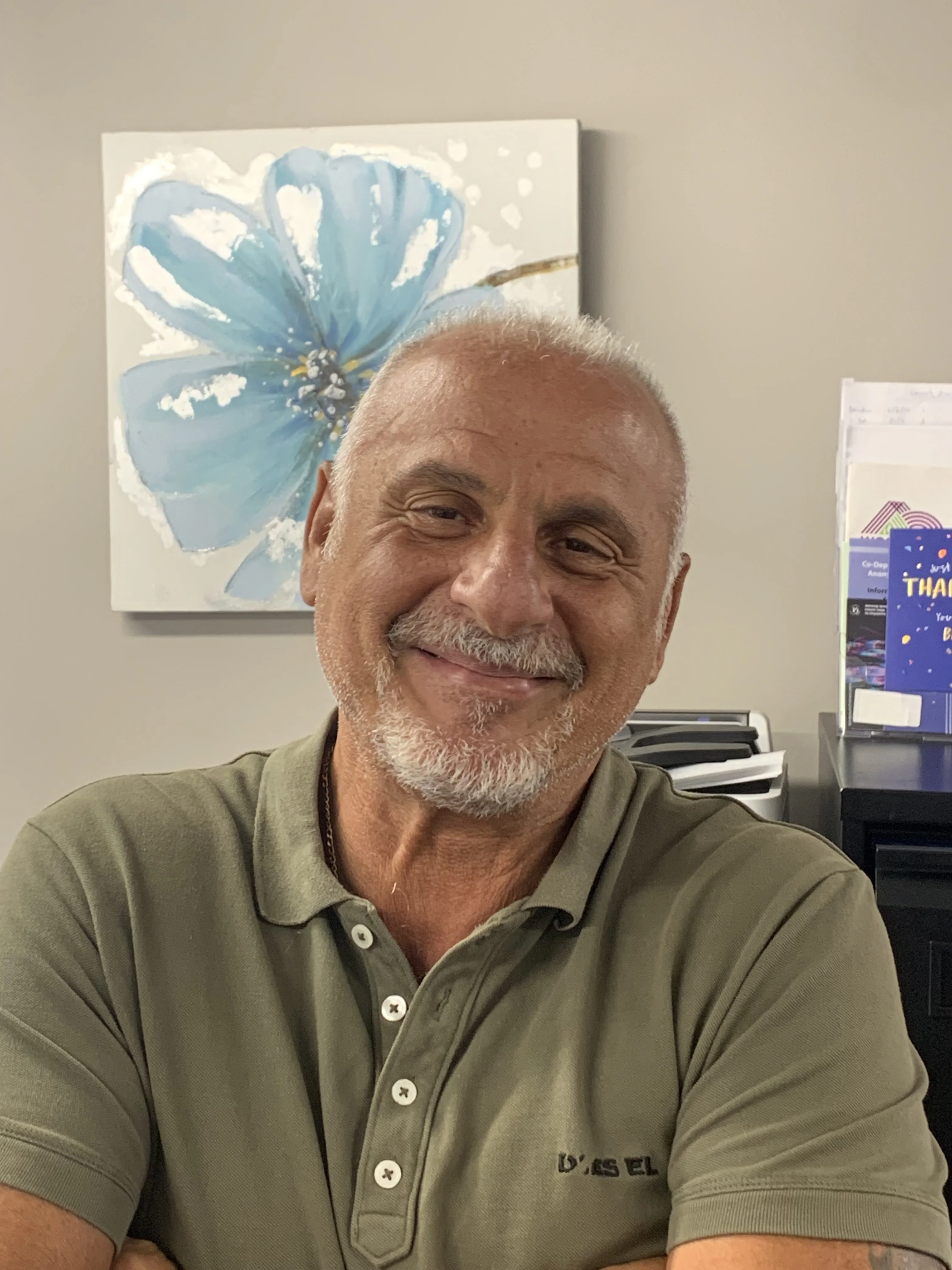
Andy's journey in psychology and substance recovery is marked by significant educational and professional achievements. He studied person-centred counselling, gained insights from psychological literature, and completed an online course on the mind. His hands-on experience includes volunteering at a drug and alcohol clinic and earning a diploma in child adverse experiences. Andy holds a first-class honours degree in Psychology with Substance Use and Misuse. Professionally, he has contributed as a Lived Experience Coordinator and counsellor, offering hope and empowerment to those in recovery.
Qualifications and Experience:
Introductory Course in Person Centred Counselling
Extensive study of psychological literature (including Carl Rogers and Freud)
Online course completion on the Mind from UCT
OCN peer mentoring course
Level 3 diploma in child adverse experiences
First-class honours degree in Psychology with Substance Use and Misuse
Experienced Lived Experience Coordinator for Probation, Dependency and Recovery service

Dr Otulana is PCP’s longest-serving doctor. He is an experienced Physician with Specialist Interest in Substance Misuse Management and he has a wide range of experience in the assessment and management (including detoxification) of clients with various drug and substance addiction problems. Dr Otulana started practising as a doctor in 2000 and with over 10 years as an Addiction Physician. He is an Advanced Addiction Practitioner Member of Addiction Professionals and also holds the Certificate in Clinical Psychopharmacology (Part 1) of the British Association for Psychopharmacology. He is additionally a strong healthcare services professional with a Master of Business Administration (M.B.A.) degree from Cambridge University Judge Business School.
| Cookie | Duration | Description |
|---|---|---|
| cookielawinfo-checkbox-analytics | 11 months | This cookie is set by GDPR Cookie Consent plugin. The cookie is used to store the user consent for the cookies in the category "Analytics". |
| cookielawinfo-checkbox-functional | 11 months | The cookie is set by GDPR cookie consent to record the user consent for the cookies in the category "Functional". |
| cookielawinfo-checkbox-necessary | 11 months | This cookie is set by GDPR Cookie Consent plugin. The cookies is used to store the user consent for the cookies in the category "Necessary". |
| cookielawinfo-checkbox-others | 11 months | This cookie is set by GDPR Cookie Consent plugin. The cookie is used to store the user consent for the cookies in the category "Other. |
| cookielawinfo-checkbox-performance | 11 months | This cookie is set by GDPR Cookie Consent plugin. The cookie is used to store the user consent for the cookies in the category "Performance". |
| viewed_cookie_policy | 11 months | The cookie is set by the GDPR Cookie Consent plugin and is used to store whether or not user has consented to the use of cookies. It does not store any personal data. |