


Valium, a central nervous system depressant, is essential in managing anxiety, muscle spasms, and seizure disorders. As a medication with the potential for dependency, understanding its proper use is essential. This guide breaks down how Valium offers relief, the importance of dosage adherence, and the risks involved, ensuring informed decisions for those prescribed this benzodiazepine.
Understanding Valium Addiction and Dependence
-
Valium, a benzodiazepine, is prescribed for conditions such as anxiety, muscle spasms, seizures, and acute alcohol withdrawal, emphasizing the importance of strict adherence to dosages and methods of administration for safety and efficacy.
-
While Valium is effective in treating various medical issues, it carries the risk of addiction, particularly in those with a history of substance abuse, and must be managed carefully to prevent dependence and withdrawal symptoms.
-
Safe administration of Valium requires precise dosage and awareness of potential serious side effects, drug interactions, contraindications, and overdose risks, underscoring the need for medical oversight in its use.
What Valium Is and How Diazepam Is Prescribed
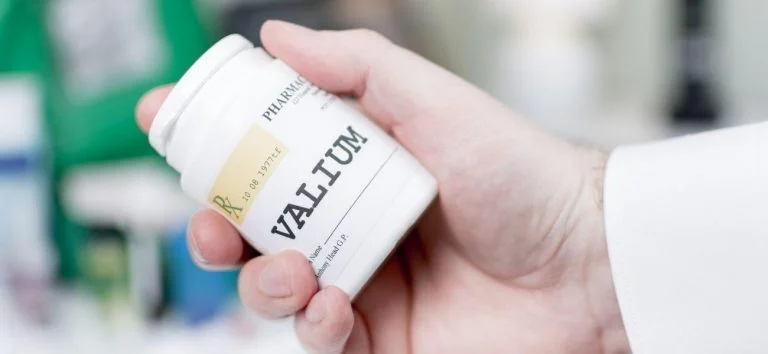
Valium belongs to a group of drugs known as benzodiazepines and is often utilized for various medical conditions, such as:
-
Anxiety
-
Muscle spasms
-
Seizures
-
Signs of acute alcohol withdrawal
The main component in Valium, diazepam, effectively targets the central nervous system. Specifically focusing on areas like the limbic system, thalamus, and hypothalamus, it acts almost like a universal key that unlocks calmness by alleviating unwelcome symptoms such as anxiety and muscle tension.
When handling Valium’s potent capabilities, caution is imperative. This powerful medication requires responsible usage following doctors’ strict guidance to ensure its safe and effective treatment for designated health issues. Physicians do not take prescribing diazepam lightly. Likewise, patients are expected to adhere to their regimens equally.
To distil the sophisticated pharmacological nature of Valium Down, this formidable medicine addresses disorders related to anxiety, muscle spasms, seizures, and complications from withdrawing from alcohol use. Nevertheless, maintaining rigorous compliance with prescribed quantities and consumption methods remains critical.
Lorem ipsum dolor sit amet, consectetur adipiscing elit. Ut elit tellus, luctus nec ullamcorper mattis, pulvinar dapibus leo.
Treating Anxiety with Valium
Suffering from anxiety can be an overwhelming experience, akin to a relentless sense of apprehension and unease that is akin to balancing precariously on a narrow ledge above a void filled with fear. Valium comes into play here as it relieves those struggling by soothing the anxious mind, much like providing a cushioned landing beneath that high-wire act.
Valium, known medically as diazepam, serves to soothe your nervous system, which in turn helps combat symptoms of anxiety. Picture it as whispering calmness over your frazzled nerves until they reach serenity. Usually, adults who grapple with these feelings are given between 2 and 10 milligrams of diazepam up to four times daily. In contrast, pediatric dosages: children six months or older may only require between 1 and 2.5 milligrams taken three or four times throughout the day.
It’s crucial to remember that medication reactions differ widely among individuals. What proves effective for one might not suffice for another person’s needs. Hence, if you or someone close has been advised Valium by their medical practitioner specifically for managing anxiety issues, place confidence in their professional judgment—reflective considerations concerning personal health particulars have led them towards determining an appropriate dose.
In essence, the goal behind prescribing more diazepam tablets is simple: quell anxieties rather than spawn new ones.
Muscle Spasms and Diazepam

Muscle pain, ranging from a stubborn neck twitch to an abrupt spasm in the back, can throw off your routine. Enter Valium, the pharmaceutical knight, who steps in to soothe knotted muscles and provide respite.
For those seeking relief from muscle spasms, adults are prescribed 2 to 10 milligrams of Valium up to four times per day. As for our more experienced population, caution is key: older adults should start with a gentler dose of just 2 to 2.5 milligrams to balance efficacy against adverse effects.
As with any medication regimen, you must adhere strictly to the Valium dosage set by medical professionals and discuss any potential adjustments with them first. Diazepam stands ready as an ally for anyone from bodybuilders beset by post-exercise twinges to elderly individuals navigating daily muscle tension, delivering ease and aiding movement once again.
Seizure Control and Valium

Witnessing or experiencing a seizure can be deeply distressing, akin to the chaos of a tempest leaving confusion and concern in its path. There’s comfort in knowing that drugs such as Valium exist to help manage this tumultuous condition, offering those affected by seizures some stability in their daily lives.
Diazepam administered intravenously is an established primary intervention for managing status epilepticus, which represents an intense episode of continuous seizures. While lorazepam delivered through the same route often has preference due to its prolonged anticonvulsant action and greater success rate at stopping seizures, intravenous diazepam maintains its importance in treating conditions associated with seizures. The typical prescription dosage range for adults utilizing Valium for seizure management lies between 2 milligrams up to 10 milligrams administered two to four times per day. Modifications are made judiciously when it comes to older patients.
The term ‘judicious adjustments’ cannot be overstated because prescribers must consider varying factors such as metabolic rates and concurrent medical issues specific to older individuals when prescribing diazepam. These careful considerations ensure that while effectively mitigating seizure activity among elderly patients, the likelihood of adverse reactions remains minimal.
How Valium Dependence and Addiction Can Develop

Valium, while offering relief from a variety of medical conditions, conceals the danger of addiction. This risk is exceptionally high for those with a prior history of a substance use disorder, making it deceptively dangerous, like an unseen predator. It can induce tolerance swiftly, necessitating larger doses to maintain its initial therapeutic benefits and subsequently heightening dependency risks.
Misuse of Valium may disrupt the proper operation of the central nervous system. This disruption can trigger symptoms ranging from confusion and depression to dizziness and sleep problems. The grip that Valium addiction has on an individual often manifests as obsessive drug-seeking behaviour along with a decline in fulfilling personal duties or maintaining relationships. Recovery could sometimes involve family counselling due to these effects—a testament to how deeply rooted this struggle can become.
One should not demonize Valium indiscriminately—it’s merely another instrument within our healthcare arsenal that has the potential to improve life quality when administered correctly greatly. Yet caution must be exercised because, much like fire, depending on its management, it has dual capacities: either serving benevolently or causing destructive consequences.
Recognizing Signs of Benzodiazepine Dependence
Identifying the signs of benzodiazepine dependence is crucial for tackling the issue. Consider it a scavenger hunt, where each clue directs you towards recovery. The initial sign to be aware of is an escalating tolerance to Valium, manifesting as a need for increased dosages for identical relief or diminished effects at stable or high doses either.
The emergence of cravings for substances like Valium can signal that psychological or physical dependence has taken root. Additional red flags include behaviors such as visiting multiple doctors or obtaining several prescriptions in pursuit of more medication. Manifestations of withdrawal symptoms like anxiety, sleep disturbances, headaches and muscle tension when ceasing or cutting back on Valium also point toward physical dependency.
Presence of physical reactions including hand tremors, perspiration, or heart palpitations without access to Valium suggests a developing reliance on the drug. Evidence might also surface through prolonged use beyond intended durations and taking larger quantities than needed. Struggling with decreasing usage despite wanting to demonstrate potential addiction issues.
Early recognition of these indicators can set the stage for successful intervention strategies leading to rehabilitation and healing from benzodiazepine dependence.
Lorem ipsum dolor sit amet, consectetur adipiscing elit. Ut elit tellus, luctus nec ullamcorper mattis, pulvinar dapibus leo.
Addressing Benzodiazepine Withdrawal Syndrome
Overcoming benzodiazepine dependence is not a simple or direct process but resembles traversing a twisting mountain pass filled with uphill struggles and occasional setbacks. A significant hurdle faced during this path to recovery is the onset of benzodiazepine withdrawal syndrome, which may emerge upon cessation of benzodiazepines or discontinuation of other similar drugs. The gamut of symptoms can range from nausea, vomiting, dizziness, headaches, sleeplessness and anxiety to irritability as well as muscular discomforts such as aches and pains alongside tremors, perspiration, heart palpitations and in more severe instances, seizures.
Experiencing withdrawal symptoms is probable when there’s an abrupt end to long-term use of medications like Valium. It’s analogous to halting a high-speed vehicle on short notice – challenging at best and potentially hazardous. Reducing dosage progressively becomes indispensable for individuals believed to have developed a reliance on these substances to alleviate intense withdrawal effects.
When designing protocols for tapering off medication, diazepam stands out due to its lengthy half-life, which allows those withdrawing from their dependency smoother transitions thanks to its relatively stable levels within the bloodstream over time, just like cautiously navigating down an incline, allowing safer progress that feels easier overall.
Anxiety Rebound After Stopping Valium
Anxiety rebound is a well-documented withdrawal phenomenon that occurs after the abrupt cessation or rapid tapering of Valium (diazepam). It is characterised by a temporary exacerbation of anxiety symptoms that surpass the patient’s baseline pre-treatment levels. This reaction stems from the central nervous system’s adaptation to chronic benzodiazepine exposure, leading to downregulation of GABA receptors and subsequent hyperexcitability when the drug is withdrawn.
Clinically, patients may present with heightened anxiety, restlessness, insomnia, and irritability, often within days of stopping Valium. These symptoms can be distressing and may mimic or worsen underlying anxiety disorders, complicating the withdrawal process. It is essential to differentiate anxiety rebound from relapse, as the management strategies differ significantly.
To minimise the risk and severity of anxiety rebound, a gradual tapering schedule under professional supervision is recommended. This approach allows the nervous system to adjust slowly, reducing hyperexcitability. Adjunctive therapies, including cognitive behavioural therapy and supportive care, can further assist patients in managing symptoms and developing healthy coping mechanisms during the detoxification phase. Close monitoring and personalised treatment plans are critical to ensuring patient safety and improving outcomes in the context of Valium withdrawal.
Why Valium Can Feel Difficult to Stop Even When Taken as Prescribed
Valium (diazepam) is a highly addictive benzodiazepine that, even when taken as prescribed, can lead to physical dependence due to its effects on the central nervous system. The drug enhances GABA neurotransmission, producing sedation and anxiolysis, but prolonged exposure causes the brain to adapt by downregulating GABA receptors. This neuroadaptation results in tolerance, requiring higher doses to achieve the same therapeutic effects, and dependence, where abrupt cessation triggers withdrawal symptoms.
Withdrawal from Valium can include anxiety rebound, insomnia, muscle pain, tremors, and other severe withdrawal symptoms that make discontinuation challenging. These symptoms often compel patients to continue use to avoid discomfort, reinforcing dependency. Therefore, stopping Valium requires a carefully supervised tapering schedule combined with therapeutic support to safely manage withdrawal and reduce relapse risk. Understanding these physiological mechanisms underscores the importance of professional guidance in valium detox and substance abuse treatment.
Behavioural Signs of Valium Misuse
Behavioural signs of Valium misuse include taking the medication in larger doses or more frequently than prescribed, seeking early refills, and using Valium without a prescription. Patients may display increased secrecy about their drug use, neglect responsibilities, or engage in risky behaviours to obtain the drug. Mood swings, irritability, and impaired judgment are common, alongside using Valium to self-medicate for stress or anxiety beyond medical guidance. Recognising these patterns early is critical for timely intervention and effective valium addiction treatment.
Valium Dosage, Tolerance, and Long Term Use

Steering through the regimen of Valium dosing requires meticulous attention and accuracy, akin to a captain navigating treacherous seas. It is vital to stick precisely to the dose and manner of taking Valium as prescribed for its safe and beneficial application. The use of Valium beyond four months has not been established as safe or practical due to risks related to dependency and adverse effects.
Valium demands serious consideration when managing doses. It’s not subject to arbitrary adjustments. When a dose is missed, one must administer it promptly upon recall unless it’s nearly time for the forthcoming missed dose – then omit the forgotten one. The individual’s medical condition, age, and treatment response dictate how much Valium they require. Consistent administration at designated times daily may be recommended by healthcare providers.
To store Valium correctly, keep it at ambient temperature while shielding it from both brightness and dampness; freezing is unnecessary. Proper disposal or return at drug take-back events are advised to discard any excess medicine responsibly should you no longer need it. Should effectiveness decline during usage necessitating adjustment discussions with your doctor or physician? Patients should also avoid grapefruit products during their course on this medication since these could lead to potentially harmful interactions.
Diazepam Strengths and Why Higher Doses Carry Greater Risks
Diazepam, a long-acting benzodiazepine, is prescribed primarily to relieve anxiety, muscle spasms, and seizures. Its therapeutic effects stem from enhancing the inhibitory neurotransmitter gamma-aminobutyric acid (GABA) in the central nervous system (CNS), producing calming effects and muscle relaxation. The drug’s long half-life allows for sustained symptom control but also contributes to accumulation in the body, particularly with extended or high-dose use.
Diazepam is commonly available in various dosages, including 2 mg, 5 mg, 10 mg, and 20 mg pills, allowing for tailored treatment based on individual needs and medical guidance. Lower doses, such as 2 mg or 5 mg, are often prescribed for anxiety relief, while higher doses may be used for muscle spasms or seizure control. However, even standard prescribed doses can lead to valium dependency if used over extended periods.
Higher doses of diazepam increase the risk of adverse effects, including profound sedation, respiratory depression, and impaired cognitive function. Elevated doses can overwhelm the CNS’s regulatory mechanisms, potentially leading to muscle weakness, low blood pressure, and dangerous respiratory compromise. The risk of valium overdose rises significantly when diazepam is combined with other CNS depressants like alcohol or opioids, which can potentiate respiratory depression and increase the likelihood of fatal outcomes.
Chronic use of high doses also accelerates tolerance and physical dependence, requiring progressively larger amounts to achieve the desired calming or muscle-relaxing effects. This escalation can lead to valium abuse and complicate withdrawal, with severe withdrawal symptoms including seizures, agitation, and suicidal thoughts. Medical supervision is essential when adjusting doses or discontinuing diazepam to minimise withdrawal symptoms and manage the harmful consequences of high-dose use safely.
Oral Diazepam: Dosage Considerations
Administering oral diazepam is simple. The capsules must be taken as whole entities without crushing, splitting, or chewing them. Imagine the capsule as a small parcel designed to remain sealed until it reaches your stomach, where it can exert its intended effect.
If you have been advised to use the liquid version of oral diazepam, employ a medicinal dropper for accurate measurement and combine it with either liquids or soft food items such as:
-
water
-
juice
-
soda
-
applesauce
-
pudding
This mixing makes swallowing easier by incorporating this adaptable medical component into various palatable mixtures.
Adhering strictly to the recommended method of intake is important for the medication to produce its expected therapeutic outcome. Alterations in administration not only risk reducing the drug’s effectiveness but may also heighten the chances of experiencing adverse reactions or complications.
Common Valium Side Effects and Health Risks
Just as a coin has two faces, so does the use of Valium come with its own set of pros and cons. The drug is known to induce several common side effects which include:
-
drowsiness
-
dizziness
-
fatigue
-
blurred vision
-
unsteadiness
This presents a balance between gaining relief from conditions such as anxiety or muscle spasms and experiencing these minor undesirable reactions.
Prolonged consumption of Valium may lead to more severe issues like continuous sleepiness, confusion, loss of memory, depression, heightened anxiety levels, and in some cases seizures. Infrequent yet critical adverse reactions linked to Valium consist of skin or eyes yellowing (jaundice), hallucinations, delusional thinking patterns increased susceptibility to falls,distinct mood fluctuations, and significant memory impairment. It’s important to note that older adults are particularly prone to greater impact from these side effects. This includes augmented somnolence and impaired motor coordination.
Should an overdose occur while on Valium, one might observe life-threatening symptoms like slow-paced respiration interspersed by lengthy intervals without breathing, lips turning blue and efficient oxygenation, or pronounced difficulty in awakening that person. Such instances signify crossing into dangerous territory where emergency medical support becomes paramount for reversing the danger. Being vigilant about recognizing these serious negative responses is essential for securing prompt medical help thus averting potential lasting health implications.
Memory Problems and Emotional Blunting During Long Term Diazepam Use
Long-term use of diazepam can lead to significant cognitive impairments, notably memory loss and emotional blunting. Diazepam’s action on the central nervous system, particularly its enhancement of GABA activity, can disrupt normal neural communication involved in memory formation and emotional regulation. Patients may experience difficulties with short-term memory retention, reduced ability to concentrate, and a diminished emotional response, often described as feeling numb or detached.
These effects can impair daily functioning and overall well-being. Prolonged use increases the risk of these symptoms becoming persistent, underscoring the importance of careful monitoring and consideration of alternative treatment strategies. Medical supervision is essential to balance therapeutic benefits with the potential cognitive and emotional side effects during extended diazepam therapy.
Risks of Mixing Valium With Alcohol or Other Drugs
Valium, as with any medication, is enmeshed within a web of potential drug interactions and contraindications. It may exhibit reactions when combined with substances such as:
-
clozapine
-
fluvoxamine
-
orlistat
-
sodium oxybate
These combinations can amplify effects or raise toxicity levels due to the way medications influence each other, setting off a series of responses.
The danger of severe side effects like respiratory depression and sedation escalates when Valium is mixed with drugs that enhance its impact. Before taking Valium in conjunction with different treatments, including:
-
opioid analgesics or cough suppressants
-
sleeping pills
-
muscle relaxants
-
anti-anxiety and anticonvulsant agents
Patients are advised to consult their healthcare provider.
Certain health conditions preclude the use of Valium because they increase the likelihood of experiencing adverse effects. Conditions making Valium usage not recommended include:
-
Liver disease
-
Kidney disease
-
Respiratory depression
-
Glaucoma
-
Myasthenia gravis
-
Severe depression
Disruptions to liver enzymes involved in diazepam metabolism through hepatic cytochrome P450 pathways or alterations in conjugation processes can modify how effectively it works and increase negative reaction chances. Understanding personal medical circumstances along with prospective drug interactions should precede using Valium – similar to matching appropriate shapes to their corresponding holes. Not all medicines will fit every individual’s needs well.
Medications That May Intensify Valium's Effects
Some medications can intensify Valium’s impact, similar to turning up the volume on a loudspeaker, resulting in more severe side effects. When combined with other central nervous system depressants, Valium might cause increased sedation or respiratory depression due to an accumulation of CNS effects. It’s as if you’re boosting the loudness—amplifying Valium’s impacts.
When opioids are taken alongside Valium, there may be severe consequences such as heightened sedation, significant respiratory depression, coma or even death because of their combined effect that works together to enhance each other’s impact. Antifungal drugs like ketoconazole could slow down how quickly your body processes Valium, resulting in higher blood levels and more intense drug actions. Certain antidepressants have also been observed to raise the diazepam bioavailability, thereby magnifying its effectiveness.
Even seemingly harmless substances such as alcohol have the potential to escalate calming qualities attributed with valient, notably augmenting sensations, dizziness, confusion impaired coordination; thus, it is critical to recognize these possible interactions and make sure safe and effective utilization of this medication.
Conditions That Preclude Valium Use
Just as some conditions warrant using Valium, others hinder its administration. Specific medical issues in patients can amplify the risks associated with taking Valium, leading to more severe adverse effects or additional health complications. This scenario is comparable to adhering to certain food restrictions—much like individuals with gluten intolerance must steer clear of wheat products, those suffering from particular health concerns should likewise refrain from using Valium.
The following medical conditions make Valium an unsuitable treatment option.
-
Advanced liver disease
-
Acute narrow-angle glaucoma
-
Serious respiratory illnesses
-
Obstructive sleep apnea syndrome
-
Myasthenia gravis
-
Hypersensitivity reactions towards diazepam or drugs with similar properties
Matching medication precisely to an individual’s health requirements is crucial — similar to a custom-fitting suit for a perfect match.
Awareness and recognition of these contraindications are essential for averting possible adverse outcomes while promoting safe consumption practices concerning Valium. It’s imperative because medications don’t universally suit everyone and because consulting your healthcare provider will ensure that you receive guidance explicitly tailored toward whether or not incorporating Valium into your treatment plan is appropriate for you.
Valium Overdose Symptoms and Emergency Risks
In the pharmacological landscape, taking an excessive amount of any medication can lead to dangerous outcomes. Valium, specifically, is one such drug where overdose may cause severe health issues. Symptoms indicating a diazepam overdose are:
- Intense respiratory depression
- Cardiac complications
- Profound somnolence
- Reduced reflex response
- Syncope (fainting)
- Unconsciousness
- Aberrant muscle movements
- Increased activity or verbosity
- Sudden, drastic shifts in mood or behaviour
- Haze and disorientation
- Vivid hallucinations
- Seizures
Should there be a critical reaction to diazepam, such as notably depressed breathing patterns, or if one experiences marked allergic reactions—exemplified by swelling of the face or extremities, discolouration of skin rashes, difficulty in respiration—or losing consciousness? It’s essential to seek immediate emergency care. This scenario is like an urgent distress signal demanding prompt attention.
The remedy for addressing a diazepam overdose situation lies with flumazenil administration. In instances of substantial diazepam overdose that presents severe symptoms, including unconsciousness or impaired breathing function, make sure to dial 911 immediately. Alternatively, contact a poison control centre for guidance when faced with less critical symptoms. Remember that while Valium serves beneficial purposes therapeutically, it also carries considerable hazards when overindulged or misappropriated.
Counterfeit Diazepam and Illicit Benzodiazepine Risks
Counterfeit diazepam poses significant health risks due to unknown and potentially harmful ingredients. These fake medications often contain incorrect dosages or dangerous substances such as fentanyl or methamphetamine, increasing the risk of overdose, severe adverse reactions, and death. Patients unknowingly consuming counterfeit benzodiazepines may experience unpredictable drug effects, complicating diagnosis and treatment.
Illicit benzodiazepines, including counterfeit and unregulated products, lack quality control and medical oversight. Their use can exacerbate dependence and withdrawal severity, as well as increase interactions with other substances. Mixing illicit benzodiazepines with alcohol or opioids further elevates the risk of respiratory depression and fatal overdose. Healthcare providers must be vigilant in assessing patients for exposure to counterfeit or illicit benzodiazepines during treatment.
Effective management requires immediate cessation under medical supervision and comprehensive evaluation. Detoxification protocols should be tailored to account for variable potency and contaminants. Patients benefit from integrated care addressing both substance use and co-occurring mental health issues. Education on the dangers of counterfeit benzodiazepines is crucial for prevention and harm reduction in vulnerable populations.
Professional Treatment for Valium Addiction
Valium rehab addresses not only physical addiction but also any underlying mental health issues. Among these, there is anxiety that either contributed to the addiction or was the reason for which diazepam was prescribed in the first place.
In our drug detox centre, patients can move through withdrawal and get rid of Valium dependence with the help of a qualified medical team.
Then, with comprehensive therapy, people can address the core causes of their Valium addiction and learn the skills they need to stay sober for the rest of their lives.
Determine what is important to you and communicate your needs openly with rehab centre staff so they can determine the best course of treatment for you.
Our team has helped thousands to recover from a wide range of addictions. We are ready to help you overcome this, are you?
When Professional Support May Be Needed
When we dig deeper into the world of Valium, we find that this powerful medication has substantial hazards in addition to its therapeutic benefits. It’s a necessary drug to relieve symptoms including anxiousness, convulsions, and twitches of the muscles. Because of its addictive nature and the risk of overdosing, prudence is essential.
This exploration extends beyond grasping the primary functions and dangers associated with Valium. Critical aspects include proper dosing and administration protocols, awareness of signs indicative of dependency or withdrawal issues, and potential drug interactions and contraindications. Vigilance combined with deep comprehension are necessary components on this path, as well as unwavering compliance with healthcare guidance.
To encapsulate our understanding, Valium embodies the quintessence of a two-pronged instrument within medical practice. When administered correctly under professional supervision, it stands out as a cornerstone in therapeutic intervention capable of significantly enhancing life quality. Given its inherent power, careful stewardship is compulsory lest we inadvertently cross from therapeutics into detriment, straddling that delicate line demands our utmost attention towards responsible use.
Residential Benzodiazepine Rehabilitation Support
Substance addiction often feels like an impossible thing to overcome. Whether it’s you or your loved one battling with substances, though, recovery is possible.
Rehab Today by PCP is one of the best drug and alcohol abuse treatment centres in the UK.
We believe that no one should die from this illness through ignorance. We aim to reduce the stigma attached and educate our patients, helping them recover and realize their full potential.
When you walk into one of our treatment centres and meet our team, you will immediately feel a sense of warmth, hope, positivity and a caring family atmosphere.