

What is Valium and how does it treat anxiety?
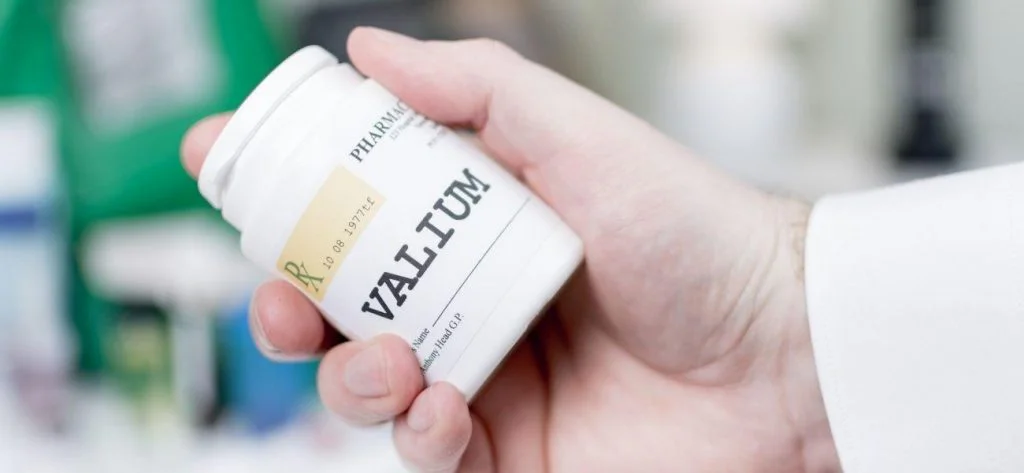
Valium, also known by its generic name Diazepam, is a prescription medication and one of the benzodiazepine medicines. Doctors may prescribe diazepam tablets for short-term treatment to reduce anxiety, manage alcohol withdrawal, control seizures including in emergencies, relieve symptoms of muscle spasms linked to injury or health conditions, and as a sedative before medical procedures. Diazepam works by enhancing the effects of gamma aminobutyric acid (GABA), an inhibitory neurotransmitter that slows activity in the central nervous system, helping calm the brain and nerves and reduce anxiety. Diazepam tablets typically start to work within 15 to 60 minutes.
If you are taking Valium, worried about dependence, or looking into benzodiazepine rehab for yourself or someone close to you, it is important to understand how this drug works, when it is prescribed, and the risks of misuse, overdose, and dangerous interactions with alcohol, opioids, and other medicines. Valium addiction can quickly affect health, relationships, and day-to-day stability. At PCP, we provide specialist benzodiazepine rehab in a safe, supportive residential setting in Luton, Bedfordshire, helping clients from across the UK access CQC-registered treatment and lasting recovery.
Types of Benzodiazepine
Common types of benzodiazepine drugs include:
• Diazepam (Valium)
• Nitrazepam (Mogadon)
• Temazepam (Restoril)
• Lorazepam (Ativan)
• Librium (Chlordiazepoxide)
• Alazopram (Xanax)
• Flurazepam (Dalmane or Rohypnol)
Different types of benzodiazepines have different potencies, a different onset of pharmaceutical effects and duration of peak effects.
How to use Valium for muscle spasms
As instructed by your doctor, take this medication by mouth with or without food. If you are taking this medication in liquid form, carefully measure the dose with a proper measuring device/spoon. You should not use a regular spoon since you may not get the correct dose. When using the concentrated solution, use the medicine dropper provided to combine the measured dose with a little amount of liquid or soft food (such as applesauce, pudding). Take the entire mixture at once. The combination should not be saved for later use. If you are taking diazepam, tell your prescriber about any other medicines and avoid grapefruit juice, as both can affect side effects and safety. The dosage is determined by your medical condition, age, and treatment response. Do not raise your dose or use this medication more frequently or for a longer period of time than suggested. Higher doses and longer-term use increase the risk of physical dependence. Your condition will not improve any faster, and your chances of experiencing negative effects will rise. Do not stop this medicine suddenly; follow your doctor’s advice so the dose can gradually reduce safely. Withdrawal symptoms can occur after just six weeks of use, and tapering off Valium can help prevent severe withdrawal symptoms. When this medication is used for a long time, it may not work as well. Talk with your doctor if this medication stops working well.
How do you get prescribed Valium?
Valium is a medication used to treat anxiety disorders and anxiety symptoms because doctors prescribe diazepam as a short term treatment rather than for ongoing long-term management. The medication, also known by the generic name diazepam, works by slowing down brain activity. The effects of diazepam slow overactivity in the central nervous system and can help relieve symptoms of acute anxiety. Valium and other anti-anxiety drugs in the same family can fast help stop certain manic symptoms, such as agitation, in bipolar illness. This allows mood stabilizers to take effect. Like other benzodiazepines, it can cause adverse effects such as confusion and may worsen depression in some people. This medication is not recommended for use during pregnancy. It may harm an unborn baby. If you become pregnant or think you may be pregnant, tell your doctor right away. Consult your doctor for more details.
Can you get addicted to Valium?
Though it helps many people, this medication may sometimes cause addiction. In 2020, 4.8 million people misused prescription benzodiazepines, and 971,000 people misused Valium in the past year. This risk may be higher if you have a substance use disorder (such as overuse of or addiction to drugs/alcohol), and long-term use carries an increased risk of physical dependence and withdrawal symptoms, with about one-third of long-term users affected by each. Take this medication exactly as prescribed to help lower that risk. Ask your doctor or pharmacist for more details.
Valium overdose
Taking too much diazepam can be life threatening, especially when it slows breathing. Overdose symptoms require urgent advice to call emergency services or seek immediate medical help. Overall, overdose symptoms are the result of central nervous system deficits produced by Valium’s depressive and sedative effects, with respiratory depression being the most serious overdose risk.
Causes of Valium overdose
Polydrug usage is the leading cause of overdose deaths. As a controlled drug and schedule IV substance, Valium misuse is taken seriously because dependence and overdose risks can escalate quickly.
Polydrug use can cause: – unconsciousness – coma – brain and organ damage – death
Overdose is more likely when Valium is mixed with other drugs, especially CNS depressants. Valium should not be mixed with alcohol due to severe sedation risks, and overdose is more common with other CNS depressants such as alcohol, opioids, and other benzodiazepines. All sedative substances can cause severe and persistent respiratory distress and heart issues when used with Valium. Mixing Valium with stimulants or other substances can mask drug effects and increase danger. Combinations with Valium that can result in overdose:
Valium with alcohol
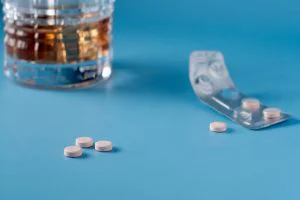
Alcohol and Valium are a commonly abused combination that can result in overdose. You should never drink alcohol while taking diazepam, as this greatly increases sedation and overdose risk. They have similar sedative and depressive effects and are often taken inadvertently to enhance the effects of the other. However, alcohol use can impair the metabolism of Valium, so it should be avoided completely, causing increased levels to persist in the bloodstream while alcohol is taken.
Opioids/Opiates with Valium
Valium amplifies the harmful effects of opioids or opiates such as methadone, OxyContin, and others on the central nervous system when combined with them. Taking one of these medications can lead to different problems even if a person has previously exhibited a tolerance for these drugs on their own.
Valium overdose and withdrawal symptoms
A critical benzodiazepine overdose is distinguished by decreased breathing and heart function, which are often caused by a lack of oxygen and poor circulation.
Symptoms can include:
|
Excitability Anxiety Panic Itching Gastrointestinal (GI) distress Hiccups Snoring |
Gurgling Weakness Labored, slowed or stopped breathing Drowsiness Slurred speech Dizziness Vision problems Low blood pressure |
Low pulse rate Tremors Lowered mental capacities Hallucinations Lack of coordination Confusion Lack of alertness Bluing lips |
Benzodiazepine Rehab
Perry Clayman Rehab Centre offers detoxes and rehab for those with any kind of problem with benzodiazepines. Our benzodiazepine rehab programmes are tailored to your individual physical, psychological, social and spiritual treatment needs. We treat the whole person and not just one singular aspect.
We have the medical expertise, addiction professionals, and evidence-based addiction treatments, to ensure that you receive the very best in affordable addiction treatment available, including essential relapse prevention techniques.
Call us today for a free assessment of your treatment requirements.