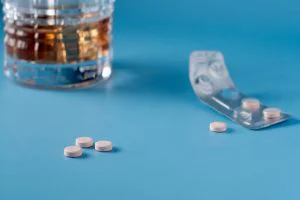


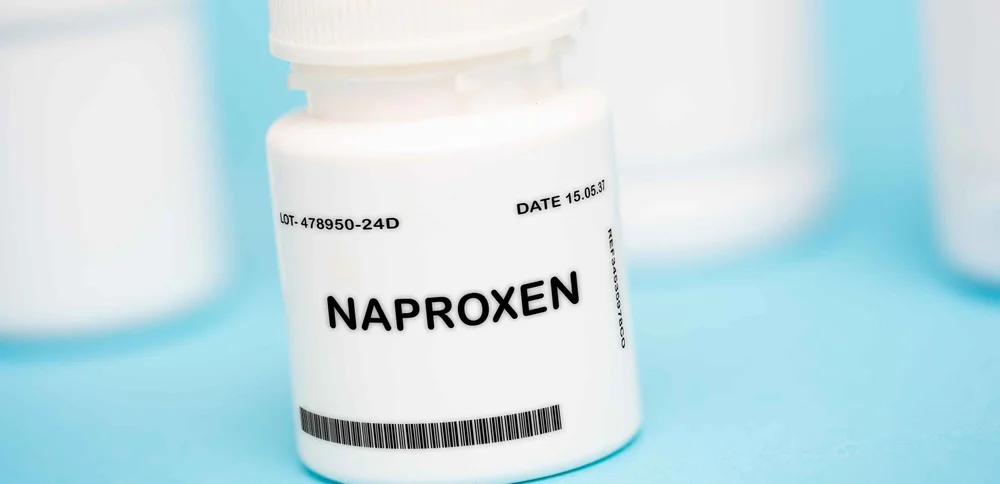
Are you thinking of mixing naproxen and alcohol? It may seem harmless, but it’s very risky. This article will cover the risks and how to use naproxen with alcohol responsibly.
Understanding Naproxen and Alcohol Risks
Mixing naproxen and alcohol can be dangerous and lead to gastrointestinal bleeding and liver damage.
There are significant health risks and an increased risk of complications, such as stomach irritation, ulcers, internal bleeding, liver damage, and addiction, when combining naproxen and alcohol.
The dangers of mixing naproxen and alcohol include heightened potential for serious side effects and health complications.
Monitor your alcohol consumption to avoid exceeding recommended limits and consult a healthcare professional for personalised guidance regarding safe alcohol intake while using naproxen.
Know the signs of naproxen and alcohol abuse to get help in time and avoid complications.
What Naproxen Is and How It Is Used
Naproxen is a versatile non-steroidal anti-inflammatory drug (NSAID) that is commonly prescribed as a routine painkiller for conditions such as arthritis, muscle aches, and menstrual cramps. Whether you’re dealing with muscle and joint pain, rheumatoid arthritis, osteoarthritis, gout, period pain, back pain, or everyday aches and pains, naproxen can offer relief.
Naproxen works by blocking enzymes that trigger inflammation, specifically prostaglandins, to reduce inflammation and alleviate pain and swelling. Naproxen is available both over-the-counter and by prescription in various forms, including tablets, capsules, and liquid. Understanding its uses can help you make informed decisions about your pain management options.
Naproxen is not considered addictive, but misuse or combining it with alcohol can be dangerous.
Aleve and Naproxen: Understanding They Are the Same Medication
Aleve is a brand name for the active ingredient naproxen sodium, a nonsteroidal anti-inflammatory drug (NSAID) used to relieve pain and inflammation. Both Aleve and generic naproxen contain the same active compound and work by inhibiting cyclooxygenase enzymes, which reduces prostaglandin production responsible for pain and swelling.
The effects, risks, and interactions of Aleve and naproxen are identical. This includes the potential for gastrointestinal irritation, increased bleeding risk, and possible liver or kidney strain, especially when combined with alcohol or other medications. Patients should follow dosing instructions carefully and consult their healthcare provider before mixing Aleve or naproxen with alcohol or other substances.
Can You Drink Alcohol While Taking Naproxen?
Drinking alcohol while taking naproxen is a common question. Even low doses of naproxen and alcohol can interact and increase health risks. Some sources may say it’s okay to drink in small amounts, but it’s generally recommended to avoid or stop drinking alcohol while on naproxen, as there’s no way to guarantee the risks.
Mixing alcohol with naproxen may reduce its effectiveness in relieving pain and reducing inflammation. High doses of naproxen or regularly drinking alcohol can increase the dangers, such as stomach bleeding, ulcers, and liver damage. Some doctors may say that having a single drink several hours after taking a lower dose of naproxen is less risky than regularly drinking alcohol, but risks still remain.
To use naproxen with any amount of alcohol, you need to understand how they interact. If unsure, consult a doctor to get guidance on how much alcohol is safe to consume while taking naproxen and avoid the risks of mixing alcohol and naproxen. If you drink alcohol regularly or are concerned about pain relief, ask your doctor about safer alternatives to manage pain.
How Long After Taking Naproxen Can You Drink Alcohol?
It is generally recommended to wait at least 12 to 24 hours after taking naproxen before consuming alcohol. Naproxen has a long half-life of approximately 12 to 17 hours, meaning it remains active in the body for a significant period. Drinking alcohol while naproxen is still in your system increases the risk of gastrointestinal irritation, stomach ulcers, and internal bleeding due to the compounded effects on the stomach lining.
For individuals taking naproxen regularly or at high doses, complete avoidance of alcohol is advised to minimize serious health risks such as gastrointestinal bleeding, liver strain, and kidney damage. Those with pre-existing conditions like stomach ulcers, liver disease, or kidney problems should be especially cautious and consult their healthcare provider before combining naproxen and alcohol. Moderation and timing are critical to reduce potential harm when managing pain treatment alongside alcohol use.
Health Risks of Mixing Naproxen and Alcohol
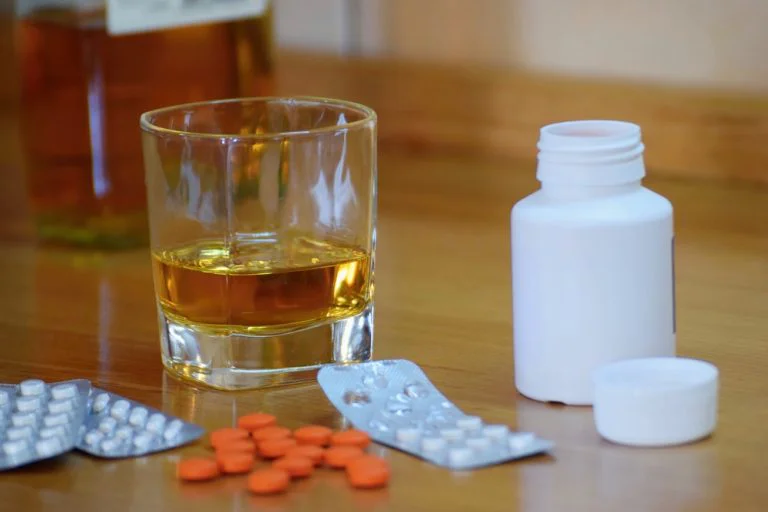
Gastritis is a condition characterised by inflammation of the stomach lining, which can lead to stomach ulcers and gastrointestinal bleeding. Naproxen can irritate the stomach lining and increase strain on the digestive system, making gastrointestinal health an important consideration when using this medication. When you mix naproxen and alcohol, the risk of developing gastritis and other stomach-related side effects significantly increases.
Combining naproxen with alcohol can exacerbate the risk of stomach bleeding and cause additional strain on the digestive system, potentially leading to internal bleeding. Symptoms to watch out for include black, bloody, or tarry stools, and vomiting blood that resembles coffee grounds. These are serious signs that require immediate medical attention.
To minimise the risk of gastritis and stomach bleeding, follow these guidelines:
Take naproxen exactly as prescribed by your doctor.
Drink alcohol in moderation and avoid consuming more than three alcoholic drinks daily while taking naproxen.
Stick to the recommended daily alcohol intake to reduce the risk of adverse effects.
Additionally, inform your doctor about all other medications you are taking, including vitamins and herbal supplements, to avoid potential drug interactions. Being proactive about your health can help you safely manage your pain while minimising the risks associated with combining alcohol and naproxen.
Why Naproxen and Alcohol Can Increase Liver and Kidney Stress
Naproxen reduces blood flow to the kidneys, which can impair their function, especially when combined with the dehydrating effects of alcohol. Alcohol significantly increases the risk of kidney damage by promoting fluid loss and placing additional strain on these organs. Both substances are metabolized by the liver, and their combined use amplifies liver workload, increasing the risk of inflammation and long-term liver injury.
Frequent alcohol use alongside naproxen not only raises the likelihood of acute kidney stress but also contributes to chronic organ damage. Patients with pre-existing liver or kidney conditions, older adults, and those with alcohol dependence should avoid combining these substances to prevent severe complications.
Stomach Bleeding and Gastrointestinal Complications
Gastritis is a condition characterised by inflammation of the stomach lining, which can lead to stomach ulcers and gastrointestinal bleeding. When you mix naproxen and alcohol, the risk of developing gastritis and other stomach-related side effects significantly increases.
Combining naproxen with alcohol can exacerbate the risk of stomach bleeding. Symptoms to watch out for include black, bloody, or tarry stools, and vomiting blood that resembles coffee grounds. These are serious signs that require immediate medical attention.
To minimise the risk of gastritis and stomach bleeding, follow these guidelines:
Take naproxen exactly as prescribed by your doctor.
Drink alcohol in moderation and avoid consuming more than three alcoholic drinks daily while taking naproxen.
Stick to the recommended daily alcohol intake to reduce the risk of adverse effects.
Additionally, inform your doctor about all other medications you are taking, including vitamins and herbal supplements, to avoid potential drug interactions. Being proactive about your health can help you safely manage your pain while minimising the risks associated with combining alcohol and naproxen.
Common Side Effects of Naproxen and Alcohol
Drinking alcohol with naproxen can cause serious side effects. Naproxen can also increase blood pressure, especially when combined with alcohol. Alcohol can worsen the common side effects of naproxen like nausea and dizziness and increase the risk of stomach bleeding.
Stomach pain and digestive problems will become more frequent when you use both substances. Symptoms of bleeding in the stomach or intestines are black, bloody or tarry stools and vomiting blood that looks like coffee grounds. Excessive alcohol and naproxen can both cause inflammation of the stomach lining and further complications and stomach side effects.
In short, alcohol increases the risk and severity of naproxen side effects. Be aware of these risks and make informed decisions for your health. If you are seeking pain relief and are at risk of complications, consider discussing safer pain relief options with your healthcare provider.
Accidentally Taking Too Much Naproxen With Alcohol
Accidentally consuming an excessive amount of naproxen alongside alcohol can significantly increase the risk of serious adverse effects. Both substances independently irritate the stomach lining, and when combined in high amounts, they can cause severe gastrointestinal irritation, leading to persistent stomach pain, ulcers, or even stomach bleeding. This risk is heightened by alcohol’s ability to amplify the damaging effects of naproxen on the digestive tract, making prompt medical evaluation essential if overdose is suspected.
In addition to gastrointestinal concerns, excessive naproxen intake with alcohol can impair kidney function by reducing kidney blood flow while alcohol promotes dehydration. This combination increases the likelihood of acute kidney injury and progressive kidney damage, particularly in individuals with pre-existing kidney disease or chronic alcohol use.
Liver function may also be compromised due to the metabolic burden of processing both substances simultaneously. Anyone who has taken too much naproxen with alcohol should seek immediate medical advice, especially if they experience severe stomach pain, vomiting blood, black stools, dizziness, or signs of dehydration. Early intervention can prevent potentially life-threatening complications.
Why Alcohol Limits Can Vary While Taking Naproxen
Be careful of the amount of alcohol you can drink while taking naproxen. Taking high doses of naproxen or regularly drinking alcohol can significantly increase the risk of serious side effects, such as stomach bleeding or liver damage. Before mixing alcohol with naproxen, consult your doctor especially if you have underlying medical conditions. The safe limit of alcohol varies depending on age, gender and overall health.
The NHS says moderate drinking is unlikely to be a problem while taking naproxen. However, limiting your alcohol intake is still important to avoid any reaction. For adults who drink responsibly, the recommended limit is 14 units a week which is about 6 medium glasses of wine or 6 pints of lager.
Lastly, when you are taking naproxen and considering occasional drinks with ethanol (alcohol), be mindful to stick to your prescribed dosage schedule. This will help minimize the risks of using both substances together. For personalised advice and to ensure your safety, always consult a healthcare professional such as your GP, pharmacist, or an addiction specialist.
Why Some People Face Higher Risks When Mixing Alcohol and NSAIDs
Certain populations are at increased risk of adverse effects when combining alcohol with NSAIDs like naproxen. Older adults often have diminished liver and kidney function, making them more susceptible to organ damage and gastrointestinal complications. Individuals with a history of gastrointestinal ulcers or bleeding face a significantly heightened risk of serious bleeding events due to the compounded irritant effects on the stomach lining.
Chronic alcohol users or those with alcohol addiction may experience amplified liver toxicity and impaired healing, increasing the likelihood of severe liver injury. Additionally, patients with pre-existing kidney or liver disease, or those taking other medications that affect bleeding or organ function, should avoid mixing alcohol and NSAIDs altogether to prevent potentially life-threatening complications.
Why Alcohol Limits Can Vary While Taking Naproxen
Mixing naproxen with alcohol can be harmful to some people especially those who have had gastrointestinal bleeding or those with liver disease. They should avoid this combination.
Those with kidney impairment should also be careful when taking naproxen with alcohol. Pregnant women should not drink at all while taking naproxen. To be safe and get personalized advice that takes into account your health condition, consult your doctor.
Signs of Problematic Alcohol and Painkiller Use

Knowing the signs of naproxen and alcohol abuse is important as they may be indicative of deeper problems that need to be addressed. Recognising alcohol symptoms, such as increased tolerance, withdrawal, or changes in behaviour, can help identify alcohol abuse early. Feeling anxious and physically uncomfortable during withdrawal can happen. Neglecting daily tasks can also be a sign of abuse.
When you abuse these substances, symptoms like difficulty concentrating and emotional instability are common. You may find yourself needing more to get the desired effects because of tolerance. Strong cravings for both naproxen and alcohol can be a sign of escalating addiction.
Using more naproxen with more alcohol can be a sign of a substance abuse disorder developing. Prescription drug addiction can also develop from misuse of naproxen and alcohol, increasing the risk of serious health consequences. Using naproxen to treat hangover symptoms just covers up the problem rather than solving it. Knowing these signs is important to seek help before serious health problems arise.
If you or someone you know is struggling with alcohol misuse, it is important to seek professional help as soon as possible. Early intervention can prevent further harm and support recovery.
Mixing Naproxen With Other Painkillers and Alcohol
Combining naproxen with other pain medications, especially while consuming alcohol, significantly increases the risk of adverse effects. Nonsteroidal anti-inflammatory drugs (NSAIDs) like naproxen share similar mechanisms and side effects, so taking multiple NSAIDs simultaneously can amplify gastrointestinal irritation, leading to ulcers, bleeding, and stomach pain. Mixing naproxen with acetaminophen (paracetamol) may be safer for short-term use, but caution is still advised, especially if alcohol is involved, as alcohol itself stresses the liver and can increase toxicity risks.
Alcohol consumption while using any pain reliever compounds the potential for organ damage. Alcohol amplifies the gastrointestinal and liver toxicity risks associated with NSAIDs and can also worsen kidney function by promoting dehydration. When combined with opioids or sedatives, alcohol further increases the risk of sedation, respiratory depression, and impaired cognitive function. Patients should avoid alcohol entirely when taking multiple pain medications or managing chronic pain to reduce the risk of serious complications.
If pain management requires multiple medications, it is critical to consult a healthcare professional to ensure safe dosing and to discuss alcohol consumption. Monitoring for warning signs such as stomach pain, black stools, dizziness, or unusual fatigue is essential. Prompt medical attention is necessary if these symptoms occur, as they may indicate serious complications from drug interactions or alcohol misuse.
Reducing Risks While Taking Naproxen
To minimise the risks of taking naproxen and alcohol together, be proactive. Taking naproxen with alcohol increases the risk of stomach problems. Follow the recommended alcohol limit and consider medication for acid reflux to reduce the side effects.
If you need to manage pain, consider safer alternatives such as paracetamol, topical analgesics, or physical therapy. These options may reduce the risks associated with combining naproxen and alcohol.
Higher amounts of both alcohol and naproxen increase the risk of bad outcomes. Knowing these factors and consulting a healthcare professional, such as your GP or pharmacist, can help you manage pain safely and minimise the risks of using these substances together.
Professional Support for Alcohol and Prescription Drug Misuse
If you or someone you know is struggling with alcohol and naproxen abuse, there are many treatment options available. These treatments are tailored to each individual’s situation and use various approaches. Doctors will create a comprehensive plan that combines therapy and medical intervention.
Therapy like cognitive-behavioural therapy helps you change how you think and feel, which affects your behaviour. Detoxification is used to manage withdrawal symptoms, while support groups like Narcotics Anonymous provide fellowship and motivation for those in recovery.
Taking that first step to get help is crucial in moving past substance abuse and taking back control of your health.
When Medical Advice May Be Needed
Knowing how naproxen and alcohol interact is important for your health. The risks of gastrointestinal bleeding, liver damage and other serious side effects tell you to be careful with your alcohol intake while taking naproxen. Knowing the signs of abuse and seeking treatment can prevent long term health problems.
Always consult a doctor before taking naproxen with alcohol. Taking care of yourself means being informed and responsible. Your health is worth the extra caution.
Frequently Asked Questions About Naproxen and Alcohol
Can I drink alcohol while taking naproxen?
No, it’s best to avoid alcohol when taking naproxen.
Stay safe!
What are the risks of naproxen and alcohol?
Naproxen and alcohol increases the risk of gastrointestinal bleeding, ulcers and liver damage.
Avoid this combination to stay safe and healthy.
How long should I wait to drink alcohol after taking naproxen?
Wait at least 12 to 17 hours after taking naproxen before drinking alcohol to avoid problems.
Take this time to be safe and sound.
Who should not mix naproxen and alcohol?
If you have history of gastrointestinal bleeding, liver disease, kidney problems or pregnant, you should not take naproxen and alcohol.
Be safe!
What are the treatment options for naproxen and alcohol abuse?
The best treatment for naproxen and alcohol abuse are personalized therapy plans, medical support, cognitive-behavioural therapy, detox and support groups.
Get help to find your way to recovery.
Author
-
 View all posts
Dr Otulana is PCP’s longest-serving doctor. He is an experienced Physician with Specialist Interest in Substance Misuse Management and he has a wide range of experience in the assessment and management (including detoxification) of clients with various drug and substance addiction problems. Dr Otulana started practising as a doctor in 2000 and with over 10 years as an Addiction Physician. He is an Advanced Addiction Practitioner Member of Addiction Professionals and also holds the Certificate in Clinical Psychopharmacology (Part 1) of the British Association for Psychopharmacology. He is additionally a strong healthcare services professional with a Master of Business Administration (M.B.A.) degree from Cambridge University Judge Business School.