London is in the midst of a drug related public health crisis. Rising deaths, changing drug markets and widening inequality are killing across the capital. This article looks at the data, trends and societal impact, using ONS, OHID and London.gov sources.
London had 662 drug poisoning deaths in 2024, a 32% increase from 2023 when 500 deaths were recorded, the highest number since records began over 30 years ago. The drug crisis in London is out of control and we need urgent, coordinated action to address the rising number of drug related deaths which increased by 32% in 2024 compared to the previous year. The number of drug related deaths in London has more than doubled since 2012 when 283 were recorded. Data shows cocaine, crack cocaine, cannabis and synthetic opioids are driving this crisis, with over 36% of Londoners saying it is “very” or “fairly” easy to get illegal drugs within 24 hours.
The human cost goes way beyond the stats. Opiates were involved in almost half of all drug poisoning deaths in England and Wales in 2023 with 2,551 deaths attributed to this category. Polydrug use is common, making prevention harder across every London borough.
London’s drug market is diverse but a few substances are causing most of the harm. Official figures often group opiates together but recent concerns are around heroin, synthetic opioids, cocaine and alcohol combinations. Synthetic opioids like nitazenes can be 50 to 500 times stronger than heroin, a huge range of potency and risk to users. Drug use is linked to social networks, nearly 44% of users get drugs from a friend, neighbour or colleague.
Cocaine is one of the most widely used illegal drugs in London, across all income groups. Misuse of powder cocaine is higher in London than most other UK regions, linked to nightlife, finance and service sectors. National ONS data shows cocaine deaths in England and Wales reached over 1,100 in 2023 – the 12th consecutive annual rise.
Beyond overdoses, cocaine causes heart attacks and strokes in people in their 20s–40s attending London A&Es. Mixing cocaine with alcohol forms cocaethylene, a more toxic substance often mentioned in coroners’ reports from Westminster, Camden and Hackney.
Crack cocaine use is concentrated among people experiencing poverty, homelessness and criminal justice contact. OHID reports show London boroughs including Lambeth, Southwark, Haringey, Tower Hamlets and Newham have high estimated numbers of crack users.
Crack is linked to county lines supply networks and street-level violence in inner and outer London boroughs. Addiction to heroin and crack cocaine is linked to nearly half of all acquisitive crimes, burglary and robbery. The visible impacts, open drug scenes, street-based sex work – put huge pressure on outreach teams and hostels.
Cannabis is the most widely used illicit substance in London, with around 9% reported use. High-THC “skunk” strains dominate the market and academic studies link them to increased psychosis admissions in urban areas.
Cannabis rarely appears on death certificates but places growing pressure on mental health services; particularly early intervention in psychosis teams across London trusts. People use cannabis for many reasons but public health impacts in the capital are significant.
Synthetic opioids like nitazenes and cychlorphine are laboratory-made substances far stronger than heroin, increasingly appearing in London’s drug supply. Nitazenes can be 50 to 500 times stronger than heroin, a huge risk to users. Cychlorphine, a new synthetic opioid linked to multiple deaths in London, is 50 to 200 times stronger than heroin. There is growing concern around synthetic opioids like nitazenes and fentanyl which carry a much higher risk of overdose.
A Camden incident saw three deaths linked in days to cychlorphine, prompting a red alert. In 2024, 271 deaths in England, Scotland and Wales were recorded as being linked to nitazenes, the growing threat of synthetic opioids. These substances are often sold as or mixed into heroin or counterfeit benzodiazepines sometimes in the form of tablets with specific markings or shapes which can indicate their potency or associated risks. ‘Green pills’ are a particular concern as these counterfeit pills often contain potent synthetic opioids like nitazenes and their dangerous nature and appearance have been linked to recent drug-related deaths. Multiple naloxone doses may be needed to respond to overdoses.
Drug poisoning deaths in London have risen sharply with figures usually referring to “drug poisoning” and “drug misuse” deaths as defined by ONS. Registration delays, median 200+ days due to coroners’ inquests, mean published figures blend death years.
London’s 662 fatalities in 2024 is the largest increase in decades. Although London’s rate per million is lower than some regions, the capital’s absolute numbers and upward trajectory demand urgent attention. Without timely intervention more tragic incidents can happen, the seriousness of the ongoing London drug problem.
Every borough is affected but some have seen particularly sharp rises. Camden saw the biggest increase in drug-related deaths more than doubling from 16 in 2023 to 36 in 2024, Enfield saw fatalities triple from 11 to 33 over the same period. Islington and Westminster also saw significant increases.
High numbers in central boroughs relate to rough sleeping, hostels and large night-time economies. Local Combating Drugs Partnerships (CDPs) now exist across London, bringing together partners from police, outreach services and support organisations to oversee borough-level delivery plans and coordinate responses to the crisis.
In 2023 London’s drug death rate was 58.1 deaths per million people, the lowest of all English regions. However, England and Wales recorded 5,448 deaths related to drug poisoning in 2023 with around two-thirds due to drug misuse. Men account for around two-thirds of deaths nationally. London’s lower rate compared to northern regions doesn’t diminish the crisis given the size of the capital’s population.
London’s drug problem affects everyone but not equally. Most people who died from drug misuse are in midlife (40-49) with Generation X having the highest rates for around 25 years. There is significant overlap between substance misuse and mental health issues, homelessness and deprivation.
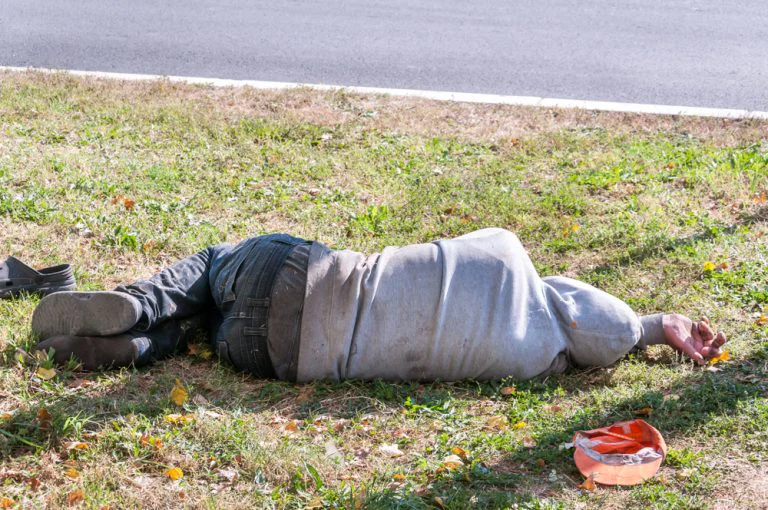
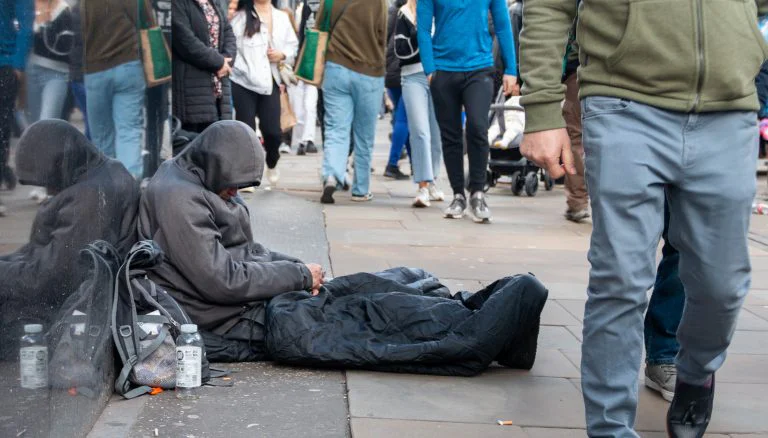
A disproportionate number of drug poisoning deaths in central London involve people who are homeless or in hostels. Deaths and overdoses have triggered alerts in areas with high hostel density – Euston, Camden Town, Soho and the Strand. People sleeping rough face multiple mental and physical health barriers. Parental substance misuse is a major factor in local authority safeguarding proceedings affecting children across London.
London’s nightlife, festivals and student populations drive recreational use of cocaine, MDMA, ketamine and cannabis. While fatal overdoses are less common among younger users, significant non-fatal harm occurs – A&E attendances, acute mental health crises and injuries linked to intoxication. Boroughs with large night-time economies see concentrated service demand on weekend nights.
London’s drug problem is shaped by police strategies, national drug laws and supply economics. Drugs are a primary driver of serious violence with an estimated 4,000 teenagers in London exploited through county lines. The national illicit drug market is worth around £19 billion with total societal cost estimated to be twice that figure.
The London Drugs Forum coordinates multi-agency responses between health and justice sectors. In a recent statement the Mayor’s Office highlighted the need for urgent emergency measures to address rising overdose incidents and drug-related harm. Enforcement alone has not reduced overall harm so there are debates about diversion schemes and drug checking in some boroughs.
London has a patchwork of early warning systems involving local services, police and voluntary organisations. News is a key source of timely information about drug overdoses and toxic drug circulation. The lack of timely information about new synthetic opioids has caused concern among frontline services. In response to toxic drug alerts, outreach agencies like London Cares quickly alerted the community. London Health Sciences put out a Code Orange alert to manage the influx of patients with non-fatal drug overdoses, showing community response capacity. Timely alerts within a week are crucial to prevent overdose deaths and delays in communication can have serious consequences for affected communities.
Community organisations are disseminating information about the dangers of toxic drugs in the street supply but coverage varies by borough.
Beyond deaths, drug use is burdening London’s health, housing and criminal justice systems. Experts say the drug crisis won’t solve itself – immediate coordinated action is needed to prevent further loss of life and support vulnerable communities.
Families are affected by caring responsibilities, lost income and impact on children. Employers across London are dealing with absenteeism and reduced productivity due to substance use.
While ONS and CSEW data are important, they don’t capture all of London’s crisis. Crime Survey data is only available by broad region – not borough – due to sample size. Police data records drug offences not actual harm. Death registration delays mix reporting years and many harms are under-recorded.
Behind every statistic is a person, family and community. The numbers represent lives affected.
This section is for signposting only – not medical advice.
Help and information is available. Drug problems in London are a public health issue affecting whole communities. If you’ve heard concerns about a friend, parent or colleague, support is available. Visit your local council website or call NHS 111 to find out what services can help you.
| Cookie | Duration | Description |
|---|---|---|
| cookielawinfo-checkbox-analytics | 11 months | This cookie is set by GDPR Cookie Consent plugin. The cookie is used to store the user consent for the cookies in the category "Analytics". |
| cookielawinfo-checkbox-functional | 11 months | The cookie is set by GDPR cookie consent to record the user consent for the cookies in the category "Functional". |
| cookielawinfo-checkbox-necessary | 11 months | This cookie is set by GDPR Cookie Consent plugin. The cookies is used to store the user consent for the cookies in the category "Necessary". |
| cookielawinfo-checkbox-others | 11 months | This cookie is set by GDPR Cookie Consent plugin. The cookie is used to store the user consent for the cookies in the category "Other. |
| cookielawinfo-checkbox-performance | 11 months | This cookie is set by GDPR Cookie Consent plugin. The cookie is used to store the user consent for the cookies in the category "Performance". |
| viewed_cookie_policy | 11 months | The cookie is set by the GDPR Cookie Consent plugin and is used to store whether or not user has consented to the use of cookies. It does not store any personal data. |