
Melatonin has become one of the most talked-about sleep supplements of the past few years, with its availability over the counter in countries like the US prompting many people in the UK to try it for themselves. Melatonin supplement usage by U.S. adults has grown more than fivefold in recent decades, highlighting its increasing popularity as a sleep aid.
Melatonin is a natural hormone produced by the human body, specifically in the pineal gland located in the brain, which regulates sleep-wake cycles.
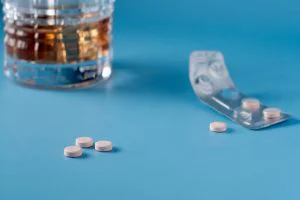
If you’re using melatonin supplements, whether prescribed by your GP or bought abroad, it’s worth understanding how they interact with other things you might consume, including alcohol. Melatonin supplements are generally safe for short-term use when taken as directed, but there are potential risks with long-term use or when combined with substances like alcohol.
Most people know to check the interactions between antibiotics and a glass of wine, but the same consideration rarely extends to sleep supplements.
This page covers what happens when melatonin and alcohol are mixed, why it matters, and what to do if you’ve combined the two.
The short answer to whether or not you can take melatonin with alcohol is ‘no’. The official prescribing information for Circain, which is the only licensed melatonin product in the UK, gets straight to the point on this one.
It states that alcohol should not be taken with melatonin because it reduces the medication’s effectiveness on sleep. The patient information leaflet goes further, advising you not to drink alcohol before, during, or after taking it. Medical professionals generally do not recommend mixing melatonin and alcohol due to increased risks of side effects and reduced effectiveness of sleep.
Remember, melatonin is a prescription-only medicine in the UK , unlike in the US where it’s sold over the counter. If your GP has prescribed it, they’ve done so to address a specific sleep problem. If you’re taking a substance like alcohol with melatonin, this is working directly against what the medication is trying to do for you.
Both melatonin and alcohol act as central nervous system depressants, and for melatonin specifically, the effects are mild. But when you add alcohol into the picture, those effects stack and compound one another. The Circadin prescribing information documents this interaction with other sedatives, noting that there’s increased impairment of attention and coordination when melatonin is combined with alcohol and similar substances. Mixing melatonin with alcohol or other substances that depress the central nervous system can lead to potential dangers, including excessive sedation, impaired coordination, and a greater risk of accidents or falls due to their cumulative effects on the body.
This means you’re more likely to feel excessively drowsy and dizzy when the two are mixed, which matches what the NHS warns, in that alcohol can make all of these side effects worse. Potential side effects of mixing melatonin with alcohol include excessive drowsiness, dizziness, and other adverse reactions, and these risks are heightened when combined with other substances that depress the central nervous system, resulting in a greater risk of severe health consequences and accidents.
There’s also the liver to consider too, as melatonin is processed primarily through the CYP1A2 enzyme pathway. Research suggests that alcohol can inhibit this pathway, which may slow melatonin clearance and extend its sedative effects.
To understand how an alcohol and melatonin combination affects our sleep, we first need to understand how the two work on the body.
Essentially, alcohol makes you feel sleepy, but it actively works against your body’s biological system that melatonin supports. Alcohol use is a major contributor to sleep disruptions and sleeping problems, especially for those already experiencing trouble sleeping.
One study found that alcohol suppressed the body’s natural melatonin secretion by 41% at midnight, with the effect continuing into the early hours. Even moderate drinking, the equivalent of two to three standard drinks, produced a measurable reduction in melatonin levels within a couple of hours. Alcohol consumption can disrupt normal sleep patterns and is associated with long-term health effects, including liver disease and other chronic issues.
On the sleep side of things, the picture is equally clear. A meta analysis found that alcohol delayed REM sleep onset by 18 minutes, reduced REM duration by over 11 minutes and decreased REM sleep overall. The dose-response relationship is important to take note of, too, with every 1g/1kg increase in alcohol, reducing REM sleep durations by over 40 minutes.
So, when you take melatonin after drinking, you’re trying to replace a signal that alcohol is already actively suppressing. The alcohol is also simultaneously ruining the sleep quality that melatonin is prescribed to improve. Essentially, the two are working against each other. Additionally, the liver has to work harder to process both alcohol and melatonin, which can lead to long-term health issues.
There’s no official NHS or MHRA guidance specifying an exact number of hours to wait between drinking and taking melatonin. The patient leaflet’s instruction to avoid alcohol before, during, and after taking Circadin effectively means you shouldn’t combine them on the same evening.
Your body processes roughly one UK unit of alcohol per hour, though this varies depending on weight, sex, liver health, and whether you’ve eaten. If you’ve had three drinks, you’re looking at a minimum of three hours before alcohol is fully cleared, and melatonin takes one to two hours to work, meaning the effects will overlap unless you leave a substantial gap. If you have pre-existing health conditions or are taking medications, consult a healthcare professional or doctor before taking melatonin, as combining alcohol and melatonin may increase the risk of adverse effects.
The safest approach on a night when you’ve been drinking is to skip the melatonin entirely and take it as prescribed the following evening. One missed dose is unlikely to cause problems.
Combining alcohol and melatonin is particularly risky for those with pre-existing health conditions or those taking other medications, and should be avoided unless specifically advised by a healthcare professional. Combining the two is more likely to leave you groggy and poorly rested than either substance alone.
Some groups of people need to be very careful when taking melatonin based on their current or previous relationship with alcohol. In rare cases, individuals may experience unusually severe reactions to mixing melatonin and alcohol, such as hallucinations or significant physical symptoms, making the risks unpredictable for certain people.
Those with a history of alcohol abuse, dependence, or polysubstance use are at greater risk for negative interactions and complications. People with underlying health conditions, such as liver disease or mental health disorders, may also be more vulnerable to side effects. Older adults, those taking multiple medications, and individuals with sleep disorders should consult a healthcare professional before combining melatonin and alcohol.
For anyone struggling with alcohol abuse or polysubstance use, seeking professional treatment and personalized care is crucial. Tailored support and expert intervention can help manage risks and support long-term recovery.
The Circadin prescribing information states that melatonin is not recommended for people with liver impairment, because reduced clearance leads to markedly elevated melatonin levels. If alcohol has already affected your liver function, your body may struggle to process melatonin properly, amplifying its effects. The long term effects of alcohol and melatonin on the liver can include chronic health issues and impaired liver function, highlighting the potential for enduring consequences and the importance of caution when combining these substances.
People with obstructive sleep apnoea should also exercise caution. Combining melatonin and alcohol can worsen symptoms of obstructive sleep apnea by further relaxing airway muscles, increasing the potential dangers of breathing difficulties and dangerous decreases in oxygen levels during sleep. Adding melatonin’s sedative properties on top of this is a combination worth discussing with your GP before trying.
Older adults, who are the primary population for which melatonin is licensed in the UK, face compounded risks from slower metabolism, increased sensitivity to sedatives, and higher fall risk. They should be especially cautious with higher doses of melatonin, as they may be more sensitive to its effects and experts advise that higher doses (such as above 5 mg) can increase the risk of side effects in this population.
Anyone already taking other sedating medications, like benzodiazepines or opiates, should be aware that alcohol creates a triple-sedative scenario that raises the risk of excessive drowsiness and impaired coordination. Combining melatonin, alcohol, and other substances that depress the central nervous system can significantly increase health risks.
If you’ve taken melatonin after drinking and you feel fine, there’s no need to panic. Melatonin has a wide safety margin, and at prescribed doses, the combination is unlikely to cause a medical emergency in otherwise healthy people.
What you should watch for is excessive drowsiness that feels heavier than normal, pronounced dizziness or coordination problems, or any difficulty breathing. Potential side effects and symptoms of mixing melatonin and alcohol include night sweats, dry mouth, stomach ache, strange dreams, vivid dreams, daytime sleepiness, and difficulty waking. If you feel unwell, contact NHS 111 for advice. If someone who has taken both substances is difficult to rouse or showing signs of breathing problems, call 999.
Known side effects of melatonin include nightmares, vivid dreams, daytime sleepiness, dizziness, headaches, low mood, irritation, nausea, and stomach pain, but these are generally mild or short-lived.
Melatonin is cleared from the body within approximately 12 hours, so the effects of the combination will pass. Make sure you’re in a safe environment and don’t drive or operate anything that requires coordination until you feel fully alert.
If you’ve had a drink and you’re struggling to sleep, the honest answer is that no supplement is going to fully counteract what alcohol does to your sleep quality. The research is consistent on this point in that alcohol fragments the second half of the night and suppresses the restorative stages of sleep.11 While alcohol may help some people fall asleep faster initially due to its sedative effects, it ultimately disrupts deep sleep and can even lead to very deep sleep that is difficult to wake from, increasing risks of grogginess and impaired function. This is regardless of what else you take alongside it.
What you can do is give your body the best conditions to recover, by practicing good sleep hygiene methods:
Drink water before bed to offset alcohol’s dehydrating effects
Keep your room cool, dark, and quiet.
Avoid screens if you’re struggling to drift off.
The NHS sleep guidance recommends sticking to consistent sleep and wake times, which helps your circadian rhythm reset more quickly after a disrupted night.
Avoid heavy meals at least 2 hours before bedtime to promote better sleep and prevent sleep disturbances caused by digestion.
Establishing healthy sleep habits, such as maintaining a regular sleep schedule and creating a sleep-friendly environment, is important to encourage sleep and regulate sleep patterns, especially after alcohol use.
If you’re finding that alcohol is becoming your go-to sleep aid, or that you’re regularly facing the melatonin-or-alcohol dilemma, it may be worth speaking to your GP about what’s driving the sleep problem.
If drinking has started to feel like less of a choice and more of a pattern, Rehab Today can talk you through what support is available for alcohol rehab. You can reach us any time for a confidential conversation about your situation.

Perry is the founder of Rehab Today by PCP and opened the first treatment centre at Luton in 2004.
Perry’s background apart from his own personal struggle with addiction over 20 years ago is in the recruitment industry where he started his career and became Finance Director of a UK PLC and in the late 90’s was part of a new start up and became the leading recruitment consultancy in Intellectual Property across Europe.
Perry is passionate about recovery from addiction and liaises with family members to coordinate admissions, often sharing his own experience to help people when they first admit into treatment. Most certainly the driving force behind the success of Rehab Today by PCP which now boasts 60 primary and 68 move on beds in all locations. Perry is a keen fitness fanatic and Arsenal fan!

Dr Otulana is PCP’s longest-serving doctor. He is an experienced Physician with Specialist Interest in Substance Misuse Management and he has a wide range of experience in the assessment and management (including detoxification) of clients with various drug and substance addiction problems. Dr Otulana started practising as a doctor in 2000 and with over 10 years as an Addiction Physician. He is an Advanced Addiction Practitioner Member of Addiction Professionals and also holds the Certificate in Clinical Psychopharmacology (Part 1) of the British Association for Psychopharmacology. He is additionally a strong healthcare services professional with a Master of Business Administration (M.B.A.) degree from Cambridge University Judge Business School.
| Cookie | Duration | Description |
|---|---|---|
| cookielawinfo-checkbox-analytics | 11 months | This cookie is set by GDPR Cookie Consent plugin. The cookie is used to store the user consent for the cookies in the category "Analytics". |
| cookielawinfo-checkbox-functional | 11 months | The cookie is set by GDPR cookie consent to record the user consent for the cookies in the category "Functional". |
| cookielawinfo-checkbox-necessary | 11 months | This cookie is set by GDPR Cookie Consent plugin. The cookies is used to store the user consent for the cookies in the category "Necessary". |
| cookielawinfo-checkbox-others | 11 months | This cookie is set by GDPR Cookie Consent plugin. The cookie is used to store the user consent for the cookies in the category "Other. |
| cookielawinfo-checkbox-performance | 11 months | This cookie is set by GDPR Cookie Consent plugin. The cookie is used to store the user consent for the cookies in the category "Performance". |
| viewed_cookie_policy | 11 months | The cookie is set by the GDPR Cookie Consent plugin and is used to store whether or not user has consented to the use of cookies. It does not store any personal data. |