

What Is California Sober? Why It Can Be Risky?
California sober,’ a term that has become more than common during recent years. Chances are that you might have already heard your friends, celebrities, or someone already battling addiction say that they’re ‘California sober.’ The term has gained a lot of popularity lately and has sparked curiosity among many. California sobriety is another term for this approach, and it is often described as a lifestyle choice that allows for some substance use while abstaining from others.
In simpler terms, California sober is when a person avoids hard drugs but still uses addictive substances occasionally. The California sober approach may allow individuals to drink moderately or use marijuana, rather than practicing complete abstinence. A lot of people have resorted to this lifestyle just because it is more flexible as well as personalised. Going California sober has become a trend among US adults, especially in states with legalized marijuana.
But how does this approach work? Does it have any pros and cons, or can it make staying sober even harder by triggering relapse? Read this guide to get all your queries answered. The rise of legalized marijuana in California has contributed to the popularity of this approach.
What Does California Sober Mean?

The phrase ‘California sober’ started to make rounds on social media when popular figures like Demi Lovato discussed it. The star shared that this lifestyle involves avoiding all addictive drugs except ‘soft drugs’ such as cannabis or alcohol. The California sober approach is considered a harm reduction strategy that allows for the use of certain substances while avoiding so-called hard drugs. While many public figures claimed the approach helped them, addiction experts said it is dangerous and misleading.
Now you must be wondering what hard or soft drugs are. So-called hard drugs are substances that have a high potential of forming physical addiction and are considered more dangerous mind altering substances. Whereas soft drugs have a lower potential for addiction and physical harm. A few of the most common hard drugs include:
● Cocaine.
● Heroin.
● Crystal methamphetamine.
On the other hand, soft drugs might include:
● Cannabis.
● LSD.
● Psilocybin.
● Other psychedelic drugs.
Terms used for these drugs, that is, soft and hard drugs, are often considered controversial. Why? Because the phrase ‘soft drugs’ makes the substances included appear harmless or entirely safe, which is not the case.
Individuals with a California sober lifestyle are also called ‘Cali sober.’ The goal of this practice isn’t to focus on the absence of substances, but is rooted in harm reduction. According to many believers, this approach allows them to get rid of addiction at their own pace. Under this lifestyle, individuals may consume marijuana or use other substances considered less harmful, while abstaining from so-called hard drugs and other substances with higher risk. The California sober approach involves selectively allowing certain substances, such as marijuana or psychedelic drugs, while avoiding other substances that are more likely to cause harm or addiction.
Are People Trusting the California Sober Lifestyle?
Many people with addiction have resorted to the California sober lifestyle just because of its popularity among celebrities. The approach is indeed a growing trend nowadays, but the real question remains the same: Does the California sober lifestyle work for all?
No, unfortunately, the Cali sober lifestyle isn’t for everyone! In fact the approach is not safe at all! And even if someone tries to own it, the devastating consequences it may bring can halt the recovery process. Especially for those who have struggled with addiction in the past, casually drinking or smoking will do more harm to them. For many, the California sober lifestyle can be a slippery slope leading to negative consequences, including relapse or the development of new addictions.
And things don’t stop here! If a person stops using hard drugs as well as soft drugs, the chances of relapse aren’t any less. This is because the withdrawal effects, environmental triggers, and cravings associated with the substance don’t just disappear overnight. Attempts to moderate substance or alcohol use often result in increased alcohol consumption and may not be effective for those with a history of addiction.
To completely get rid of addiction, it is essential to refrain from taking any kind of drug, whether hard or soft. Even though cannabis is a soft drug, it is still the most used addictive substance in the UK. Marijuana use, especially as part of a California sober approach, carries the risk of developing marijuana use disorder. Introducing it into a person’s system just in time when they’re quitting a hard drug addiction is a risky and ineffective approach. The risk of developing other addictions, such as gambling addiction, is also present when addictive patterns are not fully addressed.
Is California Sober Lifestyle Medically Approved?
No, the California sober lifestyle isn’t medically recognized or approved by leading authorities in addiction medicine or by any addiction therapist. In fact, many specialists claim that using weed to replace substance use disorder is inadvisable as it lacks clinical research to prove its effectiveness. Organizations such as the national institute on drug abuse and the national institute on alcohol abuse do not endorse this approach, as it is not supported by evidence-based addiction treatment protocols. Many therapists even claim the approach to be a setback disguised as recovery.
The thing is that recovering from addiction isn’t a straightforward task. Effective addiction treatment and disorder treatment typically involve evidence-based protocols overseen by a medical director or addiction specialist, with medical as well as psychological support to break unhealthy addictive patterns and reinforce healthy habits. Reintroducing any substance into this cycle can trigger relapse and further complicate the healing journey.
Additionally, many studies reveal that addiction recovery works best when there is no drug involved and the journey is supervised by professionals. The California sober lifestyle may sound like an appealing harm-reduction approach, but it can never replace medically structured treatment plans developed within the field of addiction medicine.
If you or someone around you is considering this approach, consult a credible therapist or healthcare practitioner to discuss all available treatment options before making any decision.
Risks of California Sober
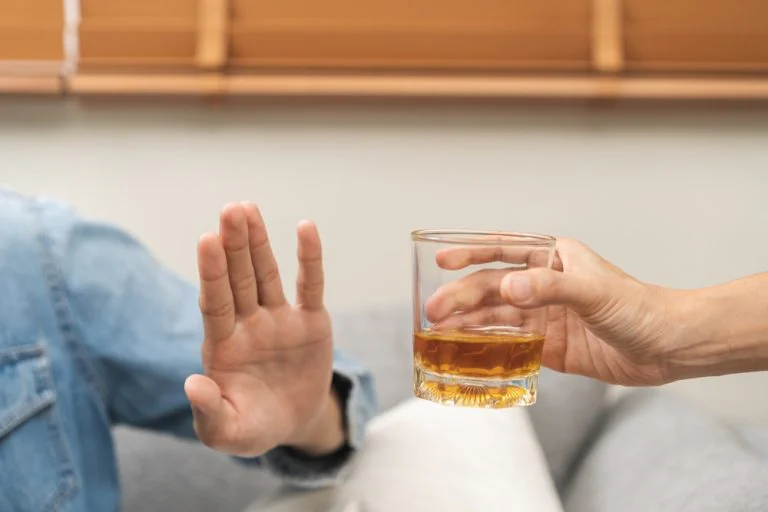
The California sober lifestyle might appear to work at first, but in reality, it carries serious risks that can disturb recovery and worsen addiction. These complications may include:
● High Chances of Relapse: Reintroducing harmful substances or harder drugs during recovery can have serious effects on physical and mental health. Even occasional use can quickly lead to renewed cravings and a return to dependency.
● Limited Medical Evidence: The Cali sober lifestyle has limited medical evidence to support its effectiveness. This means individuals are at risk for increased drug use, drug abuse, and alcohol abuse, especially for those with a history of use disorder. Many followers of this approach are often left vulnerable, tending to withdrawal symptoms all alone.
● Increase in Mental Health Challenges: Using even one drug or one substance can trigger relapse and negative consequences. Soft drugs have a lower potential of causing psychological damage, but their impact can still be devastating. These alternative substances can mask the symptoms temporarily, but will later worsen the addiction.
● False Sense of Control: Substituting other drugs, other substances, or mood altering substances does not lead to a healthier lifestyle and can undermine recovery. Individuals adopting the Cali sober lifestyle convince themselves that they have full control over their addiction. What they forget is that even the slightest exposure to triggers or addictive substances can disturb their perception and have them relapse.
What Is the Difference Between California Sober and True Sobriety?
The California sober lifestyle is mainly a way to enjoy moderation while staying away from hard drugs. However, traditional sobriety is based on complete abstinence and is often recommended for those with alcohol addiction or substance use disorder. True sobriety, or total abstinence, focuses solely on avoiding all addictive substances during recovery. Individuals with alcohol addiction or substance use disorder are generally advised to avoid all addictive substances to support long-term recovery.
True sobriety doesn’t focus on occasional control. Rather, it promotes the healing of the mind and body without the help of any other substance. The plus point? It allows individuals to heal their inner selves, gain emotional stability and most importantly, improve physical health without relying on addictive drugs.
In contrast, the California sober lifestyle keeps the unhealthy patterns alive. These habits can show up eventually and can disturb the brain’s re-wiring process, significantly increasing the chances of relapse.
If you’re in search of a long-term recovery, then true sobriety is the solution. It is supported by professionals, evidence-based therapeutic interventions, and healthy coping mechanisms.
Stance of Addiction Experts and Rehab Centres on California Sober
Addiction experts and rehab centres have varying opinions on the California sober lifestyle. While some claim it reduces harm, there is no clinical evidence to support this, and in most cases, it undermines long-term sobriety. As a matter of fact, a lot of experts also consider it a shortcut that can disturb the healing journey.
Many professionals claim recovery is a process that involves:
● Constant medical supervision to manage detox and withdrawal symptoms. Some treatment programmes may also use addict med or j addict med (medication-assisted treatment) as part of comprehensive care.
● Effective therapeutic interventions to fix the root cause of the addiction.
● Holistic approaches to rebuild emotional resilience.
Recovery circles and peer support groups are also important for maintaining sobriety and providing ongoing community-based support. In rare cases, cannabis use may be considered for individuals with chronic pain, but this should only be done under strict medical supervision.
The California sober lifestyle lacks all of the above elements. As a result, long-term recovery is just impossible to achieve with the Cali sober lifestyle. While for some it may work, for many with pre-existing dependencies, the true sober approach may be effective.
How to Transition From California Sober to True Sobriety?
If you’ve realised that the California sober lifestyle ties you to addictive cycles, transitioning to true sobriety is the healthiest decision you can make. However, individuals with opioid use disorder or a history of near fatal opioid overdose should avoid moderation-based approaches, as these can significantly increase the risk of relapse and serious health consequences. Ensure to seek professional guidance before taking any major step. Once you have an expert at hand, they will make your transition even simpler by helping you with:
● Understanding the need for change. They will explain to you how reintroducing a drug into your routine can trigger cravings and relapse more often, especially for those with opioid use disorder.
● Getting structured and tailored treatment. Recovery is long-lasting when the treatment plans are personalised according to your physical, emotional, and social needs, and also address process addictions such as gambling or compulsive behaviours.
● Developing healthy coping skills. Experts will support you in replacing substance use with positive routines like journaling, exercise, or mindfulness.
● Building accountability. Support groups and therapy sessions will compel you to stay consistent and motivated throughout your healing phase.
Is California Sober the Right Lifestyle for You?

The California sober lifestyle may sound appealing as it focuses on moderation rather than total abstinence. However, it is important to question whether ‘California sober work’ as a recovery strategy is truly effective, and whether marijuana is really a ‘safe alternative’ to alcohol or other drugs. Moderation doesn’t work for people with addictive patterns. It only delays relapse. This approach should be avoided by anyone serious about long-term recovery and seeking a healthier lifestyle.
Before choosing this lifestyle, ask yourself:
● Can I truly moderate my use without slipping back?
● Am I using “California sober” as an excuse to avoid full recovery?
● Do I have the right support system to keep me accountable?
Answering these questions can aid you greatly in choosing the right lifestyle.
Trust PCP for Your Long-Term Recovery!
The California sober lifestyle might seem like an easy balance, but true freedom comes from complete sobriety. Real recovery means more than cutting back. It’s about breaking free from every substance that holds you back.
At Rehab Today by PCP, we do not endorse moderation-based recovery approaches like California sober. Our focus is on complete abstinence, professional guidance, and long-term transformation.
Don’t chase temporary balance, choose lasting transformation. Contact our experts today to begin your journey to genuine sobriety.