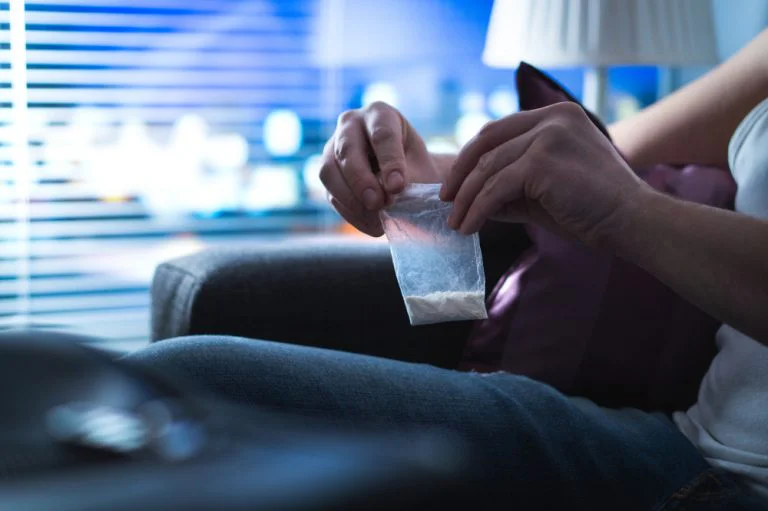




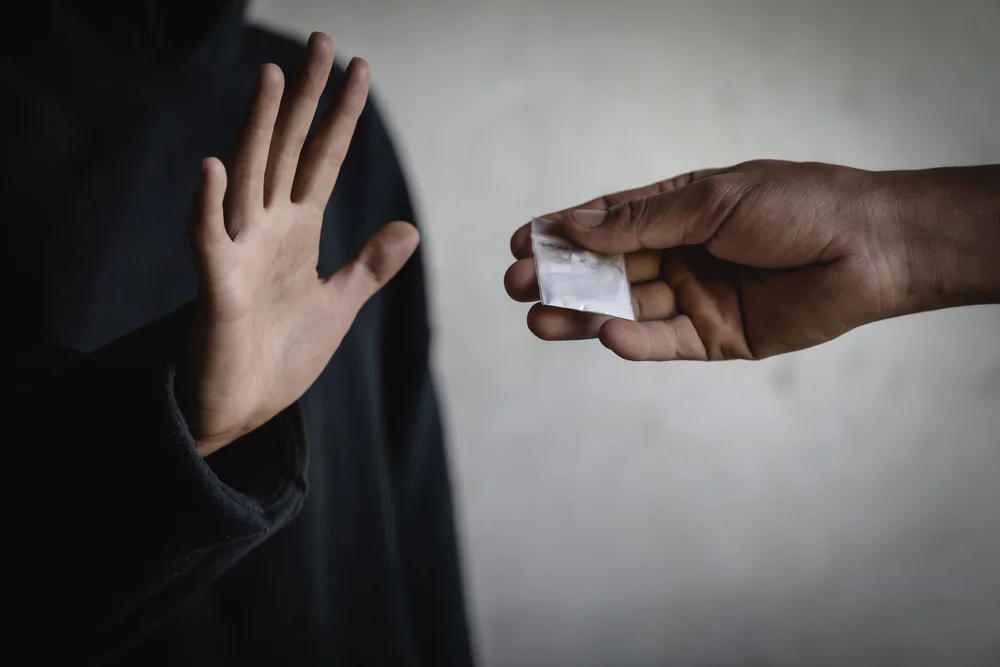
Approximately 976,000 users in the UK abuse cocaine yearly, of which only 137,749 people reported that they sought help. Cocaine is most commonly found as a white powder, known as powder cocaine, but it also exists in the form of crack cocaine, which is usually smoked and is considered more addictive. Many refrain from asking for support because they think they can do it all on their own. What they don’t understand is that this self-reliance of theirs will cost them their health in the long run.
If you or someone around you is also struggling with cocaine abuse, but doesn’t know how to quit, then read this guide. While most people who use cocaine do not become dependent, regular use increases the risk of addiction and other health issues. Taking cocaine or using cocaine with other drugs or alcohol can further increase health risks. In today’s read, we’ll explain how to quit cocaine the safest way. We’ll describe the whole process and the wonders of credible support so you know what to expect once you get started, and how cocaine use can negatively impact lives.
Honestly, cocaine isn’t the addictive substance that may leave your system too soon. It can stay in your urine for about 3 to 4 days and about 1 to 2 days in your blood. Cocaine blocks the reabsorption of dopamine in the brain, leading to a buildup in synapses; cocaine produces feelings of euphoria and increased energy, while also suppressing appetite and contributing to significant weight loss. However, things don’t end there; the real symptoms start to appear once cocaine is out of your system.
This phase can be extremely overpowering, and effects may just not go away for days and weeks. Here’s what makes this withdrawal phase the worst:
● Intense Withdrawal Symptoms: Cocaine withdrawal symptoms can be strong, ranging from anxiety, restlessness, fatigue, or depressed mood. Cravings are also common and can be particularly challenging, often making it difficult to stay away from the drug. These signs are often so disturbing that an individual may not even care about what is happening around them.
● Longer Withdrawal Phases: The withdrawal phase for this substance can be longer compared to other addictive drugs. This can further make the whole quitting process more challenging.
● High Chances of Relapse: Because of the long withdrawal phase and the intense symptoms, individuals may simply end up relapsing rather than quitting the drug. For them, abusing cocaine seems easier than waiting to get rid of the substance from their system.
Cocaine affects both the mind and body, and people who use cocaine regularly may develop a tolerance, needing higher doses to achieve the same effect as before. Some cocaine users can still show clear signs of addiction even without daily use.
No, it is not advised to quit cocaine cold turkey or conduct any detox, including cocaine detox, on your own without any professional support. See, when you’re abusing a drug, your body gets dependent on the effects it produces. Now, when your system isn’t receiving the same “feels,” it will definitely start acting out. Experts recommend medical supervision during cocaine detox, and when unsupervised, this process can have you experience:
● Life-Threatening Complications: Individuals with acute cocaine use can face severe cardiovascular issues, such as irregular heartbeat or even a heart attack, during detox. There is also a risk of overdose during unsupervised detox. Professional help is crucial at this point to administer proper treatment before the condition deteriorates.
● Dehydration and Malnutrition: Cocaine withdrawal can also bring loss of appetite, extreme vomiting, and other physical symptoms in many people. If not managed on time, this can cause an individual to experience dehydration or weakness
● Psychological Distress: People who are already under emotional distress or have frequent suicidal thoughts may suffer even more during the cocaine detox phase. Depression is also a common psychological withdrawal symptom. This is because they are already emotionally vulnerable, and for them, a slight cue can trigger a relapse or self-harming thoughts.
Professional help is essential to cope with both the physical and psychological symptoms of cocaine withdrawal, and in some cases, medication may be used to help manage withdrawal effects.
As of now, you must already be aware of how detoxing at home is the cruellest thing you can do to yourself. It can leave you with psychological wounds and irreversible health problems that may just spiral even more with time. Seeking the right support is essential for quitting cocaine and other addictions, as it provides the guidance and resources needed for a safer recovery through addiction medicine for cocaine and other substance use disorders. Professional support can eliminate all these risks while providing you with the safest and most comfortable surroundings to heal.
Why is professional help so crucial? Because some people struggle not only with cravings but also because psychological dependency can tie self-worth to cocaine use, and timely drug treatment interventions can motivate them to seek professional support before addiction worsens. It offers:
● Structured and Tailored Treatment: Experts know that not every person’s addiction journey might be the same. To ensure all the treatments are effective, they provide every individual with structured and tailored treatment plans. The right support can be especially helpful for those with multiple addictions and co-occurring disorders, as it addresses complex needs. And even if a plan fails to show the results, they are willing to modify it just according to your unique needs.
● Safe and Supportive Detox Environment: Detox is the most complicated phase of quitting cocaine. Professionals ensure this phase is as comfortable as possible. To alleviate the symptoms, they may even prescribe withdrawal medication. If, after all this, the medicines aren’t showing results, they willingly replace them with something better.
● Aid in Identifying Triggers: Expert guidance can help you identify what triggers your relapse. While examining these cues, they will also then propose healthy coping strategies to minimise the risks of relapse. These may also include strategies to reintegrate into society and repair broken bonds.
Deciding to quit cocaine is one of the first steps in quitting cocaine. This is the phase where you have acknowledged you have developed dependency, and you need to get rid of it. Deciding to stop can feel overwhelming, especially if ongoing use has left you feeling trapped, but support is available.
As a first step, talk to someone you trust, such as trusted people or loved ones, about your decision to quit. Involving your family and friends can provide valuable support and encouragement during your recovery.
Free, confidential support for addiction is available in England and Scotland if you are not ready to enter rehab immediately.
Your healing journey begins with:
Research credible rehab centres in your area and seek a professional assessment from a rehab centre or mental healthcare provider that can treat cocaine addiction. Ensure the service provider you choose has good reviews, is transparent about pricing, and can advise whether inpatient treatment or outpatient care is the right option for your needs. Once you start visiting the rehab for cocaine addiction, your medical officer will start connecting with you. He or she may enquire about your addiction, any existing health conditions, and your long-term goals.
Treatment and recovery resources are also available from the National Institute on Drug Abuse.
Joining Narcotics Anonymous can be a valuable step in recovery. Cocaine Anonymous or support from a trusted friend may also help.
Your role here is to be as honest as possible. Your transparency will help the professionals in formulating a treatment plan that is tailored just to your needs.
Once all your information is documented, your doctor will then conduct your cocaine detox. Detox is often safest with inpatient care when symptoms or risks are more severe, and the primary goal is to help you achieve a drug free state and begin your recovery journey while managing cocaine cravings that can be strongest early in withdrawal. This phase can take a serious toll on your physical as well as emotional well-being, and intense cravings can make the early stages especially difficult. Your supervisor will provide you with medications to ease withdrawal symptoms, while medical staff monitor you on a short term basis and respond if risks escalate.
For individuals who inject cocaine, harm reduction strategies such as using clean needles through needle exchange programmes are important to minimise health risks and prevent blood-borne infections, although, like heroin and other drugs, cocaine withdrawal still needs professional oversight even when symptoms are less visibly physical.
After the detox, your therapist may administer evidence-based therapies for counselling for cocaine addiction and broader substance abuse issues, helping to address the underlying cause of your addiction and manage the psychological effects of cocaine use. These therapies can also help you understand why cocaine produces a short-lived high and why that can drive the urge for more cocaine. You might be advised to attend one-to-one counselling sessions or support groups, as therapy can also reduce relapse risk when cravings lead to further drug use.
Some common therapies that you may be enrolled in may include: Cognitive Behavioural Therapy (CBT), Dialectical Behaviour Therapy (DBT) or Equine therapy.
Rehabilitation not only helps in quitting the substance, but aftercare also helps people stay sober after treatment and get back to normal life. For this, experts prepare aftercare and relapse prevention plans, so avoiding the drug becomes easier even after rehab. Aftercare also emphasizes the importance of avoiding substances to prevent relapse. These plans are designed to help individuals steer clear of drug abuse in the future and can lead them back to healthy routines and ongoing accountability.
Don’t know who to rely on for quitting cocaine? You can trust PCP for structured inpatient treatment, expert guidance, and broader addiction treatment support. Our team helps clients and their loved ones take the next step with compassionate, structured care regardless of the severity of your addiction. Contact us today and seek professional help now rather than waiting for cocaine use to worsen.
Overall, recovery from cocaine and other narcotics isn’t something you can achieve overnight. It takes a lot of patience, dedication, and, of course, structured support to overcome dependencies. However, you don’t have to overwhelm yourself with all this. Take one step at a time, be consistent with the treatment, and soon you will be living a sober, healthy life, especially if you continue with aftercare and support groups to stay drug free and help prevent relapse.
| Cookie | Duration | Description |
|---|---|---|
| cookielawinfo-checkbox-analytics | 11 months | This cookie is set by GDPR Cookie Consent plugin. The cookie is used to store the user consent for the cookies in the category "Analytics". |
| cookielawinfo-checkbox-functional | 11 months | The cookie is set by GDPR cookie consent to record the user consent for the cookies in the category "Functional". |
| cookielawinfo-checkbox-necessary | 11 months | This cookie is set by GDPR Cookie Consent plugin. The cookies is used to store the user consent for the cookies in the category "Necessary". |
| cookielawinfo-checkbox-others | 11 months | This cookie is set by GDPR Cookie Consent plugin. The cookie is used to store the user consent for the cookies in the category "Other. |
| cookielawinfo-checkbox-performance | 11 months | This cookie is set by GDPR Cookie Consent plugin. The cookie is used to store the user consent for the cookies in the category "Performance". |
| viewed_cookie_policy | 11 months | The cookie is set by the GDPR Cookie Consent plugin and is used to store whether or not user has consented to the use of cookies. It does not store any personal data. |