


Private Cocaine Detox and Withdrawal Support

During 2024 to 2025, 169,542 adults in the UK entered addiction treatment, with 20% seeking help specifically for issues with cocaine. The prevalence of cocaine misuse and cocaine abuse in the UK continues to rise, highlighting the urgent need for effective intervention. While it is indeed worrying to see these numbers, it is showing one positive: more and more people are actively seeking the help they need for cocaine addiction treatment.
But many are still unaware of the process behind treatment and what certain words and phrases, like cocaine detox, really mean. Cocaine addiction is part of the wider issue of substance use disorders, which require a comprehensive approach to address both the physical and psychological aspects of recovery.
On this page, we aim to introduce you to the ins and outs of cocaine detox, including how it’s carried out, what to be aware of, and most importantly, where you can get the help you need.
What is Cocaine Detox?
Cocaine detox is the first stage of recovery from cocaine addiction, focusing on helping your body and mind adjust once long-term cocaine use stops. The cocaine detox process is a medically supervised detox process involving healthcare professionals who provide medical supervision and medical monitoring to ensure safety and manage withdrawal symptoms throughout the detox process. It involves clearing cocaine from your system and managing the withdrawal symptoms that arise as your brain and body begin to rebalance in the drug’s absence.
During this initial cocaine detox phase, the goal is to stabilise you physically and mentally, giving your system time to reset after prolonged cocaine use. Medical supervision and medical monitoring are essential during this phase to manage withdrawal and withdrawal symptoms, reduce the risk of complications, and provide immediate intervention if needed.
The withdrawal process typically includes an initial intense ‘crash’ followed by lingering emotional and mental symptoms, making professional support crucial. Treatment options include inpatient cocaine detox and residential treatment for those needing structured support and a safe environment. Proper hydration and nutrition are crucial during detox to support the body’s natural healing processes.
What’s Happening in the Brain during Cocaine Detox?
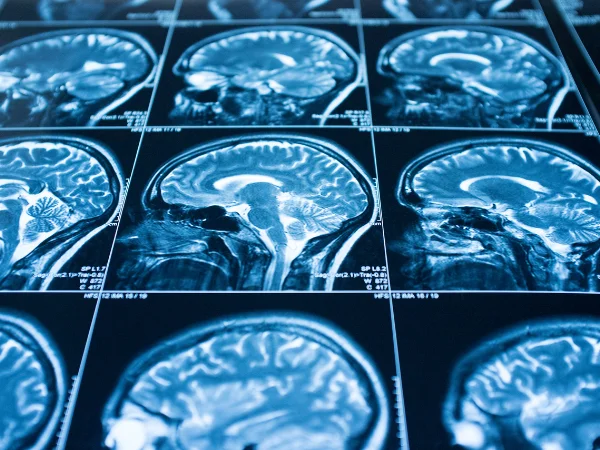
Long-term cocaine usage interferes with the brain’s reward system, a set of circuits that originally evolved to keep us alive. These circuits would reinforce things like eating, sex, social connection and rest, but when cocaine is used, it floods this system with dopamine. This surge is what creates the intense euphoria that is felt when cocaine is used. Powder cocaine is a common form of the drug and is associated with strong psychological dependence and cocaine dependency, making detox particularly challenging.
At the centre of this process is an area of the brain called the nucleus accumbens, and under normal circumstances, it helps us recognise the rewarding experiences we mentioned earlier and remember how to repeat them. Cocaine overstimulates this region, pushing dopamine levels far beyond what the brain is designed to handle. In response to this, the brain begins to adapt by producing less dopamine, or at least becoming less sensitive to it.
So, if you take away the cocaine from the brain, like during cocaine detox, or when stopping cocaine or trying to quit cocaine, you struggle to feel pleasure from everyday life due to the resulting psychological dependence. This gives reason why cocaine withdrawal symptoms occur, which can include:
Intense cravings
Anxiety
Irritability
Low mood
Exhaustion
Sleep issues
Restlessness
Appetite changes
Muscle aches
Tremors
While these symptoms are the first signs that your brain is healing, they’re very intense and difficult to deal with, leading to a range of problems if not dealt with in the correct way. The timeline for cocaine withdrawal differs from other substances because its effects are mainly mental.
How can cocaine withdrawal symptoms impact cocaine detox?

Some drugs, like opioids or alcohol, can present a whole range of different withdrawal symptoms, both physical and psychological. In some cases, they can be inherently dangerous, especially if the person experiences seizures or hallucinations. The symptoms experienced during cocaine detox are a little different in that they are largely psychological, with only a few physical symptoms.
However, it is important to note that physical withdrawal symptoms can still occur, and there is a risk of health complications and severe cocaine withdrawal symptoms that require careful management. But this doesn’t mean that it’s any less difficult than its counterparts.
Cocaine withdrawal can also lead to severe depression and other mental health issues, making professional support essential. Many people experience mood swings during withdrawal, and mood swings are a common psychological symptom that can persist and require ongoing support. The withdrawal process often happens in two phases: a difficult initial ‘crash’ followed by a longer period of lingering symptoms.
In fact, if not managed in a structured and professional way, cocaine symptoms in detox can be just as dangerous as physical ones. Attempting to detox from cocaine safely is crucial, as drug addiction increases the risk of complications. Medical interventions are often necessary to manage withdrawal symptoms, address health complications, and support recovery.
Below, we explore some of these possibilities:
Depression during cocaine detox
One of the most commonly reported experiences during cocaine detox is a deep drop in mood. Research describes a dysphoric state that can pull motivation away almost entirely, making the whole treatment process or even basic daily engagement feel pointless.
When this depressive state is not properly supported, it can carry some serious risks. Studies involving people entering cocaine treatment show a notable prevalence of suicidal thoughts and attempts, especially during the early stages of detox. This alone proves how important it is to have professional support around you during cocaine detox. During this period, emotional and psychological support is crucial to help manage persistent low mood and depression.
As individuals progress through the second and third weeks of detox, withdrawal symptoms usually start to diminish, but psychological symptoms like depression and low mood can persist.
Intense cravings
Feeling intense cravings is another common symptom experienced by many during the cocaine detox stage, as individuals often experience intense cravings that can be difficult to manage.
Research consistently shows that craving strength is one of the strongest predictors of relapse, especially in stimulant use like cocaine. During cocaine withdrawal, individuals may experience intense cravings, agitation, and anxiety within the first 24 hours.
If a person returns to cocaine after a period of abstinence, they’re now at risk for potential overdose, if the ‘usual’ dose is used. During a period of abstinence, even a short one, the body’s tolerance to cocaine decreases, increasing the risk of overdose if the person relapses.
Strong feelings of anxiety
Feelings of anxiety are also another common symptom during the cocaine detox period, which directly affects how well we sleep. Sleep is so important during recovery, and suffering from a lack of it can cause stress and affect concentration, which makes coping strategies difficult to use.
Studies have shown that stress-linked anxiety is closely tied to craving spikes, meaning that emotional discomfort can directly fuel a relapse risk. This shows why emotional regulation support during detox is central to keeping recovery stable. Emotional support from professionals, therapy, and support groups is also crucial, as it helps individuals manage cravings, emotional distress, and psychological dependence throughout the treatment process.
Engaging in physical activity can help reduce stress, improve mood, and decrease cravings during cocaine withdrawal.
Psychological instability
Cocaine detox can bring on some frightening symptoms such as paranoia or short-lived psychotic symptoms, sending your mental well-being into turmoil. Mental health issues are highly prevalent among individuals with substance use disorders, and withdrawal can significantly worsen these concerns.
Literature has consistently shown the strong links between psychiatric symptoms and withdrawal burden with early dropout and difficulty in maintaining therapy when within recovery.
This is exactly why UK guidance emphasises the importance of risk assessment when stimulant withdrawal creates severe mood changes or signs of psychological instability. Timely medical interventions are crucial to manage severe psychological symptoms and prevent crisis situations during detox.
Without this, this stage can escalate into crisis situations that can be dangerous for both the person and the people around them.
A recurring theme through most of these dangers is the fact that they become a true danger when the person going through cocaine detox is not in a professional environment. Many of these dangers, like relapse and even the risk of suicidality, are all carefully monitored in professional treatment settings. This makes ideas like ‘going cold turkey’ or even trying a cocaine detox at home become very risky ideas.
In the next section, we focus more on what these professional treatment settings for cocaine detox include
How is cocaine detox in the UK carried out?

Cocaine withdrawal is experienced in phases, and the first few days can feel very different from the weeks that follow. The cocaine detox process typically involves medical monitoring to ensure safety and manage withdrawal symptoms. Research commonly refers to an initial “crash” in the hours to first few days, followed by a longer withdrawal period where mood and cravings can keep shifting. The withdrawal process often happens in two phases: a difficult initial ‘crash’ and a longer period of lingering symptoms.
With this in mind, it’s crucial to understand how cocaine detox facilities understand these changes and apply the support needed, every step of the way. Professional detox programs offer 24/7 medical monitoring and a comfortable environment conducive to recovery.
Hours to day 3: the “crash” phase
What you might feel:
Profound tiredness or lethargy
Extreme fatigue
Low mood that can feel very heavy
Anxiety or agitation
Sleep issues
Increased appetite
Physical withdrawal symptoms such as muscle aches or tremors
During the first 24 hours of cocaine detox, individuals may experience intense cravings, agitation, and anxiety.
In a professional cocaine detox setting, the priority is safety and stabilisation. You will usually have an initial medical review that checks recent use, physical health, and any risks that need monitoring.
Staff keep a close eye on mood changes and risk, including suicidal thoughts, which can present during cocaine withdrawal for some people.
By the end of the first week of detox, physical symptoms like muscle aches, tremors, and insomnia may become prominent.
Days 4 to 7: symptoms can swing and cravings may strengthen
What you might feel:
Ongoing depression or anxiety that comes in waves
Restlessness that makes it hard to sit with yourself
Further sleep disruption
Trouble concentrating due to brain fog
Strong cravings that feel emotionally urgent
Mood swings, where you may experience mood swings ranging from irritability to emotional lows
Cocaine withdrawal symptoms can include muscle aches, tremors, insomnia, mood swings, irritability, and continued cravings during the first week.
This stage is about helping you get through the mental “pushback” without acting on it. Clinicians and nursing staff monitor distress and appetite changes, and they can intervene early if your mood drops sharply. If symptoms are severe, medicines may be used to treat specific issues like acute anxiety or sleep disruption, in a controlled way that avoids simply swapping one dependence for another.
Week 2 onwards: the longer withdrawal period
What you might feel:
Continued cravings
Ongoing low mood or lack of pleasure (anhedonia)
Erratic sleep patterns that take time to settle
Anxiety that rises with stress or reminders of use
Motivation that returns slowly, with good days and flat days
From this point, the work becomes less about riding out a single crash, and more about preventing relapse while your brain’s reward system steadies itself. Emotional recovery is especially important during this period, as psychological healing can take several weeks to months after physical detoxification from cocaine.
Detox teams continue to monitor mental health, especially depression and risk, and they begin building a structured plan for sustained recovery using evidence-based psychological support. After a month of detox, most physical withdrawal symptoms subside, but psychological cravings and mood-related issues can continue, so ongoing support is crucial for lasting recovery.
Professional cocaine detox vs NHS cocaine detox

What you may have noticed in the last section is that we went into specifics about how cocaine detox works with professional help, but we didn’t mention the setting in which it takes place in.
There are a range of treatment options available for cocaine detox, including medically supervised detox, inpatient and outpatient programmes, and ongoing therapeutic support to address both physical and mental health needs.
You can receive cocaine detox through two main pathways, either through the NHS or private detoxing facilities.
It is important to detox from cocaine safely, as attempting detox without professional support can increase health risks. Without medical monitoring, physical withdrawal symptoms can escalate, and with home detox, there is no immediate access to emergency care if something goes wrong.
Support groups play a crucial role in ongoing recovery, helping individuals manage cravings, emotional challenges, and providing continued support to prevent relapse.
This section isn’t to persuade you which one is better or worse, but rather to help you make an informed decision on which mode is better for you
Cocaine detox through the NHS
If cocaine use is starting to noticeably affect your life, support is available through the NHS. The common assumption is that treatment is only available to you at a crisis point, but NHS drug services are available before things unravel further, as well as after. NHS cocaine detox is provided as part of broader substance use disorders treatment, addressing a range of addictions with a holistic approach.
Access usually begins in one of two ways, you can speak with your GP, who can make a referral on your behalf, or you can contact your local drug treatment service directly and self-refer. Both routes lead to the same assessment process.
The assessment stage is important as clinicians will take time to understand your current overall drug use, physical health, mental wellbeing and your support network at home.
As intrusive as it may feel at first, this information is necessary in order for a care plan to be shaped around your needs. You are then typically assigned a key worker who stays involved throughout treatment, with their job being to help you review progress and adjust support when needed.
NHS guidance is clear that there are no substitute medications for cocaine, meaning detox support focuses on managing the psychological crash and reducing relapse risk. This is done through structured therapies such as cognitive behavioural therapy (CBT), an evidence-based treatment for substance use disorders, and group therapy options.
While most NHS cocaine treatment allows you to continue living at home, more intensive or residential treatment is usually reserved for complex or high-risk situations, providing a structured and supportive environment for recovery.
Cocaine detox in a private treatment setting
Cocaine detox in a private facility is more focused on creating the perfect environment that complements professional detox procedures. Inpatient cocaine detox provides a structured, supportive setting similar to a hospital, ensuring safety and round-the-clock care during withdrawal.
These private facilities understand how difficult it can be to focus on recovery when you’ve got to juggle work and family life which is why cocaine detox is treated as a focused pause.
The process usually begins with a detailed assessment similar to how the NHS performs theirs. This allows staff to anticipate how cocaine withdrawal symptoms may present and create a plan that you will respond well to.
Cocaine detox itself centres on close monitoring of mood changes and structured psychological input to help manage cocaine withdrawal symptoms. Maintaining a balanced diet and healthy diet during detox is essential to support your body’s natural healing and recovery process. Developing healthy habits is also encouraged as part of a comprehensive treatment plan to help you cope with triggers and maintain sobriety. Engaging in physical activity can help reduce stress, improve mood, and decrease cravings during detox.
Short-term medication may be used to ease sleep disruption or agitation where appropriate, but the core of private detox is making sure you’re safe during a vulnerable stage of recovery.
Which cocaine detox option is right for me?
There isn’t a single “right” answer to this question, because the best cocaine detox option depends on how cocaine fits into your life right now. For some people, use has become a constant background presence, which may indicate cocaine dependency or ongoing cocaine abuse. For others, it arrives in bursts that still cause damage, even if they are spaced out. Where you sit on that spectrum matters, especially considering the serious health risks associated with cocaine abuse, including rising mortality rates and the dangers of drug abuse during pregnancy, which can harm both maternal health and foetal development.
What can make this decision difficult is that withdrawal from cocaine is often psychological rather than visibly physical. This can create the impression that detox is something you should be able to manage alone or with minimal support.
Yet the sections above show how destabilising cravings, low mood, fatigue, and impaired judgement can become once use stops. Seeking professional help to quit cocaine is crucial, as medical supervision and a structured approach are essential to manage withdrawal symptoms and prevent relapse.
Professional detox settings are designed to hold that instability, rather than expecting you to carry it on your own. They offer structure during the period when motivation is fragile and decision-making can dramatically change.
Another advantage of professional cocaine detox is that it rarely stands alone. It is usually the first step within a wider treatment plan that includes therapy and aftercare, helping address the reasons cocaine took hold in the first place and reducing the risk of returning to it once detox ends. This marks the beginning of your recovery journey, where ongoing support and tailored strategies are vital to maintain sobriety and achieve long-term success.
What are the next steps?
At PCP, we understand how difficult it can be to absorb all of this information in one go. This is why we recommend speaking with a specialist who can help turn this mess of information into something clearer and more manageable.
Our team can talk you through the cocaine detox options available, explain what support might suit your situation, and answer any questions you may be carrying. From there, a comprehensive assessment helps shape a plan that reflects not only cocaine use, but the wider factors influencing it.
PCP provides drug and alcohol detox services within a safe setting at our CQC-registered facility in Luton, Bedfordshire, supporting people from across the UK. If you’re ready to explore your options, reaching out can be the moment where things begin to feel steadier and more contained.
Frequently asked questions?
What treatment is used for cocaine detox?
Cocaine detox focuses on psychological support and monitoring rather than medication. Treatment helps manage cravings and mood changes while the brain adjusts to the absence of cocaine.
What drug is used to detox from cocaine?
There is no specific drug used to detox from cocaine. Care instead centres on managing symptoms such as anxiety or sleep problems through supportive treatment when clinically appropriate.
How long does cocaine washout last?
Cocaine washout varies, but acute effects usually pass within several days. Psychological symptoms like low mood or cravings can persist longer as brain chemistry gradually stabilises.