


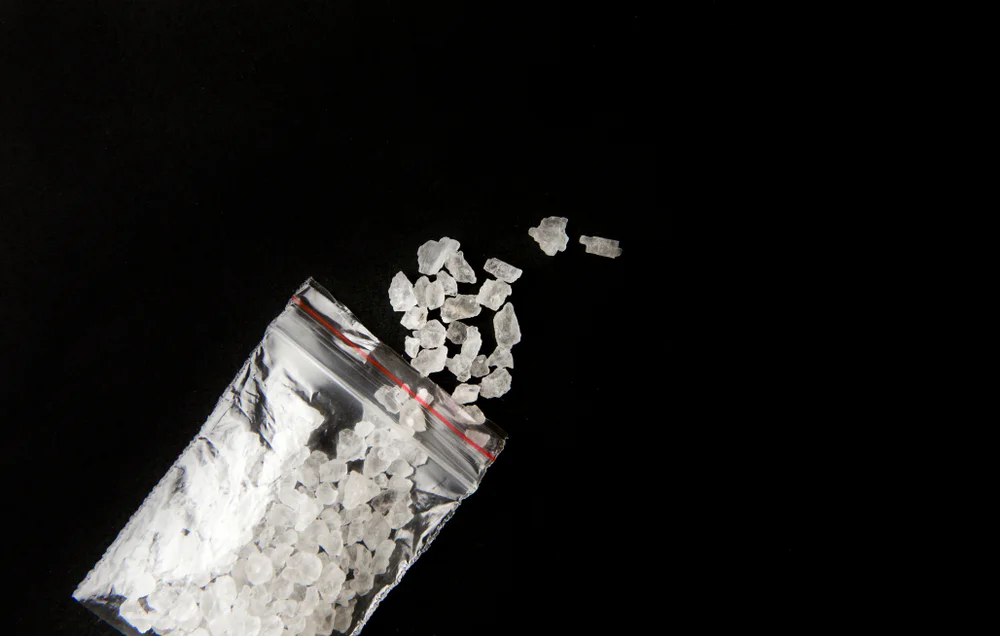
Monkey dust is a synthetic drug, usually made from synthetic cathinones, with powerful stimulant effects that can trigger severe behavioural changes, violence, and addiction. If you are worried about your own monkey dust use, a loved one’s symptoms, or the wider impact addiction is having on your family, this guide explains what monkey dust is, what it contains, its legal status in the UK, how it is sold, why it is used, the risks it creates, and how treatment can help.
In the UK, North Staffordshire reported several cases of monkey dust abuse, many resulting in unusual casualties, and the drug has made headlines for nearly a decade because of the health, social, and legal harm linked to its misuse. Monkey dust is often sold as ‘bath salts’ to evade legal restrictions, which can make it harder to identify and address early.
If monkey dust use is starting to affect health, behaviour, relationships, or daily stability, professional support can make recovery safer and more achievable. At PCP, we provide CQC-registered residential addiction treatment in a safe, supportive setting in Luton, Bedfordshire, helping clients from across the UK begin recovery from stimulant and synthetic drug misuse.
The name “monkey dust” may at first sound like something harmless or just a name out of a sci-fi movie. However, when you get into its details, its effects may make you think twice before falling into its trap. This street drug is actually a synthetic cathinone related to the khat plant, with unpredictable effects. Drugs in this class are commonly referred to as bath salts. It has a lethal reputation for making individuals commit violent behaviour.
The drug started emerging in the UK in the early 2010s. It contained synthetic cathinones, the man-made stimulants, particularly the MDPHP and MDPV. Monkey dust is chemically related to other synthetic cathinones, which can have similar risks and effects. These substances were initially formulated for research purposes, but were later used as stimulants due to their potent effects. In many areas, it is also called Zombie Dust due to its ability to make users appear delusional.
Monkey dust mainly contains cathinones and their variants, but its definite formula is unknown. This chemical makeup can have an intense gripping effect on the central nervous system, mimicking the effects of amphetamines or cocaine, and is chemically similar to stimulant drugs. Monkey dust is classed as a psychoactive substance and is illegal in major jurisdictions including the UK and the US. Nevertheless, the drug’s side effects still remain more intense than other stimulants.
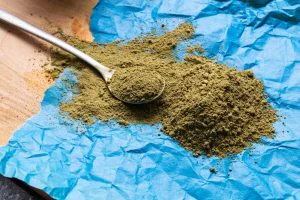
Monkey dust is commonly sold in powder form and can appear off white or yellowish. Users can:
Snort.
Wrap in rolling papers and swallow.
Or smoke in a pipe.
Some people consume monkey dust in these ways, and it can be sold for as little as £2 per dose.
The short answer to this is: no, monkey dust isn’t legal in the UK!
According to the Misuse of Drugs Act 1971, monkey dust is identified as a Class B controlled substance, and it was classified as a Class B drug in the UK in 2010. Over time, drug laws have evolved to regulate substances like monkey dust, with legal restrictions implemented to control their production and sale. Manufacturers and sellers have sometimes tried to circumvent these drug laws by using vague labeling and marketing strategies. As a result, its production, possession or even supply is illegal all across the UK. If anyone is found guilty of doing so, they might be imposed with penalties such as:
Possession: Being caught with monkey dust can result in up to 5 years in prison, an unlimited fine or both.
Supply and Production: Producing or supplying monkey dust can result in an even harsher penalty with up to 14 years in prison, an unlimited fine or both.
With the recent misuse of monkey dust, the UK government has been reviewing the reclassification of the drug into a Class A substance. This modification will then impose even more severe punishments for storing or supplying the drug.
Now, you must be wondering if the substance is illegal, so how come people still have access to it? Well, despite being banned in many countries, especially in the UK, monkey dust can be easily trafficked through:
Local Street Drug Dealers: Monkey dust can be found with local drug dealers around the block, often through the black market. These vendors often operate in areas where legal enforcement isn’t operating, and vulnerable individuals such as teenagers or addicts can freely roam.
Socially Vulnerable Communities: Distributors can also be found in areas where there is high social vulnerability. This includes homeless people or communities where seeking rehab for addiction isn’t an affordable option. In the UK, North Staffordshire has been one of the growing hubs for distributing monkey dust in the nearby areas. Understanding drug use patterns in these communities is crucial for developing effective harm reduction and public health strategies.
The Internet: Online monkey dust is often disguised as “bath salt” to avoid getting caught by the legal authorities, and it has also been mislabelled as a legal high or plant food to avoid restrictions. Moreover, the substance is usually shipped in distinct packages so it can get through the mail undetected.
Monkey dust has received unnecessary hype in recent years due to all the wrong reasons. Despite its potent side effects, its use has been prevalent in many areas, especially the vulnerable communities. But why is this substance getting more common than other stimulants? Monkey dust drug effects, such as intense euphoria and increased energy, contribute to its popularity, but these come with severe risks including behavioural changes, addiction, and harmful physical and mental health consequences. Below are some common reasons that explain the popularity of monkey dust among the public.
If you research, monkey dust use is more prevalent in areas that are underprivileged or have poor living standards. This is because the drug is extremely affordable compared to other traditional stimulants or street drugs, making it attractive to people on a tight budget. In some cases, monkey dust costs as little as £2 per hit. Even for people living in well-developed areas, it is an affordable option to chase a temporary but intense high.
Monkey dust, being a synthetic stimulant, can produce intense highs and has a high addiction potential linked to dopamine surges. In no time, it can elicit intense psychoactive effects, and some users may believe they have superhuman strength while under its influence. Users may also experience severe paranoia as a result of the drug’s stimulant properties. This is particularly appealing to people who are seeking a thrill or need an instant getaway to forget emotional pain.
As discussed earlier, monkey dust can be easily obtained from street drug dealers, reflecting how it has spread through the wider drug market. Furthermore, if it is obtained through mail, it is disguised, making its regulation and detection even harder for the legal authorities.
Many people don’t realise how dangerous monkey dust is until it is too late. Many assume monkey dust abuse is always linked to obvious aggressive behaviour, but in reality, the warning signs can be subtle and easily missed. They start abusing a drug just because it appeared in the news or is becoming popular. What they forget is that this curiosity to try everything that’s in the headlines can land them in a never-ending addiction cycle.
Behind the short-lived high and low price tag lies a world of chaos, harm, and broken bonds. With frequent use, dependence can quickly develop and may worsen mental health issues over time. Monkey dust disturbs every domain of your life. It can devastate your body, mind, soul, with risks such as severe dehydration and hyperthermia, and have you involved in:
Taking monkey dust can cause extreme paranoia and hallucinations as major psychological effects. Because of this, users may often report paranoia, anxiety, or even panic attacks. The condition isn’t only harmful to the user himself but is also dangerous to the people around them, and these psychological effects can persist for days after use.
Remember the incident where a man stuck up a 32ft lamp-post and was then stranded at the top until firefighters rescued him? Yes, the man was under the influence of monkey dust while doing this bizarre act. This is what the substance can do to your brain, and monkey dust users may show unusual, dangerous or aggressive behaviour.
Society usually avoids interacting with those who are going through addiction. It is not because they don’t care, but they are afraid of getting hurt. Consequently, the person going through addiction is often left isolated, dealing with family and friends conflict, and some people turn to monkey dust for temporary relief, which can deepen isolation and conflict.
The drug can make a person feel aggressive or irritable. Under the influence, users may commit violent behaviours without thinking about the consequences it may bring. In many cases, users have also attempted to harm themselves or even commit suicide.
Monkey dust can numb the brain, hence not allowing the user to feel pain, emotions or any emergency. This often restrains them from seeking medical support as they aren’t able to sense if something is wrong.
The drug’s strong psychoactive properties can make treatment challenging because rehabilitation programmes address both physical and psychological dependence. However, many people struggling with monkey dust do recover with structured support and supervised care.
Support services can include inpatient and outpatient options depending on individual need, and treatment often begins with:
This involves a thorough evaluation by a mental healthcare professional. During this phase, your doctor may investigate when and how your addiction started. They will also evaluate the severity of your dependency and check for any co-occurring mental health conditions. This will help the experts to come up with a specialised treatment plan just according to your needs.
The withdrawal phase of monkey dust can trigger aggression, paranoia, psychosis, and many other psychological complications. It is best to conduct the detox process in a rehab so medical help can be administered whenever needed.
After your detox phase is over, your medical supervisor will then initiate therapeutic interventions to fix the underlying issues. Most often, Cognitive Behavioural Therapy is applied to change destructive thought patterns and develop healthier coping strategies.
Your doctor may also resort to non-traditional methods such as practising mindfulness or meditation. If you have any underlying traumas that need to be resolved, you may also undergo EMDR (Eye movement desensitisation and reprocessing) therapy.
During addiction, your loved ones suffer alongside you. To restore the ties, your therapist may encourage you and your family to attend family therapy. These sessions will allow both of you to address your hurt, rebuild broken trust, and walk the healing journey together.
Moreover, to integrate back into society, peer support groups can also play a crucial role. They can help you develop accountability, reduce isolation, and stay firm on the path to recovery.
To help you live and maintain a sober life even after rehab, your doctor will give you an aftercare plan. It may include schedules for continued therapy, regular check-ins with the therapist, and a relapse prevention plan.
Unsure of where to seek professional support for treating monkey dust abuse? You can always trust the expert guidance at PCP (the Perry Clayman Project). We have a credible team of professionals that is trained to treat every addiction with care, compassion, and confidentiality. Reach out to us today to begin your healing journey.
When dealing with monkey dust addiction, never compromise on expert support. This is because the substance’s potent nature can result in:
Severe Psychosis: Monkey dust abuse can trigger extreme paranoia, hallucinations, and delusions that may be impossible to manage all alone.
Unpredictable Withdrawal Symptoms: Users may experience mood swings, aggression, anxiety, and even suicidal thoughts. Without professional support, these symptoms may increase the likelihood of a relapse.
Risk of Unknown Substances Mix: As the substance is obtained from local street vendors, it’s not regulated for safety, increasing the chances of developing risky health conditions.
The addictive nature and withdrawal symptoms of monkey dust may sound terrifying, but this must not hold you back from seeking support. You don’t have to suffer alone. Seek help from professionals who understand what you’re going through and can guide you toward recovery.
Remember, no matter how far things have gone, recovery is always within reach.
Common street names for Monkey Dust include “bath salts” and “MDPV”.
The wide appeal of Monkey Dust can be attributed to its affordability, potent effects and the ease at which it is available.
Monkeys are a big problem. Dust use can have serious negative impacts, including physical harm, psychological issues and social repercussions such as financial difficulties and strained relationships.
When someone suffers from an addiction to monkey dust, they can rely on therapy, rehab programs and the support of their loved ones in order to overcome it. Such treatments are essential for anyone looking for a cure.
n the UK, Monkey Dust is currently classified as a Class B drug. There are attempts to raise it to a higher level of classification – that being Class A.
| Cookie | Duration | Description |
|---|---|---|
| cookielawinfo-checkbox-analytics | 11 months | This cookie is set by GDPR Cookie Consent plugin. The cookie is used to store the user consent for the cookies in the category "Analytics". |
| cookielawinfo-checkbox-functional | 11 months | The cookie is set by GDPR cookie consent to record the user consent for the cookies in the category "Functional". |
| cookielawinfo-checkbox-necessary | 11 months | This cookie is set by GDPR Cookie Consent plugin. The cookies is used to store the user consent for the cookies in the category "Necessary". |
| cookielawinfo-checkbox-others | 11 months | This cookie is set by GDPR Cookie Consent plugin. The cookie is used to store the user consent for the cookies in the category "Other. |
| cookielawinfo-checkbox-performance | 11 months | This cookie is set by GDPR Cookie Consent plugin. The cookie is used to store the user consent for the cookies in the category "Performance". |
| viewed_cookie_policy | 11 months | The cookie is set by the GDPR Cookie Consent plugin and is used to store whether or not user has consented to the use of cookies. It does not store any personal data. |