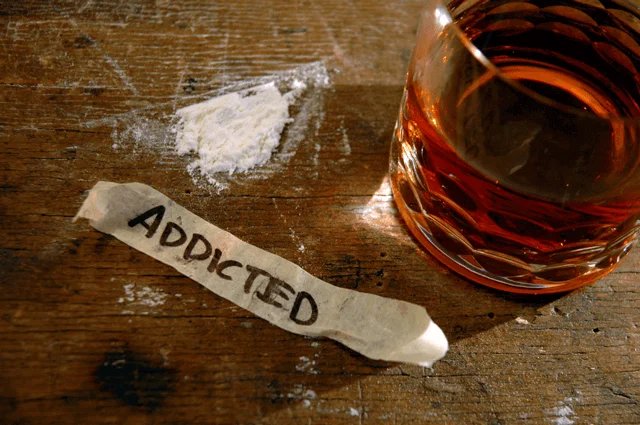

The use of cocaine in today’s society has become more common. According to the UK’s Office for National Statistics, the number of users hasn’t decreased at all in the past year. Surveys suggest that 2024 reported 3.8% of cocaine use among young people in Wales and England.
If you or someone you love is struggling with cocaine dependency, you’re not alone. Taking the first step toward recovery starts with understanding how long the drug stays in the body. Today’s guide will walk you through the complete cocaine detox timeline. We will be including the factors that affect the process and strategies to support a smoother and effective detox program. Additionally, this article will explain detection times for cocaine in the body and what influences them.
Learn more about cocaine rehab and what to expect from the recovery process here.
Cocaine’s effects can be both immediate and long-lasting, impacting users in various ways depending on the method of consumption and duration of use.
Cocaine is an illegal drug that produces euphoric effects when consumed. This drug is known to directly attack our central nervous system to produce feelings of pleasure. Its origin dates back to the 19th century, where it was used for medical and recreational purposes only. However, now, considering its addictive nature, many countries have declared it illegal for non-medical use.
Despite the ban, 22 million people are still using cocaine worldwide. The drug is quite popular among teenagers for its brief yet intense high. While its effects can typically last for an hour or two, the impact can be damaging to your mental as well as physical h
Several factors, including the method of use, influence how cocaine affects the body and how long it stays detectable.
Unlike other drugs that can be either smoked or consumed, cocaine can be used in several ways, such as:
● Snorting: This is the most common method to use cocaine. Here, powdered cocaine is inhaled through the nose. The effects merely take a few minutes to take place and can last for about an hour.
● Injecting: Another way to consume cocaine is to mix it with water and inject it into the bloodstream with a syringe. Now this method can produce some immediate effects, but it also increases the chance of getting infections or overdosing.
● Smoking: This process involves inhaling the smoke from crack cocaine using a pipe. Here, the effects can be even more rapid and can pose a greater risk of addiction and lung cancer.
● Intense craving for the drug
● Increase tolerance
● Mood swings
● Agitation
● Depression
● Anxiety
● Fatigue
● Disturbed sleeping patterns
Withdrawal from cocaine can cause psychological symptoms such as depression, anxiety, and irritability.
Cocaine use can have serious and lasting consequences for both physical and mental health. In the short term, taking cocaine often results in intense euphoria, increased heart rate, and high blood pressure, which can put significant strain on the body. Over time, repeated cocaine use can lead to long term effects such as cardiovascular disease, respiratory complications, and a higher risk of mental health disorders like anxiety and depression. Cocaine addiction can also disrupt daily life, relationships, and overall well-being. Additionally, cocaine exposure is especially dangerous for pregnant women and breastfeeding mothers, as the drug can pass into breast milk and negatively affect infant health. Understanding the full range of effects of cocaine is essential for anyone considering drug use, and highlights the importance of seeking help and support when facing the challenges of cocaine addiction.
Cocaine acts pretty fast on our central nervous system. Once it is consumed, it quickly gets into the bloodstream and travels to the brain directly. The result? A quick surge of dopamine, also known as the feel-good hormone. But this breakdown process isn’t that straightforward. It involves complicated science and several other essential factors.
Impaired liver function can slow the metabolism and elimination of cocaine, which may prolong its detection time.
How cocaine is metabolised by our body also depends on the way it was consumed.
● Smoking: Metabolism here works way too fast. Cocaine in this method first gets absorbed by the lungs, then the bloodstream and finally to the liver.
● Injecting: Cocaine is metabolised more quickly when injected as compared to smoking. Why? Here, the drug does not have to pass through any additional barrier. It directly travels to the bloodstream and then to the liver.
● Snorting: When cocaine is snorted through the nose, it is first absorbed by the nasal tissues and then the bloodstream or the liver. As a result, the metabolism here is comparatively slow compared to other administration methods.
The liver is the key player in metabolising cocaine. When this drug gets into the blood, it is then transported into the liver. Here it is broken down into byproducts such as benzoylecgonine and ecgonine methyl ester. These are then excreted through the urine over time.
Now, initially, our liver may regulate this process efficiently. However, with the passing time, due to pressure on the liver’s filtering system, this organ may fail. Eventually, the toxic byproducts may end up getting accumulated in our body, leading to liver failure in worst-case scenarios.
Every substance has a different half-life. This is the time consumed by half of the amount of the drug to leave the body. Compared to other addictive substances, cocaine has a shorter half-life, ranging from 0.7 to 1.5 hours. Yes, the effects of this drug can wear off immediately. Yet its traces, such as the byproducts, can remain in the body for several days. Even after the effects have worn off, cocaine and its metabolites can remain detectable in the body for several days, depending on the testing method used.
A drug screen can include various types of tests, such as urine, blood, hair, or saliva tests, to detect cocaine use and its metabolites.
Effective drug tests to detect cocaine in your system are:
Urine tests are the most effective cocaine detection tests. Urine samples are tested for cocaine metabolites, which can remain there for up to four days.
In this drug test, an individual’s blood is tested for traces of cocaine. Blood cocaine is typically detectable for only a short period after use due to rapid metabolism. But cocaine can quickly clear out from the blood. As a result, this detection is accurate and possible only up to 12 hours after taking the dose.
Saliva tests are a non-invasive way to detect recent cocaine use.
This is the easiest drug detection test. A person’s saliva sample is obtained to detect the use of cocaine and is effective for up to 2 days after the last dose.
|
Drug Detection Test |
Urine Test |
Blood Test |
Saliva Test |
|---|---|---|---|
|
Detection Window |
3 days 2 weeks for regular users |
Up to 12 hours |
Up to 2 days |
Typically, when someone consumes a drug, they cannot just expect it to leave their system in an hour or so. While the effects may wear out during this period, their metabolites may remain in the body for a longer time. And in many cases, these byproducts may be detected in various body fluids such as urine, blood, or saliva for up to weeks.
Cocaine can stay in your system longer if it is combined with substances like alcohol, as this can slow down the elimination of cocaine and its metabolites.
Cocaine’s metabolites can also take a considerable time to leave the human body. Various tests are often used to detect the presence of the drug. The thing about cocaine, as well as any drug, is that it doesn’t leave the body all at once. It gets through the system gradually. So often it may be in the urine but not in the blood. Detection times can vary depending on individual factors such as metabolism, frequency of use, and the type of test administered.
Here’s a more elaborate timeline on how long cocaine stays in different parts of our system:
● Saliva: After last use, cocaine or its metabolites can be detected in the saliva for up to 2 days.
● Blood: Even after 12 hours of taking the last dose of cocaine, its traces can still be evident in human blood. Moreover, its metabolite, such as benzoylecgonine, can stay in the blood for up to 48 hours.
● Urine: Cocaine can stay in urine samples for up to 3 days after the last dose. Additionally, the urine drug test may often turn out positive for occasional cocaine users for up to 2 weeks.
Various factors that can affect cocaine and its metabolites in our body are:
● Occasional vs. Frequent Users: If you’re someone who uses cocaine occasionally, your body will flush cocaine at a faster rate. In contrast, if you’re a heavy consumer, over time your system may form cocaine buildup, which can prolong the drug elimination process. Additionally, using more cocaine at once can lead to higher concentrations in the body and prolong the elimination process.
● Metabolism Rate and Body Mass: People with a high metabolic rate can metabolise cocaine and get rid of it from their systems more quickly, and vice versa. Body mass also plays an important role. For instance, those with higher fat content may retain cocaine metabolites for an extended time compared to those with lower body fat.
● Age and Overall Health Condition: With age, metabolism rates can drop and cause the drug to stay longer in the system than usual. In the same manner, health conditions such as kidney or liver failure may also impact the rate at which cocaine leaves the body.
Besides the factors mentioned above, there can be certain conditions when cocaine may literally take forever to get out of your system. Despite days, weeks, and in rare cases even months, the drug may still be detectable in your body. This may be due to the reasons such as:
Mixing cocaine with other substances can have varying effects on the human body. While cocaine can impact the way our brain works, evidence is limited about it slowing down metabolism. Nevertheless, when combined with other substances, it can interfere with the elimination process.
This delay can occur because some addictive substances can slow down the way our metabolism works. In combination with another drug, cocaine will be metabolised more slowly and will remain longer in our system.
Some combinations to steer clear of when detoxing from cocaine are:
● Alcohol
● Opioids
Drinking alcohol with cocaine can produce dangerous compounds, such as cocaethylene, which increase health risks and can prolong the time cocaine stays in the system.
People who use cocaine regularly for a long time may test positive for the drug even weeks after their last dose. This is because the metabolites can accumulate in the system and slow down the elimination process.
In some cases, especially with certain types of drug tests, cocaine use can be detected for up to three months.
There is no way an individual can just accelerate the process through which cocaine can rapidly leave the body. Quick fixes don’t always work, and even if they do, they may come at the cost of your precious health. Nonetheless, there are healthier strategies that can help your body eliminate the toxic metabolites more gently, such as:
Don’t over-stress your brain on how and when the body will get rid of the drug. Try to be easy on yourself and let your organs, such as the kidneys and liver, do their work. Meanwhile, relax and stay away from addictive substances.
Begin eating whole foods rich in antioxidants and avoid processed foods that may play with your hormones or cravings. Moreover, ensure to drink plenty of water and water-based non-addictive beverages. When you are hydrated and healthy, your metabolism will work faster and will eliminate toxins earlier than expected.
Another technique to increase your metabolic rate is by staying active. Regularly exercise and engage in activities that promote sweating. Doing so will greatly help in decreasing the time of cocaine to leave your body and will keep you away from triggers.
When nothing is working out, don’t hesitate to seek professional help. Getting rid of cocaine addiction isn’t an overnight process. This journey can be extremely overwhelming, and knowing you have someone by your side can make the whole process more manageable.
You can reach out to your medical healthcare professional and discuss your goals with them. Such experts have all the tools to safely and effectively get rid of the drug from your system. Depending on our condition, they may prescribe you:
● Medication-Assisted Treatment (MAT)
● Behavioural therapies such as CBT
● Group therapies
● Inpatient or outpatient rehab options for cocaine addiction
Finding the right treatment tailored to your individual needs is crucial for effective recovery.
When the human body is getting rid of an addictive substance such as cocaine, it goes through several phases. These changes follow a specific timeline, as given below:
● 8 to 24 Hours: Withdrawal symptoms may start to arise, such as fatigue, irritability, and hostility.
● 1 to 3 Days: Cravings may peak, and symptoms may result in psychological problems such as anxiety or depression.
● 4 to 7 Days: Symptoms may ease a bit, but cravings might still persist.
● 1 to 3 Weeks: Mood swings become less frequent, and sleeping patterns begin to improve.
● First Month and Beyond: Recovery begins officially. Cravings may often appear out of nowhere, but are now easier to manage.
Hopefully, now you are more equipped with how long cocaine stays in your body and what factors can affect this duration. With all this in mind, remember not to overburden yourself with guilt or shame. Recovery is an ongoing process. And identifying the cause and working on it is the first step in your healing journey.
If you think you can’t go through this journey alone, don’t hesitate to contact us. At Rehab Today by PCP (the Perry Clayman Project), we understand the challenges of addiction. Our experts are here to offer any kind of support you need.
Additionally, consider joining support groups to connect with others, gain emotional reinforcement, and find a sense of community during your recovery.
Best of luck!

Dr Otulana is PCP’s longest-serving doctor. He is an experienced Physician with Specialist Interest in Substance Misuse Management and he has a wide range of experience in the assessment and management (including detoxification) of clients with various drug and substance addiction problems. Dr Otulana started practising as a doctor in 2000 and with over 10 years as an Addiction Physician. He is an Advanced Addiction Practitioner Member of Addiction Professionals and also holds the Certificate in Clinical Psychopharmacology (Part 1) of the British Association for Psychopharmacology. He is additionally a strong healthcare services professional with a Master of Business Administration (M.B.A.) degree from Cambridge University Judge Business School.
| Cookie | Duration | Description |
|---|---|---|
| cookielawinfo-checkbox-analytics | 11 months | This cookie is set by GDPR Cookie Consent plugin. The cookie is used to store the user consent for the cookies in the category "Analytics". |
| cookielawinfo-checkbox-functional | 11 months | The cookie is set by GDPR cookie consent to record the user consent for the cookies in the category "Functional". |
| cookielawinfo-checkbox-necessary | 11 months | This cookie is set by GDPR Cookie Consent plugin. The cookies is used to store the user consent for the cookies in the category "Necessary". |
| cookielawinfo-checkbox-others | 11 months | This cookie is set by GDPR Cookie Consent plugin. The cookie is used to store the user consent for the cookies in the category "Other. |
| cookielawinfo-checkbox-performance | 11 months | This cookie is set by GDPR Cookie Consent plugin. The cookie is used to store the user consent for the cookies in the category "Performance". |
| viewed_cookie_policy | 11 months | The cookie is set by the GDPR Cookie Consent plugin and is used to store whether or not user has consented to the use of cookies. It does not store any personal data. |