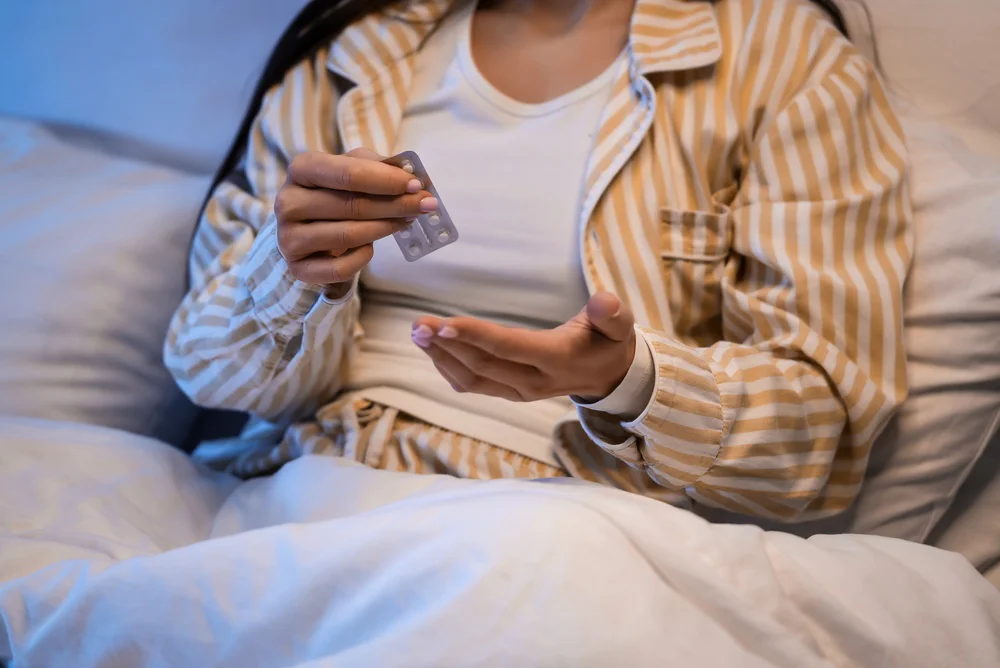
Zaleplon can be addictive, and even though it was removed from the UK prescription list over a decade ago, it has not disappeared. It is still sold through private online pharmacies and brought in from abroad, and some people develop both physical and psychological dependence while using it as a sleep aid.
If that sounds like you, or someone you care about, this guide is written for adults in the UK dealing with Zaleplon addiction or dependence, as well as families trying to understand what is happening and what support is available. It explains what Zaleplon is, its legal status in the UK, how addiction can develop, what withdrawal symptoms and timelines to expect, how detox works, which rehab and therapy options may help, what aftercare involves, and where to reach out for safe, effective help.
Because Zaleplon is still privately accessed despite no longer being routinely prescribed in the UK, the risk of harmful dependency has not gone away, and stopping without support can be difficult. If you need to stop safely and get your sleep back on your own terms, Zaleplon addiction treatment can help.
Whether you were prescribed Zaleplon in the past or have been sourcing it privately, our team can help you stop safely. Fill in our callback form for a free, confidential conversation, or call us now to talk things through with someone who understands.
Zaleplon is a sedative sleep aid typically prescribed for short-term use to treat insomnia. The drug belongs to a group of drugs known as Z-drugs, which also includes zopiclone and zolpidem. Zaleplon is best known for its brand name Sonata, but it has also been sold under names like Starnoc and Andante.
Zaleplon is effective due to how it works on the brain’s GABA system within the central nervous system, the body’s main calming chemical messenger. When Zaleplon is taken, it helps boost the calming effect, resulting in slower brain activity and inducing sleep. Complex sleep behaviours such as sleepwalking and sleep driving can also occur. There’s more to how this works, and it’s the same mechanism that gives Zaleplon its potential for addiction, which is something we cover in more detail later on this page.
There’s plenty of misinformation online surrounding Zaleplon and its legality in the UK, so it’s something worth clearing up.
Zaleplon was once licensed in the UK and across Europe, and back in 2004 it was assessed by NICE for short-term insomnia. But the company that made Sonata withdrew it from the European market in 2015. This was a commercial decision by the manufacturer, rather than anything to do with safety, which explains why it’s still available in other countries, like the US.
That said, the drug hasn’t completely disappeared in the UK. It’s no longer prescribed on the NHS, but some people still source it through online pharmacies, overseas suppliers or street dealers. If this is something you do, it’s worth knowing that Zaleplon is a Class C controlled drug in the UK, and while having it without a prescription carries some legal risk, supplying or selling it is treated far more seriously.
Z-drugs like Zaleplon were introduced as a safer alternative to benzodiazepines, which are well known for their high risk of dependency, but sonata addiction and zaleplon addiction can still develop. Zaleplon was designed to do a similar job but with less of the risk attached to it. But lower risk doesn’t equate to zero risk, and Zaleplon can still lead to dependency, especially when people begin taking higher doses than intended for short term relief. For anyone asking whether Zaleplon is addictive, the answer is that it can be.
If Zaleplon is taken night after night, the brain starts to become used to the effects it brings. Once this adjustment takes place, tolerance begins to rise, meaning you need more of the drug to get the initial effects.
When Zaleplon is taken away abruptly, or the dosage is reduced, it leaves everything off balance within the brain, which causes uncomfortable withdrawal symptoms.
Zaleplon’s half-life is another factor, as it clears the body within a couple of hours.This can cause some people to reach the point where they wake up in the night and take a second dose to fall back asleep.
The psychological pull of Zaleplon is another important factor. If a person is struggling with insomnia and Zaleplon allows for that much-needed night of rest, it’s easy to fall into the trap of feeling as though sleep is only possible with a pill. In some cases, the psychological dependency can become just as strong as the physical side of things, and when the two combine, it can be a very difficult cycle to get out of.
A Zaleplon addiction is quite difficult to spot, especially when we compare it to the signs of an alcohol addiction, which usually become visible to those around the person. Unless you share the same sleep routine with the other person, it’s something you’re not likely to take notice of. It’s also very easy to lose track of your own relationship with the drug if you’re taking it yourself. If it’s helping you get that good night’s sleep you’ve been craving, you’re much more inclined to continue taking it.
There are warning signs, though, and when they start to cluster, it can become clearer that a sleeping pill like Zaleplon is becoming problematic, and abusing Sonata can also affect mental functioning over time.
Signs include:
Needing a higher dose to get the same effect
Taking Zaleplon more frequently than intended
Feeling unable to sleep without it
Buying Zaleplon online or from other sources to keep a supply
Feeling anxious at the thought of going without it
Experiencing withdrawal symptoms when stopping or lowering the dosage, including memory problems
Wanting to stop but finding you can’t
Carrying on despite the problems it’s causing, including mood swings
If a few of these signs feel familiar in the person you’re worried about, or even yourself, it’s an indicator to take the situation seriously.
As we mentioned in the previous sections, stopping or lowering the dosage of Zaleplon abruptly can cause withdrawal symptoms, and because the drug is cleared from the body so quickly, these can start sooner than they would with other sedatives.
One of the standout symptoms of Zaleplon withdrawal is something called rebound insomnia, where sleep comes back worse than it was before the drug was ever taken. Beyond that, the symptoms resemble a benzodiazepine withdrawal, with common symptoms including:
Anxiety
Restlessness
Irritability
Low mood
Sweating
Tremors
Nausea
In more serious cases, usually at high doses or long-term use, withdrawal can become more serious with seizures. While this isn’t common, the possibility is still there, which is why stopping the drug suddenly on your own isn’t advised.
Before we get into the timeline, it’s important to understand that the medical literature doesn’t show a fixed schedule for Zaleplon withdrawal. If you read elsewhere that there is one, it’s worth treating it with caution.
How long Zaleplon withdrawal lasts, or how hard it hits, comes down to the dose, how long it’s been used, and a person’s general health.
It’s also worth being clear that much of what is understood about Zaleplon withdrawal comes from what is already known about Z-drugs and benzodiazepines in general, rather than it being Zaleplon-specific.
Nevertheless, what follows is a general idea of the Zaleplon withdrawal timeline:
Because Zaleplon clears the body within hours, the first symptoms can present within a few hours of a missed dose. Rebound insomnia and anxiety may occur during this stage.
This is where symptoms like sleeplessness, anxiety, restlessness and irritability peak. Physical symptoms like sweating or shaking may also present.
The most difficult symptoms usually start to settle in the second week, but sleep may still stay broken and mood might be low for a while.
Most of the physical side of withdrawal has passed by now, but things like anxiety and sleep issues may continue for several weeks, especially if the root cause of the insomnia was never dealt with, and some people need support to manage insomnia with alternative treatments rather than returning to sleep medications.
A Zaleplon detox is the process of clearing Zaleplon from the body while keeping the withdrawal symptoms manageable. For a sedative like this, the goal is never to stop all at once, and instead, the dose is brought down slowly and steadily. This keeps symptoms under control and lowers the risk of the more serious problems that suddenly stopping can cause.
This is done by tapering the dose in stages, which means slowly reducing the amount in steps.5 In some cases, a person is switched to a longer-acting sedative first and then reduced gradually.5 This is because a drug that leaves the body slowly is easier to taper than one as short-acting as Zaleplon. The right approach depends on the person and the dose they’re currently on.
A tapering detox, or any detox in general, shouldn’t be done alone, but instead under medical supervision. A medically supervised detox means symptoms are monitored at all times and the reduction is adjusted to how someone is coping. Help is also on hand if anything more serious develops, like seizures.
For anyone with a heavy Zaleplon dependency, a history of other substance abuse, or a mental health condition, a medically supervised detox is strongly recommended. This is especially important if Zaleplon has been mixed with other substances, as detox can be more complex and needs careful assessment.
Coming off Zaleplon is hard to face alone, but you don’t have to. A short, confidential chat can walk you through what a safe detox looks like and what your options are from here. There’s no pressure and no judgement.
Detox handles the physical side of Zaleplon dependence, but not the reason the reliance formed in the first place. Insomnia rarely starts for no reason, and it’s usually high stress or an underlying mental health condition sitting underneath it. Rehab and therapy are where those root causes get worked through, and rehab treatment is designed to support zaleplon recovery, not just stopping the drug.
Individual therapy gives you space to understand your relationship with Zaleplon and what’s driving it, often through behavioural therapies such as cognitive behavioural therapy, which help you see how thoughts and feelings affect your actions and change the habits that feed the use.
A version adapted for sleep, known as CBT-I, is the recommended treatment for long-term insomnia,7 and since poor sleep is usually what started the Zaleplon use, learning to sleep without it is one of the most valuable parts of recovery, helping people manage insomnia and manage stress without relying on medication alone.
Group therapy reduces the isolation dependence creates, while family therapy helps repair relationships and build a supportive home to recover in. Some rehab centres use a personalised treatment plan, and zaleplon rehab focuses on withdrawal, rebound insomnia, and longer-term sleep recovery. Many programmes also fold in treatment therapies that may include holistic therapies alongside relaxation and mindfulness, which support better sleep and lower stress without medication.
Getting through detox and therapy is a real achievement, but the weeks that follow can be some of the most vulnerable times. Understanding this, most programmes offer aftercare services, which include continued therapy where relapse prevention is the main focus, and some aftercare programmes can last up to one year post-rehab.
Here, you’ll learn how to manage zaleplon cravings by building coping strategies for triggers and daily-life temptations. Because aftercare services continue while you get on with daily life, you’re able to evaluate how well your relapse prevention plan is working in real time and make adjustments if needed. Weekly group therapy sessions can provide ongoing support and recovery for up to a year.
Aftercare is seen by many as the safety net, there to catch you if slip-ups occur or days become too difficult to handle on your own.
If Zaleplon has started to take up more of your life than you’re comfortable with, reaching out is the first step toward getting it back under control.
Instead of a one-size-fits-all approach, treatment for zaleplon addiction is usually built around detox, therapy, and aftercare within personalised zaleplon rehab programmes. Regardless of how your use began, care is available to you.
Our treatment programme includes a supervised detox to bring your use down safely, followed by zaleplon rehab therapy, including rehab therapy tailored to sleep-related dependence and any underlying mental health conditions. From there, aftercare keeps you supported once the formal programme ends.
Our treatment takes place at our centre in Clapham, London, where you’ll be looked after by a team experienced in prescription drug addiction treatment. Everything you tell us is kept confidential and the first conversation is completely free.
If you’re ready to take the next steps, fill in our pre-admission form or call us today to start the process.
It depends on the person and the severity of the dependence. Detox usually takes one to two weeks, with therapy and aftercare continuing beyond that. Our team can give you a clearer idea once they understand your situation.
Zaleplon addiction treatment cost starts from £8,500 for 14 days. Addiction treatment cost varies depending on programme length and the level of support you need. Payment plans are available for Zaleplon treatment, and our team can explain the options.
It can be. Zaleplon carries a lower dependence risk than older sedatives like benzodiazepines, but that risk isn’t zero, and regular use can lead to both physical and psychological dependence.
Zaleplon is most commonly sold under the brand name Sonata. It has also been sold as Starnoc and Andante.
Andy's journey in psychology and substance recovery is marked by significant educational and professional achievements. He studied person-centred counselling, gained insights from psychological literature, and completed an online course on the mind. His hands-on experience includes volunteering at a drug and alcohol clinic and earning a diploma in child adverse experiences. Andy holds a first-class honours degree in Psychology with Substance Use and Misuse. Professionally, he has contributed as a Lived Experience Coordinator and counsellor, offering hope and empowerment to those in recovery.
Qualifications and Experience:
Introductory Course in Person Centred Counselling
Extensive study of psychological literature (including Carl Rogers and Freud)
Online course completion on the Mind from UCT
OCN peer mentoring course
Level 3 diploma in child adverse experiences
First-class honours degree in Psychology with Substance Use and Misuse
Experienced Lived Experience Coordinator for Probation, Dependency and Recovery service
| Cookie | Duration | Description |
|---|---|---|
| cookielawinfo-checkbox-analytics | 11 months | This cookie is set by GDPR Cookie Consent plugin. The cookie is used to store the user consent for the cookies in the category "Analytics". |
| cookielawinfo-checkbox-functional | 11 months | The cookie is set by GDPR cookie consent to record the user consent for the cookies in the category "Functional". |
| cookielawinfo-checkbox-necessary | 11 months | This cookie is set by GDPR Cookie Consent plugin. The cookies is used to store the user consent for the cookies in the category "Necessary". |
| cookielawinfo-checkbox-others | 11 months | This cookie is set by GDPR Cookie Consent plugin. The cookie is used to store the user consent for the cookies in the category "Other. |
| cookielawinfo-checkbox-performance | 11 months | This cookie is set by GDPR Cookie Consent plugin. The cookie is used to store the user consent for the cookies in the category "Performance". |
| viewed_cookie_policy | 11 months | The cookie is set by the GDPR Cookie Consent plugin and is used to store whether or not user has consented to the use of cookies. It does not store any personal data. |