

Marijuana is on the rise, and so is the addiction. While marijuana is considered a “safe” drug, it is important to recognise that marijuana use is a form of drug use and is included in broader substance use statistics.
The truth is cannabis can be habit-forming and has consequences for your health and well-being. In fact, 3 in 10 people who use cannabis have a cannabis use disorder. According to findings from a national epidemiologic survey, the prevalence of marijuana dependency and related health impacts is significant among the population.
This post will expose the often ignored topic of marijuana addiction. We’ll go over the signs and symptoms, the effects on your mind and body and most importantly the road to recovery.
Okay, let’s get started?
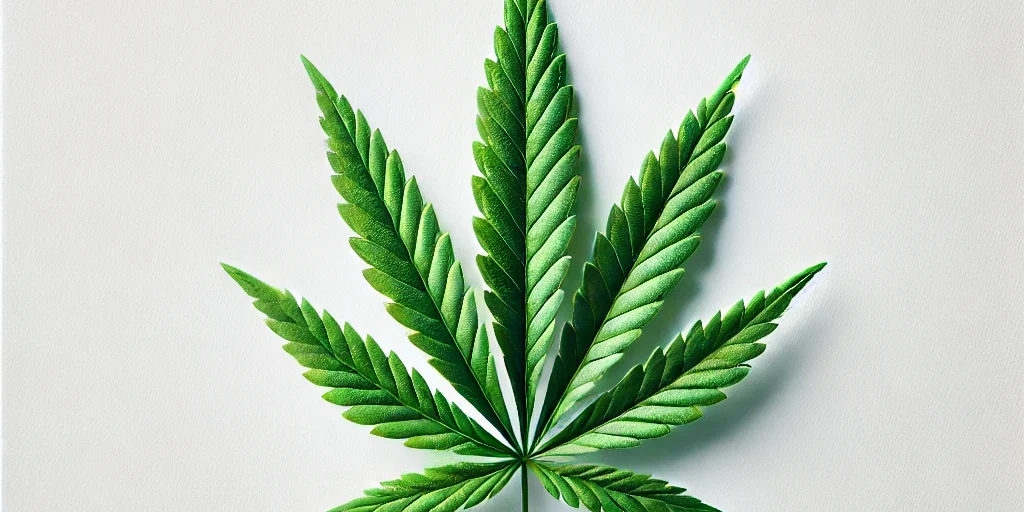
Marijuana, also known as weed or cannabis, comes from the cannabis plant. It has a chemical called THC which affects your brain and body. When you use marijuana, THC attaches to tiny areas in your brain called cannabinoid receptors. This can change how you think, feel and act.
And when you use marijuana regularly, your brain starts to adapt to having THC around. This leads to marijuana addiction, also known as cannabis use disorder or cannabis dependence. The Diagnostic and Statistical Manual (DSM-5) outlines the criteria for diagnosing cannabis use disorder, including marijuana use disorder.
In short.
● Your brain needs marijuana to feel normal. You’ll feel off or experience withdrawal symptoms if you don’t use it.
● You can’t control your use even if you want to cut down or stop.
● Marijuana is causing problems in your life but you keep using it anyway.
● Cannabis use disorder, or marijuana use disorder, is characterised by clinically significant impairment in social, occupational, or other important areas of functioning.
Cannabis addiction, also known as cannabis use disorder (CUD), is a complex condition with multiple factors. The risk of developing marijuana dependency is significantly higher among frequent users, young adults, and those engaging in adolescent cannabis use, all of whom are at heightened risk due to increased vulnerability to dependence and adverse outcomes.
The use of high potency cannabis further increases the risk of developing dependence and can lead to more severe cognitive and psychiatric effects.
These risk factors for marijuana dependency are similar to those seen with other substances and substance use disorders, where early initiation, frequency of use, and potency all play a critical role. Knowing these causes and risk factors can help you recognise and address the issue early.
Recognising the signs of cannabis use disorder and the symptoms of cannabis withdrawal is crucial for early intervention. Here are the signs and symptoms to look out for.
With regular use, individuals can develop tolerance to marijuana, meaning they need higher doses to achieve the same effects as before. This is a sign your body is getting used to the drug and you’re developing a tolerance.
When you try to cut back or quit you experience unpleasant cannabis withdrawal symptoms. These can include:
● Irritability
● Anxiety and nervousness
● Insomnia
● Loss of appetite or stomach problems
● Intense cravings for marijuana
You feel like you can’t control your marijuana use or control cannabis consumption even when you want to. You might try to cut back or quit but find yourself going back to it again and again.
Your marijuana use is interfering with your daily life. You might miss work or school, forget chores at home or stop hanging out with friends and family.
Your marijuana use is causing problems in your relationships. You argue more, pull away from loved ones or feel lonely and isolated.
A big part of your day revolves around marijuana — getting it, using it or recovering from its effects. This takes away from other important things in your life.
Let’s get into the details of how marijuana addiction affects your life, starting with the effects of cannabis, which include both immediate and long-term negative consequences.
Marijuana dependency can negatively affect your mental, physical, and social health, often leading to physical or psychological problems that impact daily functioning and overall well-being.
One of the most serious effects is the physical health damage from smoking cannabis. Smoking marijuana irritates your lungs just like smoking cigarettes. This leads to chronic coughing, wheezing and increased risk of bronchitis and other respiratory infections.
Marijuana use can also increase your heart rate and blood pressure. That puts extra stress on your cardiovascular system and increases your risk of heart problems especially if you have a heart condition. Chronic users, chronic cannabis users, and heavy cannabis users are at greater risk for cardiovascular and respiratory issues due to the long-term effects of heavy cannabis consumption.
Cannabis consumption during pregnancy is associated with risks such as low birth weight and other adverse outcomes for the baby.
And if you start using marijuana heavily as a teenager it can interfere with your brain development, leading to altered brain development and cognitive impairment. This can lead to problems with memory, learning and concentration that can persist even later in life.
Marijuana addiction also affects your mental health. While some people use marijuana to relax, it can actually worsen anxiety and depression in the long run. It can mess with your brain chemistry and make it harder to cope with stress. According to the Substance Abuse and Mental Health Services Administration (SAMHSA) prolonged marijuana use can worsen mental health issues.
Marijuana dependency is also linked to an increased risk of developing psychiatric disorders and other mental disorders, including anxiety, depression, and psychosis.
In some cases heavy marijuana use can even trigger psychotic symptoms like hallucinations or paranoia, especially in people who are already prone to these conditions.
Cannabis intoxication may result in acute psychotic symptoms, and in some individuals, this can progress to a psychotic disorder or cannabis induced psychosis.
And marijuana can affect your motivation making it harder to get things done and fulfil your responsibilities. It can also cause mood swings and irritability which can strain your relationships with others.
Addictive behaviour related to marijuana use can contribute to long-term mental health issues and increase the risk of developing or worsening psychiatric disorders.
Marijuana addiction can affect your social and occupational life. It can strain your relationships with family and friends leading to arguments, withdrawal from social activities and neglect of responsibilities at home.
At work or school it can be hard to focus and perform well when you’re addicted to marijuana. You might miss deadlines, struggle to concentrate or even lose your job due to poor performance or absenteeism.
Substance dependence, including marijuana dependency, can lead to significant occupational and social impairment, making it difficult to maintain employment or academic progress and healthy relationships.
The financial burden of supporting a marijuana addiction can also lead to financial problems and strain relationships. And of course there’s the risk of legal consequences if you get caught with marijuana or driving under the influence.
Marijuana addiction can affect anyone but certain groups are more vulnerable due to specific risk factors. For example, adolescent cannabis use is particularly concerning, as adolescents are uniquely vulnerable to the effects of cannabis on brain development, increasing the risk of dependence and mental health issues. Drug users who consume marijuana as an illicit drug face additional risks, including cognitive impairments, withdrawal symptoms, and a higher likelihood of developing psychiatric problems.
When comparing marijuana dependency with drug and alcohol use, it is important to recognize that drug alcohol combined use can further increase health risks and complicate treatment outcomes. Additionally, the process of developing cannabis products with higher potency and new formulations has changed the risk profile for special populations, making prevention and treatment even more critical. Knowing these special populations can help in targeting prevention and treatment.
Cannabis addiction doesn’t occur alone. It often co-exists with other mental health conditions, as well as substance dependence and substance use disorders, making recovery more complicated.
There is significant overlap between marijuana dependency and alcohol dependence, as well as drug alcohol depend, especially in individuals with multiple substance use issues. Addressing these co-occurring disorders is key to effective treatment.
Recovering from marijuana addiction is a process that takes time, effort and willingness to change. It is important to explore various treatment options and drug treatment approaches, including psychological therapies and medications, to address marijuana dependency effectively.
The effectiveness of different treatment options is often evaluated through randomized controlled trials, which help determine the best evidence-based approaches for recovery. So here are the steps you can take to save yourself.
This first step might seem obvious but it’s often the hardest. It requires you to look at yourself and your relationship with marijuana.
Ask yourself some tough questions — are you using more marijuana than you intended to? Are you experiencing withdrawal symptoms when you try to cut back? Is marijuana use causing problems in your relationships, work or overall well-being?
If you answered yes to any of these you have a problem. Don’t beat yourself up about it but don’t ignore it either. Admitting the problem is the first step to taking control.
It’s tempting to try to quit marijuana on your own but getting professional help can increase your chances of success. A therapist, counsellor or addiction specialist can provide you with personalised guidance, support and evidence based strategies to help you quit and stay quit just like treatments for other forms of substance abuse.
They can also help you understand why you’re dependent, develop coping skills and navigate any obstacles you’ll face along the way.
What situations or emotions make you want to use marijuana? Knowing your triggers is key to developing coping skills and avoiding relapse. Is it stress, boredom, social pressure or certain places or people?
Cravings and withdrawal symptoms are tough to handle but they don’t have to sink your recovery. Building healthy coping skills is like having a toolbox for those tough moments.
Instead of reaching for marijuana what else can you do to manage stress or uncomfortable emotions? Exercise, mindfulness techniques, spending time in nature or pursuing hobbies you enjoy can be the best in your recovery. The key is to find what works for you and build a routine that supports your well-being.
Recovery can be a solo journey if you go it alone. Building a strong network is like having a team that cheers you on every step of the way. This could be family members, friends, a support group or your therapist.
Sharing your struggles and successes with people who get it can make a big difference in your motivation and resilience. So don’t be afraid to reach out and ask for help when you need it.
Sometimes quitting marijuana requires changing your lifestyle and environment. This means avoiding certain social situations where marijuana including medical marijuana is prevalent, finding new hobbies and activities to fill your time or even changing your daily routine to avoid triggers.
In short it’s about creating a life that supports your recovery and makes it easy to stay on track.
Recovery is never a straight line. There will be bumps, setbacks and moments when you want to give up. But don’t let those moments define you.
Remember why you started this journey. Focus on your progress, celebrate your successes and learn from your mistakes. Every step you take no matter how small is a step towards a healthier happier you.
Choose a quiet moment to express your concerns about their marijuana use. Don’t judge or blame and focus on how their behavior is affecting you and your relationship. Let them know you’re there for them and want to support them in getting help.
Recovery is often easier with professional guidance. Encourage your loved one to talk to a therapist, counsellor or addiction specialist like a rehab for cannabis addiction, who can treat drug abuse, including marijuana dependency. Offer to help them find resources or even go with them to appointments.
Supporting someone doesn’t mean enabling their behaviour. Set clear limits about what you’ll tolerate and what you won’t. For example, you might say you won’t lend them money or let them use marijuana in your home.
Supporting someone with a substance use disorder can be emotionally exhausting. Make sure you’re taking care of your own mental and emotional health. Seek support from friends, family, or a therapist if needed.
Marijuana dependency is real but recovery is possible. If you’re struggling don’t give up. Admit the problem, ask for help and take it one step at a time.
And you’re not alone. There are people who love you and want to support you on this journey. With the right help and a willingness to change you can break free from marijuana’s hold and get your life back.

Dr Otulana is PCP’s longest-serving doctor. He is an experienced Physician with Specialist Interest in Substance Misuse Management and he has a wide range of experience in the assessment and management (including detoxification) of clients with various drug and substance addiction problems. Dr Otulana started practising as a doctor in 2000 and with over 10 years as an Addiction Physician. He is an Advanced Addiction Practitioner Member of Addiction Professionals and also holds the Certificate in Clinical Psychopharmacology (Part 1) of the British Association for Psychopharmacology. He is additionally a strong healthcare services professional with a Master of Business Administration (M.B.A.) degree from Cambridge University Judge Business School.
| Cookie | Duration | Description |
|---|---|---|
| cookielawinfo-checkbox-analytics | 11 months | This cookie is set by GDPR Cookie Consent plugin. The cookie is used to store the user consent for the cookies in the category "Analytics". |
| cookielawinfo-checkbox-functional | 11 months | The cookie is set by GDPR cookie consent to record the user consent for the cookies in the category "Functional". |
| cookielawinfo-checkbox-necessary | 11 months | This cookie is set by GDPR Cookie Consent plugin. The cookies is used to store the user consent for the cookies in the category "Necessary". |
| cookielawinfo-checkbox-others | 11 months | This cookie is set by GDPR Cookie Consent plugin. The cookie is used to store the user consent for the cookies in the category "Other. |
| cookielawinfo-checkbox-performance | 11 months | This cookie is set by GDPR Cookie Consent plugin. The cookie is used to store the user consent for the cookies in the category "Performance". |
| viewed_cookie_policy | 11 months | The cookie is set by the GDPR Cookie Consent plugin and is used to store whether or not user has consented to the use of cookies. It does not store any personal data. |