If you are addicted to drugs or addicted to alcohol, chances are you may have heard of Ibogaine treatment therapy. You may even be looking for where to go to receive Ibogaine treatment. And, if you’re not aware, it’s certainly something you should be.
Hailed as the miracle cure for drug addiction, we thought we would explain why (as a hugely successful rehab treatment provider) we do not offer Ibogaine treatment as a solution to addiction. One of the primary reasons is the lack of a clinical setting in many ibogaine treatment centres, which contributes to the risks associated with the treatment. Additionally, the federal government in countries like the US classifies ibogaine as a Schedule I substance, which significantly impacts the regulation and safety of treatment clinics.
Using Ibogaine under professional supervision in a clinical environment allows for close monitoring of the patient’s reaction and ensures immediate access to appropriate medical resources if complications arise. Clin pharmacol perspectives are essential for understanding ibogaine’s pharmacological properties and its impact on addiction recovery. Drug developers are actively working to create safer, regulated ibogaine-based therapies, addressing both efficacy and ethical concerns.
Key Takeaways
Ibogaine treatment is a unique, natural approach to address addiction and mental health issues.
Ibogaine has demonstrated therapeutic potential in treating various addictions as well as PTSD, OCD and anxiety disorders.
Advocacy and ethnobotanical education are essential for promoting informed debate about ibogaine treatment in the UK while monitoring international developments ensures staying informed of changes worldwide.
Introduction to Drug Addiction
Drug addiction, also known as substance dependence, is a chronic and relapsing disorder that compels individuals to use drugs or alcohol despite the negative consequences on their health and lives. This condition can lead to severe physical, psychological, and social problems, affecting not only the person struggling with addiction but also their loved ones. Commonly abused substances include opioids, cocaine, methamphetamine, and alcohol, each carrying its own risks and potential for harm.
The root bark of the iboga plant has gained attention for its apparent ability to address drug addiction, particularly opioid use disorder. Ibogaine, a psychoactive alkaloid extracted from the iboga shrub native to West Africa, has been explored as a potential treatment for substance dependence. However, while some individuals seek ibogaine for its potential benefits, it is important to recognise the significant adverse effects and health risks associated with its use, especially when combined with other drugs or used outside of clinical practice.
What Is Ibogaine?

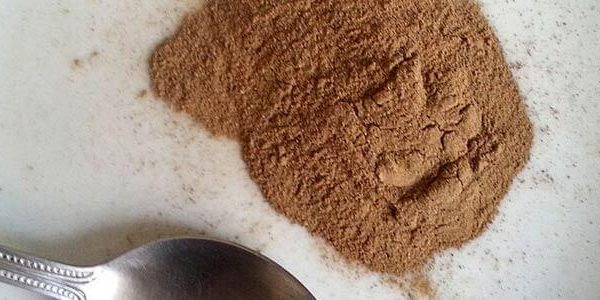
Ibogaine is a naturally occurring psychedelic substance with hallucinogenic and dissociative properties. Originally discovered and used by the Pygmy tribe in South Africa, the drug is extracted from the root bark of the Iboga tree. Ibogaine is found in the iboga root and iboga root bark, which contain various iboga alkaloids in addition to ibogaine itself. Ibogaine is derived from the iboga plant, which is native to West Africa and Central Africa, where it holds significant historical and cultural relevance.
Crystalline ibogaine hydrochloride is typically produced in commercial laboratories, either by semi-synthesis from voacangine or by complete synthesis, to ensure consistent quality for research and therapeutic use.
Ibogaine is known for its hallucinogenic properties and psychoactive properties, inducing complex psychoactive effects and hallucinogenic effects that alter perception, consciousness, and mood. These effects are distinct from those of classical psychedelics.
In traditional contexts, ibogaine has been used in religious ceremonies in Central Africa, particularly by the Bwiti and other local tribes, to gain spiritual enlightenment and for spiritual growth.
In some countries, Ibogaine is used as an alternative medicine treatment therapy for drug addiction. However, there is a substantial lack of scientific evidence with regards to researching the drug’s success. This is mainly due to the drug being illegal in many countries.
History and Development of Ibogaine Treatment
Ibogaine treatment has a fascinating and complex history, rooted in the traditional practices of the Bwiti religion in West Africa. For centuries, the iboga plant has played a central role in healing ceremonies and spiritual rituals, where its psychoactive properties were believed to facilitate deep personal insight and connection. These healing ceremonies were not only about treating physical ailments but also about addressing the spiritual and psychological aspects of disorder and addiction.
In the late 20th century, ibogaine began to attract attention in the West as a potential tool for treating addiction and substance use disorders. By the 1980s, it was being explored in the United States and Europe as a non-addictive option for those struggling with drug dependence. Despite its promise, ibogaine’s legal status quickly became a barrier; it was classified as a Schedule I controlled substance in the United States, severely restricting its use and research.
However, the story is different in several countries where ibogaine is recognized as a pharmaceutical substance. In these places, licensed medical professionals can administer ibogaine in regulated ibogaine clinics, offering treatment for substance use and addiction. This global patchwork of legal status has led to a growing number of ibogaine clinics and ongoing research into its therapeutic applications. Today, scientists and clinicians continue to investigate how ibogaine can be used in treating addiction, with a focus on understanding its effects, safety, and potential as part of a comprehensive treatment plan.
How Ibogaine Treatment Works
Ibogaine has been used for centuries by South African tribes during ceremonies to enhance their spiritual understanding and to connect with the universe. The psychedelic properties of Ibogaine are said to connect the user to spiritual awakening and experience. The dissociative properties of the drug take the users mind into a completely different state of experiencing life.
The Ibogaine drug works by simultaneously stimulating and affecting many different neurotransmitters in the brain to treat addiction. Ibogaine ingestion leads to complex pharmacodynamic and pharmacokinetic effects, with studies indicating limited neurotoxicity even at higher doses. Preclinical studies by Glick et al have demonstrated that ibogaine can attenuate opioid withdrawal and reduce drug self-administration in animal models. Clinical research by Alper et al and Mash et al supports ibogaine’s efficacy in treating substance dependence and withdrawal symptoms. Its therapeutic use has also been explored for alleviating depression symptoms in individuals with substance use disorders.
Said to induce psychological displacement and rearrangement, the drug is used to bring about the necessary change in thinking that is required to change an alcoholic or drugs addicts psychological perspective and outlook on life.
Ibogaine is also said to reduce drug cravings and to be particularly effective in the treatment of heroin addiction. However, this has not been medically or scientifically conclusively proven.
The Effects Of Ibogaine Treatment
Ibogaine commonly produces the following effects in a user that last for up to 24 hours on average once consumed:
Dry mouth
Trance-like state
Nausea and vomiting
Auditory and visual hallucinations
Dissociation from reality and one’s own body
Extreme emotional reactions to the hallucinations
Poor muscle coordination and cognitive ability
At higher doses, the risk of severe adverse effects, including cardiac complications, increases significantly. There have been many instances of serious adverse effects and fatalities associated with ibogaine treatment, highlighting the need for caution. It is essential that all treatment outcomes and adverse effects are accurately recorded to improve safety assessments and inform future research.
Individuals with pre-existing mental health issues may experience exacerbated symptoms during ibogaine treatment.
Ibogaine treatment can cause cardiac arrest and respiratory difficulties in some individuals.
Things You Need To Know About Ibogaine And Its Dangerous Effects
Like all drugs, Ibogaine does not come without risks. Some of these risks are very dangerous and can be life-threatening side. There have been instances recorded of individuals instantaneously dying from taking Ibogaine, having suffered an adverse reaction physically.
Ibogaine treatment is often sought by individuals addicted to various illicit substances, but the risks remain high. The increasing opioid related fatalities have led some would be consumers to seek alternative treatments like ibogaine, despite the risks.
Mentally, Ibogaine treatment could induce psychosis and flashbacks in an individual; in an individual with mental health problems or disorders such as untreated trauma, PTSD, clinical depression, Schizophrenia, OCD, Bipolar disorder or the likes, it could potentially make the condition worse.
There are Ibogaine clinics in some countries where the drug is legal, but there is not nearly enough research to conclude that the benefits of the drug outweigh the risks. The lack of regulation and proper risk assessment can endanger human health.
Ibogaine treatment is illegal in the UK.
Ibogaine treatment is illegal in the US.
Ibogaine’s safety profile has led to concerns about its potential to endanger human health, resulting in strict legal controls in many countries.
Ibogaine treatment can make certain psychological conditions and mental health illnesses worse.
Ibogaine treatment does not address the multi-faceted layers that can cause addiction. Neither does it show an individual a constructive path to living life free from alcohol and drugs.
Many Ibogaine treatment centres are unregulated by the appropriate governing bodies.
Many Ibogaine treatment clinics do not correctly triage individuals in preparation for treatment and do not follow on with any aftercare. These clinics are extremely dangerous.
There is a huge lack of research around the safety of the drug’s use. If you are considering Ibogaine treatment for drug addiction, please ensure that you thoroughly research the drug and the Ibogaine clinic that you are considering attending to undergo Ibogaine treatment.
Does Ibogaine Cure Drug Addiction?
There is nothing substantiated by medical science that has been proven to cure drug addiction. Addiction is a chronic brain disease and is classed as such; as without treatment, it is chronic and progressive in its nature.
Whilst addiction can be treated, it cannot be cured or eradicated permanently. It is a well-known fact that those who suffer from addiction require abstinence from mood and mind-altering drugs (excluding medical drugs with supervision where there is a genuine need) and intensive individualised psychological treatment and rehabilitation.
When it comes to treating addiction successfully so that long-term recovery and sobriety can be maintained, there is no quick fix. A holistic approach, including a supportive environment and qualified professionals, is essential to help clients recover successfully. Please bear this in mind when considering so-called “miracle cures” for addiction.
PCP - Get help with your addiction to alcohol drugs gaming gambling codependency
Clinical Trials and Brain Research
Clinical trials are a cornerstone of advancing treatment for substance use disorders, providing critical data on the safety and effectiveness of new therapies like ibogaine. In recent years, researchers have conducted clinical studies and brain research to better understand how ibogaine therapy may help individuals struggling with addiction. These studies often focus on the drug’s interaction with the kappa opioid receptor, a key player in the brain’s response to addictive substances.
While some clinical trials have reported promising results regarding ibogaine’s potential benefits in reducing drug dependence and improving treatment outcomes, the evidence remains limited. Much of the current understanding comes from animal models and small-scale human studies, highlighting the need for more robust research. Ongoing brain research aims to clarify how ibogaine affects neural pathways involved in addiction, but until such research is more conclusive, ibogaine should be approached with caution in any treatment plan.
Managing Opioid Withdrawal
One of the most challenging aspects of opioid use disorder is managing the intense withdrawal symptoms that occur when someone stops using opioids. Symptoms can include anxiety, muscle aches, nausea, and severe cravings, making it difficult for individuals to achieve lasting recovery. Some studies suggest that ibogaine therapy may help reduce withdrawal symptoms, potentially by acting on the kappa opioid receptor in the brain.
Reducing withdrawal symptoms is a critical step in supporting individuals through opioid withdrawal and minimising the risk of relapse. However, due to the potential for serious adverse effects, including cardiac complications and psychological distress, ibogaine therapy should only be considered under the supervision of qualified medical professionals. Safe management of opioid withdrawal requires a comprehensive approach that prioritises patient safety and evidence-based care.
The Importance of Detoxification
Detoxification is a vital first step in treating substance use disorders, including opioid addiction. This process involves clearing drugs and toxins from the body while managing withdrawal symptoms in a controlled environment. For some, ibogaine has been used as an adjunct to detoxification, with the goal of easing the discomfort of withdrawal and supporting the transition to sobriety.
However, detoxification—especially when using psychoactive substances like ibogaine—should always take place in a medical setting. Medical supervision ensures that withdrawal symptoms are managed safely and that any complications can be addressed immediately. Treating substance use disorders effectively requires a holistic approach, combining detoxification with ongoing therapy and support to help individuals achieve and maintain recovery.
Ibogaine Treatment Centres: What to Expect
Ibogaine treatment centres offer a unique and holistic approach to addiction recovery. These centres typically provide a safe and supportive environment for individuals to undergo ibogaine therapy, which has been shown to be effective in treating addiction to various substances, including opioids, methamphetamine, and cocaine. In some centres, ibogaine is specifically used for opioid detoxification, helping individuals manage withdrawal symptoms and begin their recovery journey. When selecting an ibogaine treatment centre, it’s essential to consider factors such as the centre’s experience, qualifications, and reputation.
A reputable ibogaine treatment centre will typically have a team of medical professionals, including doctors and nurses, who are experienced in administering ibogaine therapy. The centre will also have a thorough intake process, which includes a detailed medical history and assessment to determine the individual’s eligibility for treatment. Additionally, the centre will provide a comfortable and relaxing environment, which may include amenities such as private rooms, nutritious meals, and recreational activities.
During treatment, individuals can expect to undergo a series of ibogaine sessions, which may be accompanied by other therapies, such as counselling and meditation. The centre’s staff will closely monitor the individual’s progress and adjust the treatment plan as needed. Tracking ibogaine treatment outcomes, including long-term effectiveness and reduction in addiction severity, is important to ensure the best possible results. After treatment, the centre may also provide ongoing support and aftercare to help individuals maintain their sobriety and achieve long-term recovery.
Choosing a Safe Ibogaine Treatment Centre
Choosing a safe ibogaine treatment centre is crucial to ensure a successful and risk-free treatment experience. Here are some factors to consider when selecting a centre:
Experience and Qualifications: Look for a centre with experienced medical professionals who are qualified to administer ibogaine therapy.
Reputation: Research the centre’s reputation online and ask for referrals from previous clients.
Licensing and Accreditation: Ensure the centre is licensed and accredited by relevant authorities.
Medical History and Assessment: Ensure the centre conducts a thorough medical history and assessment to determine eligibility for treatment.
Comfort and Safety: Consider the centre’s amenities and environment to ensure it is comfortable and safe.
Ongoing Support: Look for a centre that provides ongoing support and aftercare to help individuals maintain their sobriety.
By considering these factors, individuals can choose a safe and reputable ibogaine treatment centre that meets their needs and provides a successful treatment experience.
Alternatives to Ibogaine Treatment for Drug Addiction
While ibogaine treatment has shown promise in treating addiction, it may not be suitable or available for everyone. Fortunately, there are alternative treatments available for drug addiction. Some of these alternatives include:
Medication-Assisted Treatment (MAT): MAT involves the use of medications, such as methadone or buprenorphine, to manage withdrawal symptoms and cravings.
Behavioral Therapies: Behavioral therapies, such as cognitive-behavioral therapy (CBT) and contingency management, can help individuals change their behavior and develop coping skills.
Support Groups: Support groups, such as 12-step programs, can provide individuals with a sense of community and support throughout the recovery process.
Holistic Therapies: Holistic therapies, such as acupuncture and meditation, can help individuals manage stress and anxiety and promote overall well-being.
It’s essential to consult with a healthcare professional to determine the best course of treatment for drug addiction.
Evidence-Based Treatment For Addiction at Ibogaine Treatment Centre
At Rehab Today by PCP we only apply evidence-based addiction treatments through our alcohol and drug rehab programmes. We also only use approved medication for our alcohol and drug detoxes.
The legal status of ibogaine varies by country, which affects its availability and regulation.
Our bespoke addiction treatment programmes are proven to work; we experience the miracle of recovery on a daily basis through our effective and clinically proven addiction treatment methods. We also offer free lifetime aftercare and support to all of our patients that complete a treatment programme with us. It is important to us that you continue to receive our support throughout your recovery journey.
If you or a loved one are suffering from addiction, there is an alternative solution to Ibogaine treatment that is approved, proven and safe. Please call us to find out more about our affordable detox and rehab treatment programmes.
In Summary
Ibogaine treatment centres offer a unique and holistic approach to addiction recovery. By choosing a safe and reputable centre, individuals can undergo ibogaine therapy and achieve long-term recovery. While ibogaine treatment may not be suitable or available for everyone, alternative treatments are available. It’s essential to consult with a healthcare professional to determine the best course of treatment for drug addiction. With the right treatment and support, individuals can overcome addiction and achieve a healthier, happier life.
Frequently Asked Questions
Does ibogaine cause heart problems?
Ibogaine has been associated with potentially fatal arrhythmias, seizures and unexpected deaths. At higher amounts, it can hinder the potassium channels of the heart, which results in a long QT syndrome. Taking iboga together with medications that raise serotonin levels could trigger adverse effects on one’s cardiac health.
Is ibogaine poisonous?
It can be concluded from the data that ibogaine is toxic, as its median lethal dose stands at 263 mg/kg with 27 deaths being reported in relation to it.
What is ibogaine extracted from?
Ibogaine is a compound which can be extracted from the root bark of two plants, namely Tabernanthe iboga and Voacanga africana. Both contain approximately 0.3-0.5% of this alkaloid substance in their roots’ barks respectively.
Where is ibogaine found?
Ibogaine, derived from the root bark of Tabernanthe iboga native to Congo and Angola in West African countries, can also be acquired through other plants like Voacanga africana or artificially synthesized.
What is the legal status of ibogaine in the UK?
PCP - Get help with your addiction to alcohol drugs gaming gambling codependency
Author
-
 View all posts
Dr Otulana is PCP’s longest-serving doctor. He is an experienced Physician with Specialist Interest in Substance Misuse Management and he has a wide range of experience in the assessment and management (including detoxification) of clients with various drug and substance addiction problems. Dr Otulana started practising as a doctor in 2000 and with over 10 years as an Addiction Physician. He is an Advanced Addiction Practitioner Member of Addiction Professionals and also holds the Certificate in Clinical Psychopharmacology (Part 1) of the British Association for Psychopharmacology. He is additionally a strong healthcare services professional with a Master of Business Administration (M.B.A.) degree from Cambridge University Judge Business School.