If you’re looking for a drug detox in London, the first thing worth knowing is that the process (and the risk) depends heavily on the substance.
Some drug withdrawals are dangerous and need medical supervision; others are gruelling but not life-threatening. Getting that distinction right is what keeps a detox safe.
This guide explains what a drug detox in London involves, how long it takes for different drugs, what it costs, and the NHS, home and private routes available.
We run a residential detox and rehab clinic in Clapham, so this is the process we manage daily.
A medically supervised drug detox is the process of safely clearing a drug from your body while doctors and nurses manage the withdrawal.
It’s the first stage of treatment for anyone who has become physically or psychologically dependent.
Depending on the substance, that means prescribed medication to ease withdrawal, monitoring for complications, and round-the-clock support through the hardest days.
Detox is not the same as recovery. It clears the dependence so the real work (therapy and relapse prevention) can begin. On its own, detox rarely produces lasting change.
This is the most important section, because the honest answer varies by substance.
Benzodiazepines (Valium, Xanax, diazepam). Like alcohol, benzodiazepine withdrawal can cause seizures and can be life-threatening if stopped abruptly. It must be tapered slowly under medical supervision, never gone “cold turkey.”
Opioids (heroin, methadone, prescription painkillers). Opioid withdrawal is rarely directly life-threatening, but it is severe and the real danger is the high risk of relapse and fatal overdose, because tolerance drops fast during withdrawal. Medical detox manages the symptoms and lowers that risk.
Cocaine and crack. There’s no major physical withdrawal, but the psychological crash is intense: exhaustion, depression, powerful cravings and, sometimes, suicidal thoughts. Supervision here is about psychological safety.
Cannabis and ketamine. Withdrawal is mainly psychological (irritability, sleep problems, low mood) though heavy ketamine use also brings physical harm. Uncomfortable rather than dangerous, but support still improves the odds.
If you’re dependent on benzodiazepines or opioids, a supervised detox isn’t optional, it’s a safety measure.
For most drugs, the acute phase of a detox lasts around 5 to 10 days, though it varies by substance and how long the dependence has lasted.
Opioid withdrawal typically peaks within 1 to 3 days and eases over roughly a week.
A benzodiazepine detox is slower by design, tapered over weeks to stay safe. A cocaine crash can lift within days but low mood and cravings may linger for weeks.
Private and NHS inpatient detoxes commonly run over 7 to 10 days. At our Clapham clinic, detox is the first stage of a residential stay, with a two-week minimum that lets detox and the start of therapy happen in one continuous programme.
Different drugs need different detox protocols, and PCP has detailed guides for each:
If you’re detoxing from more than one substance, which is common, a residential setting is safest because the interactions are managed in one place.
A private alcohol detox in London typically costs from around £1,500 to £5,000 per week, depending on whether it’s standalone or part of a full residential programme, and the level of the clinic.
Our Clapham centre charges £4,250 a week, with a two-week minimum stay (£8,500) that includes the medically supervised detox and the start of the therapy programme, not detox alone. NHS detox is free but access is slower.
For the full picture, including how the London market compares and how to fund treatment, see our guide to the cost of drug and alcohol rehab in London.
There are three main routes to a drug detox in London, and the right one depends on the substance, the severity, and how fast you need help.
NHS and community services. Free, and the usual starting point. These are largely outpatient and commissioned borough by borough: South London and Maudsley, for example, runs opioid detox pathways across several South London boroughs. Inpatient NHS detox beds exist but are limited. Our guide to free drug and alcohol rehab in London maps these routes.
Home detox. Some private providers offer a community detox with medication and remote support. It can suit milder, lower-risk cases, but it isn’t appropriate for benzodiazepine or heavy opioid dependence.
Private residential detox. You stay at a clinic with 24-hour medical cover throughout withdrawal. It’s the fastest and safest route where dependence is significant or more than one substance is involved, and it flows straight into therapy.
A private drug detox in London typically costs from around £1,850 to £3,625 per week, rising higher at luxury clinics, depending on the substance and level of medical support.
Our Clapham centre charges £4,250 a week, with a two-week minimum stay (£8,500) that includes the medically supervised detox and the start of the therapy programme, not detox alone. NHS detox is free but access is slower.
For the full market comparison and how to fund treatment, see our guide to the cost of drug and alcohol rehab in London.
Detox clears the drug; it doesn’t address why the dependence took hold. That gap is why detox-only approaches so often end in relapse, and, with opioids, why the overdose risk after a detox is so high.
A proper programme moves straight from detox into therapy (counselling, group work and relapse-prevention planning) so the psychological side is treated while the body recovers.
At our Clapham centre, detox and therapy run as one continuous residential stay, followed by free lifetime aftercare and an optional secondary programme.
If you’re dependent on opioids or benzodiazepines especially, the safest next step is a medically supervised detox, not going it alone.
Our Clapham clinic is CQC regulated, staffed by in-house doctors and nurses, and can typically arrange admission within 24 hours where clinically appropriate.
A confidential conversation with our team costs nothing and commits you to nothing and if a free NHS route is right for you, we’ll point you to it. If it’s alcohol rather than drugs, see our companion guide to alcohol detox in London.
How much does a drug detox cost in London?
A private drug detox in London typically costs from £1,850 to £3,625 per week, higher at luxury clinics. Our Clapham clinic is £4,250 a week with a two-week minimum stay, which includes the detox and the start of therapy. NHS detox is free but access is slower and largely outpatient.
Is drug withdrawal dangerous?
It depends on the substance. Benzodiazepine withdrawal can cause fatal seizures and must be medically tapered. Opioid withdrawal is rarely directly fatal but is severe and carries a high overdose risk afterwards. Cocaine and cannabis withdrawal are mainly psychological. Medical supervision is strongly advised for opioids and benzodiazepines.
How long does a drug detox take?
Most drug detoxes take around 5 to 10 days for the acute phase. Opioid withdrawal peaks in 1 to 3 days; a benzodiazepine detox is tapered over weeks; a cocaine crash can ease in days with cravings lingering longer. Inpatient detoxes commonly run 7 to 10 days.
Can you get a drug detox on the NHS in London?
Yes. NHS and borough-commissioned services provide drug detox, mostly outpatient, and it’s free. South London and Maudsley runs opioid detox pathways across several boroughs. Inpatient NHS detox beds are limited, with waiting lists.
Do I need rehab after a drug detox?
Detox clears the physical dependence but doesn’t treat the underlying causes, which is why detox alone often leads to relapse. With opioids, relapse after detox also carries a serious overdose risk. A programme that moves from detox into therapy and aftercare gives the best chance of lasting recovery.
Clinical information on withdrawal risks reflects general guidance that benzodiazepine and alcohol withdrawal can be life-threatening while opioid, cocaine and cannabis withdrawal are managed differently. Detox at PCP Clapham is delivered by an in-house medical team and regulated by the Care Quality Commission. Reviewed August 2026.
This article discusses drug dependence and withdrawal, which can be a distressing subject. If you’re worried about your own or someone else’s drug use, our team can help you find the right support.
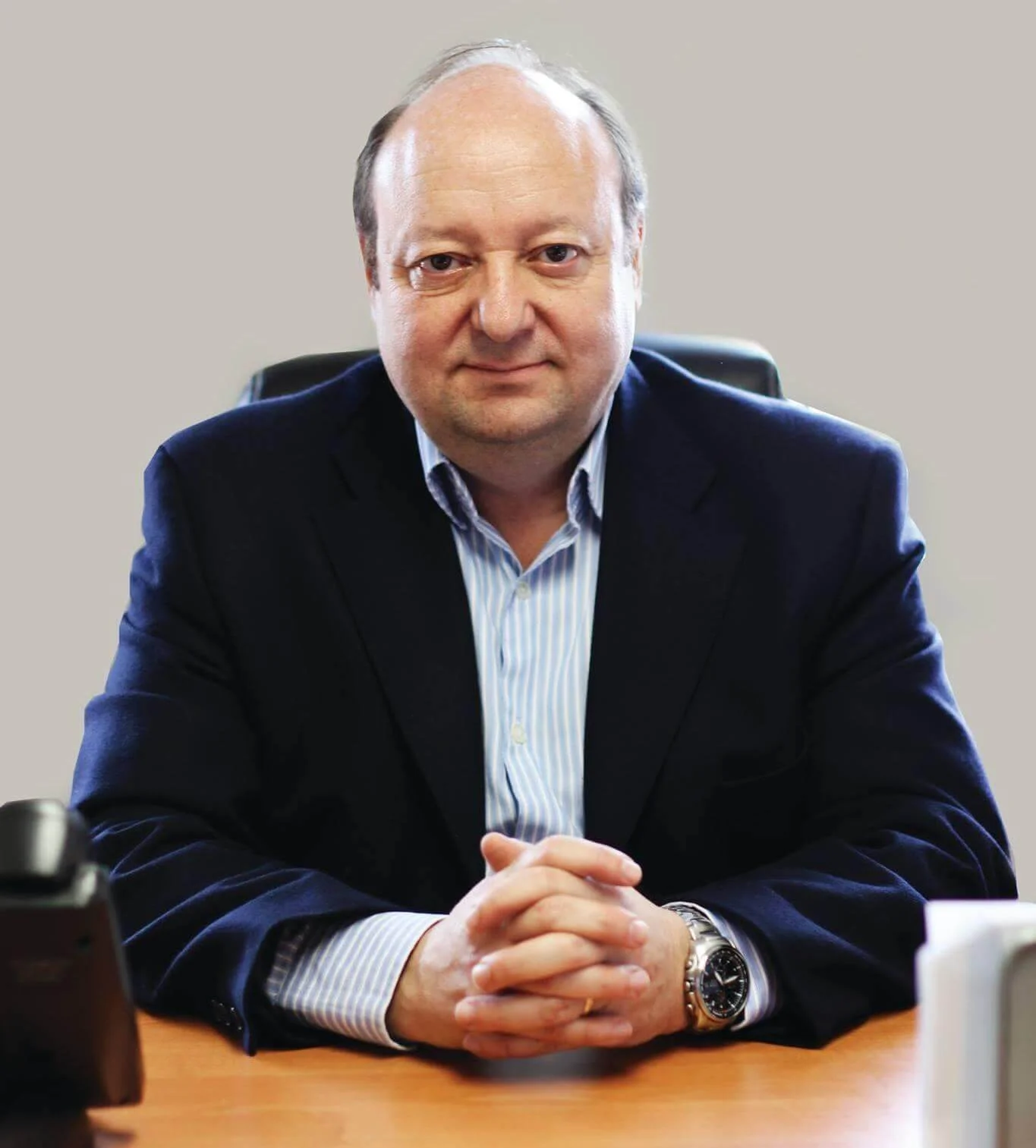
Perry is the founder of Rehab Today by PCP and opened the first treatment centre at Luton in 2004.
Perry’s background apart from his own personal struggle with addiction over 20 years ago is in the recruitment industry where he started his career and became Finance Director of a UK PLC and in the late 90’s was part of a new start up and became the leading recruitment consultancy in Intellectual Property across Europe.
Perry is passionate about recovery from addiction and liaises with family members to coordinate admissions, often sharing his own experience to help people when they first admit into treatment. Most certainly the driving force behind the success of Rehab Today by PCP which now boasts 60 primary and 68 move on beds in all locations. Perry is a keen fitness fanatic and Arsenal fan!
| Cookie | Duration | Description |
|---|---|---|
| cookielawinfo-checkbox-analytics | 11 months | This cookie is set by GDPR Cookie Consent plugin. The cookie is used to store the user consent for the cookies in the category "Analytics". |
| cookielawinfo-checkbox-functional | 11 months | The cookie is set by GDPR cookie consent to record the user consent for the cookies in the category "Functional". |
| cookielawinfo-checkbox-necessary | 11 months | This cookie is set by GDPR Cookie Consent plugin. The cookies is used to store the user consent for the cookies in the category "Necessary". |
| cookielawinfo-checkbox-others | 11 months | This cookie is set by GDPR Cookie Consent plugin. The cookie is used to store the user consent for the cookies in the category "Other. |
| cookielawinfo-checkbox-performance | 11 months | This cookie is set by GDPR Cookie Consent plugin. The cookie is used to store the user consent for the cookies in the category "Performance". |
| viewed_cookie_policy | 11 months | The cookie is set by the GDPR Cookie Consent plugin and is used to store whether or not user has consented to the use of cookies. It does not store any personal data. |