Standard rehab often assumes full mobility, sensory capability, and cognitive function. Disability-adapted rehab must challenge every one of those assumptions. Here is how the treatment approach differs:
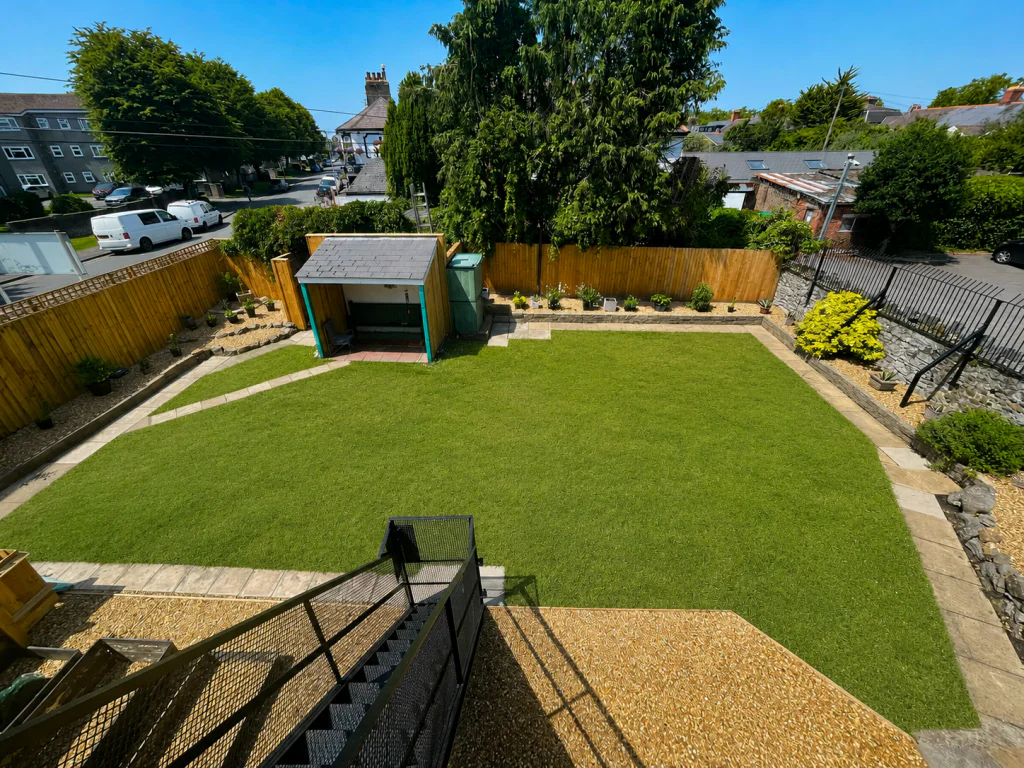
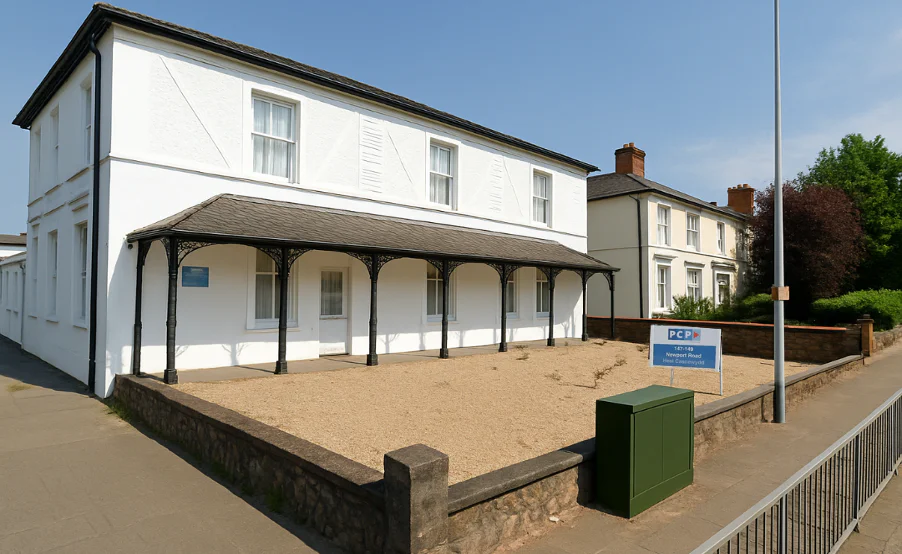
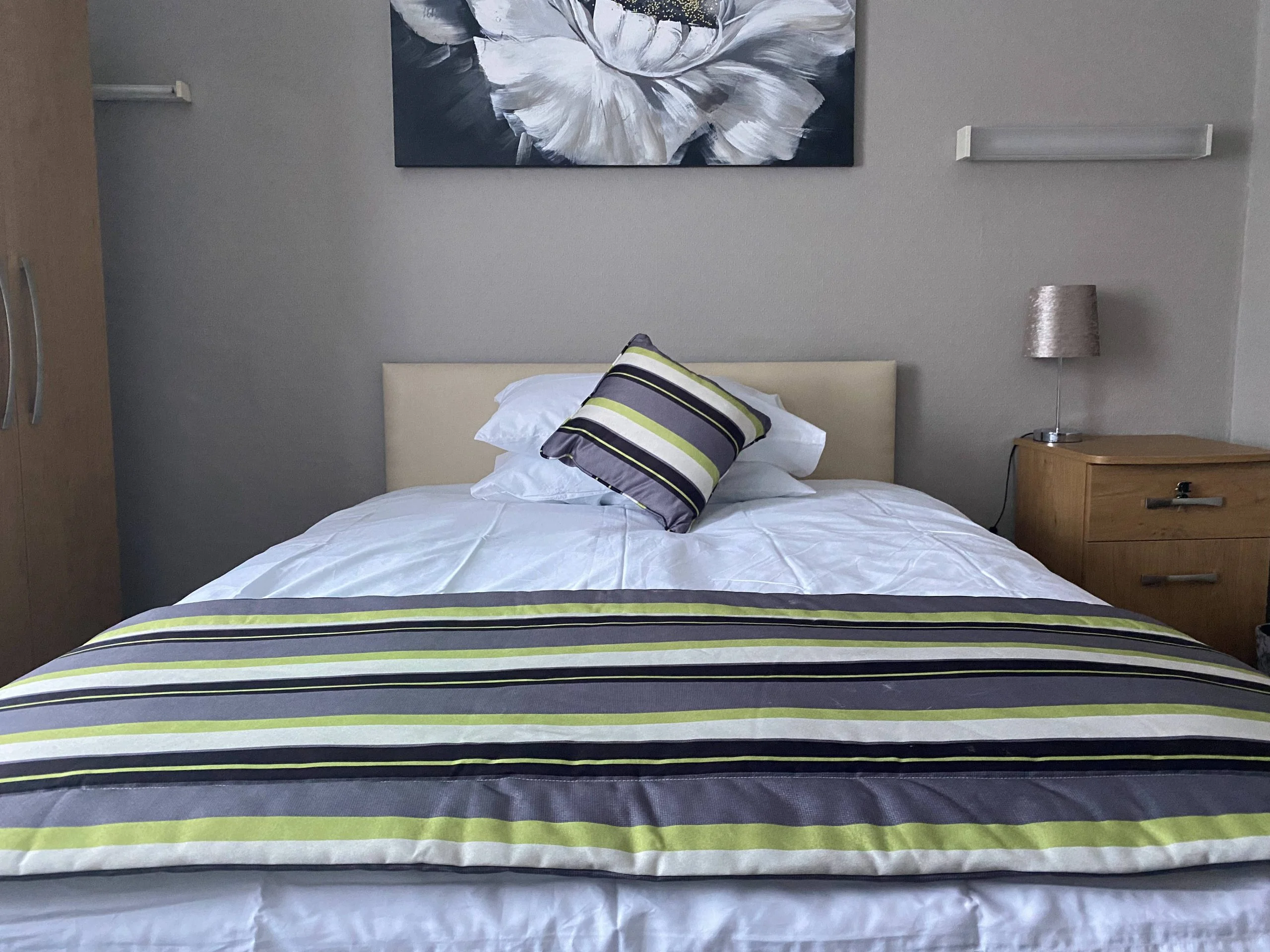
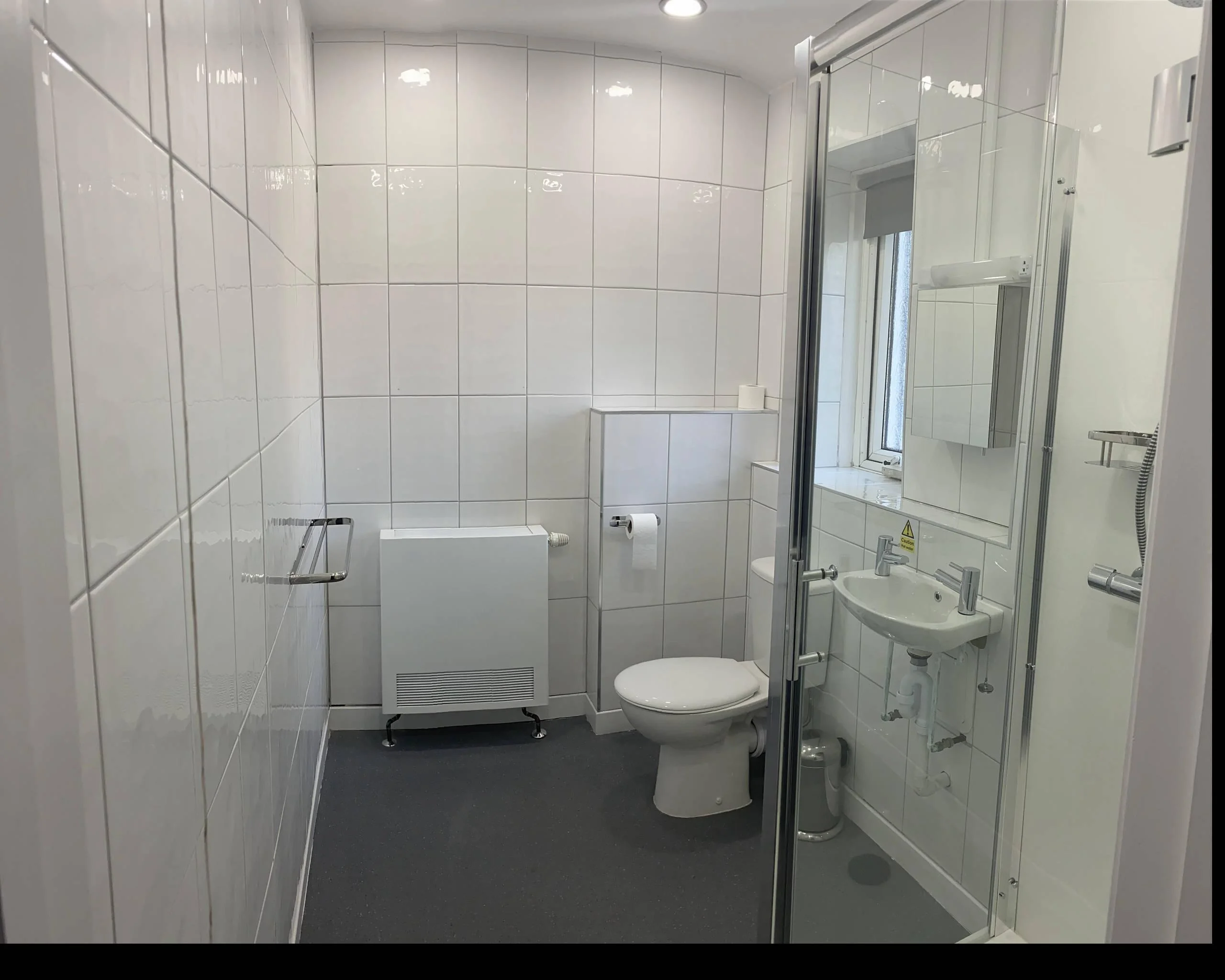
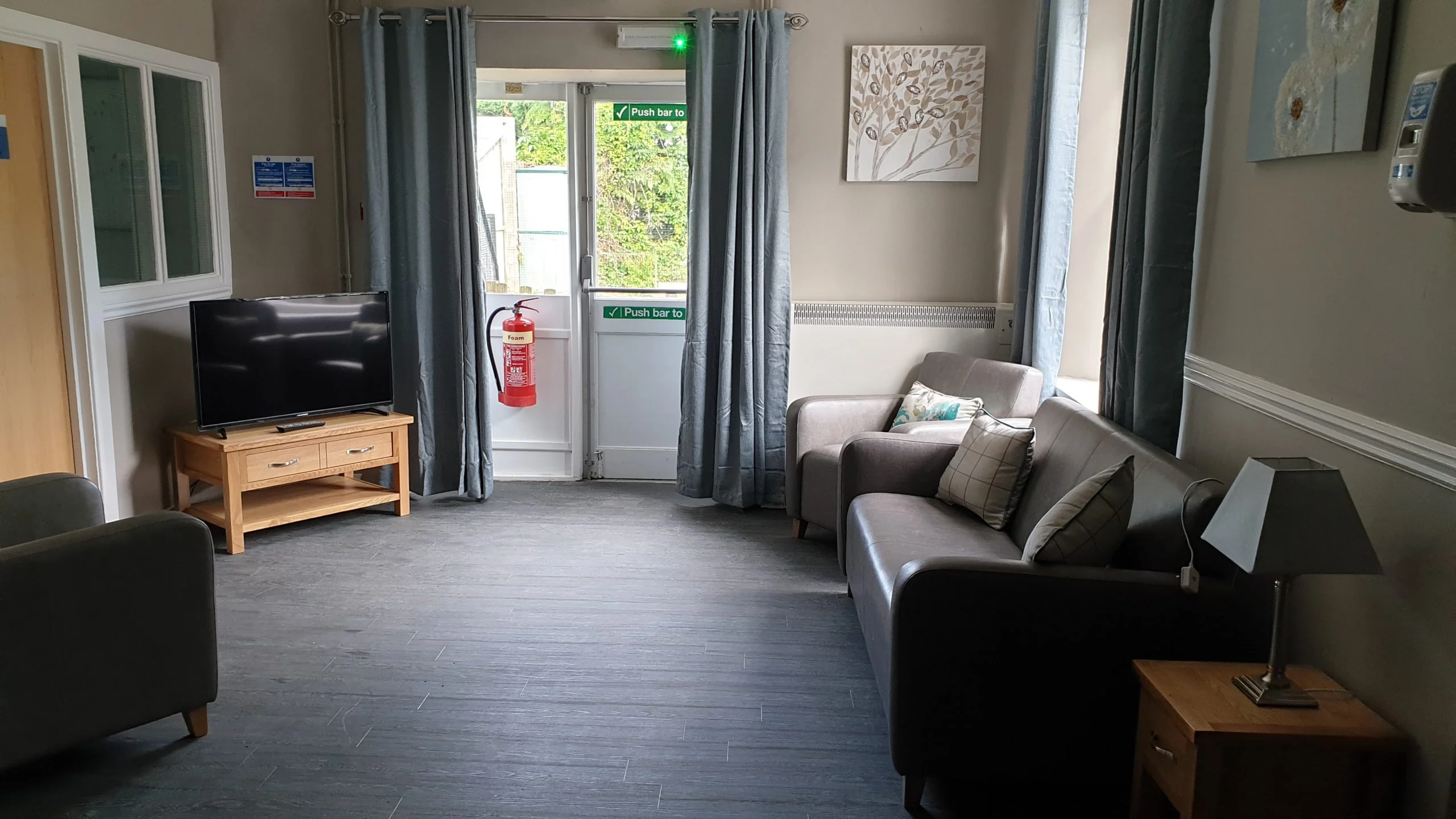
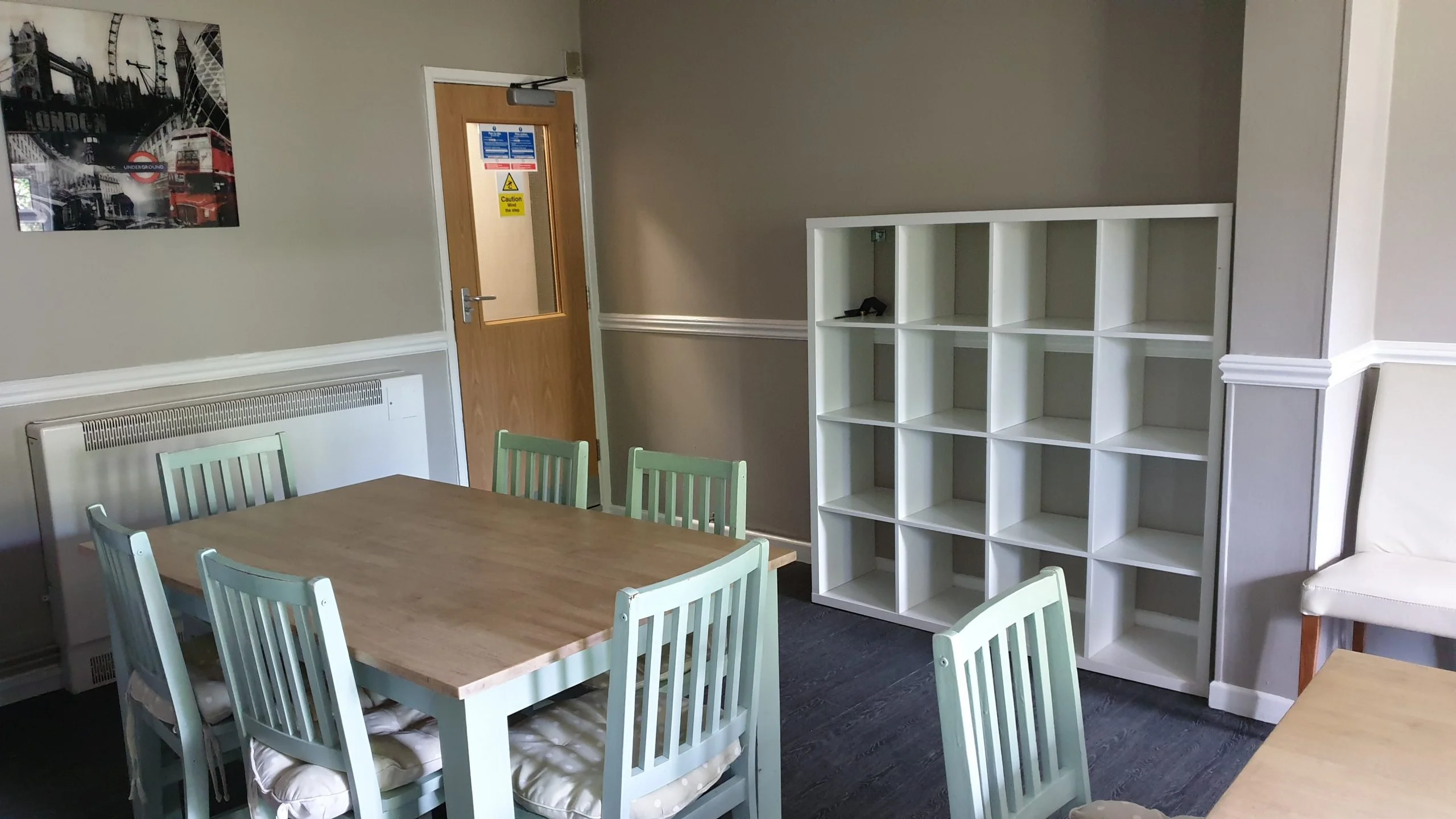
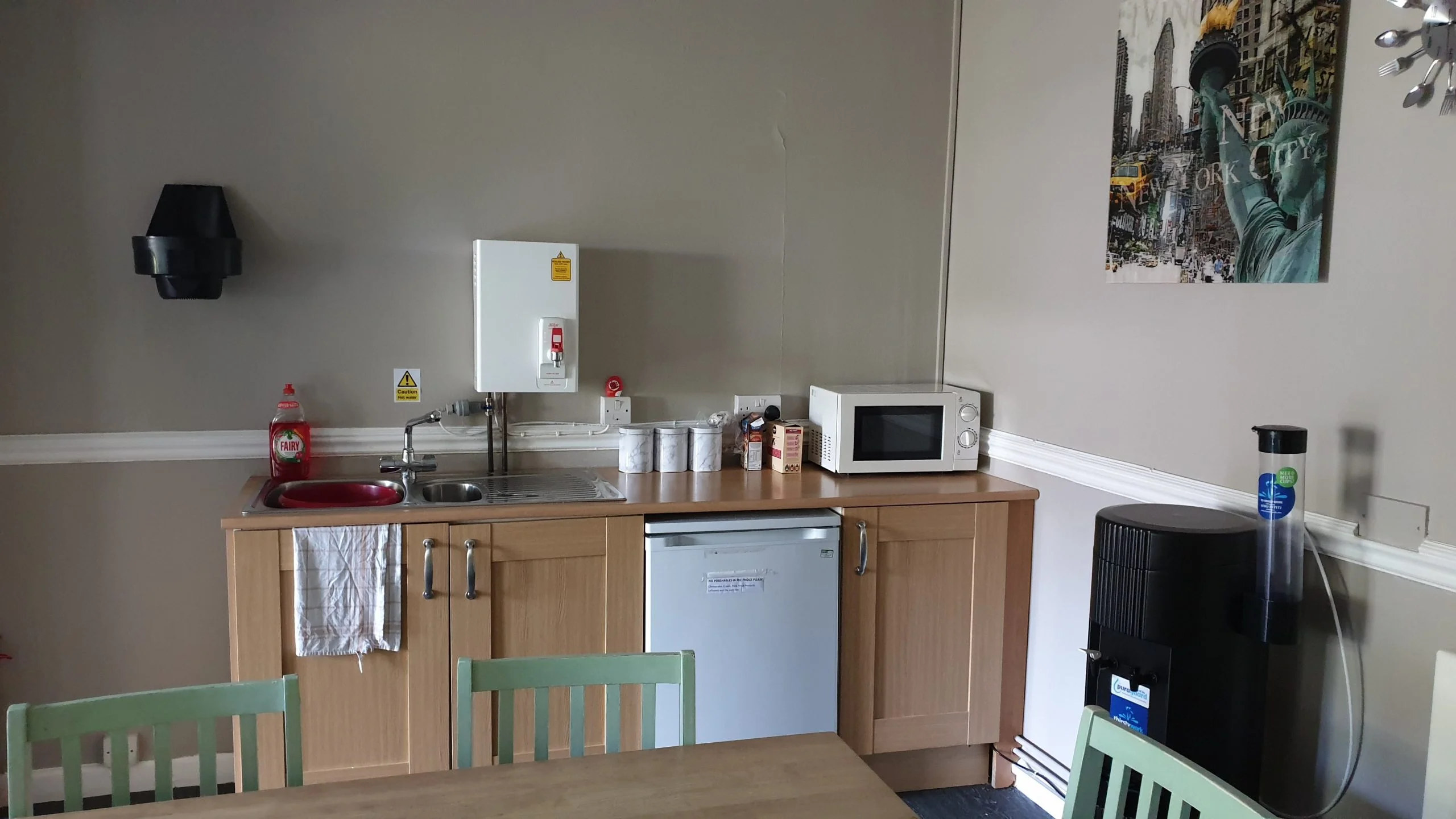
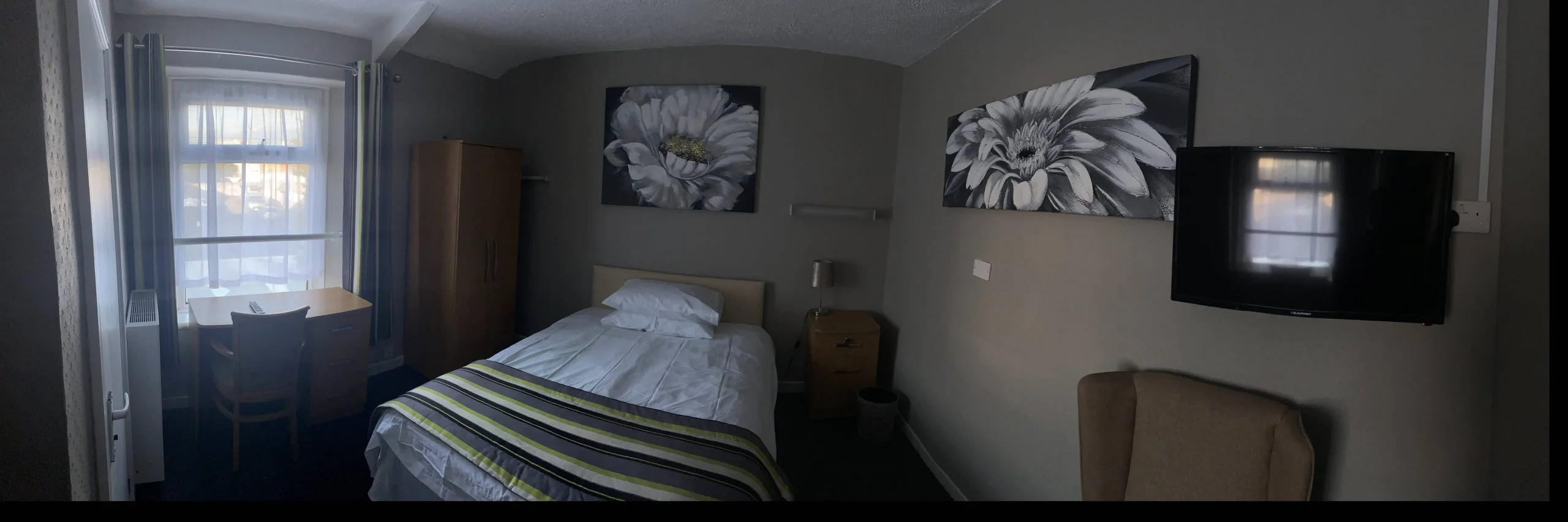
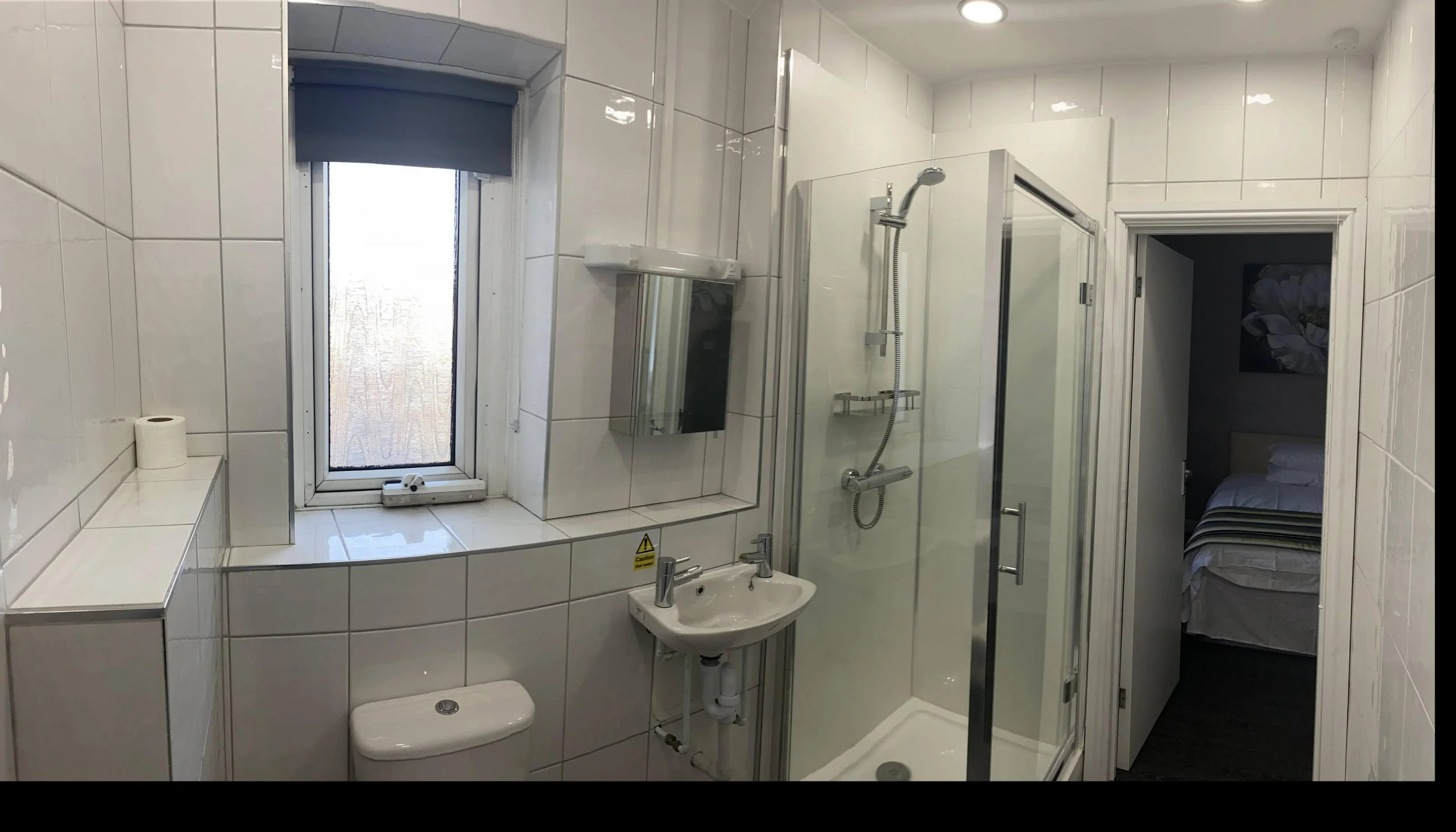
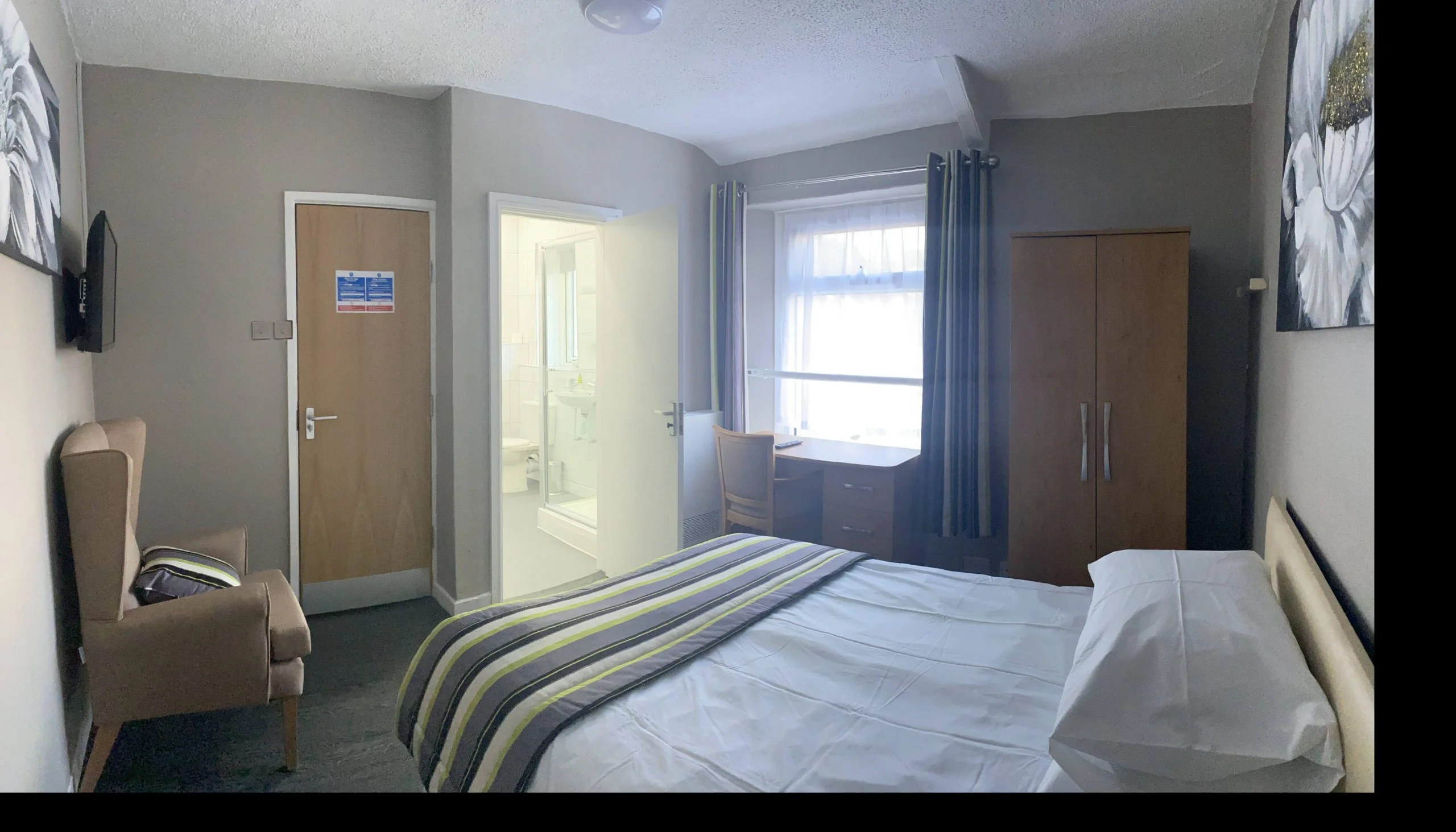
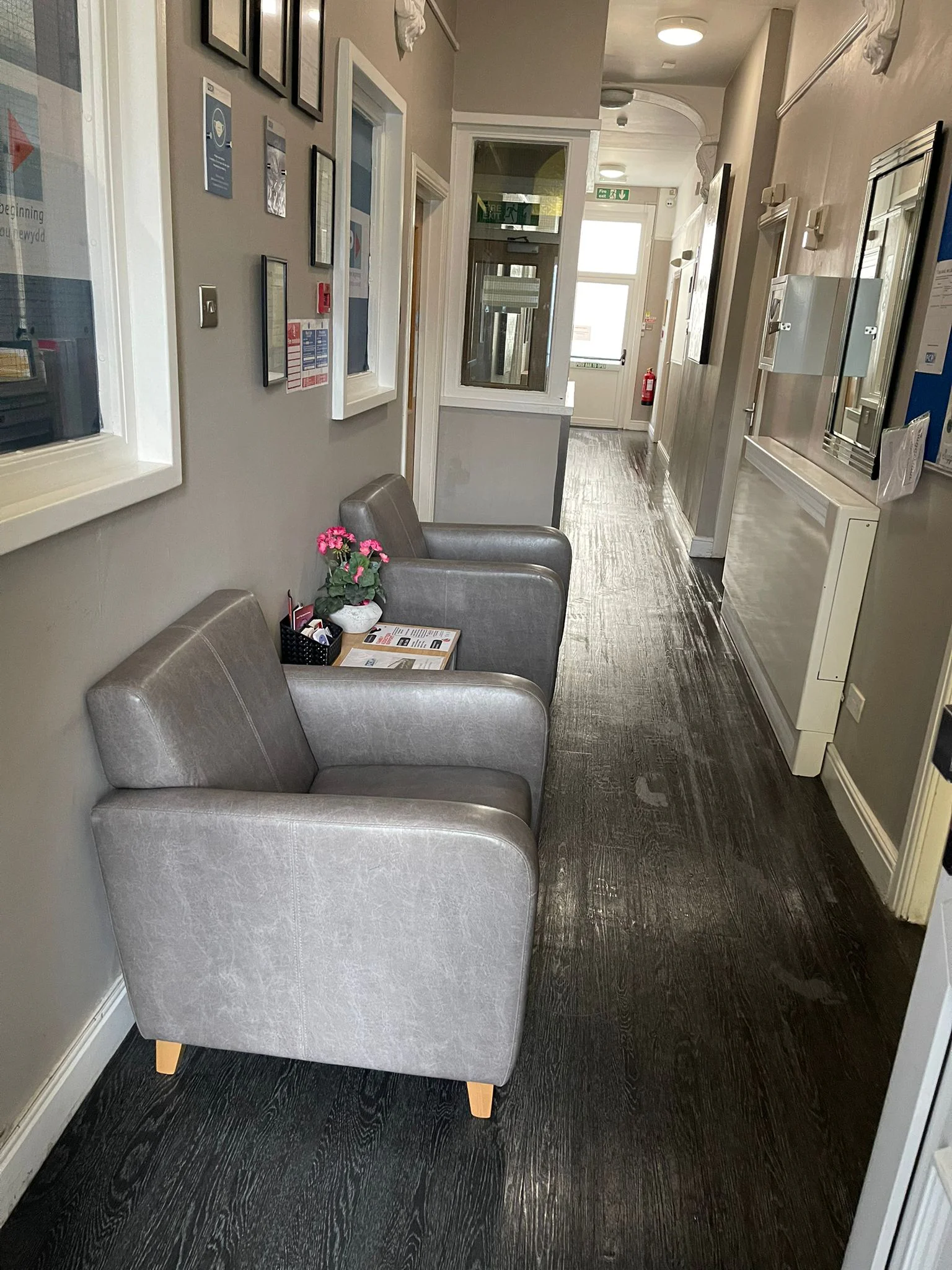
Physical accessibility and facility design. Most rehab centres have stairs, shower cubicles with thresholds, narrow corridors, and standard beds. PCP Cardiff’s facilities include wheelchair access throughout, a wetroom bathroom with a roll-in shower and grab rails, wide doorways, and step-free routes between all treatment areas. Physical rehabilitation services aim to improve strength, mobility, coordination, and balance – and without accessible facilities, these goals are impossible.
Communication and sensory adaptations. For those with hearing impairment, vision loss, or cognitive difficulties, therapy must be adapted. Speech-language therapy assists individuals with communication challenges and swallowing difficulties. Materials may need to be available in large print, Braille, or simplified language. Group therapy – the backbone of many standard programmes – may be replaced with more one-to-one sessions or smaller groups to avoid overwhelming environments.
Therapy modality and pacing. In a standard 28-day programme, sessions are often intensive and back-to-back. For a disabled person, sessions may need to be shorter, with scheduled rest periods, and structured around recurring medical needs such as physiotherapy or dialysis. Occupational therapy helps individuals perform daily activities such as dressing and cooking, which may be part of the recovery plan. The focus shifts to building independence alongside sobriety.
Medical complexity. Standard detox protocols may need adjusting for patients with neurological conditions, those taking multiple medications for disability-related disease, or people whose physical condition affects how withdrawal presents. For those dealing with prescription drug addiction, the interplay between legitimate pain management and substance dependence requires careful clinical oversight. Disabled people often rely on prescription painkillers, increasing addiction risk significantly.
Dual diagnosis treatment. When addiction co-occurs with a mental disability or mental health condition – which is common among disabled people – dual-diagnosis treatment is essential. Rehabilitation is often person-centred, involving a mix of medical, therapeutic, and community-based support rather than a one-size-fits-all model.
Duration and cost. Adapted rehab is typically longer and more resource-intensive. Private drug and alcohol rehab providers like PCP absorb many of these additional costs through integrated care rather than charging separately for each adjustment, making the right treatment accessible rather than prohibitively expensive.