


What is Ketamine?
Ketamine is a medicinal Class B controlled drug in the UK. It is also widely used in veterinary medicine as an anesthetic and analgesic for animals.
Used for the correct purposes within a hospital environment, it is a quick-acting, powerful anaesthetic and analgesic. In clinical and veterinary settings, ketamine is commonly available as ketamine hydrochloride, the pharmaceutical salt form approved for medical use. It is typically used for quick non-operative procedures such as setting bones or resolving dislocations.
Ketamine holds a huge potential for abuse and is widely used by the UK’s party scene for its psychoactive and euphoric effects. Some individuals progress from recreational use to regular abuse and addiction. This is where use becomes extremely dangerous and unpredictable.
In the UK, the use of ketamine is rising at a staggering pace, particularly among young people.

Effects of Ketamine
Ketamine, in medically controlled doses, provides analgesia, dissociation, drowsiness, and amnesia, benefiting patients in safe environments. It is also effective short-term for severe, treatment-resistant depression, with a single intravenous dose showing over 60% response within 4.5 hours and reducing suicidal thoughts for up to three days.
Approved as a general anesthetic and as esketamine nasal spray for depression, ketamine comes in intravenous and intranasal forms with varying bioavailability.
However, ketamine is also abused recreationally, which is illegal and dangerous. High doses cause intense euphoria, detachment, hallucinations, and out-of-body experiences but can also induce paralysis and terrifying hallucinations. Its sedative and amnesic effects have been linked to numerous cases of drink-spiking and sexual assault.
Use outside controlled medical settings carries serious risks, often leading to confusion and trauma.
| Effect Type | Common Effects | Possible Risks |
|---|---|---|
| Immediate effects | Dissociation, numbness, confusion, poor coordination and altered perception. | Falls, accidents, unconsciousness and impaired judgement. |
| Comedown effects | Fatigue, low mood, anxiety, mental fog and disturbed sleep. | Repeated use, cravings and worsening mental health. |
| Short-term misuse | Memory problems, nausea, raised heart rate and difficulty concentrating. | Injury, panic, psychosis and overdose risk. |
| Long-term misuse | Tolerance, dependence, cognitive problems and ongoing mood changes. | Addiction, bladder damage and reduced daily functioning. |
| Bladder effects | Urgency, frequent urination, pelvic pain and blood in the urine. | Ketamine cystitis and permanent urinary damage. |
| Effects when mixed | Greater sedation, confusion and loss of coordination. | Breathing problems, unconsciousness and overdose. |

Ketamine Abuse and Addiction
Ketamine abuse and addiction are more common than many realize. At Rehab Today by PCP, we often treat individuals struggling to control their ketamine use. Chronic abuse can cause severe damage to the brain, gastrointestinal and urinary tracts, and other vital organs.
Addiction is a brain disease caused by repeated substance abuse. Ketamine leads to rapid tolerance, causing users to increase doses for the same effect. Beyond the drug itself, addiction alters behaviour, driving compulsive use despite risks.
Ketamine’s quick highs and fast tolerance contribute to physical and psychological dependency. It’s often used to cope with emotional stress or mental health symptoms, which can fuel addiction.
Once addicted, individuals lose control over their use as neural pathways change, compelling continued ketamine use despite negative consequences. This psychological dependence makes quitting extremely difficult, even for the most determined individuals aware of the harm.
Ketamine Addiction Detox and Rehabilitation
The Perry Clayman Project provides inpatient detox and treatment programmes for anyone suffering from an addiction to Ketamine. Addiction to this drug is not as uncommon as you may think, especially among the younger generation to whom it appeals. Ketamine also has a longstanding use in veterinary medicine for its anesthetic and analgesic effects on various animals.
We offer short-term and long-term bespoke treatment to enable you or your loved one to break free from ketamine addiction and live an everyday and productive life free from drugs.
Whether you or someone that you love is suffering from ketamine addiction, we urge you to read this page further. We are going to talk about ketamine in greater depth, including its use in clinical practice, the risks associated with recreational ketamine.
Plus, the various dangers of prolonged abuse, how to approach someone who is suffering from addiction in order to try and get them the help that they need, and how our ketamine rehab programmes can help! Here’s everything you need to know…

What Does Ketamine Look Like?
Ketamine, in its medicinal form, is an odourless and colourless solution that can be administered intravenously. In its illicit street form, it is sold in either a solution or in an off-white powder that looks similar to cocaine.
Oral ketamine is sometimes used, but it has low oral bioavailability due to extensive first-pass metabolism, making it less effective than intravenous or intranasal routes.

How is Ketamine Abused?
Those who abuse ketamine will often snort it or compress it with a tablet, such as Ecstasy or LSD. It can also be smoked with tobacco or mixed with beverages.
When abused, effects can last for up to 24 hours – seriously affecting coordination, judgement and decision-making skills.
Not only that, but in the UK’s party scene, recreational ketamine use is common, and ketamine is often mixed with a wide variety of other dangerous substances. Recreational ketamine is frequently used in social or party environments, and combining it with other substances significantly increases the risk of overdose and adverse effects.
For example, “CK” is a common combination which mixes both cocaine and ketamine together. This is often snorted and enhances the effects of both individual drugs, which can lead to a potent – and indeed very dangerous outcome.
When paired with alcohol (which is most common), ketamine can lead to a number of other adverse reactions, including:
Increased risk of urinary tract infection
Memory loss
Slowed breathing
Coma
Ketamine overdose
Death.
How Long Does Ketamine Affect the Brain and Body?
Ketamine’s effects on the brain and body start within minutes and last about 30 minutes to 2 hours, depending on dose and administration method. Intravenous or intramuscular use causes rapid onset with peak effects in 5 to 15 minutes, while oral or nasal routes have slower onset and longer duration.
It acts mainly as an NMDA receptor antagonist, disrupting glutamate transmission to produce anesthetic, dissociative, and analgesic effects. Though acute effects are short, cognitive and mood changes may last several hours after use.
Ketamine is metabolized in the liver with a half-life of 2 to 3 hours; its active metabolite, norketamine, can extend effects. Repeated or high doses risk neurotoxicity and urinary tract issues.
Understanding effect duration is key for safe dosing, especially in medical settings, and monitoring for lingering sedation, cognitive impairment, or cardiovascular effects is important during recovery.

How Does Ketamine Affect the Nervous System?
Ketamine blocks NMDA receptors, reducing glutamate activity in the brain, which causes rapid anesthesia, pain relief, and dissociation. It also affects dopamine and serotonin pathways, influencing mood and cognition. Effects begin within minutes and last up to two hours.
Ketamine impacts brain areas like the prefrontal cortex and limbic system, altering perception and emotion. While safe in controlled doses, repeated or high use risks neurotoxicity and cognitive issues. This understanding guides its medical use and risk management.

Ketamine Comedown and Next-Day Effects
The ketamine comedown typically occurs as the drug’s acute effects wear off, often within 1 to 2 hours after use. During this phase, individuals may experience residual cognitive impairment, fatigue, and mood fluctuations such as anxiety or mild dysphoria. These effects result from ketamine’s action on NMDA receptors and subsequent neurotransmitter imbalances, including glutamate and dopamine dysregulation. Studies indicate that next-day cognitive deficits, including impaired memory and attention, can persist for several hours but generally resolve within 24 hours in healthy individuals after occasional use.
Next-day effects can be more pronounced with higher doses or frequent use, potentially leading to prolonged cognitive slowing, headaches, and emotional blunting. Chronic or heavy ketamine users may report persistent neuropsychiatric symptoms, including depressive symptoms and dissociative experiences.
Medical literature emphasizes monitoring for these effects, especially in clinical or recreational contexts, to mitigate risks of neurotoxicity and ensure patient safety during recovery periods. Supportive care focusing on hydration, rest, and mental health monitoring is recommended to manage comedown symptoms effectively.
Can Ketamine Cause Psychosis?
Ketamine can cause transient psychotic symptoms like hallucinations and delusions, especially at high or frequent doses. These effects mimic schizophrenia and usually last hours but may persist with chronic use, particularly in vulnerable individuals. Ketamine disrupts glutamate and dopamine pathways linked to psychosis. Therapeutic use minimizes risk, but recreational use increases the chance of psychosis, requiring careful monitoring.
Ketamine Overdose Signs and Emergency Help
Ketamine overdose can present with severe respiratory depression, unconsciousness, elevated blood pressure, and cardiac arrhythmias, requiring immediate medical intervention. Symptoms may include extreme sedation, confusion, hallucinations, and loss of motor control. Overdose increases the risk of airway obstruction and hypoxia, which can be fatal without prompt treatment.
Clinical data indicate that high doses disrupt central nervous system function, necessitating supportive care such as airway management, oxygen supplementation, and cardiovascular monitoring. Naloxone is ineffective, as ketamine is a non-opioid dissociative anesthetic. Emergency services should be contacted immediately if overdose is suspected to ensure rapid stabilization and prevent long-term neurological damage.
Ketamine Cystitis, Symptoms and Recovery

Ketamine cystitis is a painful bladder condition caused by chronic ketamine use, characterized by inflammation and ulceration of the bladder lining. Symptoms include urinary frequency, urgency, dysuria (painful urination), hematuria (blood in urine), and pelvic pain. Studies indicate that up to 30% of chronic ketamine users develop cystitis symptoms, with severity correlating to dose and duration of use. The pathophysiology involves ketamine metabolites irritating the bladder mucosa, leading to fibrosis, reduced bladder capacity, and impaired compliance.
Recovery from ketamine cystitis requires immediate cessation of ketamine use to prevent progression. Symptomatic treatment includes analgesics, anticholinergics, and bladder instillations to reduce inflammation. In severe cases, surgical intervention such as augmentation cystoplasty may be necessary.
Long-term outcomes depend on early diagnosis and abstinence; persistent ketamine use can cause irreversible bladder damage and chronic pain. Clinical guidelines emphasize multidisciplinary care combining urological management with addiction treatment for optimal recovery.
Is Ketamine Dangerous?
Ketamine use and abuse are highly dangerous, increasing vulnerability to accidents and serious health risks. Excessive or combined use can cause organ failure and death. While ketamine is effective for acute and chronic pain relief, especially in emergency settings and for patients with bronchospasm, it carries adverse effects like dissociation and nausea and is contraindicated in severe heart or liver disease and uncontrolled psychosis.
Regular use severely damages kidney function, causing intense pain and life-threatening conditions. Chronic abuse is linked to liver and urinary toxicity, gastrointestinal issues, and acute kidney injury. Physical symptoms include rapid heart rate, blood pressure spikes, and, rarely, respiratory depression, especially when combined with other depressants.
Prolonged use can cause cognitive deficits. Due to its analgesic effects, users may mask kidney pain and take more ketamine, worsening damage. Psychiatric side effects include dissociation, visual distortions, and numbness. At advanced addiction stages, ketamine use poses serious life risks.

Street Names For Ketamine
Common Street names and Slang terms for Ketamine include:
Special K
K
Super K
Donkey Dust
KitKat
Vitamin K
Cat Valium.
Bute
Ketamine Withdrawal Symptoms
The unpleasant withdrawal symptoms associated with ketamine addiction can be very dangerous. The severity of this depends on the nature of your addiction and how long you have been using for.
Repeated ketamine misuse leads to rapid tolerance, causing users to increase doses and binge, which worsens addiction and risk.
Withdrawal symptoms include:
Intense cravings
Mood swings
Anxiety
Insomnia
Depression
Fatigue
Nausea
Shakes and sweating
Heart palpitations
Elevated temperature
Agitation and confusion
Respiratory and cardiac decline
Hearing loss
Irritability
Cognitive and motor impairment
Psychosis, delusions, hallucinations
If you notice these signs in a loved one, contact us for advice on next steps.
Am I Addicted To Ketamine?
If you are concerned that you have an addiction to Ketamine, there are some definite symptoms of ketamine addiction to watch out for that indicate urgent rehab addiction treatment is required:
- Preoccupation with ketamine
- Failed attempts or desire to stop
- Increased use to achieve the same effect
- Engaging in deceitful or risky behaviors to obtain ketamine
- Continuing use despite shame or remorse
- Concern expressed by family or friends
- Loss of control leading to binges
- Needing ketamine to function
- Endangering self or others while intoxicated
- Physical or mental health issues caused by use
- Previous unsuccessful quit attempts
Rehab Today by PCP rehabs offers a full inpatient detox and rehabilitation programme for anyone who is suffering from a Ketamine addiction. Please call us now for immediate professional help.
We understand how frightening and hopeless it can be when you are suffering in the grip of a drug addiction, however, rest assured, that with the proper help and support, you can free yourself of this disease and take back control of your life once more!

Is There a Ketamine Detox for Ketamine Addiction?
Ketamine withdrawal is rarely life-threatening, but it can be highly uncomfortable. We, therefore, provide medical detox to assist you through the worst of the withdrawal symptoms and drug cravings.
By admitting you to one of our Ketamine detox centres, we can help you get and stay clean. We use a combination of medical treatment and bespoke rehabilitation therapies, incorporating powerful relapse prevention techniques.
Please call us today for more information on how we can help you detox and break free from Ketamine abuse and addiction once and for all.
Help For Ketamine Addiction
If you or a loved one need help with Ketamine addiction, our residential clinics provide full inpatient detox and rehab treatment to assist you in overcoming your addiction and making a full and lasting recovery.
We understand the true nature of addiction and how powerless and trapped Ketamine addiction can make you feel. Our team of dedicated staff are here to help and support you. We only use evidence-based medical and therapeutic treatments that are proven to arrest Ketamine addiction and help maintain recovery. Ketamine’s use in clinical practice is guided by protocols developed from randomized controlled trials and recommendations from organizations such as the National Institute for Health and Care Excellence (NICE).
In medical settings, reg anesth pain med guidelines are followed to ensure the safe and effective administration of ketamine.
Private Ketamine Rehab (Inpatient Ketamine Addiction Treatment)
For those struggling with ketamine abuse and dependence, inpatient ketamine addiction treatment is highly recommended. A change of scenery and professional care can be life-changing.
How it works:
Intake: Meet with certified rehab experts for a medical screening to assess your mental and physical health. This helps create a personalised treatment plan tailored to your needs.
Safe detox: Under 24/7 medical supervision, detox from ketamine while managing withdrawal symptoms comfortably.
Residential rehab: After detox, engage in your personalised treatment program including group therapy, individual counselling, and proven rehabilitation methods.
Aftercare: Upon completion, receive ongoing support through aftercare plans with continued therapy to help maintain recovery and prevent relapse.
Begin working through your personalised ketamine addiction treatment programme. The exact nature of your addiction treatment will vary depending on the severity of your situation, the nature of your ketamine addiction, and the residential rehab centre.

Ketamine Rehab UK (Outpatient Ketamine Rehabilitation)
For those suffering from ketamine addiction, but perhaps who don’t have quite as severe a dependency, outpatient rehab is often recommended.
This approach is particularly helpful for individuals who have familial and/or work responsibilities and cannot afford to spend months away from home.
Outpatient rehab allows people to receive ketamine addiction treatment on their own terms. You can sleep in your own bed, carry on working, and visit our rehabilitation centres in the evenings and/or over the weekends.
You will gain all of the information and support that you need to curb your ketamine use and work towards a successful recovery.
Of course, if you have been suffering from substance abuse for a long time and you worry that you may need further assistance if you are to successfully kick the habit, inpatient rehabilitation therapy will be the recommended alternative.
Why is Group Therapy Important for Overcoming Ketamine Addiction?
Group therapy is vital in ketamine addiction treatment because it helps you realize you’re not alone. Sharing experiences in a judgment-free space offers emotional relief.
Other benefits include:
Feeling connected: Connecting with others helps combat loneliness and fosters a sense of being seen and heard, which supports recovery.
Improving communication skills: Group therapy encourages openness and better listening, essential for repairing relationships and returning to normal life.
Receiving diverse feedback: Feedback from peers offers fresh perspectives that can reveal hard truths and aid self-understanding.
Challenging negative thought patterns: It provides a safe environment to identify and work through distorted thinking, a key part of addiction recovery.
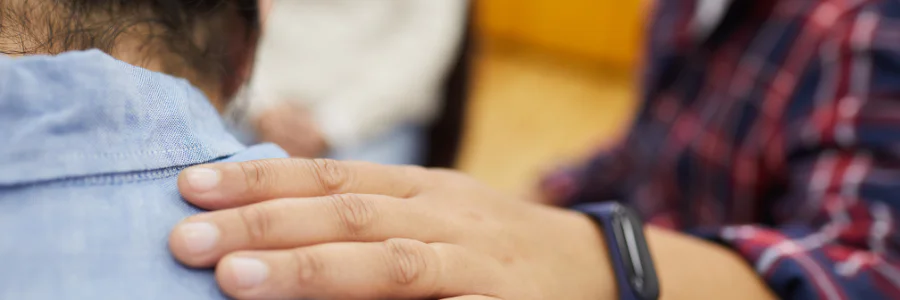
Benefits of Having Individual Counselling Therapy Sessions
And what is the importance of individual counselling and psychotherapy in ketamine addiction treatment?
The primary purpose of your individual counselling sessions will be to get to the bottom of your addiction – to better understand the nature of your addiction and what triggers or past traumas may have led to your taking ketamine in the first place.
With a deeper understanding of yourself and your journey, you will be far better positioned to stop abusing ketamine and refrain from relapsing in the future.
For many people suffering from excessive drug use, it’s not uncommon for their mental health to play a big role in it. Often, many of our inpatients will be talking about their feelings in depth for the very first time – which can be transformative.
By sifting through these mental health disorders and learning new trigger responses and coping techniques with your addiction counsellors, your chance at a thorough and successful recovery from ketamine addiction will be much higher.
Contact Us Today and Learn More About Rehab for Ketamine Addiction
If you need a UK rehab for a ketamine addiction, please call us today for immediate help and support. We can facilitate immediate admission to any one of the affordable CQC registered alcohol and drug rehabs in the UK today.
We can help you to break free from Ketamine and the terror, pain and misery of addiction. Take the action today, that your future self with thank you for.