

Xanax Addiction UK occurs when the rapid-acting benzodiazepine leads to dependence, even after short-term use for anxiety or sleep difficulties.
Xanax is one of the most widely prescribed benzodiazepines for anxiety and panic disorders, and is the most commonly prescribed psychotropic medication in the United States. Stopping Xanax without medical supervision can cause impaired coordination and heightened anxiety, and attempting self-detox carries serious risks, including seizures.
This guide provides a clinical overview of benzodiazepine dependence, including the signs of Xanax dependency, associated risks, and the dangers of unsupervised withdrawal.
Misuse of Xanax, especially when obtained from illicit sources, can have a significant impact on a person’s overall well-being. It also explains safe treatment options in the UK, covering the significance of NHS tapering guidance and residential rehabilitation.
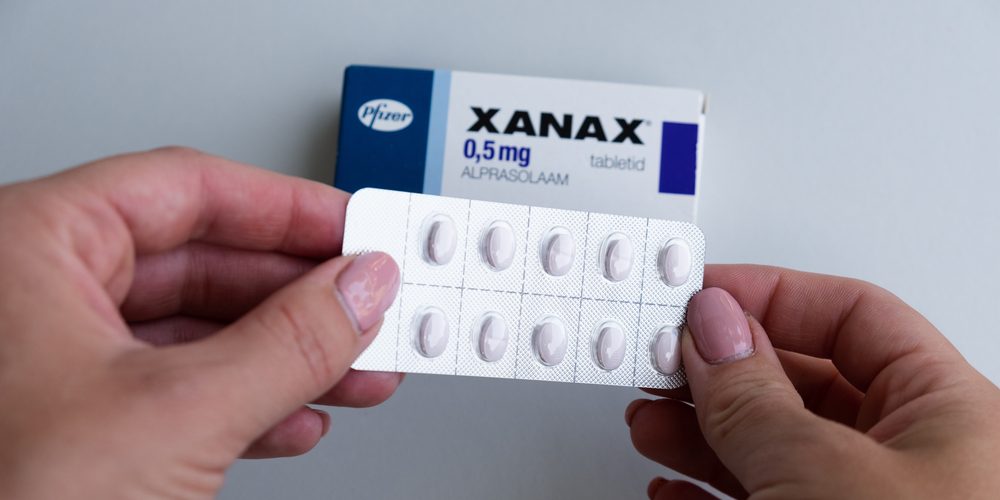
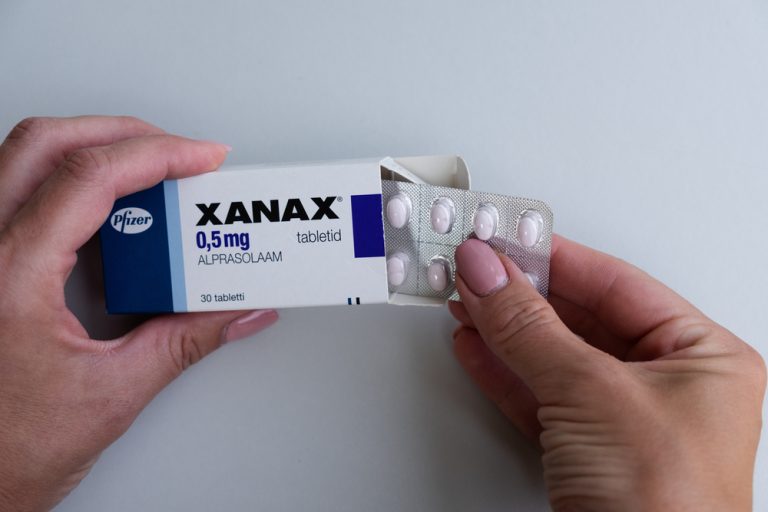
Xanax is a benzodiazepine medication prescribed in the UK for anxiety, panic disorders, and sleep difficulties. It acts as a central nervous system depressant, slowing brain activity and increasing the risk of substance use disorders when misused. Xanax contains alprazolam as its active ingredient, which is significantly more toxic than other benzodiazepines in overdose cases.
It is a controlled substance due to its potential for dependence and misuse, which can lead to Xanax addiction if not used as directed. Misuse of Xanax, especially without medical supervision, can result in serious health complications.
Xanax has a rapid onset of action, which contributes to its appeal for immediate relief from anxiety or panic. The therapeutic effects of Xanax include its anxiolytic and sedative properties, which are the intended clinical outcomes of the medication. Xanax calms the brain, helping reduce feelings of anxiety or panic. This rapid effect can make the brain rely on it, which is why even short-term use may lead to benzodiazepine addiction.
Under UK legislation, Xanax is classified as a Class C, Schedule 4 controlled drug. Possessing or supplying it without a prescription is illegal. Xanax is not prescribed by the NHS and is only available through private prescriptions.
Because of this limited access, some people obtain it illegally, often from illicit sources, which increases the risk of drug misuse and exposure to unregulated substances.
Non-prescribed drug use of Xanax is a growing concern due to the risks of addiction and overdose. Xanax is involved in a significant number of emergency department visits related to drug misuse, highlighting the dangers associated with both prescribed and non-prescribed use.
This illegal access can lead to misuse, inconsistent dosing, and rapid dependence.
Xanax is a very fast-acting and short-lasting benzodiazepine. It is highly addictive due to its rapid action and reinforcing effects on the brain.
This means it works quickly to calm the brain, but its effects wear off fast. When the brain experiences this rapid “on and off” effect repeatedly, it starts needing the drug just to feel normal. Repeated use can lead to being addicted to Xanax and developing an addiction to Xanax, as the drug causes changes in brain chemistry that drive dependence.
Using Xanax for longer periods increases the risk of dependence and more severe withdrawal symptoms. Over time, the brain’s reward system becomes less responsive to Xanax, leading to increased use to achieve the same effects.
Xanax addiction UK can affect both the body and mind. One of the key signs of Xanax addiction is a strong desire to continue using the drug despite negative consequences, which may impact health, relationships, and daily functioning. Signs are generally divided into physical and psychological/behavioural effects.
Xanax addiction can have a significant impact on physical health, leading to symptoms such as:
Drowsiness or fatigue.
Poor coordination.
Changes in appetite or sleep.
Tremors or shakiness, especially if doses are missed.
Panic when not taking Xanax, which may indicate early stages of Xanax withdrawal UK.
Immediate unusual mood change.
Frequent thinking about or planning around taking the drug.
Taking larger doses or using more often than prescribed.
Difficulty performing daily activities without medication.
Psychological factors such as underlying mental health issues and depression can contribute to Xanax misuse and addiction.
Any benzodiazepine addiction, including Xanax, can carry several risks affecting both physical and mental health.
Drug abuse involving Xanax is a significant public health concern, with misuse often occurring alongside other substances, particularly opioids.
Many instances of benzodiazepine misuse involve polydrug use, and combining Xanax with opioids doubles the risk of respiratory depression and death. Risky behaviours, such as mixing Xanax with other drugs or using it recreationally, further increase the likelihood of overdose and dependency.
Drug overdose deaths involving Xanax are rising, especially when it is used in combination with opioids. These dangers may include:
Dizziness or light-headedness.
Increased risk of accidents or injuries due to impaired coordination.
Temporary confusion or disorientation.
Tolerance, requiring higher doses to achieve the same effect. Using lower doses of Xanax can help reduce the risk of dependence and adverse effects, especially during long-term treatment.
Persistent memory and concentration problems.
Sleep disturbances.
Chronic or persistent emotional changes.
Increased risk of losing balance, particularly in older adults.
Intensified sedation.
Substance use involving Xanax and other drugs is particularly dangerous and increases the risk of severe complications.
Impaired breathing and intensified sedation may require supervised benzo detox to safely manage dependence.
Greater likelihood of engaging in self-harming behaviours.
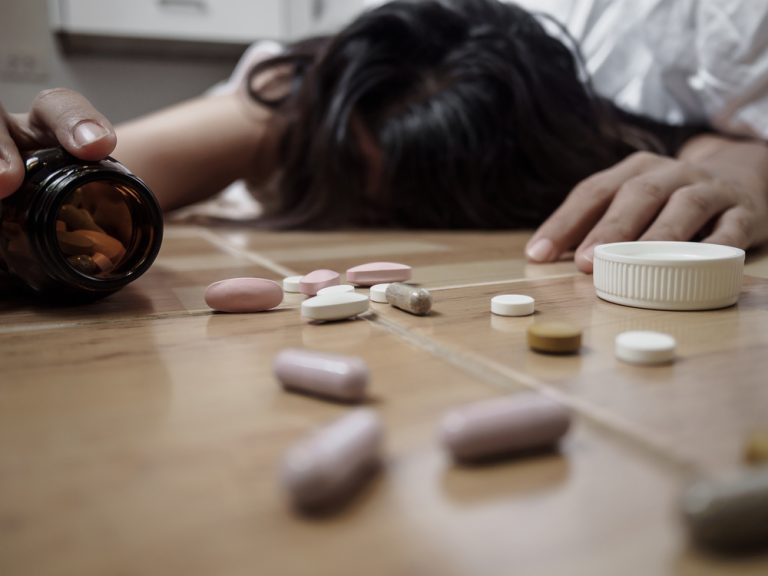
Significant risk of overdose.
Unpredictable interactions, even with small amounts of other substances.
Pills obtained from illegal sources may contain unknown substances, increasing the risk of Xanax addiction UK and complicating Xanax withdrawal UK.
Variable amounts of alprazolam increase overdose risk.
Unpredictable effects can accelerate dependence.
Xanax withdrawal can begin within hours of the last dose due to the medication’s short-acting nature. Experiencing withdrawal symptoms is a sign of physical dependence on Xanax. The severity of the withdrawal symptoms can depend on dose, frequency of use, and duration of treatment.
Xanax withdrawal can be dangerous if the medication is stopped suddenly or the dose is reduced too quickly. Extreme anxiety is a common and potentially dangerous withdrawal symptom that can occur, making medical supervision essential during detox.
The most serious risk is seizures, especially in individuals who have been using high doses or taking the drug for a long time. These symptoms can be difficult to manage without medical supervision and may increase the chance of returning to Xanax to relieve discomfort.
Tremors or involuntary movements.
Dizziness or unsteadiness.
Headaches, nausea, or gastrointestinal upset.
Muscle tension or aches.
Disrupted sleep.
Persistent anxiety or panic attacks.
Irritability or mood changes.
Restlessness.
Difficulty concentrating.
Sensory sensitivity.
Episodic or persistent hallucinations.
Periodic seizures.
Managing Xanax withdrawal UK symptoms can be challenging due to their intensity and variability. Physical effects can interfere with daily functioning, while psychological symptoms may be difficult to cope with without support.
0-24 Hours: Early symptoms typically appear within hours of the last dose. Individuals may experience restlessness, anxiety, sleep disruption, and mild physical effects such as dizziness or tremors.
1-4 Days: Physical and psychological symptoms intensify during this period. Headaches, nausea, muscle aches, and pronounced tremors may occur. Anxiety, irritability, and mood instability often peak. In some cases, seizures can begin to emerge, especially in high-dose or long-term users. Withdrawal symptoms can begin within a few days of stopping Xanax, with rebound anxiety and other symptoms sometimes appearing relatively quickly depending on the individual and the tapering process.
4-14 Days: This is usually the peak period of withdrawal. Severe anxiety, panic attacks, restlessness, sleep disturbances, and confusion are common. Physical tremors, muscle tension, sweating, and gastrointestinal upset often reach their highest intensity. Sensory sensitivity and episodic hallucinations can also occur in some individuals.
2-6 Weeks: Acute withdrawal symptoms begin to subside. Physical effects such as tremors and nausea generally decrease, but sleep disturbances, anxiety, and mood instability may persist. It may take a few weeks for some symptoms to resolve or for the body to adjust after discontinuation. Cognitive difficulties, including reduced concentration and memory problems, are still possible.
6 Weeks to Several Months: Some individuals experience prolonged withdrawal symptoms, sometimes referred to as post-acute withdrawal. These can include anxiety, ongoing sleep disruption, mood fluctuations, and mild cognitive impairment.
In the UK, the NHS recommends a gradual tapering approach for benzodiazepines, including Xanax, to reduce the severity of withdrawal symptoms. A formalised treatment plan is essential for safe withdrawal and should be developed with input from addiction medicine specialists. Choosing the right treatment path for Xanax addiction should be made in consultation with healthcare professionals.
This involves switching to a longer-acting drug and slowly reducing the dose under professional supervision to manage complications. According to the NICE guideline NG215, safe withdrawal should avoid abrupt cessation. Instead, tapering must be gradual, individualised, and reviewed regularly.
Private benzo detox programmes in the UK follow similar tapering protocols but often offer additional support. These services may include structured monitoring of withdrawal symptoms, residential care, and immediate access to medical intervention. Residential rehab provides 24-hour observation, which is beneficial for individuals with long-term Xanax addiction.
Seeking professional help is the crucial first step in overcoming Xanax addiction. Medical supervision ensures that Xanax withdrawal is conducted safely, with a medically supervised detox almost always being the first and most critical step in treatment.
During medical detoxification, medical professionals monitor your vital signs and administer medications to help manage withdrawal symptoms. Clinicians can provide a tailored tapering plan, manage complications, and adjust treatment based on individual response.
Supervised care allows integration of therapeutic interventions and provides a controlled environment to reduce relapse risk.
After detox, ongoing treatment is essential for sustainable recovery from Xanax addiction. NHS and private benzodiazepine detox services offer structured detox and monitoring that cannot be achieved through self-managed withdrawal.
To manage Xanax detox safely, treatment usually follows a structured pathway. Each stage focuses on safety and understanding how benzodiazepine withdrawal affects the body. The recovery journey from Xanax addiction often involves support from family members and a combination of treatment options tailored to individual needs.
Inpatient rehab provides a structured and supportive environment where you live at the facility for the duration of treatment. Alternatively, outpatient rehab programmes allow you to live at home while attending therapy sessions and appointments at a treatment centre.
Residential rehab offers a structured, clinically supervised setting for individuals undergoing benzo detox. Continuous monitoring is provided, allowing staff to respond to withdrawal symptoms that may vary or become unpredictable. Such inpatient facilities offer structured daily routines, regular clinical reviews, and scheduled therapeutic sessions.
These measures support careful tracking of withdrawal symptoms and ensure each stage is managed carefully. For this reason, residential rehab is often considered the most controlled setting for Xanax withdrawal and addiction treatment.
Benzodiazepine detox involves a supervised and gradual reduction of benzodiazepine dosage. This step is essential because it reduces the risk of severe withdrawal complications. NHS tapering guidance and private detox programmes both offer reliable clinical monitoring and symptom management.
If complications arise, medical intervention is immediately available throughout the Xanax withdrawal. Depending on the level of dependence, detox timeline, medication, and supervision may be adjusted for each individual.
Structured therapeutic sessions may accompany detox and rehabilitation. These sessions provide clinical education about benzodiazepine addiction, patterns of use, and strategies to manage triggers or stressors.
Therapeutic interventions may address underlying anxiety disorders and educate patients about the risks of alprazolam use, including withdrawal management. Therapy is delivered within the residential schedule, allowing monitoring of cognitive and emotional responses during withdrawal.
Aftercare includes scheduled follow-ups, monitoring of lingering withdrawal symptoms, and medication reviews. Clinicians can adjust care plans if post-acute withdrawal symptoms persist. This ongoing care ensures continuity of clinical oversight once rehab concludes and helps evaluate recovery in a controlled medical framework.
Medical evaluation should be sought immediately if:
Prolonged or high-dose Xanax use has occurred.
Withdrawal symptoms are severe.
There is a risk of seizures or hallucinations.
It is important to note that genetic predisposition can make some individuals more susceptible to developing addiction problems when using Xanax. Environmental factors, such as family history of substance misuse or exposure to drug-using environments, can also increase the risk of developing Xanax addiction. If you have a family history of addiction or have been exposed to environments where drug use is common, you may be at higher risk and should consider seeking help sooner.
Xanax addiction UK involves clinical risks that require structured management. Benzodiazepine dependence and withdrawal can lead to severe complications, including seizures and persistent anxiety. Residential rehab provides a controlled environment where withdrawal symptoms are monitored consistently, and medical interventions are available if needed.
While NHS tapering guidelines and private benzo detox programmes offer safe dose reduction, supervision remains essential to prevent complications. Understanding these pathways and adhering to medically guided detox ensures recovery is effective and long-lasting.
| Cookie | Duration | Description |
|---|---|---|
| cookielawinfo-checkbox-analytics | 11 months | This cookie is set by GDPR Cookie Consent plugin. The cookie is used to store the user consent for the cookies in the category "Analytics". |
| cookielawinfo-checkbox-functional | 11 months | The cookie is set by GDPR cookie consent to record the user consent for the cookies in the category "Functional". |
| cookielawinfo-checkbox-necessary | 11 months | This cookie is set by GDPR Cookie Consent plugin. The cookies is used to store the user consent for the cookies in the category "Necessary". |
| cookielawinfo-checkbox-others | 11 months | This cookie is set by GDPR Cookie Consent plugin. The cookie is used to store the user consent for the cookies in the category "Other. |
| cookielawinfo-checkbox-performance | 11 months | This cookie is set by GDPR Cookie Consent plugin. The cookie is used to store the user consent for the cookies in the category "Performance". |
| viewed_cookie_policy | 11 months | The cookie is set by the GDPR Cookie Consent plugin and is used to store whether or not user has consented to the use of cookies. It does not store any personal data. |