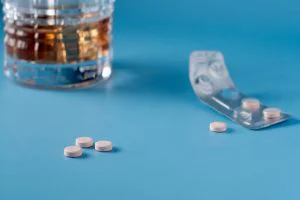
If you have ever typed “how to sober up fast” into a search engine at 2 AM, you are not alone. But the honest answer is one most people don’t want to hear: there is no safe, instant way to lower your blood alcohol concentration and the vast majority of tips you will find online are myths. Only time and your body’s natural alcohol metabolism can reduce your blood alcohol level. Drinking coffee, taking a cold shower or downing energy drinks will not change your BAC. For heavy or dependent drinkers the safest way to sober up is a planned, medically supervised detox in a clinical setting, not DIY quick fixes.
Understanding how your body processes alcohol explains why you can’t speed up sobering. When you drink alcohol it is absorbed quickly into the bloodstream from the stomach and small intestine. Once alcohol is in the blood it reaches the brain in minutes, disrupting judgment, coordination and reaction time.
Over 90% of alcohol is processed by the liver. A small amount leaves through breath, sweat and urine, which is why breathalyser tests work. The liver processes roughly one standard drink per hour, so extra alcoholic drinks queue up in the bloodstream waiting their turn. As blood alcohol concentration rises so do the risks: confusion, vomiting, slowed breathing and impaired coordination across the nerves responsible for keeping you safe.
Blood alcohol concentration BAC is the percentage of alcohol in your blood at a given time. The legal limit for driving in England, Wales and Northern Ireland is 0.08% BAC (80mg per 100ml of blood). In Scotland it is lower at 0.05%.
The liver processes alcohol at about 0.015% BAC per hour. That means alcohol leaves the body slowly. Here is a practical example:
Starting BAC
Approximate Time to Reach
~0.00%-0.05% ~3-4 hours
0.08% ~5-6 hours
0.15%~10 hours
0.20%~13+ hours
Individual factors affect how long it takes to sober up including body weight, sex, age, medications, liver health and whether you drank alcohol on an empty stomach or with food. Even if a person feels more awake after sleeping their BAC may still be over the legal limit the morning after heavy drinking. No home remedy, supplement or trick has been proven to speed up alcohol metabolism. There is no way to sober up quickly once alcohol is in your bloodstream.
If you are intoxicated right now and want to sober up fast these steps will keep you safe while your body works through the alcohol.
Stop drinking immediately. Stopping drinking alcohol is the only way to stop intoxication from getting worse. Avoid additional substances including sleeping pills, opioids or sedatives as mixing substances increases risk.
Move somewhere safe. Get away from roads, water, stairs and anything that requires coordination.
Arrange a sober lift home. Use a trusted friend, licensed taxi or rideshare. Never drive, cycle or operate machinery. Too many people cause a car accident each year because they thought they were fine to drive.
Have a sober person stay with you. Support from sober people can enhance safety. They should monitor breathing, responsiveness and vomiting especially overnight.
These will not change your blood alcohol content but will help your body process alcohol and reduce discomfort.
Hydration. Alcohol is a diuretic, increasing urination and dehydration. Drinking water helps prevent dehydration from alcohol and hydration reduces symptoms like headaches and fatigue. Sip water or electrolyte drinks slowly. However drinking water does not sober you up instantly. Avoid more alcohol and limit caffeinated drinks.
Food. Light meals stabilise blood sugar during alcohol consumption. Toast, crackers, bananas or soup can help reduce nausea. Eating may help settle nausea but food does not remove alcohol already absorbed into the bloodstream. Eating before you drink alcohol slows alcohol absorption into the bloodstream in the first place.* Rest. Sleep allows the liver to metabolise alcohol effectively. Lie on your side in a safe place, dim the lights and let the body rest and focus on the natural process of alcohol metabolism. Rest and sleep can support recovery while your body metabolises alcohol even if proper sleep is difficult.
Fresh air. Fresh air can help with mental clarity while intoxicated. Open a window or sit outside briefly and take slow deep breaths. Avoid strenuous exercise or risky activities.
Sobering up takes time and there are no shortcuts to speed up the process. There are no home remedies to sober up faster than time.
Many “quick fix” ideas give a false sense of sobriety and increase danger. All of the methods below leave blood alcohol concentration essentially unchanged so driving or making big decisions afterwards is still unsafe. Some myths increase health risks and should be avoided. The focus should be on safety, only time and medical help when needed.
Drinking coffee or consuming energy drinks can make you feel more awake but caffeine does not speed up alcohol metabolism or reduce blood alcohol concentration BAC. The National Institute on Alcohol Abuse and Alcoholism confirms that coffee does not sober you up. Caffeine and alcohol mask how drunk you are making you more likely to drive or take risks. Energy drinks also increase heart rate and blood pressure which is dangerous for people with heart conditions or anxiety. Drink water or non-caffeinated soft drinks instead of relying on caffeine to sober up fast.
A cold shower cannot lower blood alcohol or make the liver work faster. Cold showers do not lower blood alcohol concentration. The shock may make you feel briefly more alert but your body temperature drops and for very drunk people the risks include dizziness, slipping, loss of consciousness and temperature shock. Avoid cold showers when heavily intoxicated and focus on rest and hydration.
Only a tiny amount of alcohol leaves through sweat. Sweating does not remove alcohol from the body. Walking does not speed up alcohol metabolism and common myths include the idea that exercise can sober you up. Intense exercise or saunas while drunk worsen dehydration, increase heart strain and risk of injury due to poor coordination. Gentle stretching or a short slow walk is fine if you are steady but never use intense workouts as a “detox” method. You can’t sweat alcohol off and there is no magic hangover cure in a gym session.
By the time you feel very drunk most of the alcohol is already in the bloodstream. Vomiting does not significantly reduce blood alcohol levels. Forcing yourself to vomit can lead to choking, aspiration and damage to the throat and teeth especially when consciousness is impaired. Over-the-counter “detox” drinks or charcoal capsules have no reliable evidence to show they speed up alcohol metabolism. If vomiting is severe, continuous or breathing seems affected, seek medical help. Hangover cures sold online are not a substitute for proper care.
Alcohol poisoning and severe alcohol intoxication can be life-threatening and always override concerns about embarrassment or cost. Symptoms of severe alcohol intoxication are a medical emergency.
Look out for these red flags:
Confusion or can’t stay awake
Very slow or irregular breathing (less than 8 breaths per minute)
Pale or blue-tinged skin
Repeated vomiting or seizures
Unresponsive or lose consciousness
If intoxicated individuals show symptoms like confusion or slow breathing, call 999 immediately. Place the person in the recovery position on their side. Alcohol affects the gag reflex so lying flat on the back when vomiting increases the risk of choking. Emergency services exist to save lives. Fear of “getting in trouble” should never stop someone calling for help for a loved one or anyone else.
If you repeatedly search “how to sober up fast” after binges, it may mean you have a deeper problem with alcohol consumption. Regular heavy drinking changes the brain and body and can lead to alcohol dependence, where stopping suddenly can trigger serious withdrawal. Common alcohol withdrawal symptoms are shaking, sweating, anxiety, nausea and poor sleep. In more severe cases, seizures and delirium tremens can develop. Trying to manage withdrawal alone at home is dangerous, especially if you drink daily or consume large amounts. If you find you can’t cut down or stop drinking without severe symptoms, a planned medically supervised detox is essential.
For anyone who drinks heavily, regularly or has tried and failed to stop, the safest and fastest way to get truly sober is a structured medical detox not home remedies.
Medical detox involves:
24/7 monitoring by trained clinical staff
Prescription medications (typically benzodiazepines) to manage withdrawal symptoms safely
Regular checks of vital signs, blood alcohol concentration and overall health
Thiamine supplementation to prevent neurological complications
Emotional and psychological support during the hardest first days
Clinicians assess medical history, mental health and the body’s ability to cope with withdrawal to create an individual detox plan. The safety benefits are clear: reduced risk of seizures and delirium tremens, prompt treatment of complications and complete elimination of guesswork. Detox is the first step. Ongoing alcohol rehab, therapy and aftercare are needed to stay sober long term.
PCP is a CQC-registered provider of private residential alcohol detox and rehab across the UK. We operate clinics in Luton, Cardiff, Leicester, Chelmsford and London, offering medically supervised drug and alcohol detox and rehabilitation.
What you get with PCP:
24/7 medical support and bespoke treatment plans
Safe management of withdrawal symptoms including complex cases
Therapy for underlying mental health and substance abuse issues
Structured aftercare and family support
Treatment for alcohol, drugs and behavioural addictions if needed
Costs start from around £8,500 for a 14-day stay, with payment plans available. Compared to some providers charging over £6,500 for just 7 days of detox alone, PCP delivers expert clinical care at an accessible price point.
Be honest with yourself about how alcohol affects your health, work and relationships. Signs that rehab may be needed include:
Be honest with yourself about how alcohol affects your health, work and relationships. Signs that rehab may be needed include:
Drinking every day or needing alcohol to feel “normal”
Blackouts, hiding alcohol intake from others, or failed attempts to quit
Increasing alcohol consumption despite consequences
How many drinks you need has climbed steadily over months or years
Co-occurring issues such as anxiety, depression or drug use make professional support even more important. Residential rehab offers a safe environment away from triggers, with therapy, peer support and relapse prevention. If you recognise these patterns, sobering up not as a one-night fix but as the start of a full recovery journey.
Not everyone is ready to stop entirely, but safer habits reduce the risk of emergencies.
Set a clear limit before going out and count how many drinks you actually have.
Eat a proper meal with protein, fat and complex carbohydrates before consuming alcohol. Eating before drinking slows alcohol absorption. A full stomach lining provides a buffer compared to drinking on an empty stomach.
Alternate alcoholic beverages with water or sports drinks. Leave at least an hour between alcoholic drinks to give your liver time and let the body processes catch up.
Plan travel in advance: designated driver, taxi or public transport. Never rely on drinking coffee, cold showers or “feeling fine” as proof of sobriety.
If you are hungover, wear sunglasses if light hurts, get more sleep and reduce nausea with bland food. There is no magical hangover cure, but giving your body what it needs helps recovery.
If you are worried about your drinking or about a loved one, reach out sooner rather than later. The Mental Health Services Administration and national institute guidelines all agree: early intervention leads to better outcomes.
Our admissions team can discuss options confidentially, help assess whether medical detox at home or residential detox is right for you and arrange quick admission to one of our clinics. Family members can also call if they are concerned.
Time is the only thing that lowers blood alcohol. But the decision to get proper help? That you can make right now. Contact PCP via our admissions form or call us today to talk through safe detox and rehab options.
| Cookie | Duration | Description |
|---|---|---|
| cookielawinfo-checkbox-analytics | 11 months | This cookie is set by GDPR Cookie Consent plugin. The cookie is used to store the user consent for the cookies in the category "Analytics". |
| cookielawinfo-checkbox-functional | 11 months | The cookie is set by GDPR cookie consent to record the user consent for the cookies in the category "Functional". |
| cookielawinfo-checkbox-necessary | 11 months | This cookie is set by GDPR Cookie Consent plugin. The cookies is used to store the user consent for the cookies in the category "Necessary". |
| cookielawinfo-checkbox-others | 11 months | This cookie is set by GDPR Cookie Consent plugin. The cookie is used to store the user consent for the cookies in the category "Other. |
| cookielawinfo-checkbox-performance | 11 months | This cookie is set by GDPR Cookie Consent plugin. The cookie is used to store the user consent for the cookies in the category "Performance". |
| viewed_cookie_policy | 11 months | The cookie is set by the GDPR Cookie Consent plugin and is used to store whether or not user has consented to the use of cookies. It does not store any personal data. |