




Ketamine use has been on the rise during the past few years in the UK. Ketamine is a dissociative anaesthetic with hallucinogenic effects, producing a dream-like state and altered perceptions, making it popular for recreational use but also increasing the risk of ketamine abuse.
According to recent surveys, there was an increase in the proportion of adults entering treatment in 2023 to 2024 with ketamine problems, rising from 1.6% in 2022-2023 to 2.3% in 2023-2024.
Nevertheless, many still face the dilemma of which ketamine rehabilitation option to choose for effective recovery. Would a free ketamine rehab work fine? Or does a private ketamine rehab provide a long-term recovery? Read this guide to understand the waiting times and outcomes for each option and choose the best channel to heal completely.
In recent years, the use of ketamine recreationally has become increasingly common, often influenced by social environments and peer pressure. This shift has led to a surge in ketamine-related health issues, including a growing need for specialised addiction treatment.
But why is there a need for professional support? Can’t you detox from ketamine use by yourself?
No, you can’t! Ketamine dependence often requires specialised intervention, as both the physical and psychological aspects of addiction must be addressed through professional treatment programmes. The reason is the withdrawal symptoms and timeline associated with ketamine addiction recovery.
Ketamine withdrawal can bring along a lot of consequences. While these physical symptoms of withdrawal may not appear harmful in the beginning, with passing time they can intensify. For instance, you can expect to face:
Anxiety.
Depression.
Insomnia.
Fatigue.
Heart Palpitations.
Elevated Body Temperature.
Foggy Thinking.
Intense Agitation.
Panic Attacks
Ketamine addiction is a form of substance abuse, and addressing it requires understanding the behavioural, psychological, and social factors involved in recovery.
A professional free or private ketamine rehab supports you in a way home detox never can. It begins with:
Safe Comfortable Ketamine Detox: You start by going through a ketamine detox in a safe, comfortable setting. This may involve a medically assisted detox or medical detox, where a medical team monitors your physical and psychological health, manages withdrawal symptoms with prescribed medication, and responds quickly if anything changes.
Trigger-Free Environment: You step away from dealers, party circles, and familiar spots where ketamine is served. This distance reduces cravings and gives your brain and body room to stabilise.
Structured Treatment Programme: Each day at a free or private ketamine rehab follows a comprehensive treatment programme that may include a holistic approach. The schedule features therapy sessions, reflection time, and rest. You no longer rely on willpower alone. The routine keeps you focused and stops ketamine from dominating your thoughts.
Addresses Psychological Dependence: Rehab also helps you to explore why you use ketamine and which triggers feel hardest to resist. This includes one to one therapy and addiction counselling, allowing you to practise healthier coping strategies so you don’t feel pushed back to ketamine whenever life becomes overwhelming.
Ongoing Aftercare Plan: Finally, the team creates an ongoing aftercare plan before you leave. This supports your recovery process and may include support groups, holistic therapies, follow-up appointments, and relapse prevention sessions. You don’t walk out hoping for the best. You walk out with a clear roadmap for staying sober.
The goal of rehab is to help you overcome addiction and support your physical and mental health for lasting recovery.
In the UK, you can access free ketamine rehab through several channels. The main providers of free treatment options are NHS services and nhs rehabs. The main options include:
NHS: Your GP or local drug and alcohol service can refer you to community-based support or, in some cases, to an nhs rehab or residential treatment such as residential rehabilitation. While NHS rehabs typically offer outpatient care, the NHS may refer patients to a private rehab centre or treatment centre for residential rehab if appropriate.
Non-Profit Drug Rehab Charities: Organisations like With You, CGL, and Turning Point provide free counselling, structured rehab programmes, and sometimes inpatient or residential rehab treatment.
Funded Placements in Private Ketamine Rehabs: In some cases, the NHS or local councils cover the cost of a private rehab centre or residential rehabilitation through funded quotas for individuals with severe addiction. These rehab centres and treatment centres offer structured rehab treatment and comprehensive rehab programmes, but funding may not cover extended or luxury options.
If you choose free ketamine rehab in the UK, waiting times for NHS services and NHS rehabs can be significant due to high demand. NHS programmes often have queues, while charities may offer faster access. Nevertheless, these waits can still be long at times due to high demand and the overall burden on the system.
Free ketamine rehabs in the UK provide comprehensive addiction treatments, but in some cases, the services may be limited. For instance, if you require long-term residential care, you may have to pay for it out of your pocket. In most cases, you can expect a medical detox as part of a structured treatment programme, which may also include addiction counselling, holistic therapies, and appropriate psychotherapy.
NHS and charity-funded ketamine rehabs deliver strong, effective support during treatment. They help you detox safely and start rebuilding your life. However, waiting times can be long, and maintaining recovery after leaving rehab is often challenging without comprehensive aftercare services. Access to ongoing aftercare services is crucial for supporting a successful recovery and guiding individuals through the recovery process, helping to prevent relapse and ensure long-term positive outcomes.
Private rehab centres and residential rehab clinics aren’t funded by the NHS or charities, which means you pay for direct access to a wide range of treatment options.
These include inpatient ketamine rehab at a specialised ketamine rehab facility or treatment centre, where tailored programmes are designed to meet individual needs. The services provided in such facilities are comprehensive and long-term, focusing on ketamine addiction rehab that supports overcoming ketamine addiction and promotes both physical and mental health. Additionally, many centres also address co-occurring mental health issues such as anxiety, depression, or trauma.
Private ketamine rehabs in the UK usually offer much faster access than NHS or charity-funded services. You can often secure a place within days rather than weeks. This immediate support reduces the risk of prolonged drug use and allows you to start recovery while motivation is high.
A private ketamine rehab offers a comprehensive rehab programme designed to tackle both the physical and psychological challenges of addiction. You begin with a medically supervised detox, where withdrawal symptoms are carefully monitored and managed, and prescribed medication may be used to reduce discomfort and ensure safety.
Alongside detox, clients take part in one to one therapy, addiction counselling (both individual and group), and family sessions. These therapies rebuild relationships, strengthen support networks, and address the emotional impact of addiction.
Many private centres also use evidence-based therapies, such as cognitive-behavioural therapy (CBT) and Motivational Enhancement Therapy (MET), as part of a holistic approach. This holistic approach integrates physical, emotional, and spiritual care, ensuring all aspects of well-being are addressed. These methods target the root causes of ketamine use and teach healthier coping strategies and practical ways to prevent relapse.
Private ketamine rehabs often deliver better outcomes than free NHS or charity-funded programmes. Immediate access to treatment reduces the risks of prolonged drug use. Personalised care plans and structured routines increase engagement and accelerate recovery. Aftercare services are provided to support a successful recovery and guide clients through the recovery process, ensuring ongoing support and relapse prevention after treatment.
Finding an effective private ketamine rehab requires careful research and planning. It is important to evaluate different rehab centres and treatment centre options, as not all centres provide the same level of care or personalised treatment approaches.
Many providers offer a free addiction assessment, which can help you determine the best course of action for your recovery and ensure you choose the most suitable facility for your needs. Taking the time to explore your options can make a real difference.
One of the best ways to find a reliable rehab is to ask for referrals. Speak to your GP, local drug and alcohol services, or trusted healthcare professionals. They often have insights into reputable private rehabs and can guide you toward programmes that suit your specific needs
Look closely at the treatment programmes offered. It is important to understand the available treatment options, including the type of rehab programme that best suits your needs. Effective rehabs provide medical-grade detox, evidence-based therapies and aftercare treatments. If you are seeking help for ketamine addiction, consider whether the clinic offers a dedicated ketamine rehab programme with personalised support. Inpatient programmes with structured routines and holistic care often yield the best long-term outcomes.
Finally, understand the costs involved. Private rehabs are not part of free treatment options such as those provided by the NHS, so fees can vary. Inpatient ketamine rehab programmes may have different pricing structures depending on the facility, length of stay, and level of personalised care.
Ask what is included in the programme, whether long-term residential stays are covered, and if aftercare or follow-up support is part of the package.
If you’re still unsure which private ketamine rehab to choose for your recovery, you can trust credible experts at PCP to guide the process. At Rehab Today by PCP, you get to have:
Comprehensive Rehab Treatment: PCP offers a full range of rehab treatment options, including ketamine addiction treatment and ketamine rehabilitation, tailored to individual needs for various substance and behavioural addictions.
Safe Space to Heal: PCP provides a secure, supportive environment where clients can focus entirely on recovery and work to overcome addiction.
Medically Supervised Detox: Detox at PCP is carefully monitored by qualified medical professionals. Withdrawal symptoms are managed safely, giving clients comfort and peace of mind during the early stages of recovery.
Evidence-Based Therapeutic Interventions and Holistic Therapies: At PCP, clients benefit from personalised therapies, group therapy, family support, and holistic therapies designed to enhance overall well-being.
Structured Aftercare Services: Recovery continues beyond the residential programme. We at PCP offer structured aftercare plans and relapse prevention strategies as part of our aftercare services. This ensures clients maintain long-term sobriety and transition successfully back into daily life with confidence.
Choosing the right rehab can shape your recovery journey. Private ketamine rehabs provide faster access, personalised care, and structured support.
PCP offers expert guidance, evidence-based therapies, and ongoing aftercare to maximise long-term sobriety. Take the first step today, explore your options with PCP and begin your path to a safer, healthier future.
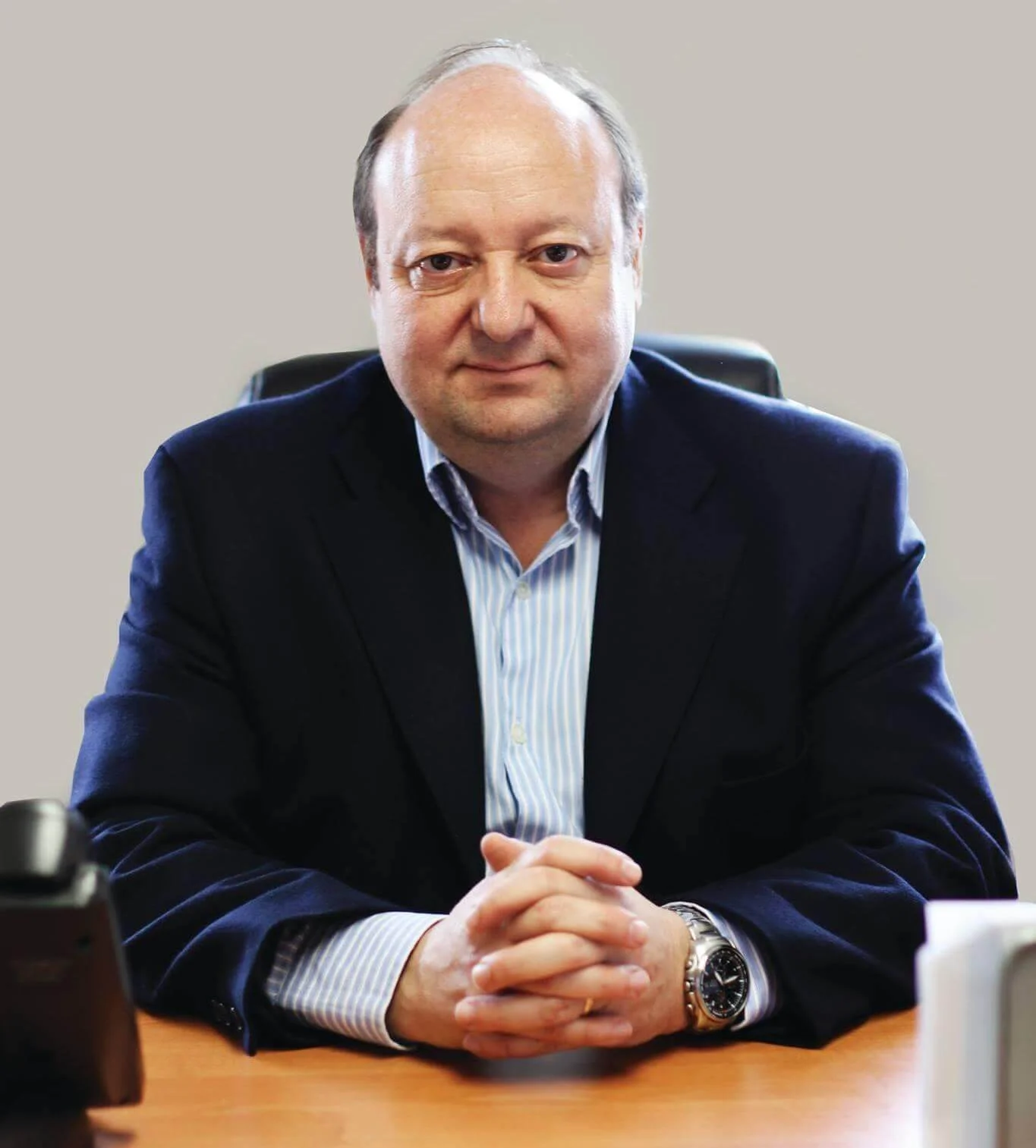
Perry is the founder of Rehab Today by PCP and opened the first treatment centre at Luton in 2004.
Perry’s background apart from his own personal struggle with addiction over 20 years ago is in the recruitment industry where he started his career and became Finance Director of a UK PLC and in the late 90’s was part of a new start up and became the leading recruitment consultancy in Intellectual Property across Europe.
Perry is passionate about recovery from addiction and liaises with family members to coordinate admissions, often sharing his own experience to help people when they first admit into treatment. Most certainly the driving force behind the success of Rehab Today by PCP which now boasts 60 primary and 68 move on beds in all locations. Perry is a keen fitness fanatic and Arsenal fan!

Dr Otulana is PCP’s longest-serving doctor. He is an experienced Physician with Specialist Interest in Substance Misuse Management and he has a wide range of experience in the assessment and management (including detoxification) of clients with various drug and substance addiction problems. Dr Otulana started practising as a doctor in 2000 and with over 10 years as an Addiction Physician. He is an Advanced Addiction Practitioner Member of Addiction Professionals and also holds the Certificate in Clinical Psychopharmacology (Part 1) of the British Association for Psychopharmacology. He is additionally a strong healthcare services professional with a Master of Business Administration (M.B.A.) degree from Cambridge University Judge Business School.
| Cookie | Duration | Description |
|---|---|---|
| cookielawinfo-checkbox-analytics | 11 months | This cookie is set by GDPR Cookie Consent plugin. The cookie is used to store the user consent for the cookies in the category "Analytics". |
| cookielawinfo-checkbox-functional | 11 months | The cookie is set by GDPR cookie consent to record the user consent for the cookies in the category "Functional". |
| cookielawinfo-checkbox-necessary | 11 months | This cookie is set by GDPR Cookie Consent plugin. The cookies is used to store the user consent for the cookies in the category "Necessary". |
| cookielawinfo-checkbox-others | 11 months | This cookie is set by GDPR Cookie Consent plugin. The cookie is used to store the user consent for the cookies in the category "Other. |
| cookielawinfo-checkbox-performance | 11 months | This cookie is set by GDPR Cookie Consent plugin. The cookie is used to store the user consent for the cookies in the category "Performance". |
| viewed_cookie_policy | 11 months | The cookie is set by the GDPR Cookie Consent plugin and is used to store whether or not user has consented to the use of cookies. It does not store any personal data. |