


Cannabis is one of the most widely used illicit drugs in the UK. Despite the regulating authorities’ joint awareness programmes, many abuse the substance even after rehab. This is because a lot of individuals find the urge to use cannabis just irresistible, falling back into the same old patterns.
A structured and evidence-based aftercare treatment is the backbone of any addiction recovery plan, and forms a vital part of a comprehensive rehab programme—a structured plan that includes detox, inpatient care, and ongoing aftercare to support long-term recovery. Especially with cannabis addiction, an aftercare programme is even crucial in maintaining long-term sobriety.
Read this guide to understand what after-rehab prevention plans you must follow when recovering from cannabis addiction. Learn about therapies and programmes that promote lifetime sobriety.
Cannabis relapse occurs when you start abusing the drug after being sober for a long time. These episodes may sometimes recur on and off; at other times, they may develop into a consistent pattern. However, relapse doesn’t mean failure; instead, it signals that certain triggers, habits, or emotions still need to be addressed.
Relapse begins long before you start using cannabis. It often starts with you thinking, ‘I can handle just one shot,’ or ‘I had a tough week, I need a break.’ These thoughts can rack up and make the temptations feel irresistible. Stress and societal pressure can further intensify these cravings.
Together, these culprits can add up and compel you to use cannabis again. This makes building a personalised relapse prevention cannabis plan essential for lasting recovery. Such a plan empowers individuals to regain control over their recovery journey, helping them manage triggers and maintain stability.
Healing doesn’t complete when you step out of rehab. In actual words, it starts the moment you’re out of a rehabilitation centre. The way you tackle real-world challenges, manage triggers, and handle cravings is all impacted by the aftercare treatment plan you choose.
Aftercare following cannabis rehab is crucial because it provides ongoing support during the period of adjustment. Aftercare offers comprehensive care that addresses emotional, psychological, and practical aspects of recovery, ensuring a secure and compassionate environment as you transition back to daily life. A well-structured cannabis rehab aftercare UK plan motivates you to stay focused on recovery goals. It also aids you in:
Managing cravings effectively through therapy and coping strategies.
Staying accountable through regular check-ins.
Rebuilding routines that promote mental, emotional, and physical well-being.
Addressing underlying issues such as stress, anxiety, or depression that can trigger relapse.
Strengthening social connections with family, peers, and recovery communities.
Ensuring you feel supported throughout your recovery journey, with ongoing emotional and practical assistance to help maintain progress and handle setbacks.
An effective relapse prevention cannabis plan serves as your roadmap for maintaining sobriety and building a fulfilling life beyond rehab. It combines professional guidance and lifestyle changes to keep you grounded and motivated. This holistic approach to recovery addresses both the mind and body, supporting overall well-being for lasting change. Every person’s healing journey is different, but the elements of a strong aftercare plan often include:
Doubts, questions, and emotions can still linger even after cannabis rehab. Continued therapy keeps you connected to professional guidance and provides a safe space to discuss challenges as they appear.
Depending on your needs, your therapist might suggest one-on-one counselling, one to one therapy, group therapy, or a mix of both. These sessions allow you to explore the emotional roots of cannabis use. They provide essential emotional support during recovery, helping you heal relationships, enhance communication, and receive ongoing encouragement. It enables you to abstain from using the drug and assists you in healing from stress, anxiety, or unresolved trauma.
Most of the time, evidence-based therapies such as Cognitive Behavioural Therapy (CBT) or Dialectical Behaviour Therapy (DBT) are used in aftercare. A trained therapist works with you to understand what situations or emotions increase your urge to use cannabis. Through these therapies, you learn to:
Recognise and reframe negative thoughts.
Manage stress and anxiety without turning to substances.
Practise problem-solving and decision-making skills in challenging situations.
Therapists often use structured exercises and practical planning sessions to ensure these skills are applied effectively in real life, not just in theory.
Group support offers connection, understanding, and accountability, all of which are critical in maintaining long lasting sobriety. Participating in group therapy sessions is a key component of ongoing recovery, providing communal support and a safe space to share experiences. Sharing experiences with others who have faced similar struggles reminds you that you are not alone and that recovery is possible. Addiction specialists encourage clients to engage with these groups to ensure effective ongoing recovery.
In the UK, Marijuana Anonymous (MA) meetings provide a structured environment where you can share challenges, celebrate milestones, and gain wisdom. These meetings follow the 12-Step framework, which encourages honesty, personal responsibility, and community support.
Group therapy also has therapeutic benefits beyond peer backup. It allows you to develop communication skills, learn from others’ coping skills, and practise empathy and accountability. This sense of belonging makes recovery feel achievable, even during difficult times.
A structured daily routine is one of the strongest tools in preventing relapse. When your days have purpose, it becomes easier to manage cravings and stress without turning back to cannabis. Integrating these changes into your daily life helps you maintain recovery while balancing your usual activities and responsibilities. Simple habits, such as waking up and sleeping on time, eating well, and staying active, can greatly impact your mental and physical health.
Your addiction specialist may also advise you to incorporate exercises into your routine. These activities may involve short walks, stretching, or light workouts. It may also include mindfulness practices such as meditation, journaling, or deep-breathing exercises to calm the mind.
Healing also involves replacing old habits with positive activities. An addiction counsellor can guide you in identifying hobbies, skill-building exercises, or community engagement opportunities that promote a sense of purpose while reducing relapse risk.
Triggers are situations, emotions, or environments that increase the urge to use cannabis. Identifying them is a critical part of aftercare, but it is most effective when guided by a trained addiction specialist or therapist. A counsellor can encourage you to recognise patterns in your behaviour, pinpoint high-risk situations, and develop personalised strategies to respond safely.
Common triggers include stress, anxiety, social pressures, or being in environments where cannabis was previously used. Addiction therapists work with you to anticipate these challenges and teach coping strategies that don’t rely on substance use. Maintaining focus is essential when managing triggers, as it helps you concentrate on your well-being and stay attentive to your emotions and surroundings.
Recovery doesn’t happen in isolation. Families play a crucial role in helping a loved one maintain sobriety. Supporting a loved one through recovery is vital, as emotional assistance and involvement can significantly impact long-term success. However, support is most effective when guided by an addiction specialist or therapist. Mental healthcare practitioners educate family members about cannabis addiction, explain common triggers, and show them how to encourage without resorting to old habits.
Family therapy or structured workshops also give loved ones a safe space to share concerns, learn healthy communication strategies, and rebuild trust. These sessions allow families to understand the emotional and psychological aspects of recovery, creating a bond that is both empathetic and practical. Families also receive advice on how to best assist their loved one throughout the recovery process.
Professionals also guide families in establishing routines at home that reinforce recovery goals. This could mean encouraging healthy daily habits, creating a calm environment, or spotting early warning signs of relapse.
Regular progress check-ins with your addiction specialist or therapist ensure that your aftercare plan remains effective and adapts to your evolving needs. These sessions allow doctors to track your achievements, address challenges, and adjust strategies before small issues turn into larger problems.
During check-ins, therapists also review your coping mechanisms, discuss any lapses or near-relapses, and provide guidance to strengthen resilience. They also let you celebrate milestones, no matter how small, reinforcing motivation and self-confidence. Knowing that a professional is monitoring your progress provides reassurance during difficult moments. Regular check-ins help you keep moving forward in your recovery journey, ensuring ongoing support and progress.
Professional aftercare is the bridge between completing treatment and achieving true independence from cannabis. As part of professional aftercare, medical support and medical care are available to ensure your safety and well-being throughout your recovery journey. Without ongoing support, it’s easy to feel lost once you return to normal life.
Mental health specialists offer structured guidance and personalised care, allowing you to spot early relapse signs and apply the coping strategies you learned in rehab. For those who need a more structured environment, inpatient treatment is available, providing intensive support and helping individuals feel safe during recovery. This consistent assistance keeps you accountable and motivated, particularly during uncertain times, and helps you heal and achieve lasting recovery.
Relapse can be discouraging, but it doesn’t erase your progress or define your recovery journey. Relapse is a part of many people’s lives, and overcoming it is a testament to your resilience and commitment to long-term recovery. What matters is how quickly you respond. Here’s what you can do:
Acknowledge what happened, without self-blame.
Contact your therapist or support group immediately for guidance.
Reflect on your triggers to understand what led to the setback.
Recommit to your aftercare plan and set short-term recovery goals.
Stay connected, attend meetings, talk to supportive friends, and avoid isolation.
Remember, there are free resources and support available to help you get back on track after a relapse.
Relapse doesn’t mean failure; it’s simply a sign that additional healing is needed. Every recovery journey comes with ups and downs, and what truly defines success is your willingness to keep going. With the right guidance, sustaining sobriety is absolutely achievable.
At PCP, we provide support for a wide range of addictions, including drug rehab and drug treatment, as well as specialised programmes for alcohol. Our approach incorporates the 12-step programme, originally developed by Alcoholics Anonymous, which is a foundational method for addiction recovery and personal growth. We recognise that detox is a vital step in the recovery process, ensuring physical stability before moving forward with therapy and support.
If you or a loved one is struggling with cannabis relapse, reach out to us today to explore cannabis rehab aftercare programmes. We offer free aftercare as part of our commitment to ongoing support, and can signpost you to free options if private treatment is not suitable. Our compassionate team focuses on long-term healing and relapse prevention regardless of the severity of your addiction.
Our success rates are backed by a closed survey conducted with clients, showing a high percentage of individuals still in recovery one year after treatment. This demonstrates the effectiveness of our comprehensive approach to helping people overcome addictions.

Dr Otulana is PCP’s longest-serving doctor. He is an experienced Physician with Specialist Interest in Substance Misuse Management and he has a wide range of experience in the assessment and management (including detoxification) of clients with various drug and substance addiction problems. Dr Otulana started practising as a doctor in 2000 and with over 10 years as an Addiction Physician. He is an Advanced Addiction Practitioner Member of Addiction Professionals and also holds the Certificate in Clinical Psychopharmacology (Part 1) of the British Association for Psychopharmacology. He is additionally a strong healthcare services professional with a Master of Business Administration (M.B.A.) degree from Cambridge University Judge Business School.
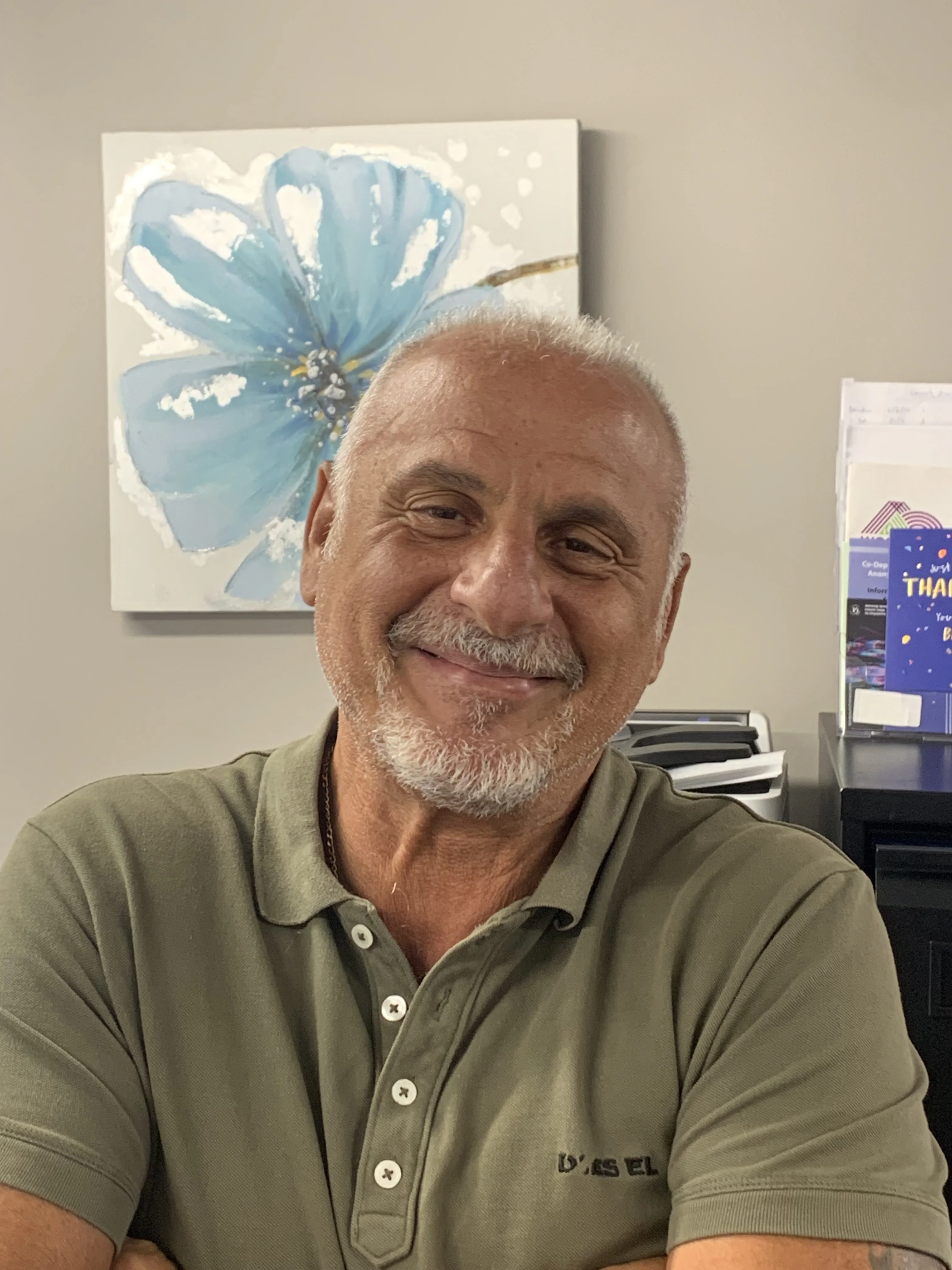
Andy's journey in psychology and substance recovery is marked by significant educational and professional achievements. He studied Person Centered Counseling, gained insights from psychological literature, and completed an online course on the mind. His hands-on experience includes volunteering at a Drug and Alcohol Clinic and earning a diploma in child adverse experiences. Andy holds a first-class honors degree in Psychology with Substance Use and Misuse. Professionally, he has contributed as a Lived Experience Coordinator and counselor, offering hope and empowerment to those in recovery.
Qualifications and Experience:
Introductory Course in Person Centered Counseling
Extensive study of psychological literature (including Carl Rogers and Freud)
Online course completion on the Mind from UCT
OCN peer mentoring course
Level 3 diploma in child adverse experiences
First-class honors degree in Psychology with Substance Use and Misuse
Experienced Lived Experience Coordinator for Probation Dependency and Recovery service
| Cookie | Duration | Description |
|---|---|---|
| cookielawinfo-checkbox-analytics | 11 months | This cookie is set by GDPR Cookie Consent plugin. The cookie is used to store the user consent for the cookies in the category "Analytics". |
| cookielawinfo-checkbox-functional | 11 months | The cookie is set by GDPR cookie consent to record the user consent for the cookies in the category "Functional". |
| cookielawinfo-checkbox-necessary | 11 months | This cookie is set by GDPR Cookie Consent plugin. The cookies is used to store the user consent for the cookies in the category "Necessary". |
| cookielawinfo-checkbox-others | 11 months | This cookie is set by GDPR Cookie Consent plugin. The cookie is used to store the user consent for the cookies in the category "Other. |
| cookielawinfo-checkbox-performance | 11 months | This cookie is set by GDPR Cookie Consent plugin. The cookie is used to store the user consent for the cookies in the category "Performance". |
| viewed_cookie_policy | 11 months | The cookie is set by the GDPR Cookie Consent plugin and is used to store whether or not user has consented to the use of cookies. It does not store any personal data. |