Cannabis does not affect everyone in the same way. Some people feel relaxed and calm. Others experience strong anxiety, panic or a sense that something is seriously wrong, particularly with higher doses or potent products.
Cannabis use can lead to adverse health effects, including mental health issues such as anxiety, especially with regular or high-potency use.
When anxiety symptoms appear during or shortly after using cannabis, this is often described as cannabis-induced anxiety. For many people these episodes are short-lived, but they can still be frightening. In others, frequent use may be linked with more persistent anxiety over time.
This page explains what cannabis-induced anxiety is, how it happens, who is more at risk, and when it makes sense to seek professional support.
What Is Cannabis-Induced Anxiety?
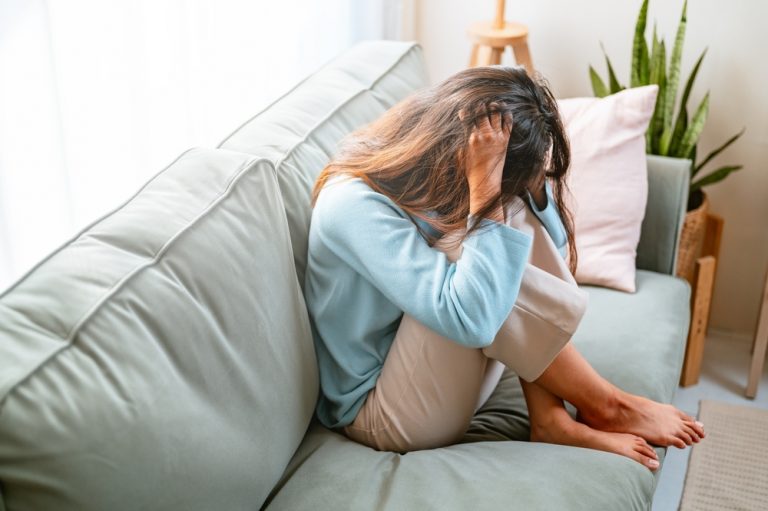
Cannabis-induced anxiety is anxiety that develops in clear relation to cannabis use. Symptoms usually:
start during intoxication or within a few hours of using
include worry, fear, panic or physical anxiety signs
settle as the effects of cannabis wear off
People often describe:
feeling suddenly on edge or fearful
a racing heart, sweating or chest tightness
thoughts that something terrible is about to happen
feeling detached from themselves or their surroundings
This is different from an underlying anxiety disorder that occurs regardless of substance use. However, the two can overlap.
Someone with generalised anxiety, social anxiety or panic disorder may be more likely to experience cannabis-induced anxiety or to find it harder to recover after an episode.
Individuals with pre-existing anxiety may be especially vulnerable, as cannabis use can sometimes prolong or worsen anxiety symptoms in those who already have an anxiety disorder.
Individual responses vary widely. The same dose that feels calming for one person can trigger significant anxiety in another, depending on the product used, dose, personal vulnerability and the situation they are in.
Certain factors, such as higher doses or having a personal history of anxiety, can increase anxiety during cannabis use.
Acute Anxiety and Panic After Cannabis Use
Acute cannabis-related anxiety usually appears:
within minutes when smoking or vaping
within 1–2 hours when using edibles
Acute cannabis induced anxiety can occur suddenly, sometimes requiring emergency care, and is characterized by intense symptoms that may resemble panic attacks or severe anxiety episodes.
Common features include:
sudden panic or intense fear
a sense of losing control or “going mad”
rapid heartbeat, shaking, shortness of breath
feeling unreal or disconnected
racing, intrusive or paranoid thoughts
These episodes are more likely when:
using high-THC products or concentrates
taking more than usual
using edibles without allowing enough time between doses
using synthetic cannabinoids
using cannabis while already stressed, sleep deprived or unwell
being in an unfamiliar, crowded or uncomfortable environment
consuming too much cannabis, which can induce acute anxiety symptoms such as panic attacks and hallucinations
For most people, acute anxiety settles as THC levels fall. The experience can feel much longer than it actually is because cannabis and anxiety both distort the sense of time. It is common to feel tired or emotionally drained the following day.
Emergency Medical Visits for Cannabis-Induced Anxiety
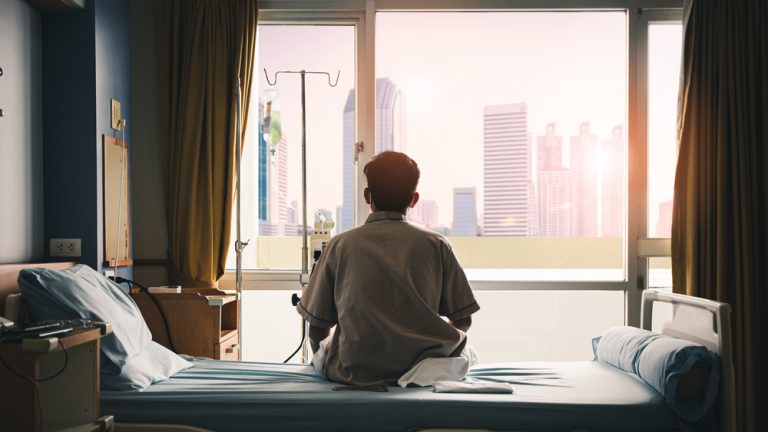
In recent years, emergency department visits for cannabis-induced anxiety have risen sharply, especially among young adults.
As cannabis use becomes more widespread and products grow in potency, more people are experiencing acute anxiety symptoms that require urgent medical attention.
Research published in the Journal of Clinical Psychopharmacology found that cannabis-induced anxiety disorder accounted for over 17% of emergency department visits related to cannabis toxicity. Many of these cases involve severe panic attacks, intense induced anxiety, and sometimes even manic behaviour or hallucinations.
Another study in the Journal of Addiction Medicine reported a 57% increase in emergency department visits for cannabis-related anxiety disorders between 2012 and 2016.
Young adults are particularly affected, often presenting with symptoms such as rapid heartbeat, chest pain, and overwhelming fear after cannabis use.
These findings highlight the importance of recognising the risks associated with cannabis, especially for those who may be more vulnerable to anxiety disorders or have a history of mental health challenges.
Healthcare providers are increasingly called upon to assess and treat cannabis-induced anxiety, emphasising the need for awareness and appropriate intervention in emergency settings.
Longer-Term Anxiety and Frequent Cannabis Use
Research looking at long-term anxiety and cannabis use shows mixed results, but several patterns appear repeatedly. Multiple studies, including longitudinal studies, have examined the relationship between cannabis use and anxiety, providing important insights into potential long-term effects:
-
regular or daily use is associated with higher rates of anxiety symptoms compared with non-use
-
starting cannabis in early adolescence is linked with greater anxiety later in life
-
people who are already anxious are more likely to use cannabis to cope, which complicates cause-and-effect
In frequent users, cannabis may affect anxiety in several ways:
-
changing how the brain’s own cannabinoid system regulates stress
-
increasing exposure to episodes of acute anxiety
-
masking underlying anxiety for a time, then revealing it again during withdrawal
When regular users cut down or stop, it is common to experience withdrawal-related anxiety, along with irritability and sleep disruption. These symptoms usually begin within a day or two, peak during the first week and then improve over several weeks.
Importantly, many studies cannot fully separate cannabis’s direct effects from other factors such as trauma, other substances, social stress, or pre-existing mental health conditions.
Mixed findings and limited longitudinal association data make it difficult to draw firm conclusions, but some prospective long-term association studies suggest an increased risk of anxiety disorders with frequent cannabis use. Associations do not automatically mean cannabis is the sole cause.
How Cannabis Affects Brain Chemistry and Anxiety
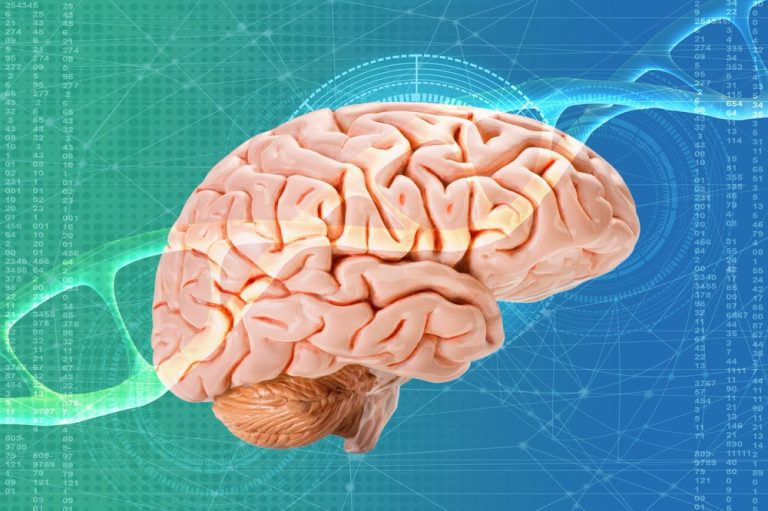
THC and the Anxiety Response
THC (delta-9-tetrahydrocannabinol) is the main psychoactive component in cannabis. It binds to CB1 receptors in brain areas involved in mood, threat detection and memory, including the amygdala and prefrontal cortex.
At higher doses, THC can:
overstimulate the amygdala, increasing threat perception
disrupt communication between the “thinking” and “emotional” parts of the brain
increase heart rate and other physical sensations that can be misread as danger
Together, this can create a strong anxiety or panic response, especially in people who are not used to cannabis or who have underlying anxiety.
CBD and its contrasting effects
CBD (cannabidiol) acts quite differently. It does not produce the same “high” and interacts with multiple receptor systems, including some involved in anxiety and mood regulation.
Early research suggests CBD may reduce anxiety in some situations and may soften some of THC’s effects, although this is not guaranteed and responses vary widely between individuals and products.
THC/CBD ratio and product potency
Modern cannabis products often contain much higher levels of THC than in the past. High-THC, low-CBD products are more often linked with anxiety and paranoia.
Anxiety risk is influenced by:
total THC dose
how quickly it is absorbed (inhaled vs edible)
how much CBD and other cannabinoids are present
how often someone uses cannabis and how tolerant they are
Edibles can carry particular risk because of delayed onset and longer duration, which make it easier to take more than intended before the full effect is felt.
Who Is More Vulnerable to Cannabis-Induced Anxiety?
Age of First Use
People who start using cannabis in their early teens appear more vulnerable to later anxiety problems than those who begin in adulthood. The adolescent brain is still developing systems that regulate fear, reward and self-control, so repeated THC exposure at this stage may have a stronger impact.
Frequency and potency
Using cannabis every day or most days, especially at higher potency, increases the chance of experiencing both acute and longer-term anxiety.
Tolerance does not develop evenly. Someone may become used to the “high” while remaining sensitive to anxiety effects, leading to gradual dose increases that further raise risk.
Pre-existing mental health conditions
People with:
generalised anxiety
social anxiety
panic disorder
PTSD
mood disorders
are more likely to find that cannabis worsens anxiety over time, even if it seems to help in the short term. Using cannabis to cope can create a cycle where anxiety and use reinforce each other.
Genetic and Neurobiological factors
Family history of anxiety or other mental health conditions suggests a degree of inherited vulnerability. Differences in how people metabolise THC or how sensitive their receptors are may also influence responses, though this is still being studied.
Environmental and social factors
Stressful life events, trauma, unstable housing, relationship conflict and poor sleep all increase the chance that cannabis will trigger anxiety. Using cannabis in tense, unfamiliar or unsafe-feeling environments also makes an anxious reaction more likely.
Symptoms and Clinical Presentation
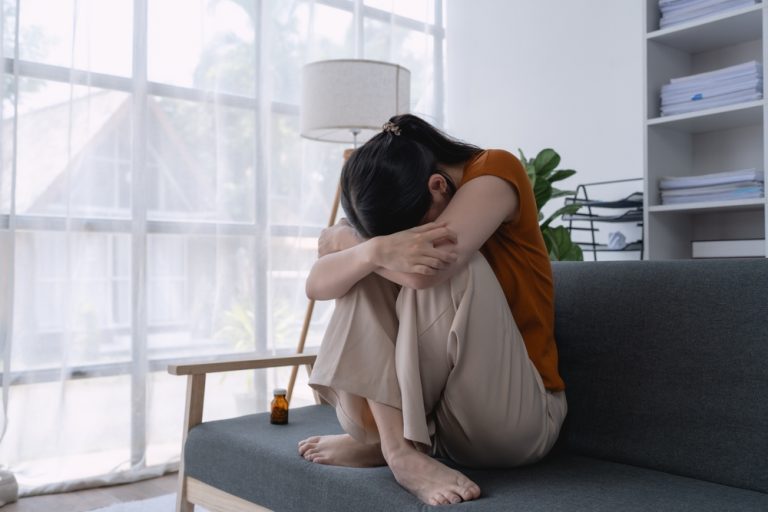
Cannabis-induced anxiety can involve a mix of physical, psychological, cognitive and behavioural symptoms. Accurate documentation of patient symptoms, such as anxiety, panic attacks, paranoia, and other psychotropic effects, is important for diagnosis and research on cannabis-induced anxiety.
Physical symptoms
rapid heart rate
chest tightness or discomfort
shortness of breath or feeling unable to get enough air
sweating, flushing or chills
shaking or trembling
dizziness or nausea
Psychological symptoms
intense fear or dread
panic attacks
paranoid or suspicious thoughts
feelings of unreality or detachment
fear of dying, “going mad” or losing control
Cognitive symptoms
racing or intrusive thoughts
difficulty concentrating
confusion or feeling “foggy”
short-term memory problems during the episode
Behavioural responses
pacing, restlessness or agitation
seeking reassurance or medical help
avoiding places or situations linked with past episodes
People new to cannabis often report more dramatic symptoms because they have little tolerance and are unfamiliar with the sensations.
Experienced users are not immune and may develop anxiety when doses, products or circumstances change.
Harm Reduction and Practical Strategies
People make different choices about cannabis. For those who continue to use, harm reduction can lower the chance and impact of anxiety. Smoking weed can sometimes lead to anxiety and dependency issues, so it is important to monitor your drug use history and be aware of any patterns that may contribute to mental health concerns.
Useful strategies include:
-
Starting low and going slowly Use small amounts, especially with edibles, and wait long enough to feel the effect before taking more.
-
Choosing lower-THC products Avoid ultra-high-THC products and concentrates, especially if you have ever experienced anxiety on cannabis.
-
Paying attention to THC/CBD balance Some people prone to anxiety prefer products with more CBD relative to THC, although this is not a guarantee of safety.
-
Thinking about timing and setting Avoid cannabis when you are already stressed, sleep deprived, unwell or in an unsettled environment.
-
Avoiding combinations with other substances Mixing cannabis with alcohol or other drugs can make anxiety harder to predict and manage.
-
Using grounding techniques If anxiety starts, slow breathing, focusing on immediate surroundings, and reminding yourself that the effects are temporary can help some people ride out the episode.
-
Considering different approaches to treating anxiety Cannabis and other therapies are sometimes used for treating anxiety, but it is important to carefully weigh the risks and benefits, and consult with a healthcare professional.
If anxiety is frequent or severe, the safest harm-reduction approach is to reduce or stop cannabis use and seek support with that process.
When to Seek Professional Support
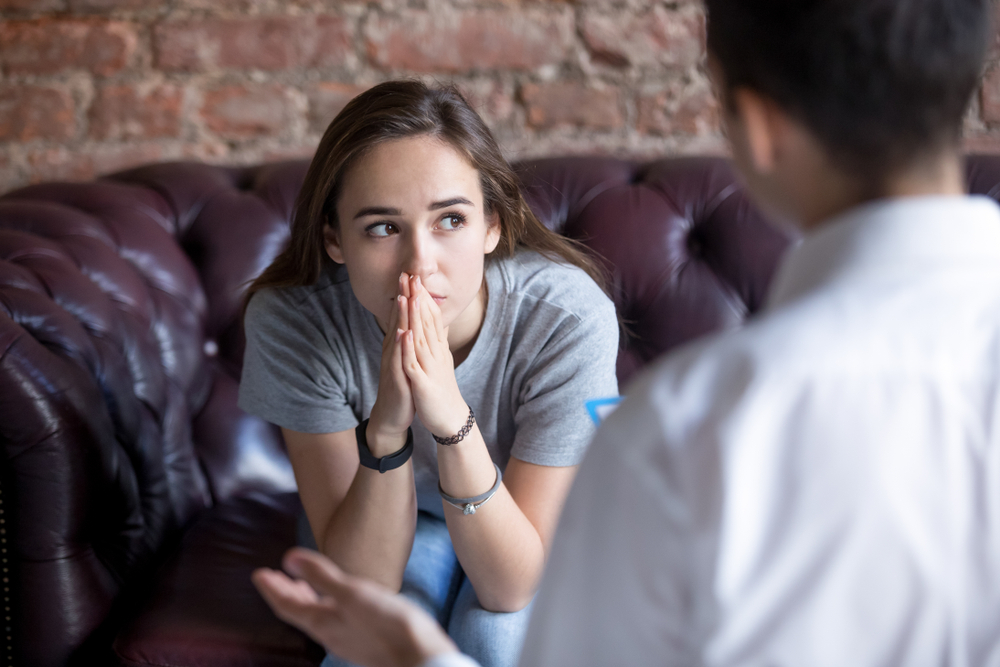
It is reasonable to seek help if:
-
anxiety or panic occurs regularly when you use cannabis
-
anxiety continues well beyond the usual intoxication period
-
anxiety affects work, study, relationships or daily functioning
-
you feel unable to cut down or stop, even though cannabis is making you anxious
-
you are unsure whether your symptoms are substance-related or due to an underlying condition
A health professional can:
-
help you work out what role cannabis is playing
-
screen for underlying anxiety or other mental health problems
-
advise on safer use or support you to reduce/stop
-
suggest psychological therapies or other treatments where appropriate
-
arrange an outpatient visit to assess and manage cannabis-induced anxiety
Emergency help is needed if you:
-
have chest pain, severe shortness of breath or other worrying physical symptoms
-
have thoughts of harming yourself or others
-
feel completely overwhelmed and unable to keep yourself safe
Even if symptoms turn out to be due to anxiety rather than a physical problem, it is always appropriate to seek urgent assessment if you are concerned. Professional cannabis addiction treatment can also help with those suffereing from longer term issues
Balancing the Evidence
The link between cannabis and anxiety is not simple. Growing evidence from systematic review, observational studies, and cohort study designs demonstrates a positive association between cannabis use and anxiety. Research shows:
-
a clear pattern of acute anxiety and panic in some users
-
higher rates of anxiety symptoms among frequent users in many samples
-
stronger associations when cannabis use begins early or is heavy and long-term
-
large individual differences driven by biology, mental health, product type and environment
Descriptive statistics and careful study population selection are important in interpreting research findings, as they help clarify the characteristics and comparability of each study conducted.
At the same time:
-
many people use cannabis without experiencing anxiety
-
some report anxiety relief, particularly with certain products
-
confounding factors and changes in cannabis potency make it difficult to draw firm conclusions about long-term causality in all cases
Because of this, most experts recommend a cautious, personalised approach. People with known anxiety problems, strong family histories, early trauma or difficult life circumstances may wish to avoid cannabis altogether or use it only in very limited ways, if at all.
A critical review of the evidence is necessary, as each study conducted may use different methodologies and study populations, which can affect the interpretation of results.
Frequently Asked Questions
Can cannabis trigger panic attacks?
Yes. In some people cannabis can trigger sudden, intense panic with strong physical symptoms and a fear of losing control or dying. This is more likely with high-THC products, higher doses, edibles, synthetic cannabinoids and stressful environments.
Why do some people get anxious while high?
Differences in brain chemistry, genetics, mental health, previous experience and the type of cannabis used all play a part. THC affects brain circuits involved in fear and threat detection, and some people are more sensitive to these effects than others, especially if they already live with anxiety.
How long can cannabis-induced anxiety last?
Most acute episodes follow the time course of intoxication. With smoked or vaped cannabis, symptoms usually ease over a few hours. With edibles, anxiety can last longer because the drug stays in the system for more time. If anxiety persists for days or weeks, it may be due to withdrawal or an underlying anxiety disorder rather than the immediate drug effect.
Does CBD reduce THC-related anxiety?
CBD may reduce anxiety in some situations and may moderate some of THC’s effects, but this is not guaranteed. Responses vary, and products differ widely in their CBD and THC content. People who are anxious on cannabis should not assume that CBD alone will prevent anxiety.
Are edibles more likely to cause anxiety?
Edibles are often linked with anxiety episodes because their effects are delayed, stronger than expected for some people and longer lasting. This makes overconsumption easier and can leave people feeling unable to escape a difficult experience until the drug has worn off.
Can anxiety persist after cannabis wears off?
It can. Some people develop ongoing worry about having another episode or notice that their underlying anxiety has become more apparent. In regular users, stopping or cutting down can also bring a temporary increase in anxiety as the brain adjusts. If anxiety continues or interferes with daily life, professional assessment is recommended.
Are some people more prone to cannabis-induced anxiety?
Yes. Higher risk is seen in people who start young, use high-THC products regularly, have existing anxiety or other mental health conditions, have a family history of these problems, or are under significant stress or dealing with trauma.
Can stopping cannabis temporarily worsen anxiety?
For regular users, stopping can lead to short-term withdrawal symptoms including anxiety, irritability and sleep problems. These usually peak within the first week then gradually improve. Support from a clinician or service experienced in substance use can make this easier to manage.
Author
-
 View all posts
Dr Otulana is PCP’s longest-serving doctor. He is an experienced Physician with Specialist Interest in Substance Misuse Management and he has a wide range of experience in the assessment and management (including detoxification) of clients with various drug and substance addiction problems. Dr Otulana started practising as a doctor in 2000 and with over 10 years as an Addiction Physician. He is an Advanced Addiction Practitioner Member of Addiction Professionals and also holds the Certificate in Clinical Psychopharmacology (Part 1) of the British Association for Psychopharmacology. He is additionally a strong healthcare services professional with a Master of Business Administration (M.B.A.) degree from Cambridge University Judge Business School.