PCP – The Perry Clayman Project
PCP | Drug & Alcohol Detox & Rehab
Alcohol addiction is so widespread that sometimes people don’t see it as an addiction anymore and consider it quite normal.
Especially during these difficult times of uncertainty, many people are drinking more than they used to in an attempt to relieve stress. This is wrong and can lead to alcohol addiction over a quick period. Increased drinking can also result in intense alcohol cravings, which are a key challenge in overcoming addiction.
Long-term alcohol use can cause serious health complications, affecting virtually every organ in your body, including your brain. Almost all risks involved with alcohol addiction may be avoidable or treatable, with successful long-term recovery. The important thing is to recognize the symptoms, admit the addiction and accept the treatment.
People who experience the following are also more likely to deal with their problems with alcohol:
– depression
– loneliness
– emotional stress
– boredom
Alcohol can be a highly addictive substance, especially when consumed in large amounts within a short time. Alcohol withdrawal can pose significant risks and symptoms, making medical supervision crucial during this process.
Alcohol addiction develops in several stages. The process of addiction may begin with the first drink, with physical and mental factors that can escalate quickly.
Are you out there struggling with alcohol addiction? You’re not the only one – this is why we, at Rehab Today by PCP Centres, are here to help!
Alcohol affects everyone in different ways. Yet, alcohol abuse will certainly lead to alcohol addiction most of the time.
Recognizing and reflecting on your drinking habits is crucial in preventing the progression to addiction. Understanding one’s drinking habits can help identify patterns that may lead to alcohol abuse and allow for changes or reductions in alcohol intake for a healthier lifestyle.
Once you are an alcohol addict, almost every aspect of your life feels adverse impacts. An alcoholic undergoes all kinds of suffering from mental, emotional, and eventually physical. It’s at this point where almost all the victims want to know ways of quitting alcohol.
There are many factors that can increase the risk of alcohol abuse. People may turn to alcohol for one reason and then gradually develop a dependency on drinking.
Alcohol tends to impair your judgement, therefore one is more likely to do “something stupid” under the influence of alcohol.
If someone close to you is showing any of the following symptoms, he or she might be dealing with alcohol abuse:
A lack of interest in previously normal, daily activities. Some of these can be even those which the subject enjoyed the most in the past.
Appearing intoxicated with alcohol regularly
Showing the need to drink more alcohol to achieve the same effects.
Appearing tired, unwell, or irritable
An inability to say NO to alcohol
Anxiety, depression, or other mental health problems
Becoming secretive or dishonest
Slow reaction time
Poor reflexes
Reduce brain activity
Lowered inhibitions
Blurry vision
Difficulty breathing
Restlessness
There are different forms of treatment available based on the frequency and severity of alcohol abuse. Getting professional help is the first real step to overcoming your alcohol addiction.
Joining recovery support groups like Alcoholics Anonymous (AA) can be crucial in fostering a sober social network. These support groups provide a community of shared experiences and essential encouragement during the recovery process.
Talk with your doctor about the best treatment options to choose the right form of recovery for you. Rehab Today by PCP has a very compassionate and personalised treatment approach to alcohol rehab; rehabilitating each of our clients individually and as a whole.
There are many different ways that people have conquered their addiction to alcohol. Some work, some don’t, and for most, it merely boils down to preference.
These types of therapy, however, are evidence-based and have been proven time and again to be the most effective:
Cognitive Behavioral Therapy
Motivational Interviewing
Rational Emotive Behavioral Therapy
Family Therapy
Psychodrama Therapy
The ultimate goal of these treatments is to help individuals achieve a healthy, alcohol-free life. With the right support and treatment, you can overcome alcohol cravings and work towards a sustainable recovery.
If you are concerned that you or someone you care about has a problem with alcohol there is a lot of help available. Setting specific goals like alcohol-free days each week can help manage consumption and encourage healthier drinking patterns.
Don’t let easy access lead you or your loved ones to the depths of despair. Instead, call us today to find out more about treatments, facilities, and groups near you.
When you walk into one of our treatment centres and meet our team, you will immediately feel a sense of warmth, hope, positivity, and a caring family atmosphere.
We treat your alcohol addiction using both medical and psychological therapies. Whatever your problem is with alcohol, whether it is binge drinking, alcohol abuse, addiction, or dependence, Rehab Today by PCP can help.
Trying to fight alcohol abuse on your own could be hard. Stop drinking suddenly can lead to severe withdrawal symptoms, so it is crucial to seek professional help to avoid these risks. It doesn’t mean that that’s the end of life for you. You can opt for professional assistance to fight this evil.
Most rehab programs have a provision for both outpatient and inpatient programs, settle for the one that best suits you and start the process. Sometimes, after a little chat with the professional, he/she may recommend a special program for you.
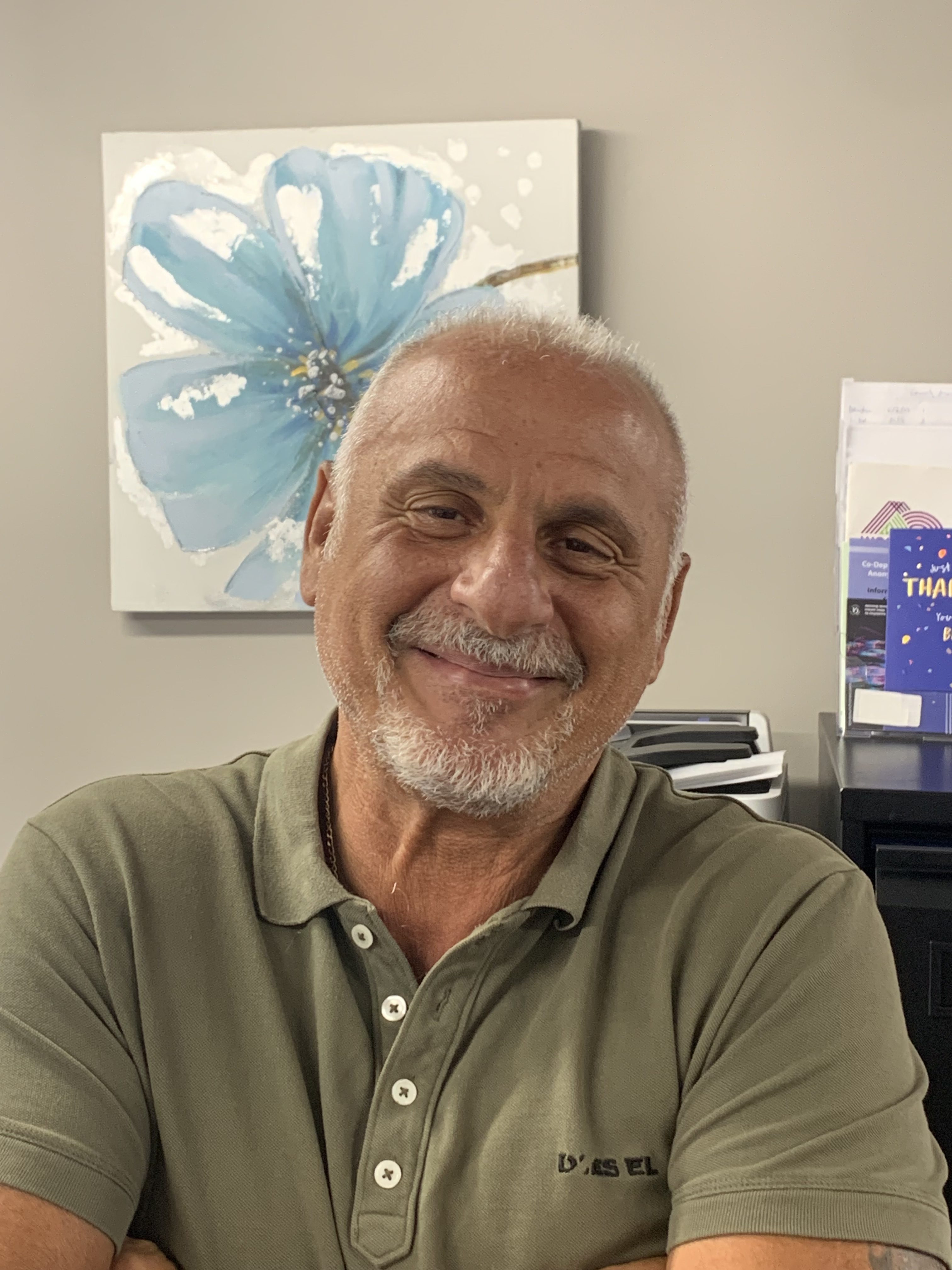
Andy's journey in psychology and substance recovery is marked by significant educational and professional achievements. He studied Person Centered Counseling, gained insights from psychological literature, and completed an online course on the mind. His hands-on experience includes volunteering at a Drug and Alcohol Clinic and earning a diploma in child adverse experiences. Andy holds a first-class honors degree in Psychology with Substance Use and Misuse. Professionally, he has contributed as a Lived Experience Coordinator and counselor, offering hope and empowerment to those in recovery.
Qualifications and Experience:
Introductory Course in Person Centered Counseling
Extensive study of psychological literature (including Carl Rogers and Freud)
Online course completion on the Mind from UCT
OCN peer mentoring course
Level 3 diploma in child adverse experiences
First-class honors degree in Psychology with Substance Use and Misuse
Experienced Lived Experience Coordinator for Probation Dependency and Recovery service
| Cookie | Duration | Description |
|---|---|---|
| cookielawinfo-checkbox-analytics | 11 months | This cookie is set by GDPR Cookie Consent plugin. The cookie is used to store the user consent for the cookies in the category "Analytics". |
| cookielawinfo-checkbox-functional | 11 months | The cookie is set by GDPR cookie consent to record the user consent for the cookies in the category "Functional". |
| cookielawinfo-checkbox-necessary | 11 months | This cookie is set by GDPR Cookie Consent plugin. The cookies is used to store the user consent for the cookies in the category "Necessary". |
| cookielawinfo-checkbox-others | 11 months | This cookie is set by GDPR Cookie Consent plugin. The cookie is used to store the user consent for the cookies in the category "Other. |
| cookielawinfo-checkbox-performance | 11 months | This cookie is set by GDPR Cookie Consent plugin. The cookie is used to store the user consent for the cookies in the category "Performance". |
| viewed_cookie_policy | 11 months | The cookie is set by the GDPR Cookie Consent plugin and is used to store whether or not user has consented to the use of cookies. It does not store any personal data. |