

Cocaine is a potent stimulant that works by flooding your brain with dopamine, noradrenaline, and other chemicals that create feelings of euphoria, increased energy, and confidence. The drug blocks the brain’s natural recycling system for dopamine, causing levels to build up rapidly in the brain’s pleasure center.
The cocaine high is short-lived, typically lasting 5 to 30 minutes when snorting powder cocaine, or as little as 5 to 10 minutes when smoking crack cocaine. As the drug starts to leave your system, usually within 1 to 3 hours of your last dose, the artificial dopamine boost disappears.
Here’s what happens in simple terms: cocaine temporarily exhausts your brain’s dopamine stores and leaves your reward pathways depleted. Think of it as a “dopamine crash”, a sudden drop from “too much” stimulation to “too little.” This swing from excess to deficit creates the emotional and physical whiplash that characterises a cocaine comedown.
A comedown can happen after one-off or occasional cocaine use, not only in people with cocaine addiction. Many cocaine users try to avoid the crash by taking more cocaine during a session, but this typically makes the eventual comedown worse once the drug finally leaves their system.
Learn more about cocaine rehab and what to expect from the recovery process here.
Cocaine Comedown Symptoms
Comedown symptoms usually start 1 to 3 hours after your last dose, essentially as soon as the effects fade. Symptoms tend to peak within the first 3 to 12 hours and can affect your mood, sleep, thinking, and body simultaneously.
The intensity varies from person to person. Binge patterns (repeated lines over several hours, or combining powder and crack cocaine), mixing with alcohol or other drugs, poor sleep, and dehydration can all make symptoms stronger and longer-lasting.
While cocaine comedown symptoms are usually temporary, they can feel intense and frightening—especially if you have existing anxiety or depression.
Psychological and Emotional Symptoms
For many people, the psychological symptoms are the hardest part of a cocaine comedown. These emotional symptoms are directly linked to the dopamine crash and sleep deprivation.
Common psychological symptoms include:
Low mood and depression: Sudden sadness, emptiness, tearfulness, feeling “flat,” or losing interest in activities you normally enjoy
Anxiety: Restlessness, racing thoughts, chest tightness, a sense of impending doom without any clear reason
Irritability and anger: Snapping at others, feeling unreasonably annoyed, low tolerance for noise or conversation
Paranoia: Fears that others are talking about you, watching you, or judging you—even when you’re safe at home the next day (studies suggest up to 84% of cocaine users experience some paranoia)
Intrusive thoughts: Some people report fleeting thoughts of self-harm or suicide during a comedown, especially after heavy use or all-night sessions
These feelings are linked to the brain chemistry rebound and lack of sleep, but they still need to be taken seriously if they’re intense or persistent.
Cognitive Symptoms (Thinking and Concentration)
The “brain fog” many people describe during a comedown affects thinking and concentration:
Mental sluggishness—thinking feels slow, planning the day seems impossible
Concentration problems—struggling to follow conversations, read, or focus on work
Indecisiveness—difficulty making even small choices like what to eat
Feeling detached or “spaced out,” as if observing life rather than fully present
Memory lapses for simple routines or tasks
This usually improves as sleep and nutrition recover and the brain gradually restores its chemical balance.
Physical Symptoms
The body can feel as if it’s been “over-revved” and is now running on empty. Common physical symptoms include:
Extreme fatigue: Heavy limbs, lack of energy, wanting to lie down but unable to fully relax
Sleep problems: Difficulty falling asleep despite tiredness, frequent waking, vivid or disturbing dreams
Aches and pains: Jaw pain from clenching (“coke jaw”), neck and shoulder tension, backache, general muscle soreness
Headaches: Often tension-type, sometimes with dry mouth and dehydration
Nasal symptoms (from snorting): Blocked or runny nose, sneezing, nosebleeds, burning or irritation inside nostrils
Increased appetite: Intense hunger and cravings for high-carb or sugary foods once appetite suppression reverses
Heart sensations: Palpitations, fast heart rate, or heightened awareness of heartbeat
Severe chest pain or shortness of breath is an emergency—see the “When to Seek Urgent Help” section below.
Behavioural and Social Signs
Behaviour often changes noticeably on the day after cocaine use:
Withdrawing from others—cancelling plans, not answering calls or messages, hiding away due to shame or anxiety
Difficulty going to work, college, or caring for family because of exhaustion
Craving more cocaine or other substances to “take the edge off”
Using alcohol, benzodiazepines, or cannabis to try to sleep or calm down—which can be risky and lead to further dependence
Cocaine Comedown vs. Cocaine Withdrawal
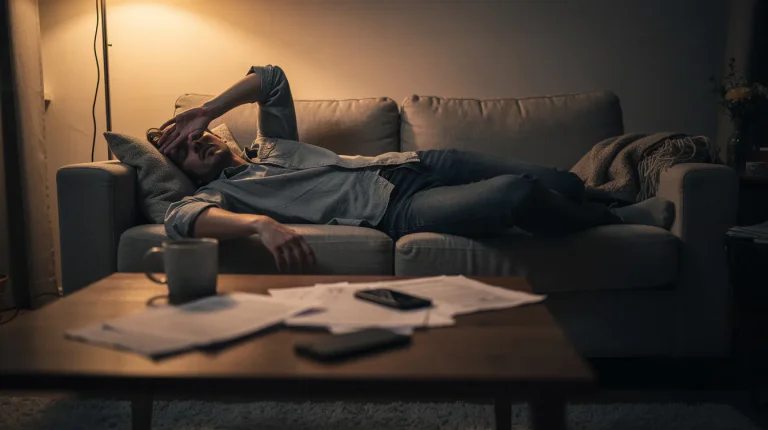
Understanding the difference between a cocaine comedown and cocaine withdrawal helps you gauge what you’re experiencing.
Cocaine comedown is a short-term reaction after a single night or episode of drug use. It starts within hours and usually resolves within 24 to 48 hours in most healthy adults.
Cocaine withdrawal is a longer-lasting set of withdrawal symptoms that occurs in people who use cocaine regularly or heavily and then reduce or stop. It may last days to weeks and includes persistent low mood, cravings, disturbed sleep patterns, and difficulty feeling pleasure—even when not immediately after a session.
The first 24 to 72 hours after stopping heavy daily use can include an “acute crash” with very strong fatigue, depression, and irritability. Repeated binges followed by severe comedowns can be an early sign of progression toward a cocaine use disorder.
If your comedowns seem to blur together—with almost constant craving and mood problems between uses—this may actually be withdrawal and a reason to speak to a GP, local drug service, or consider private drug detox and rehabilitation.
How Long Does a Cocaine Comedown Last?
The cocaine high fades quickly—within minutes to half an hour depending on how you took it. The comedown starts as soon as these effects fade.
For occasional users with small to moderate amounts, most comedown effects ease within 24 to 48 hours. After heavy binge use (multiple grams over one night or a weekend), people may feel “off” or experience low mood and depleted energy levels for 2 to 3 days, sometimes longer.
Sleep disruption and low mood can linger for up to a week if there was almost no sleep during the binge. Underlying mental health conditions—such as depression, bipolar disorder, PTSD, or anxiety disorders—can prolong or intensify the comedown experience.
If symptoms are gradually improving over several days, this usually indicates a standard comedown rather than a medical emergency. However, support can still be helpful if you’re struggling.
Cocaine Comedown Timeline
- 0 to 30 minutes, offset: mood drop, strong urge to redose, raised heart rate and blood pressure, jaw tension. Highest cardiac risk window, and redosing here is what drives binge cycles.
- 30 minutes to 4 hours, acute crash: anxiety, irritability, paranoia, headache, exhaustion alongside insomnia. The worst stage, and alcohol lengthens it through cocaethylene.
- 4 to 12 hours, early recovery: fatigue, fragmented sleep, vivid dreams, flat mood. Vitals settle, though heavy binges may tip into washout syndrome instead.
- 12 to 24 hours, morning after: hunger returns, dehydration, headache, guilt, brain fog. Rehydrate with electrolytes and eat regardless of appetite.
- 24 to 96 hours after a binge, cocaine washout syndrome: hypersomnolence, weakness, marked hunger and thirst, no focal deficits. Needs medical exclusion of head injury, stroke, infection and metabolic causes.
- Day 2 to 3, peak low mood: anhedonia, depressive symptoms, disturbed sleep, renewed cravings. Mood usually bottoms out here, so watch for suicidal thoughts.
- Day 4 to 7, stabilising: energy and sleep improve, cravings come and go. Occasional users are typically near baseline by day five.
- Week 2 to 4 and beyond, protracted recovery: cue-triggered cravings, mood instability, low motivation. More pronounced after dependent use.
Cocaine Washout Syndrome (CWS)
CWS follows prolonged, high-dose binge use and presents as the opposite of the usual restless crash: profound exhaustion and hypersomnolence, sometimes 12 to 24 hours of sleep with only brief arousals. The person is difficult to rouse but orientated when awake, with marked weakness, slowed speech, strong hunger and thirst, no fever and no focal neurological deficits. It usually resolves over 24 to 96 hours with rest, fluids and food.
Clinically, CWS is a diagnosis of exclusion. It mimics head injury, intracranial haemorrhage, stroke, meningitis, sepsis, hypoglycaemia, electrolyte disturbance and sedative overdose. Anyone in this state needs assessment rather than being left to sleep it off, particularly after a fall, an unwitnessed collapse, or where unknown substances were involved.
Safe Ways to Cope With a Cocaine Comedown
There’s no instant cure for a cocaine comedown, but practical steps can make the experience safer and more tolerable. This section focuses on harm-reduction strategies you can use at home—not on taking more cocaine or other drugs to “fix” the crash.
Important: If you have severe chest pain, breathing problems, seizures, or intense suicidal thoughts, skip self-management and seek emergency help immediately.
Physical Self-Care: Hydration, Rest, and Food
Focus on helping your body recover:
Stay hydrated: Drink plenty of water throughout the day in small, frequent sips. If nausea is present, try oral rehydration solutions or sports drinks with electrolytes
Avoid caffeine and energy drinks: These can worsen anxiety, palpitations, and poor sleep
Eat healthy food: Choose complex carbohydrates (wholegrain toast, oats, pasta), protein (eggs, beans, chicken), and fruit or vegetables to stabilise blood sugar and mood
Rest in a quiet, dim environment: Even lying down with eyes closed helps if actual sleep is difficult
Try light physical activity: Once you feel able, gentle exercise like stretching or a short walk outside can ease muscle tension and support natural sleep later
Use OTC pain relief if needed: Paracetamol or ibuprofen can help with headaches and aches and pains—follow packet instructions and avoid if you have contraindications
Coping With Anxiety, Depression, and Paranoia
Feeling emotionally fragile after cocaine is common—it’s not a personal weakness. Try these approaches:
Grounding techniques: Slow breathing (inhale for 4 seconds, exhale for 6), or the 5-4-3-2-1 exercise (name 5 things you can see, 4 you can touch, 3 you can hear, 2 you can smell, 1 you can taste)
Reach out to someone: A short call or text with a trusted, non-judgemental friend can reduce feelings of isolation
Postpone big decisions: Avoid serious relationship talks, work confrontations, or major choices during a strong comedown
Choose low-demand activities: Quiet TV, music, podcasts, or simple games that don’t require concentration
Remind yourself it’s temporary: If paranoid thoughts arise, say aloud that this is a known effect of cocaine leaves the system and usually fades within hours or days
Avoid drinking heavily or taking sedative hypnotics (such as diazepam) without medical guidance to manage anxiety—this can lead to alcohol dependence or risky drug interactions.
What to Avoid During a Comedown
Certain behaviours can make things worse or create new problems:
Don’t take more cocaine: Redosing prolongs the cycle, increases overdose risk, and deepens the eventual crash
Avoid mixing cocaine with alcohol: This forms cocaethylene in the liver, placing extra strain on the heart and increasing cardiovascular risk
Don’t drive or operate machinery: Impaired concentration and fatigue make this dangerous
Delay impulsive decisions: Online spending, gambling, or risky sexual behaviour can be more likely when mood is unstable
Don’t stop prescribed medications: If you’re on antidepressants or other medications, continue as prescribed
When to Seek Urgent Help (NHS and Emergency Pathways)

While most cocaine comedowns are self-limiting and rarely dangerous for healthy adults, some symptoms require urgent medical or mental health support.
Call 999 or go to A&E immediately for:
Severe chest pain or pressure
Sudden shortness of breath
Collapse or seizure
Signs of stroke (face drooping, arm weakness, speech difficulty—remember FAST)
Extremely high temperature with confusion or agitation
Strong or persistent thoughts of suicide or self-harm
Feeling unable to keep yourself safe
Severe hallucinations that don’t settle
Be honest with medical staff about recent cocaine use and any other substances taken. This helps them treat you safely.
For non-emergency but worrying symptoms, call NHS 111 in England, NHS 24 (111) in Scotland, or local out-of-hours services in Wales and Northern Ireland.
During working hours, your GP can provide follow-up if comedown-related anxiety, depression, or sleep problems continue beyond a few days.
Ongoing Support and Talking About Cocaine Use
Repeated severe comedowns are often a sign that drug use is starting to cause bigger problems. Honest self-reflection can help—notice if you’re needing cocaine to socialise, using alone, spending more than planned, or finding you can’t stop once you start, as these are common signs of ongoing cocaine use.
In the UK, free confidential support is available through local NHS drug and alcohol services. You can search “NHS drug and alcohol service near me” on the NHS website, or contact Talk to Frank (0300 123 6600) for information and signposting.
GPs can refer to community addiction teams, group therapy, talking therapies, and mental health support for anxiety, depression, or trauma that may sit behind substance abuse. Support groups like Cocaine Anonymous or SMART Recovery offer peer spaces to discuss cravings, comedown comedowns, and lifestyle change, while structured options such as PCP Luton’s alcohol and drug rehabilitation services provide more intensive support if needed.
PCP, as a CQC-registered UK provider of residential detox and rehab, sees many people whose first warning sign was increasingly harsh comedowns, especially among younger adults given the rise of cocaine as a go-to drug for the younger generation. Residential addiction treatment is one treatment option among many—not the only path to overcome addiction—and centres such as PCP Leicester’s inpatient and outpatient addiction treatment can be part of that journey. Seeking help through the NHS, community services, or private providers is a sign of taking your health seriously, not a sign of failure.
Cocaine Comedown FAQs
How long does a cocaine comedown usually last? Most people find the worst unpleasant symptoms ease within 24 to 48 hours. After heavy binges, low mood and fatigue can linger for a few days or up to a week.
Is a cocaine comedown dangerous? For most healthy adults, a comedown is uncomfortable rather than life threatening. However, seek emergency help for severe chest pain, breathing problems, suicidal thoughts, or hallucinations.
Can I take sleeping tablets or alcohol to get through a comedown? Self-medicating with non-prescribed sedatives or heavy alcohol is risky due to dependence and interaction dangers. Safer strategies include hydration, rest, nutritious food, and speaking to a healthcare professional if needed.
Why do I feel so depressed after cocaine? The “dopamine crash” explains this—cocaine artificially raises dopamine, then levels drop below normal. Combined with sleep deprivation, this creates rebound effects where mood swings to the exact opposite of the high.
Does everyone get a comedown from cocaine? Most cocaine users experience at least some drop in mood or energy. The intensity depends on dose, frequency, sleep, physical health, and mental health history. An MDMA comedown or alcohol comedowns work similarly, though the specific brain chemistry differs.
When should I be worried about my cocaine use? Warning signs include needing more to get the same effect (tolerance), using despite problems at work or home, planning life around cocaine, or feeling unable to cut down despite wanting to. These suggest emerging drug abuse patterns—consider speaking to a GP or local drug service.
Can stopping cocaine improve my mental health? Many long term users notice better sleep, more stable mood, and less anxiety after stopping. The central nervous system begins to rebalance. Some may need extra support during the first weeks, and effective treatment options, including affordable, high-quality detox and rehab services, exist to help people through this transition.
If you’re currently experiencing a comedown, remember: these feelings are temporary and will pass. Focus on rest, hydration, and getting through the next few hours. If you’re noticing a pattern of worsening comedowns or finding it harder to control your cocaine use, reaching out to your GP or a service like Talk to Frank is a positive step. You don’t have to figure this out alone.
Author
-
 View all posts
Andy's journey in psychology and substance recovery is marked by significant educational and professional achievements. He studied person-centred counselling, gained insights from psychological literature, and completed an online course on the mind. His hands-on experience includes volunteering at a drug and alcohol clinic and earning a diploma in child adverse experiences. Andy holds a first-class honours degree in Psychology with Substance Use and Misuse. Professionally, he has contributed as a Lived Experience Coordinator and counsellor, offering hope and empowerment to those in recovery.
Qualifications and Experience:
Introductory Course in Person Centred Counselling
Extensive study of psychological literature (including Carl Rogers and Freud)
Online course completion on the Mind from UCT
OCN peer mentoring course
Level 3 diploma in child adverse experiences
First-class honours degree in Psychology with Substance Use and Misuse
Experienced Lived Experience Coordinator for Probation, Dependency and Recovery service