The 12 steps of recovery, developed by Alcoholics Anonymous, is a path to recovery through acceptance, self-reflection and spiritual growth. In this article we will go through what are the 12 steps of recovery, breaking down each step and what they mean for you.
The 12-step program, founded by Bill Wilson and Bob Smith, is to help you overcome addictions through self-reflection, personal responsibility and community support.
Each of the 12-steps builds on the previous one, focusing on personal growth, accountability and spiritual connection and ends with sharing your recovery with others.
Research shows that 12-step programs have higher rates of abstinence and better long-term recovery outcomes when combined with formal treatment.
Bill Wilson and Bob Smith created the original 12-step program that is at the heart of Alcoholics Anonymous (AA) and its governing body, Alcoholics Anonymous World Services. This program is to help you overcome addictions by tapping into your spiritual core. It’s a sequential process of personal responsibility, self-reflection and community support. The timeframe to complete all 12-steps is 3-6 months. It’s up to you to put in the work.
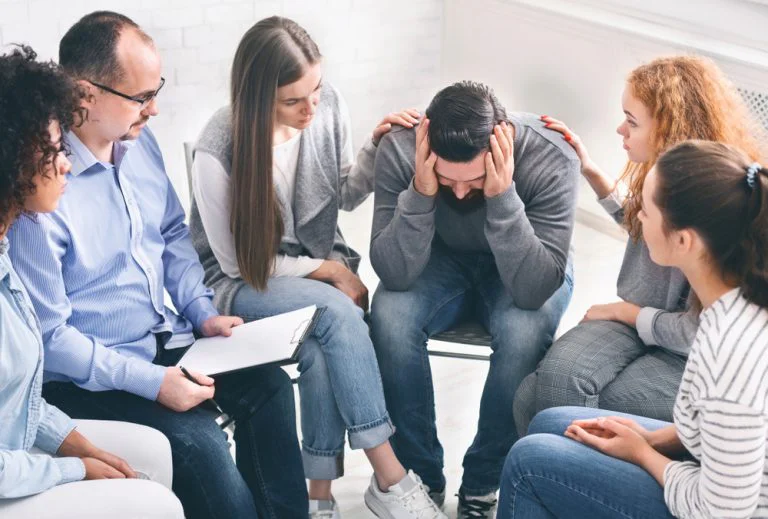
Group therapy is a big part of the 12-step program of AA because it’s peer to peer support based on shared experiences of addiction. This helps with feelings of community and accountability – two key components to long term sobriety.
As you go through each step ahead, remember your own journey – everyone moves at their own pace through these steps to recovery. We’ll dive deep into each step. We’ll also break down the philosophy behind each step.
The 12-step is a step-by-step guide to overcoming addiction; each step builds on the previous one and recovery is viewed as a lifelong journey, not a one-time event. Going through these steps will change your daily life by increasing self awareness and accountability, while encouraging ongoing self-examination and personal growth beyond initial recovery.
We’ll go through each step, starting with Step 1.
Step 1 is admitting powerlessness over addiction and accepting that their lives had become unmanageable. It’s a big deal for those struggling with addiction as it’s the first step to seeking help. Not an admission of defeat but a powerful declaration that sets the foundation for recovery.
By admitting they can’t control their addiction, they open themselves up to transformation. This allows them to move through the next steps and get help from a higher power and others in their support network. This is key in the recovery process, gives hope on the path to regaining control of their life and stability again.
In the second step of the 12-step program, Step 2 involves believing in a Higher Power for restoration, and that a power greater than ourselves could restore us to sanity. This step is crucial in building on our spiritual foundation and relies heavily on faith in this higher power or concept.
For those on this path, recognising an authority greater than themselves catalyses their spiritual growth and progress. It’s about surrendering to something beyond human capability that aligns with the program for personal transformation.
Meeting a deeper level of spirituality is about making conscious contact with whatever form they understand their higher power to be – this could be traditional religious figures or ideas about God, or secular philosophies of group energy or other non-deistic forces. This recognition is to inspire those involved to spiritual awakening through their own interpretation of what that might mean.
The third step is to turn our will and lives over to God as we understand Him. It’s about giving up control and relying on a higher power for direction and support which is key to recovery.
Letting go of our own reins is hard, but it’s a big part of the recovery process. This allows us to let go of self-management and put our faith in something greater than ourselves. This step helps us with personal growth and deepens our connection with our higher power and our support network.
Step 4 is making a moral inventory of oneself, using a searching and fearless moral inventory to look within and identify our own shortcomings and what we did wrong. It’s an exercise in deep self examination that forces us to face those parts of ourselves that have contributed to our addictive behaviours.
This moral reckoning is crucial to identify recurring patterns of behaviour and the underlying problems that need to be fixed. Members are encouraged to reflect on past behaviours and their effects on themselves and others. It’s a key part of personal growth and sets us up to make amends with others and have more constructive relationships going forward.
In the fifth step, we admit the exact nature of our wrongs to God, ourselves, and another person. This step is key to taking responsibility for our past behaviour and making a new beginning on the path to recovery.
Admitting errors is an act of humility and accountability and truth. When we share our shortcomings with a higher power and someone else it releases the shame and guilt around past actions. This key part of our healing process shows how fast admitting fault is to progress towards personal recovery.
In Step 6, we are ready to have God remove all these defects. It’s about fully surrendering to change and being open to transformation. The step is about identifying the habits and characteristics that block our recovery and committing to letting go of them. Once we’ve identified these defects, we need to see how they contribute to our unhealthy behaviours.
Letting go of our own defects is key to recovery and personal growth. This readiness prepares us for the next steps where we will actively work on changing our actions and our lives.
In the seventh step we humbly asked our Higher Power to remove our shortcomings. The emphasis is on being humble when asking for help to overcome our own defects. We need to really get low and ask for support for long term recovery and life.
This step continues the spiritual growth we’ve developed in the previous steps. By asking for help from a higher power we show we’re committed to transformation and we’re using spiritual principles as our guide on our path of recovery.
In the eighth step we take inventory by identifying everyone we’ve harmed and being ready to make amends with them. It’s an exercise in seeing how our behaviour affected others and setting us up to make direct amends in the next steps.
Making a list of those we’ve harmed is a big step towards mending relationships and rebuilding trust. It’s about being truthful and open to facing the consequences of our past behaviour.
In the ninth step we make direct amends to those we’ve harmed unless doing so would harm them or others. We try to face our past mistakes head on whenever possible to mend relationships that were damaged by our addictive behaviours.
Making amends is a big part of the recovery journey, it’s about accountability and personal growth. It’s an opportunity for us in recovery to own our past and show we’re committed to changing ourselves. When making amends, it is crucial to consider such people to ensure we do not cause further injury to others involved.
Step 10 is about ongoing self-assessment and the importance of a wrong promptly admitted. It’s about sustaining our spiritual growth, introspection, and making amends as soon as we slip up. This ongoing process of self-examination is key to being aware of our progress and areas to improve.
Doing a personal inventory daily allows us to monitor our actions and make adjustments to stay on track with our recovery. The daily nature of this practice is key to long-term recovery and ongoing spiritual growth.
Step 11 tells us to strengthen our spiritual connection through prayer and meditation to improve our conscious contact with God as we see Him, helping us understand His will for us and get the strength to do it. These practices are part of our ongoing spiritual growth.
By reflecting on ourselves and doing spiritual practices we can keep up with our spiritual progress and correct any short comings we find. Having a strong spiritual foundation is important for us as we work through our recovery challenges, to get ongoing personal growth with our spiritual growth.
Step 12 tells us to apply the principles of recovery to all of our lives and share them with others still suffering, and carrying the message while living these principles can help people regain agency and responsibility in their own recovery. By telling our own story of recovery, we create an environment that supports us in staying sober. This final step is about service and compassion for others who haven’t yet recovered.
Sharing our personal stories and helping others is the spark of hope and a roadmap for others on the recovery journey. Those who help others not only help others but also themselves in the process, creating a culture of empathy and collective resilience.
The 12 Traditions are the foundation for unity and personal recovery in Alcoholics Anonymous by supporting the 12-steps. In Tradition One, it says our group’s well-being comes first, and personal recovery depends on AA unity and shared principles. This principle means group solidarity must be preserved so we can support each other on our journey to sobriety.
The guidelines in these traditions deal with financial matters, political involvement, media and public relations while keeping our focus on the welfare of all our affairs over individual recoveries. They also cover important principles such as leadership, autonomy of groups and protecting member anonymity when dealing with outside entities.
One of these principles is Tradition Five, which says each group’s purpose is to carry the message to those who are still suffering from alcoholism and to have an ongoing outreach to others who are addicted.
Research has shown a strong link between regular attendance at 12-step programs and long-term sobriety after treatment, and studies show 12-Step participation improves abstinence rates. Long-term observations show that consistent attendance at these meetings is linked to better recovery outcomes, and the structured process of the 12-steps—focused on self–examination and responsibility—is key to that. Active participation also supports relapse prevention.
Social reinforcement in twelve-step programs can’t be overstated. It comes mainly from the sponsor system and regular meetings. A statistic shows that almost three-quarters of people who stay with these programs are sober for two years or more, helping many people maintain sobriety over time. Participants often work one-on-one with a sponsor who guides them through the steps.
Using formal treatment protocols alongside twelve-step programmes improves the chances of recovery. Research shows that those who step down from formal addiction treatment into Alcoholics Anonymous (AA) do better when both are used together, and 12-Step participation is also associated with improved psychosocial functioning. In other words, twelve-step programmes provide a structure to deal with addiction and long-term recovery supported by community systems that give us purpose throughout the healing process.
12-step programmes, when combined with other forms of treatment for substance abuse, can be very effective. According to SAMHSA, nearly 50% of treatment centres use 12-Step models. Attending 12-step meetings as part of a broader approach that includes formal treatment has been shown to have better outcomes and longer-term abstinence. Integrative approaches give us the 12-step structure and personalised therapy.
Incorporating evidence based practices into clients adoption of 12-step philosophies often leads to better addiction treatment outcomes. This can include different forms such as counselling sessions, psychological therapies or even residential rehab – all designed to support and reinforce the principles taught in 12-step programs. By having a comprehensive and individualised treatment plan clients are better equipped for long term sobriety.
Choosing the right treatment for each individual is key to recovery from substance use disorders through this approach. Using support groups like AA (Alcoholics Anonymous) or NA (Narcotics Anonymous) with structured clinical interventions creates a whole approach to recovery. This collaborative way provides a framework to deal with addiction and long term wellness beyond the initial treatment period. Some people prefer secular approaches to recovery, with specific therapies selected around personal beliefs and clinical needs rather than a 12-Step programme. SMART Recovery promotes individual empowerment instead of surrendering to a Higher Power. The Strengths model program is another alternative to 12-step therapy.
Recognising we need help is the first step of the 12-step programme. Starting this journey can be attending local meetings or connecting with support organisations like AA (Alcoholics Anonymous) or NA (Narcotics Anonymous). Many people begin with 90 meetings in 90 days for support. At your first meeting it’s good to just observe and if you feel comfortable share your story. Sharing does create a sense of community and support. The spiritual aspect of the programme can also be interpreted broadly, which may help if you feel unsure about getting started.
At our rehab centre, we integrate the 12-step program into inpatient rehab treatment plans, including for those struggling with addiction, and can talk you through suitable treatment options from the outset. Our approach ensures that each individual receives the support they need through structured group therapy and personalised care. Getting a sponsor is a key part of the recovery process as they guide us through each step and offer crucial support. To get a sponsor, announce your desire after a meeting or approach someone personally. Respecting their personal space and communication boundaries is important in this dynamic. Tenacity is key, as potential sponsors may have reasons for saying no. Never give up.
The 12-step programme for addiction recovery is a structured and supportive way that has helped many people overcome their substance use issues, and it is widely used in peer-led support group settings for mutual help. Each step builds on the previous one: Personal growth, responsibility and spiritual growth. The Twelve Traditions support this momentum by prioritising community and mutual support – both are essential to individual healing.
By combining the 12-steps with rehab treatment overall outcomes for overcoming substance use disorders can be better, for a more comprehensive approach to recovery. Whether you are just starting out or looking for support along the way to recovery following these principles can give you a solid foundation for long term abstinence and deep self growth. Come as you are and know you are not alone.
The 12-step program is to help people overcome their addictions and compulsive behaviours by using a structured way to build inner spiritual strength.
90 days to 180 days depending on your commitment and motivation.
Acknowledging our own powerlessness is important in the 12-step program because it allows us to accept powerlessness and then open up to help and support from a higher power and the community—both are essential for recovery.
Yes, combining other forms of treatment with 12-step programs has been shown to help recovery and long-term outcomes, and nearly 50% of treatment centers use 12-Step models as part of the wider programme offered alongside therapy and medical care. In residential rehab, programme availability and the therapies included are determined based on a clinical assessment, so the support provided can vary between facilities.
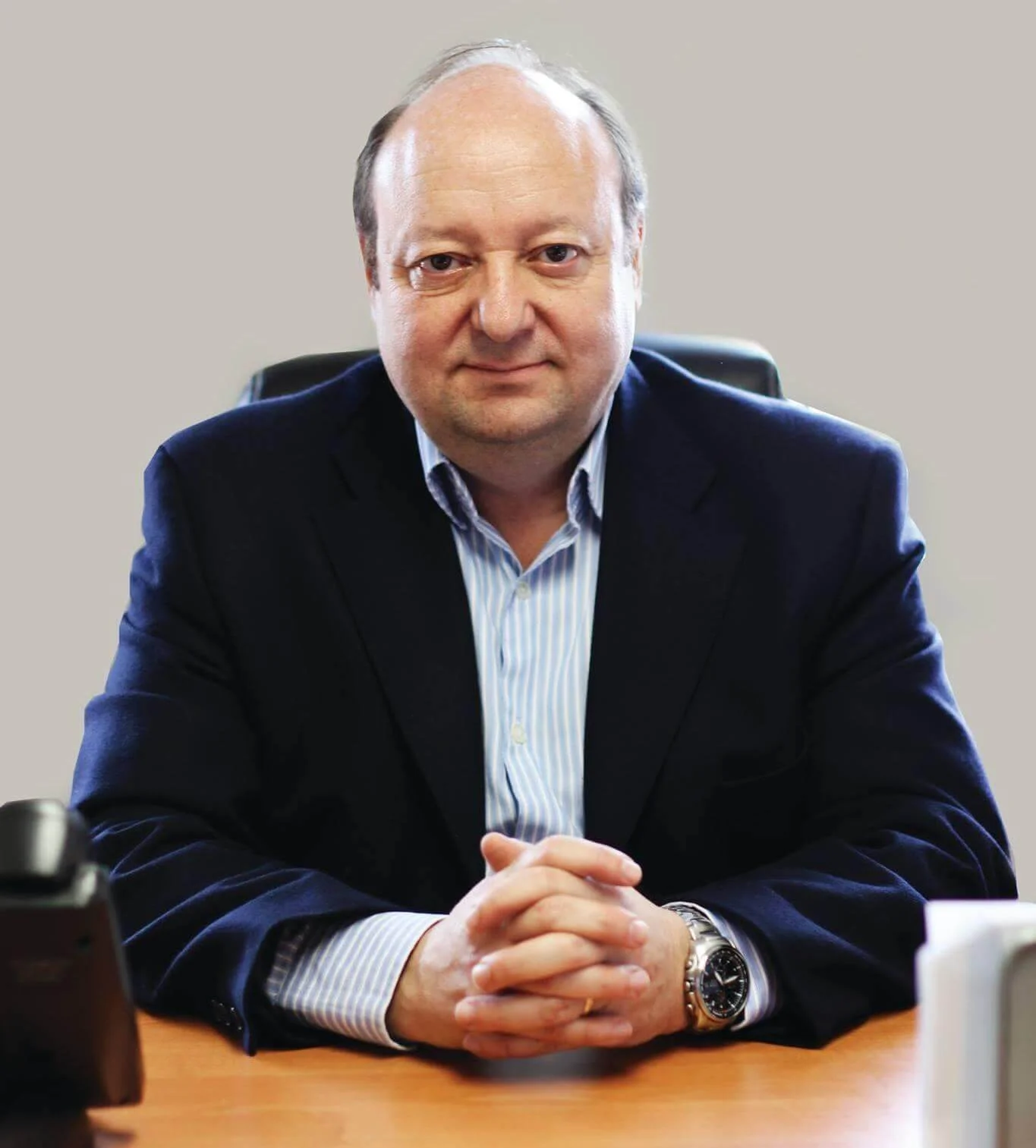
Perry is the founder of Rehab Today by PCP and opened the first treatment centre at Luton in 2004.
Perry’s background apart from his own personal struggle with addiction over 20 years ago is in the recruitment industry where he started his career and became Finance Director of a UK PLC and in the late 90’s was part of a new start up and became the leading recruitment consultancy in Intellectual Property across Europe.
Perry is passionate about recovery from addiction and liaises with family members to coordinate admissions, often sharing his own experience to help people when they first admit into treatment. Most certainly the driving force behind the success of Rehab Today by PCP which now boasts 60 primary and 68 move on beds in all locations. Perry is a keen fitness fanatic and Arsenal fan!
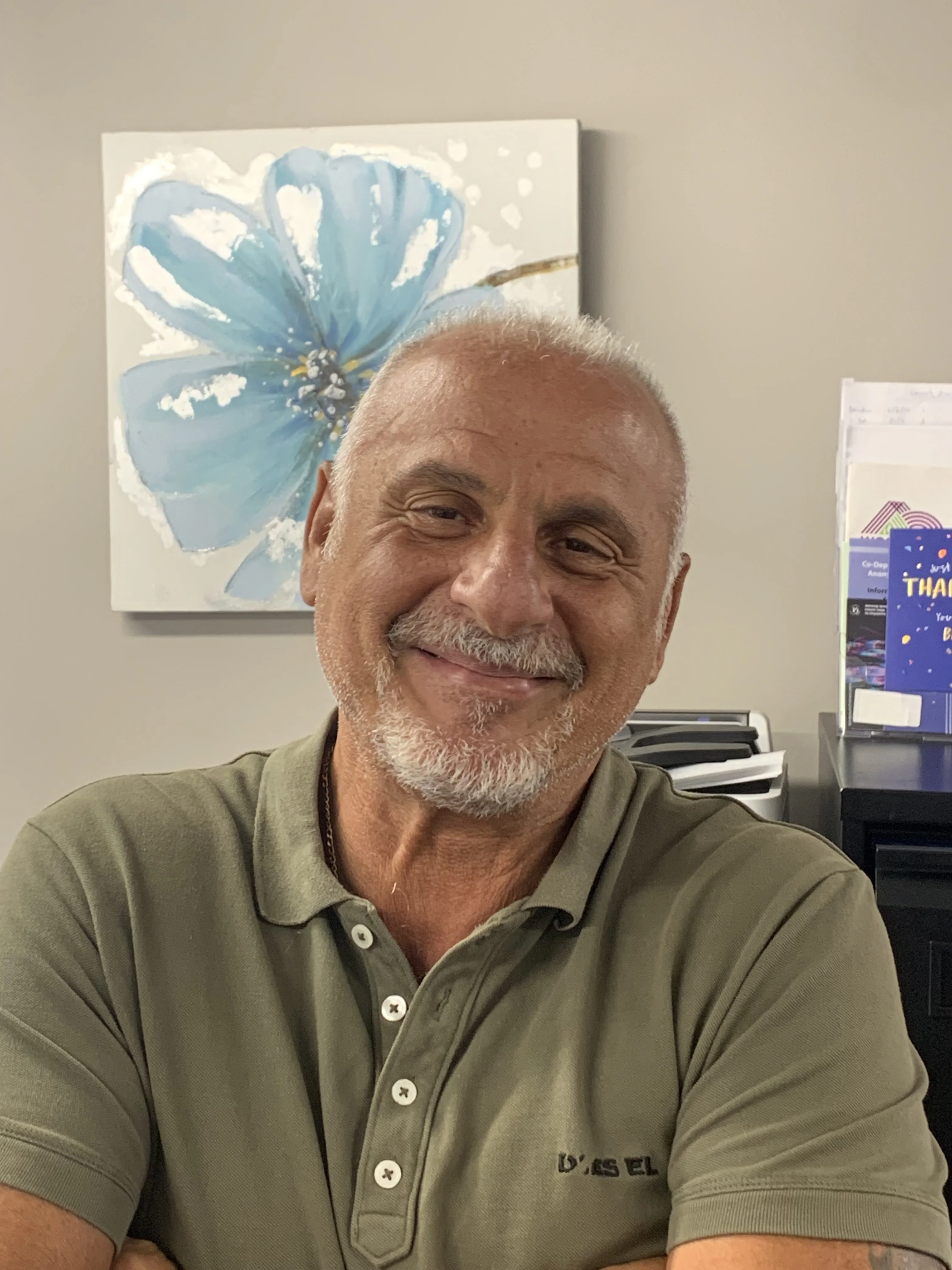
Andy's journey in psychology and substance recovery is marked by significant educational and professional achievements. He studied person-centred counselling, gained insights from psychological literature, and completed an online course on the mind. His hands-on experience includes volunteering at a drug and alcohol clinic and earning a diploma in child adverse experiences. Andy holds a first-class honours degree in Psychology with Substance Use and Misuse. Professionally, he has contributed as a Lived Experience Coordinator and counsellor, offering hope and empowerment to those in recovery.
Qualifications and Experience:
Introductory Course in Person Centred Counselling
Extensive study of psychological literature (including Carl Rogers and Freud)
Online course completion on the Mind from UCT
OCN peer mentoring course
Level 3 diploma in child adverse experiences
First-class honours degree in Psychology with Substance Use and Misuse
Experienced Lived Experience Coordinator for Probation, Dependency and Recovery service
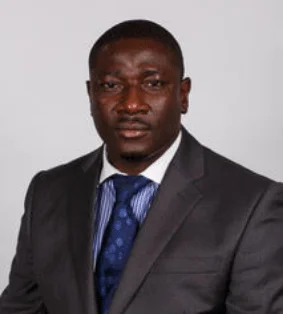
Dr Otulana is PCP’s longest-serving doctor. He is an experienced Physician with Specialist Interest in Substance Misuse Management and he has a wide range of experience in the assessment and management (including detoxification) of clients with various drug and substance addiction problems. Dr Otulana started practising as a doctor in 2000 and with over 10 years as an Addiction Physician. He is an Advanced Addiction Practitioner Member of Addiction Professionals and also holds the Certificate in Clinical Psychopharmacology (Part 1) of the British Association for Psychopharmacology. He is additionally a strong healthcare services professional with a Master of Business Administration (M.B.A.) degree from Cambridge University Judge Business School.
| Cookie | Duration | Description |
|---|---|---|
| cookielawinfo-checkbox-analytics | 11 months | This cookie is set by GDPR Cookie Consent plugin. The cookie is used to store the user consent for the cookies in the category "Analytics". |
| cookielawinfo-checkbox-functional | 11 months | The cookie is set by GDPR cookie consent to record the user consent for the cookies in the category "Functional". |
| cookielawinfo-checkbox-necessary | 11 months | This cookie is set by GDPR Cookie Consent plugin. The cookies is used to store the user consent for the cookies in the category "Necessary". |
| cookielawinfo-checkbox-others | 11 months | This cookie is set by GDPR Cookie Consent plugin. The cookie is used to store the user consent for the cookies in the category "Other. |
| cookielawinfo-checkbox-performance | 11 months | This cookie is set by GDPR Cookie Consent plugin. The cookie is used to store the user consent for the cookies in the category "Performance". |
| viewed_cookie_policy | 11 months | The cookie is set by the GDPR Cookie Consent plugin and is used to store whether or not user has consented to the use of cookies. It does not store any personal data. |