


Are there needle marks or unexplained bruises? Noticeable weight loss or mood changes? These could be silent screams of heroin addiction. This article aims to pinpoint the tell-tale heroin addiction signs and symptoms you need to know. It’s crafted to guide you through the physical, psychological, and behavioural red flags that should not be overlooked. Whether you’re concerned about a loved one or seeking knowledge for personal reasons, the information laid out here is your first step towards understanding and intervention.
Heroin addiction manifests through physical signs like needle marks, weight loss, and appearance changes; psychological symptoms such as mood swings, anxiety, and depression; and behavioural shifts including social withdrawal and financial troubles.
Long-term heroin use carries dire health risks, including the potential for overdose, infectious diseases, and significant organ damage, necessitating immediate medical intervention and substance use treatment.
Comprehensive addiction treatment generally combines medication-assisted treatments, various forms of therapy, and support groups, and must address co-occurring mental health disorders for effective recovery.
The hallmarks of intravenous heroin use, needle marks, track marks, and bruising, often show up on the arms, legs, or other hidden areas. Track marks can appear as small puncture wounds, bruises, or scars, often with discoloration or scabs.
Immediate intervention is warranted upon noticing these marks.
The hallmarks of intravenous heroin use, needle marks and bruising, often show up on the arms, legs, or other hidden areas. They manifest as small puncture wounds or scars, frequently accompanied by bruising, scarring, discoloration, or scabs.
Immediate intervention is warranted upon noticing these marks.
Heroin abuse wreaks havoc on physical health. It can cause:
Slowed metabolism
Gastrointestinal distress
Suppressed appetite, leading to weight loss and malnutrition
Severe deficiencies, ranging from copper to B-complex vitamins
The neglect of personal nutrition due to physical or psychological dependence, and addiction can have serious consequences.
A heroin addict’s change in appearance is often stark and alarming, affecting nearly every part of a person’s life. The neglect of personal hygiene, coupled with a drastic decline in weight, paints a vivid picture of a life overtaken by drug dependency. As the addiction begins to consume the individual, priorities shift. The focus turns towards maintaining the drug dependency, with self-care and personal grooming falling by the wayside. Poor personal hygiene is a common sign of chronic heroin use, often evidenced by infrequent bathing, poor oral health, and a general disinterest in one’s appearance.
The weight loss, a common symptom of heroin addiction, can be severe and rapid. This is often due to the drug’s impact on the body’s metabolism and the addict’s diminished interest in food and nutrition. The individual’s physical health deteriorates, the skin may become sallow and unhealthy-looking, and there might be a noticeable loss of muscle tone and strength.
In essence, the addiction begins to consume the individual, leaving little room for self-care, leading to a downward spiral of drug abuse and physical deterioration. The person you once knew seems to fade away, replaced by someone who is almost unrecognizable – a clear and heartbreaking sign of the devastating impact of heroin addiction.
The psychological impact of heroin addiction is profound and far-reaching. The mind becomes a battlefield, ridden with mood swings, anxiety, and depression. These symptoms can worsen over time, complicating daily functioning and demanding urgent intervention.
The mood of a heroin user can be as unpredictable as a roller coaster ride. Periods of intense euphoria give way to irritability and agitation, driven by the drug’s impact on the brain and nervous system, particularly the opioid receptors. These mood swings can be a tell-tale sign of heroin addiction, often observed during both early and late stages.
Anxiety and heroin addiction are often entwined in a destructive dance. The addiction can lead to severe anxiety, especially during withdrawal. Moreover, an estimated two-thirds of heroin users suffer from severe levels of anxiety, turning the cycle of addiction into a vicious circle.
Depression often accompanies heroin addiction, exacerbating its effects and complicating recovery. The drug’s impact on the brain’s dopamine production alters the user’s perception of pleasure, leading to extreme sadness and a life devoid of gratification without heroin.
Timely intervention and treatment are contingent on identifying these signs.
Substance abuse, particularly heroin abuse, is not only a physical and psychological battle but also a behavioural one. The addiction often leads to:
social withdrawal
financial problems
increased secrecy and deception
straining relationships
disrupting daily life
Heroin users often isolate themselves, avoiding social interactions and withdrawing from previously enjoyed hobbies and interests. This self-imposed isolation serves to conceal the addiction and evade judgment but at the cost of increased anxiety, stress, and loneliness.
The financial burden of sustaining a heroin addiction can lead to severe financial difficulties. The daily expenses, ranging from £150 to £400, can significantly disrupt an individual’s financial stability, leading to accrued debt or even participation in illegal activities to finance the addiction.
Secrecy and deception are common behaviours among heroin users. This can start early, as some people become addicted within 1 to 12 months, and with regular use, heroin addiction can sometimes develop within two to three weeks. They often provide false information about their whereabouts and activities, going to great lengths to hide their addiction.
Not only does this behaviour erode trust, but it also obstructs open communication within relationships.
Heroin use, a form of drug use, is usually accompanied by an array of paraphernalia and methods. Whether it’s injection, snorting, or smoking, each method comes with its own set of risks and signs.
Injection is the most common method of heroin use, often involving injecting heroin directly into a vein, where the drug reaches the bloodstream within a few minutes and produces a rapid rush. It requires the use of needles, syringes, and other paraphernalia, leaving tell-tale signs such as track marks or puncture wounds on the arms, legs, or other parts of the body. The associated risks make this method particularly dangerous. Heroin can also cause nausea and vomiting after first use, even when someone is chasing that rapid effect.
Snorting heroin involves inhaling the drug through the nose. This method can lead to nasal damage and respiratory issues. The immediate physiological impact encompasses a surge of euphoria, a sensation of heaviness in the extremities, and body warming, among other symptoms.
Smoking heroin involves heating the drug and inhaling the vapours. The procedure can result in serious lung problems, including chronic coughing, respiratory depression, asthma, and chronic obstructive pulmonary disease (COPD). Despite a decreased risk of accidental fatal overdose compared to injection, this method still poses significant health risks.
The health risks and long-term effects of heroin addiction are far-reaching. From overdose and infections to organ damage, these consequences can be life-threatening and demand immediate attention.
Heroin is one of the most dangerous opioids, and there is a serious risk of opioid overdose for anyone using it. Warning signs can include slowed breathing or stopped breathing, as well as blue or gray lips.
Naloxone is the immediate medical intervention needed to restore normal breathing promptly, but urgent medical help is still essential in any suspected overdose.
Heroin use can lead to various infections and disease transmission, especially through shared needles or unsanitary injection practices. Hepatitis, HIV, and severe bacterial infections are among the typical infections linked to heroin use.
Sharing needles can result in dire consequences, including an increased risk of hepatitis C and HIV infection.
Long-term heroin use disorder can result in significant organ damage. The heart, liver, and kidneys are among the organs commonly affected by heroin abuse. The potential damage caused to these vital organs can lead to severe health complications.
Coming off heroin is a daunting task. The withdrawal symptoms can be severe, and professional help is often necessary to manage them safely.
The recovery process can be significantly improved by seeking medical supervision and utilizing medication-assisted treatment.
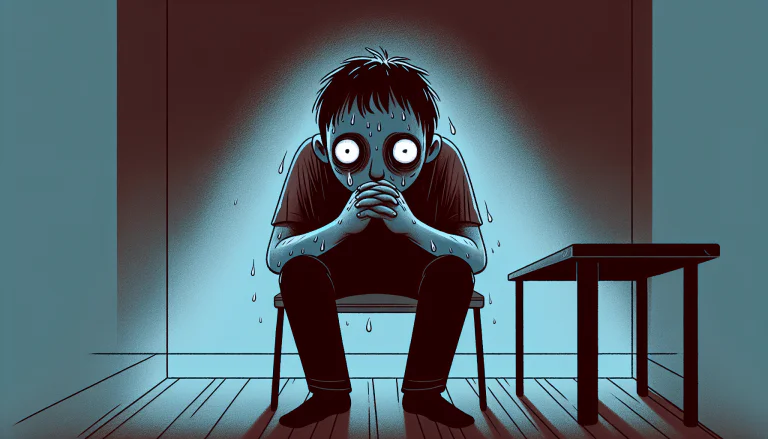
Heroin withdrawal symptoms can mimic a severe flu, with physical symptoms that may include:
Muscle pain
Restlessness
Anxiety
Nausea
Vomiting
Diarrhea
Gastrointestinal distress
Sweating
Runny nose
Insomnia
Intense cravings
These symptoms usually commence within 6 to 12 hours after the last dose and typically last around 7 to 10 days.
Given the severity of unpleasant withdrawal symptoms, which can result in serious health issues or life-threatening complications, medical supervision is indispensable during withdrawal. Stopping heroin cold turkey can be dangerous without professional support.
The administration of medication, such addictive drugs such as buprenorphine, can alleviate the severity of these symptoms, while clinical oversight provides a safe environment during detox and helps minimise cravings.
Medication-assisted treatment can aid in the recovery process. Medications like methadone or buprenorphine are often used to manage cravings and alleviate withdrawal symptoms, supporting long-term recovery.
These medications can significantly improve the quality of life for individuals in recovery.
Heroin addiction is treatable with medications and behavioural therapies. In 2022/23, 138,600 adults received treatment for opiate dependence. Heroin addiction is a formidable enemy, but it can be overcome. Various heroin addiction treatment options, including therapy, support groups, and medication-assisted treatments, can provide the necessary tools for individuals to achieve lasting recovery from heroin and other opiates.
In the treatment of heroin addiction, therapy, particularly cognitive-behavioural therapy and contingency management, is pivotal. They aid individuals in addressing the root causes of their addiction and developing coping strategies. These therapies can significantly improve the recovery process.
Support groups offer a sense of community and shared experience. Organizations like Narcotics Anonymous provide a secure environment for individuals to share their experiences and gain insights from others who have encountered similar challenges. This social support can be integral to the recovery process.
Medication-assisted treatments can provide much-needed relief from the physical and psychological challenges of withdrawal. Medications like methadone and buprenorphine can help manage cravings and support long-term recovery.
Heroin addiction often doesn’t exist in isolation. Many individuals battling addiction also struggle with mental health disorders, necessitating an integrated treatment approach.
Simultaneously addressing addiction and mental health disorders through mental health services administration can enhance overall recovery outcomes.
Common mental health disorders that co-occur with heroin addiction include:
Depression
Anxiety
ADHD
Schizophrenia
These disorders, including substance use disorder, can intensify the effects of addiction and complicate recovery, making an integrated treatment approach all the more crucial.
An integrated treatment approach, which tackles both the addiction and any co-occurring mental disorders simultaneously, is vital for effective treatment. This is because untreated mental health disorders can intensify addiction and obstruct recovery.
A combination of treatments, including psychotherapy and medication-assisted treatments, provides the best chance for success.
Recognizing the signs of heroin addiction, from physical indicators to psychological symptoms, is the first step toward recovery. Effective treatments, including therapy, support groups, and medication-assisted treatments, are available and can lead to sustained recovery. An integrated treatment approach is crucial when dealing with co-occurring disorders. If you or someone you know is struggling with heroin addiction, seeking help today can pave the way for a healthier tomorrow.
The three main signs of addiction include the inability to control behaviours, cravings and withdrawal symptoms, and physical side effects like damage to major organ systems. Be mindful of these signs to recognise and address common symptoms of addiction in yourself or others.
Rattling heroin refers to the physical effects experienced by heroin addicts, which are so severe that they say heroin symptoms are alleviated by taking more heroin to feel normal again. This can lead to the cycle of addiction.
Physical signs of heroin addiction can include needle marks, bruising, weight loss, and changes in appearance, such as neglected personal hygiene and disheveled attire. These signs may indicate a serious problem that requires attention and support.
Psychological symptoms of heroin addiction include mood swings, anxiety, and depression. These can significantly impact an individual’s mental well-being.
The common methods of heroin use include injection, smoking, or sniffing (snorting). It is important to be aware of the risks associated with using drugs and each method.
If you or a loved one have an issue with heroin or spot the signs and symptoms of addiction and would like advice, include our heroin rehab treatment, please contact us using our contact form or call, free on 0800 0380 480, from a mobile 01582 730113 or email: info@rehabtoday.com

Dr Otulana is PCP’s longest-serving doctor. He is an experienced Physician with Specialist Interest in Substance Misuse Management and he has a wide range of experience in the assessment and management (including detoxification) of clients with various drug and substance addiction problems. Dr Otulana started practising as a doctor in 2000 and with over 10 years as an Addiction Physician. He is an Advanced Addiction Practitioner Member of Addiction Professionals and also holds the Certificate in Clinical Psychopharmacology (Part 1) of the British Association for Psychopharmacology. He is additionally a strong healthcare services professional with a Master of Business Administration (M.B.A.) degree from Cambridge University Judge Business School.
| Cookie | Duration | Description |
|---|---|---|
| cookielawinfo-checkbox-analytics | 11 months | This cookie is set by GDPR Cookie Consent plugin. The cookie is used to store the user consent for the cookies in the category "Analytics". |
| cookielawinfo-checkbox-functional | 11 months | The cookie is set by GDPR cookie consent to record the user consent for the cookies in the category "Functional". |
| cookielawinfo-checkbox-necessary | 11 months | This cookie is set by GDPR Cookie Consent plugin. The cookies is used to store the user consent for the cookies in the category "Necessary". |
| cookielawinfo-checkbox-others | 11 months | This cookie is set by GDPR Cookie Consent plugin. The cookie is used to store the user consent for the cookies in the category "Other. |
| cookielawinfo-checkbox-performance | 11 months | This cookie is set by GDPR Cookie Consent plugin. The cookie is used to store the user consent for the cookies in the category "Performance". |
| viewed_cookie_policy | 11 months | The cookie is set by the GDPR Cookie Consent plugin and is used to store whether or not user has consented to the use of cookies. It does not store any personal data. |