Ketamine Addiction Rehabilitation
The Perry Clayman Project provides inpatient detox and treatment programmes for anyone suffering from an addiction to Ketamine. Addiction to this drug is not as uncommon as you may think, especially among the younger generation to whom it appeals. Ketamine also has a longstanding use in veterinary medicine for its anesthetic and analgesic effects on various animals.
We offer short-term and long-term bespoke treatment to enable you or your loved one to break free from ketamine addiction and live an everyday and productive life free from drugs.
Whether you or someone that you love is suffering from ketamine addiction, we urge you to read this page further. We are going to talk about ketamine in greater depth, including its use in clinical practice, the risks associated with recreational ketamine, the various dangers of prolonged abuse, how to approach someone who is suffering from addiction in order to try and get them the help that they need, and how our ketamine rehab programmes can help! Here’s everything you need to know…

What is Ketamine?
Ketamine is a medicinal Class B controlled drug in the UK. It is also widely used in veterinary medicine as an anesthetic and analgesic for animals.
Used for the correct purposes within a hospital environment, it is a quick-acting, powerful anaesthetic and analgesic. In clinical and veterinary settings, ketamine is commonly available as ketamine hydrochloride, the pharmaceutical salt form approved for medical use. It is typically used for quick non-operative procedures such as setting bones or resolving dislocations.
Ketamine holds a huge potential for abuse and is widely used by the UK’s party scene for its psychoactive and euphoric effects. Some individuals progress from recreational use to regular abuse and addiction. This is where Ketamine use becomes extremely dangerous and unpredictable.
In the UK, the use of ketamine is rising at a staggering pace, particularly among young people.
The Effects of Ketamine
In medically controlled doses, Ketamine produces analgesic pain-relieving effects, dissociation, and drowsiness. It also causes amnesia of events that occur while under its influence, which, in a safe medical environment, is beneficial to the patient.
Ketamine has also been found to be helpful in the short term treatment of severe depression. It has been hailed by scientists as a breakthrough in treatment. However, this should only be conducted within the safety of a hospital environment.
Ketamine is known for its rapid onset and antidepressant like effects, particularly in individuals with treatment resistant depression. Clinical studies have shown that a single dose of intravenous ketamine can lead to a response rate greater than 60% as early as 4.5 hours after administration, with significant reductions in depressive symptoms. Ketamine may also decrease suicidal thoughts for up to three days after administration.
It is FDA-approved for use as a general anesthetic and, in the form of esketamine nasal spray, for treatment-resistant depression. Ketamine is available in various forms, including intravenous and intranasal (nasal spray), each with different bioavailability rates.
The effects of Ketamine mean that it is sought after and abused as a recreational drug. This is not only illegal, but also very dangerous. Effects can be unpredictable and risky when not medically administered.
In larger doses, Ketamine produces intense feelings of euphoria and complete detachment from reality.
Abuse of the drug can lead to out-of-body experiences, hallucinations, fantasies, and intense euphoria; this is when the drug works well. Ketamine can also have the effect of making you feel paralysed and trapped in a terrifying hallucination of being dead.
Ketamine, with its sedative and amnesic effects, has alarmingly been linked to a large number of sexual abuse and rape cases; where innocent individuals have had their drinks spiked with the drug and then taken advantage of while in a vulnerable state.
Ketamine used outside of a controlled medical environment is never a good thing. The consequences of the effects can be very dark and leave the individual feeling confused and traumatised as a result.
Ketamine Abuse and Addiction
Ketamine abuse and addiction are probably more common than you think. At Rehab Today by PCP we frequently treat individuals who are unable to control their Ketamine use. Chronic ketamine abuse can lead to severe health consequences, including damage to the brain, gastrointestinal and urinary tract, and other vital organs.
Abuse and addiction to this powerful drug can have devastating consequences for the user and their family. Addiction is a life-threatening disease of the brain resulting from repeated exposure to or abuse of a substance. Repeated use of ketamine leads to rapid tolerance, prompting users to take higher doses to achieve the same effects. It is not just the Ketamine that causes consequences, but also the addicted individual’s behaviours in relation to their drug taking.
Ketamine is addictive due to its ability to induce quick highs and build tolerance rapidly, leading to physical and psychological dependency. Drugs like ketamine are often used to suppress emotional stress and relieve symptoms of mental health issues, which can contribute to the development of addiction.
Once an addiction to Ketamine has developed, the individual no longer has a choice in whether they use it or not. Addiction changes the brain’s neural pathways so that the power of choice is lost. They are compelled to take Ketamine, regardless of the possible negative consequences and risks. Chronic abuse of ketamine reinforces psychological dependence, making it extremely challenging to quit.
This is what makes ketamine abuse so incredibly dangerous. Even the most conscientious, well-intentioned, and intelligent people can lose all inhibitions and become hopelessly dependent on a drug – despite being fully aware of the terrible damage that it is doing to them.

What Does Ketamine Look Like?
Ketamine, in its medicinal form, is an odourless and colourless solution that can be administered intravenously. In its illicit street form, it is sold in either a solution or in an off-white powder that looks similar to cocaine.
Oral ketamine is sometimes used, but it has low oral bioavailability due to extensive first-pass metabolism, making it less effective than intravenous or intranasal routes.
How is Ketamine Abused?
Those who abuse ketamine will often snort it or compress it with a tablet, such as Ecstasy or LSD. It can also be smoked with tobacco or mixed with beverages.
When abused, effects can last for up to 24 hours – seriously affecting coordination, judgement and decision-making skills.
Not only that, but in the UK’s party scene, recreational ketamine use is common, and ketamine is often mixed with a wide variety of other dangerous substances. Recreational ketamine is frequently used in social or party environments, and combining it with other substances significantly increases the risk of overdose and adverse effects.
For example, “CK” is a common combination which mixes both cocaine and ketamine together. This is often snorted and enhances the effects of both individual drugs, which can lead to a potent – and indeed very dangerous outcome.
When paired with alcohol (which is most common), ketamine can lead to a number of other adverse reactions, including:
Increased risk of urinary tract infection
Memory loss
Slowed breathing
Coma
Ketamine overdose
Death.
Is Ketamine Dangerous?
Ketamine use and abuse are extremely dangerous. It can leave you very vulnerable and at risk of accidents.
If taken in excess or mixed with other drugs, it can cause organ failure and death. Ketamine is effective for pain relief in acute pain situations, such as trauma and emergency medicine, and is also used for chronic pain management. Ketamine infusions are used for acute pain treatment in emergency departments and for individuals with refractory or intractable pain.
It is especially useful in emergency medicine for short-term procedures and in patients with bronchospasm due to its bronchodilatory properties. However, the adverse effects of ketamine include dissociation, nausea, and it is contraindicated in severe heart or liver disease and uncontrolled psychosis. When taken regularly, it severely damages the kidneys and their function, leading to intense pain and a life-threatening condition.
Chronic ketamine abuse has been associated with liver and urinary toxicity, biliary colic, cachexia, gastrointestinal diseases, hepatobiliary disorder, and acute kidney injury. The physical symptoms of ketamine abuse can include faster heart rate, transient increases in blood pressure, and, in rare cases, respiratory depression—especially at high doses or when combined with other CNS depressants—which further increase the risk of accidents and health complications. Cognitive deficits can result from prolonged ketamine use.
As Ketamine has analgesic properties, many only feel kidney pain when the drug wears off, and so take more to relieve the pain. In doing so, they cause further damage. The most common psychiatric side effects are dissociation, visual distortions, and numbness. When an addiction to Ketamine has reached this point, the individual’s life is seriously at risk.
Street Names For Ketamine
Common Street names and Slang terms for Ketamine include:
Special K
K
Super K
Donkey Dust
KitKat
Vitamin K
Cat Valium.
Bute
Ketamine Withdrawal Symptoms
The unpleasant withdrawal symptoms associated with ketamine addiction can be very dangerous. The severity of this depends on the nature of your addiction and how long you have been using for.
Through repeated exposure to ketamine misuse, the body will no longer respond to the drug as it once did – thus encouraging the addicted individual to increase their dosage in order to achieve the desired high.
This, in turn, can contribute to the cycle of addiction and make it worse. The fact that tolerance develops very quickly means that ketamine users on a binge will often take the drug multiple times during a short period, thus increasing the risk even further.
Here is a list of the symptoms of withdrawal to watch out for:
Intense cravings for the drug
Rapid mood swings
Anxiety
Insomnia and restlessness
Depression
Fatigue
Nausea
The shakes
Profuse sweating
Heart palpitations
Elevated body temperature
Agitation
Confusion
A decline in respiratory and cardiac functionality
Hearing loss
Short temper
Cognitive impairment
Loss of motor skills
Psychosis
Delusion
Hallucinations.
If you have noticed any of the above in a friend or loved one and suspect that they might be suffering from a ketamine addiction, then we wholeheartedly recommend that you contact us today for advice on the next steps.
Am I Addicted To Ketamine?
If you are concerned that you have an addiction to Ketamine, there are some definite symptoms of ketamine addiction to watch out for that indicate urgent rehab addiction treatment is required:
Your thinking is preoccupied with Ketamine
You have tried to stop or want to stop but are unable to
You have increased the amount that you take over time, in order to experience the same initial effects
You are willing to lie, cheat, steal, manipulate, and deceive in order to get Ketamine
You feel ashamed and remorseful about your actions and drug use, but still continue to take it
Family and friends have expressed concern that you have an addiction
You are unable to control your drug use once you start and often end up on a binge
You need to take Ketamine to enable you to function
You have endangered your own or other’s lives whilst intoxicated
You have physical or mental health problems as a result of your addiction
Previous attempts to stop and stay stopped have failed.
Rehab Today by PCP rehabs offers a full inpatient detox and rehabilitation programme for anyone who is suffering from a Ketamine addiction. Please call us now for immediate professional help.
We understand how frightening and hopeless it can be when you are suffering in the grip of a drug addiction, however, rest assured, that with the proper help and support, you can free yourself of this disease and take back control of your life once more!

Is There a Ketamine Detox for Ketamine Addiction?
Ketamine withdrawal is rarely life-threatening, but it can be highly uncomfortable. We, therefore, provide medical detox to assist you through the worst of the withdrawal symptoms and drug cravings.
By admitting you to one of our Ketamine detox centres, we can help you get and stay clean. We use a combination of medical treatment and bespoke rehabilitation therapies, incorporating powerful relapse prevention techniques.
Please call us today for more information on how we can help you detox and break free from Ketamine abuse and addiction once and for all.
Help For Ketamine Addiction
If you or a loved one need help with Ketamine addiction, our residential clinics provide full inpatient detox and rehab treatment to assist you in overcoming your addiction and making a full and lasting recovery.
We understand the true nature of addiction and how powerless and trapped Ketamine addiction can make you feel. Our team of dedicated staff are here to help and support you. We only use evidence-based medical and therapeutic treatments that are proven to arrest Ketamine addiction and help maintain recovery. Ketamine’s use in clinical practice is guided by protocols developed from randomized controlled trials and recommendations from organizations such as the National Institute for Health and Care Excellence (NICE). In medical settings, reg anesth pain med guidelines are followed to ensure the safe and effective administration of ketamine.
Private Ketamine Rehab (Inpatient Ketamine Addiction Treatment)
For those who have been struggling with ketamine abuse for some time now and feel powerless to quit, inpatient ketamine addiction treatment is highly recommended.
Particularly if you have developed a dependence on the drug, getting clean and staying that way often requires drastic measures – and, indeed,, a change of scenery.
This is why inpatient rehabilitation programmes are so highly effective.
But, how does it work?
The process is relatively straightforward, but the impact is life-changing. Here’s everything you need to know about inpatient treatment for ketamine addiction at one of our treatment centres:
Intake: the very first step is intake. This is where you will sit down with our certified rehabilitation experts and discuss the nature of your addiction. You will go through a rigorous medical screening process in order to assess the current state of your mental and physical health. This is essential for determining what level of care and attention is required in order to help you overcome your drug addiction and take back control of your life. Once we have all of the information we need, a personalised rehabilitation programme will be prescribed for you.
Detox safely from ketamine: once you have successfully completed your intake and you are settled into your new surroundings, the detoxification process will begin. This is where your body will be cleansed of any harmful and illicit substances under close observation from certified medical professionals. While coping with the uncomfortable physical and psychological withdrawal symptoms of ketamine addiction, your vitals will be monitored. With round-the-clock care and support, we will ensure that you get through with detoxification as comfortably as possible, ready to begin your rehabilitation programme.
Residential rehab treatment begins: after you have been thoroughly detoxed, you will begin working through your personalised ketamine addiction treatment programme. The exact nature of your addiction treatment will vary depending on the severity of your situation, the nature of your ketamine addiction, and the residential rehab centre that you are staying at. Typically speaking, your drug addiction treatment programme will involve regular group therapy, individual counselling sessions, and a number of other tried-and-tested rehabilitation methods.
Aftercare and recovery: Finally, once you have successfully completed your rehabilitation programme, you will then be ready to return home to friends, family, and your work. The good news is that our care and support will continue long after you have left us. We will put together a comprehensive aftercare and recovery programme to ensure that you have all of the support that you need, even after you have returned to your normal day-to-day life. This often includes continued group therapy sessions and individual counselling to ensure that you are adjusting no normal life well, and that you are able to refrain from relapse.
Ketamine Rehab UK (Outpatient Ketamine Rehabilitation)
For those suffering from ketamine addiction, but perhaps who don’t have quite as severe a dependency, outpatient rehab is often recommended.
This approach is particularly helpful for individuals who have familial and/or work responsibilities and cannot afford to spend months away from home.
Outpatient rehab allows people to receive ketamine addiction treatment on their own terms. You can sleep in your own bed, carry on working, and visit our rehabilitation centres in the evenings and/or over the weekends.
You will gain all of the information and support that you need to curb your ketamine use and work towards a successful recovery.
Of course, if you have been suffering from substance abuse for a long time and you worry that you may need further assistance if you are to successfully kick the habit, inpatient rehabilitation therapy will be the recommended alternative.
Why is Group Therapy Important for Overcoming Ketamine Addiction?
So, why is group therapy an integral part of ketamine addiction treatment? The primary reason is so that you can understand that you are not alone. There are many people suffering from drug abuse and ketamine addiction, and being able to sit and talk with other people who know precisely what you are going through in a judgement-free environment can be very cathartic.
Other benefits include:
Feeling connected: just as it’s important to feel like you are not alone, being able to connect with other people is critical. It can make you feel seen and heard for once. Perhaps it was feelings of loneliness and disconnectedness that drove you to seek self-medication with addictive drugs in the first place. In any case, feeling connected is one of the most effective aspects of successful ketamine addiction treatment.
Help to improve your communication skills: We all like to think that we are excellent communicators, but few of us actually are. In fact, your inability to open up and discuss your feelings could have been another triggering factor that drove you into substance abuse to begin with. In the same breath, group therapy can help you to listen better and process other people’s feelings – which will be crucial in repairing your relationships and returning to normality.
Get more feedback: It doesn’t matter how well you think you know yourself; our views of ourselves are often distorted. Having a broader range of feedback from strangers can be a highly effective way of processing our feelings and overcoming addiction. There may be some hard truths (if coming from a loved one,, perhaps they wouldn’t be received as well) that hit home when coming from a stranger who is in a similar situation to you.
Identify and challenge negative patterns of thought: Again, our views and opinions of ourselves are often distorted. Perhaps you have a tendency to catastrophise or overgeneralise. In any case, a large part of addiction treatment is learning new cognitive and behavioural skills in order recognise and challenge these negative thought patterns, and group therapy is an excellent testing ground for these new-found skills.
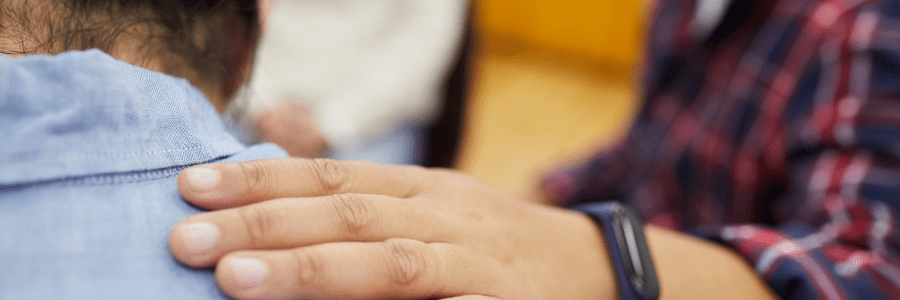
What Are the Benefits of Having Individual Counselling Therapy Sessions During Ketamine Addiction Treatment?
And what is the importance of individual counselling and psychotherapy in ketamine addiction treatment?
The primary purpose of your individual counselling sessions will be to get to the bottom of your addiction – to better understand the nature of your addiction and what triggers or past traumas may have led to your taking ketamine in the first place.
With a deeper understanding of yourself and your journey, you will be far better positioned to stop abusing ketamine and refrain from relapsing in the future.
For many people suffering from excessive drug use, it’s not uncommon for their mental health to play a big role in it. Often, many of our inpatients will be talking about their feelings in depth for the very first time – which can be transformative.
By sifting through these mental health disorders and learning new trigger responses and coping techniques with your addiction counsellors, your chance at a thorough and successful recovery from ketamine addiction will be much higher.
Contact Us Today and Learn More About Rehab for Ketamine Addiction
If you need a UK rehab for a ketamine addiction, please call us today for immediate help and support. We can facilitate immediate admission to any one of the affordable CQC registered alcohol and drug rehabs in the UK today.
We can help you to break free from Ketamine and the terror, pain and misery of addiction. Take the action today, that your future self with thank you for.
ADDICTIONS? GET HELP NOW
Ketamine is a medicinal Class B controlled drug in the UK. It is also widely used in veterinary medicine as an anesthetic and analgesic for animals.
Used for the correct purposes within a hospital environment, it is a quick-acting, powerful anaesthetic and analgesic. In clinical and veterinary settings, ketamine is commonly available as ketamine hydrochloride, the pharmaceutical salt form approved for medical use. It is typically used for quick non-operative procedures such as setting bones or resolving dislocations.
Ketamine holds a huge potential for abuse and is widely used by the UK’s party scene for its psychoactive and euphoric effects. Some individuals progress from recreational use to regular abuse and addiction. This is where Ketamine use becomes extremely dangerous and unpredictable.
In the UK, the use of ketamine is rising at a staggering pace, particularly among young people.