
What Is MDMA, and Why It’s Also Called Ecstasy or Molly?
It is a synthetic psychoactive drug, often called ecstasy, Mandy or Molly, that is increasingly present in the UK’s nightlife and social scenes. Many people assume its effects are brief and carry little risk beyond the momentary high. However, the reality is much more complex. MDMA can impact both the body and mind, and repeated use can increase the likelihood of serious consequences.
This guide explains what is MDMA, how it works, and the effects it can produce. It also outlines the risks involved and provides information on recognising when professional guidance or support may be necessary.
MDMA (3,4-methylenedioxymethamphetamine) is a lab-made psychoactive drug. It is more commonly referred to as Molly or the ecstasy drug in settings such as clubs, parties, and music events. These different names often hint at how the drug is sold or presented. Ecstasy is usually found in tablets or capsules, while Molly is marketed as a powder or crystalline substance.
If you’re wondering about the MDMA meaning, the term itself does not carry a symbolic meaning. It is simply an abbreviation of the drug’s chemical name. The names Mandy, Molly or the ecstasy drug, on the other hand, developed through street culture and are often used interchangeably.
MDMA vs Ecstasy vs Molly: What’s the Difference in Real Life?
Many people ask, ‘what is MDMA, what is ecstasy, and what is Molly?’ The answer is that MDMA is the chemical substance, while ecstasy drug and Molly are its street versions.
Element | MDMA | Ecstasy | Molly |
What It Is | Pure chemical compound | Street pill | Street powder/crystal |
Composition | High in labs | Often low | Highly unreliable |
Additives | None | Caffeine, amphetamines, synthetic stimulants, opioids | Methamphetamine, fentanyl, synthetic stimulants, fillers |
How Is It Consumed? | Swallowed; sometimes snorted | Swallowed; sometimes snorted | Swallowed, snorted, or dissolved in drinks |
Risk Level | Controlled in research | High due to adulteration | Very high due to unknown substances |
What Does MDMA Look Like and How Is It Taken?
Pure MDMA is a white or off-white crystalline powder, but on the street, it can also be found in capsules, pills, or ground forms.
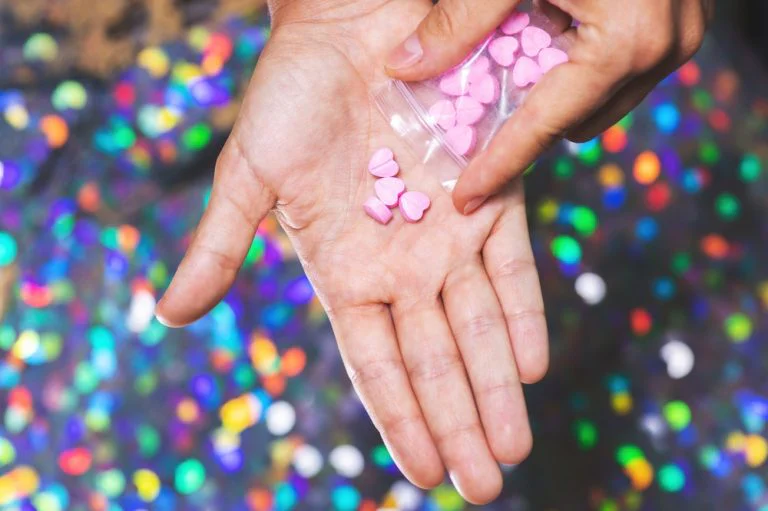
Common Ways People Use MDMA
Unlike other substances, Molly can be used in many ways. Each method changes how quickly it hits and the intensity of the MDMA effects. Some of the most common ways people use MDMA or the ecstasy drug include:
Swallowing: The most typical method. Pills, capsules, or powder are swallowed, often with water or another beverage. Effects usually begin within 30–60 minutes, producing energy, euphoria, and heightened empathy.
Snorting: Powdered MDMA can be inhaled through the nose. The high comes on faster, sometimes within minutes, and can feel more intense. Nevertheless, it also peaks quickly, wears off sooner, and can irritate nasal passages.
Injecting: This is a less common but extremely risky method. Injecting MDMA increases the chance of overdose, infections, and severe reactions.
Dissolving in drinks: Some people mix MDMA into liquids to swallow it. While this may seem convenient, it’s difficult to measure the dose accurately.
Why Dose and Strength Are Unpredictable
Street MDMA is rarely pure, and pills or powders sold as Molly may contain methamphetamine, opioids, or other additives. Even small differences in dose can drastically change the drug’s effects on the heart, body, and brain, making ecstasy drug use unpredictable.
These unpredictable MDMA effects make the drug particularly risky, even for those who think they know what they’re taking. People often underestimate how much they are taking, especially when using multiple methods.
This unpredictability is why understanding MDMA risks and following harm reduction advice is so important. In the UK, organisations like Change Grow Live and FRANK provide guidance on reducing potential harm.
How MDMA Works in the Brain
Just like any other addictive substance, MDMA acts directly on the brain’s chemical messaging system. When a person takes Molly, it triggers the release of several key brain chemicals, including:
Serotonin: Often called the “happy chemical,” serotonin controls mood, feelings of closeness, and emotional connection. MDMA releases a large surge, which is why people feel euphoric, loving, and more socially open.
Dopamine: This chemical creates pleasure, motivation, and energy. It’s what gives the energetic, excited feeling people often describe during an MDMA high.
Adrenaline (Norepinephrine): This speeds up your heart, raises blood pressure, and makes you feel alert, contributing to the physical and emotional intensity of the high.
Short-Term Effects of MDMA
Few common short-term MDMA effects are:
Emotional and Social Effects
Molly makes people feel unusually happy, confident, and connected to others. Emotions can feel stronger than usual, and users often report feeling empathy, love, and closeness, sometimes called the ‘hug drug’ effect. However, not everyone responds the same way, and some may feel anxious, restless, or overwhelmed.
Physical Effects on the Body
Molly’s use also has a significant impact on the body. Some of its physical MDMA effects include:
Increased heart rate (tachycardia) and blood pressure
Feeling energetic or restless
Jaw clenching (Bruxism) or teeth grinding
Sweating and overheating
Blurred vision
Effects That Can Turn Unpleasant or Frightening
Even if someone takes the ecstasy drug in a small dose or only occasionally, it can still lead to frightening effects, such as:
Panic attacks or intense anxiety
Psychosis or confusion
Nausea or dizziness
Rapid heartbeat or chest discomfort
Short-Term MDMA Risks
Short-term MDMA risks are:
Overheating and Dehydration: Molly raises body temperature (Hyperthermia), which can be dangerous in crowded places. Combined with sweating, this can lead to dehydration, heat exhaustion, or even more severe complications if not addressed quickly.
Drinking Too Much Water (Hyponatremia): Some users try to counteract dehydration by drinking large amounts of water. While staying hydrated is important, overhydration can be equally dangerous, sometimes causing an imbalance of salts in the body, which can be life-threatening.
Heart Strain, Panic, and Anxiety: MDMA stimulates the heart and increases blood pressure (hypertension). This can cause rapid heartbeat, chest discomfort, or palpitations. It can also trigger intense anxiety, panic attacks, or feelings of fear, especially in first-time users or those taking stronger doses.
Why Ecstasy Drug or Pills Can Be Risky
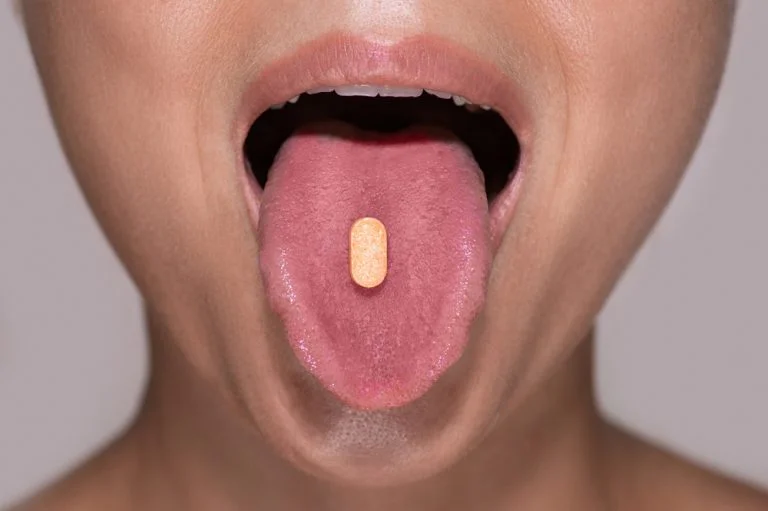
Many ecstasy pills are not pure MDMA. They can contain additional substances such as stimulants, amphetamines, or even opioids. These additives can intensify side effects, increase the risk of overdose, and make MDMA effects much harder to predict. A pill that seems safe can cause panic, heart problems, or other serious reactions depending on its hidden contents.
Unlike medicines produced in labs under strict standards, street ecstasy drugs are made illegally. The amount of MDMA in each pill can differ significantly, even within the same batch. This variability means one pill may produce a mild high, while another can be dangerously strong, increasing the likelihood of overheating, dehydration, or other MDMA risks.
MDMA Comedown: What It Is and How Long It Lasts
After the intense high from MDMA, users often experience what’s called a comedown. This is the period when the brain’s chemical levels, especially serotonin, drop back to normal, leaving the body and mind feeling drained. The comedown can last anywhere from a few hours to a full day. During this time, many people feel:
Tired
Low in mood
Anxious
Irritable
Difficulty concentrating
Sense of emotional emptiness
Long-Term Effects and Mental Health Risks of MDMA
While the short-term effects of the ecstasy drug, or Molly, are well-known, repeated use can lead to serious long-term consequences such as:
Mood and Emotional Changes: Disruption of the brain’s serotonin system can lead to ongoing anxiety, depression, irritability, and mood swings.
Cognitive Impairments: Memory, focus, and learning abilities may be affected, making everyday tasks, work, or study more challenging.
Sleep Problems: Frequent use can cause fatigue, insomnia, or disrupted sleep patterns.
Intensified Comedowns: The more someone uses MDMA, the more severe and prolonged the post-high crash may become.
Can You Get Addicted to MDMA?
Yes, you can get addicted to MDMA or develop a pattern of harmful use. People can develop psychological dependence, where they feel they need the drug to enjoy social events, cope with stress, or feel confident. Tolerance can also develop, meaning that over time, the same dose produces weaker MDMA effects, prompting some users to take more of the substance.
Signs MDMA Use Is Becoming a Problem
Feeling unable to enjoy social gatherings without taking Molly.
Increasing the dose or frequency to chase the same high, even when aware of risks.
Neglecting daily-life responsibilities because of using the ecstasy drug or recovering from a comedown.
Experiencing mood swings, anxiety, or depression between uses, affecting relationships.
Using Mandy despite noticing negative physical effects like sleep disruption, overheating, or exhaustion.
Overdose and Emergency Signs of MDMA
Signs of ecstasy drug overdose include extremely high body temperature, rapid heartbeat, severe agitation or confusion, vomiting, fainting, seizures, or difficulty breathing.
If any of these occur, immediately call 999 emergency services. Stay calm and provide first responders with clear information. Be transparent about the amount of MDMA taken, whether other substances were used, the user’s age, weight, and any existing medical conditions.
Giving this information allows medical staff to provide the fastest, safest care. Acting quickly can prevent serious injury or even save a life when dealing with the unpredictable MDMA risks of street drugs.
Mixing MDMA With Other Drugs
MDMA and Alcohol: Molly with alcohol is a common combination at parties. This combination significantly increases the risk of dehydration, overheating, heart strain, and overdose and is linked to many MDMA-related medical emergencies. Alcohol can mask the effects of the ecstasy drug, making it harder to notice signs of overheating or dehydration. It can also make the comedown worse, leaving users feeling extremely tired, low in mood, or more irritable than usual.
Mixing With Stimulants or Cannabis: Combining MDMA with other stimulants or cannabis can increase heart rate, anxiety, or panic, and may raise the risk of dangerously high blood pressure.
MDMA and Antidepressants (SSRIs): Using Molly while taking SSRIs can reduce the medication’s effects. In some cases, it can also lead to serotonin syndrome, a life-threatening condition consisting of fever, diarrhoea, and tremors.
Legal Status of MDMA in the UK and Drug Driving
In the UK, MDMA, also known as ecstasy or Molly, is classified as a Class A drug under the Misuse of Drugs Act 1971. This is the most serious classification, reserved for substances considered to have the highest potential for harm and misuse.
Penalties for MDMA Possession and Supply in the UK
Being caught with MDMA can lead to up to 7 years in prison, an unlimited fine, or both, while supplying or producing Molly carries even harsher penalties, including life imprisonment in extreme cases. The law is strict because of the serious MDMA risks to health and society.
MDMA Drug Driving and Festival Policing in the UK
It’s also illegal to drive under the influence of MDMA. Police can test drivers for drugs, and being caught driving while affected by Molly can lead to heavy fines, licence suspension, or imprisonment.
Authorities frequently patrol festivals, clubs, and large events where MDMA use is common. Being found in possession, even a small amount, can result in immediate arrest, fines, or confiscation. Police campaigns also focus on raising awareness about MDMA risks, encouraging safer behaviour, and highlighting the penalties of drug use.
Harm Reduction: Ways to Reduce MDMA Risks
Avoid re-dosing or stacking doses close together
Take regular breaks from dancing and overheating
Sip water regularly, but avoid excessive intake in a short time
Avoid mixing MDMA with alcohol or other substances
Never assume pill strength — even pills from the same batch can vary
How to Get Help for MDMA Use in the UK

If MDMA use is starting to affect your health, mood, or daily life, support is available in the UK. You do not have to handle it alone, and help exists at different levels depending on your needs. You can avail guidance in the UK from:
NHS: The NHS offers free assistance for people struggling with the ecstasy drug. Support may include assessments, talking therapies, harm reduction advice, and referrals to specialist drug services through a GP or local drug and alcohol team.
Charities and Community Services: Several UK charities provide non-judgemental support for people using MDMA, ecstasy, or Molly. Organisations such as FRANK, Change Grow Live, and Turning Point offer helplines, online resources, and structured treatment programmes focused on education, safety, and recovery.
Private Drug Rehab Options: For those seeking more structured or immediate care, private drug rehabs offer tailored treatment plans. These may include one-to-one therapy, mental health support, and aftercare programmes designed to address both Molly use and its underlying causes.
Regardless of the route chosen, MDMA dependency treatment usually includes:
Assessment and diagnosis for MDMA use, to understand patterns of use, risks, and individual needs.
Medically supported detox, focusing on managing comedown symptoms, sleep issues, and psychological distress.
Treating MDMA misuse alongside anxiety or depression, as mental health challenges often occur alongside substance use.
Aftercare and ongoing support strategies that let individuals maintain progress and reduce the risk of relapse.
Supporting a Loved One: What to Say and What to Do Next
Watching someone you care about struggle with MDMA, ecstasy, or Molly use can be confusing and emotionally draining. Many people delay speaking up because they fear saying the wrong thing or making the situation worse.
How to Start a Conversation
The way a conversation begins matters. Choose a calm moment when neither of you feels rushed or defensive. Speak from concern rather than accusation, using “I” statements such as, “I’ve noticed you seem really drained lately, and I’m worried about you.”
Avoid lecturing, threatening consequences, or focusing solely on MDMA risks. Instead, listen actively and allow them to talk without interruption. Feeling heard often makes someone more open to change.
When Professional Support Is Needed
If MDMA use is starting to affect a person’s health, work, relationships, or mental well-being, it may be time to seek professional help. At this stage, guidance from trained professionals can provide advice and interventions that families or friends alone cannot offer.
Final Thoughts
Understanding what is MDMA, how it works, and the short- and long-term risks allows people to make more informed decisions. For those already experiencing problems, early support can reduce harm and prevent more serious consequences. Whether help comes through the NHS, community services, or private treatment, support is available, and recovery is possible.
If MDMA use is affecting you or someone you care about, reaching out for guidance is a practical first step, not a failure. Getting the right information and support can make a meaningful difference in the long run.
FAQs
How Long Does MDMA Stay in Our System?
MDMA usually stays in the body for 1 to 4 days, depending on dose, frequency of use, metabolism, and hydration. It can be detected in urine for up to 3–4 days, in blood for 1–3 days, and in hair for several months. Additionally, regular or high-dose use may extend detection times.
Is MDMA Occasional Use Safe?
There is no completely safe level of MDMA use. Even occasional use carries risks due to unpredictable strength, adulterants, dehydration, overheating, and mental health effects. What feels manageable for one person may cause serious harm to another, especially when combined with polydrug use.
Why Do I Feel Sad After MDMA?
Feeling sad after MDMA is common and is caused by a sudden drop in serotonin, the brain chemical linked to mood. MDMA releases large amounts of serotonin, leaving levels temporarily depleted once the drug wears off. This comedown can lead to low mood, anxiety, tiredness, and irritability.
How Fast Does MDMA Work?
MDMA usually begins to take effect 20–60 minutes after swallowing. When snorted, effects may start within minutes, but they wear off faster and can feel more intense. Onset time also varies based on dose, purity, body weight, and whether other substances are used.