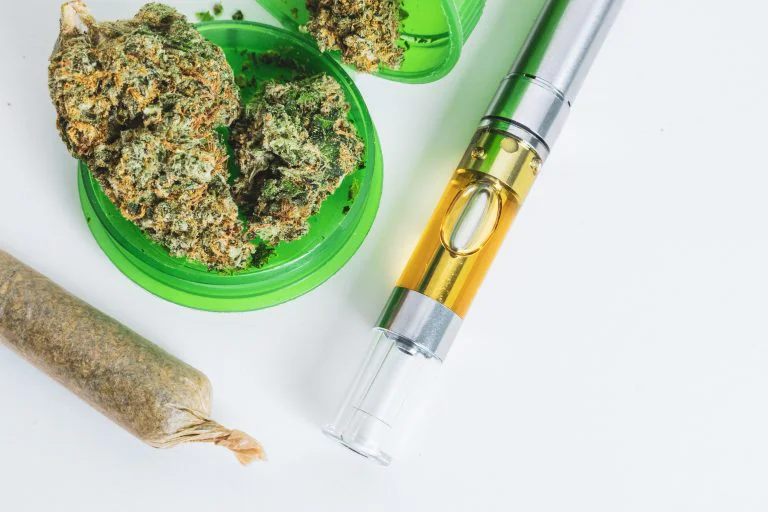


According to reports by the ONS, there were approximately 5.4 million vapers in the UK in 2024. The increasing popularity of cannabis vaping and edibles, particularly among young individuals and young adults, has contributed to this trend.
During recent years, the preference for edibles over smoking has greatly increased.
Around one in 14 UK adults has resorted to edible cannabis to get high at some point in their lives. Recent data from the past month and past year show a rise in cannabis use and vaping among young people, highlighting the need for targeted prevention and support.
Cannabis vaping and edibles have become increasingly common worldwide, especially in the United Kingdom. Vaping products, including vapes, e-cigarettes, and other vaping devices, are now commonly used for cannabis consumption. With this much prevalence comes the most important question: how can the cannabis addiction treatment vary for different methods? Would vaping marijuana or eating cannabis edibles delay the recovery? Public health concerns are significant, as research from the National Institute highlights the impact of cannabis use and vaping on population health.
If you’re seeking vaping cannabis rehab in the UK, understanding this information is crucial. Read this guide to get all your queries answered about cannabis addiction treatment!
Vaping is all about inhaling vapours created by heating marijuana, cannabis or other addictive substances. Vaping often involves heating e-liquids or THC oil, which may also contain nicotine. Devices such as vape pens are commonly used for cannabis vaping. The moment you inhale these chemicals, they rush into your lungs, and from there they pass into your bloodstream. The THC content in these products can vary widely, and THC is the main psychoactive ingredient derived from the cannabis plant. Consequently, you start to experience an immediate rush of intense and rewarding feelings.
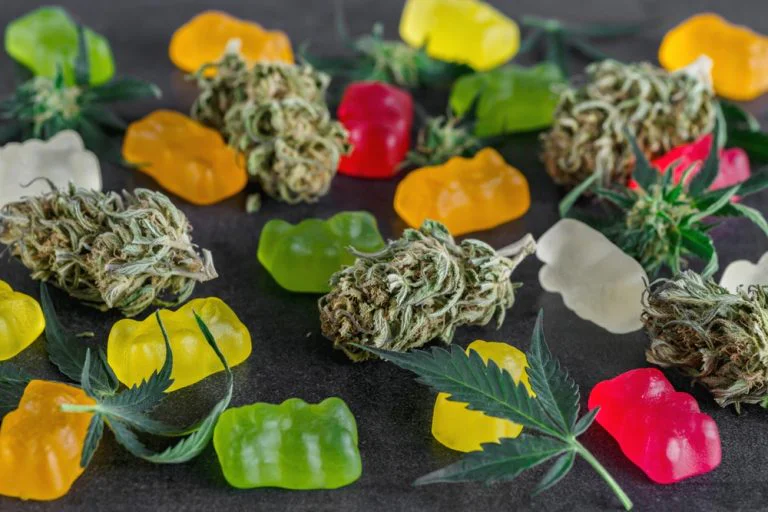
Now edibles work differently. Edibles are food products infused with cannabis, and people consume edibles as an alternative to smoking or vaping. You eat or drink an edible containing marijuana or cannabis. This food passes through your digestive system before entering your bloodstream. They hit slower, yes, but their effects last much longer. This extended effect can feel comforting, almost like a slow-release reward, but it can also lead to overconsumption.
Yes, it’s absolutely possible to develop cannabis dependence through vaping or edibles. Many people believe vaping marijuana or eating cannabis edibles is safer than smoking joints, but both can still lead to cannabis addiction. Regular drug use, including cannabis, can result in drug abuse and the development of a use disorder.
However, edibles addiction can develop subtly over time. Cannabis use disorder is a recognized disorder that may require professional intervention. Early identification and seeking professional rehab for cannabis edibles can help you regain control and break the cycle before it gets worse. Cannabis is a drug, and problematic drug use can escalate to addiction.
There’s another layer: social and cultural normalisation. Marijuana vaping and cannabis edibles appear everywhere. They are available on social media, presented in sleek packaging, and have now also sneaked into casual conversations. However, it is important to be aware of the potential risks and dangers associated with cannabis vaping and edibles, including both short-term and long-term health risks such as lung injury, addiction, and cognitive impairments.
This visibility makes it even easier to believe the behaviour is normal, safe, or even trendy. For example, overconsumption of cannabis edibles can lead to adverse effects such as severe anxiety, paranoia, or even acute medical emergencies, highlighting the health risks involved. Meanwhile, the dependency builds quietly in the background, disguised as lifestyle choices or coping tools. This illusion of safety often prevents people from seeking cannabis addiction treatment until the dependence has already taken over them.
Ignoring these risks can have serious consequences, including long-term health complications and negative impacts on overall wellbeing.
Yes, the method of consumption can influence how detox and rehab work for you. Cannabis vaping and edibles may deliver the same substances, but they affect your body and mind in distinct ways. Different consumption methods can lead to varying health effects, including both short-term and long-term impacts on physical and mental health. For example, certain methods may increase the risk of developing or worsening mental health issues such as anxiety, depression, or psychotic disorders. That means withdrawal experiences, psychological triggers, and even treatment strategies can differ.
When considering psychological triggers, it’s important to note that cannabis use can exacerbate mental health issues, particularly in high-risk individuals who may already be vulnerable to conditions like depression or anxiety.
In terms of treatment strategies, high-risk behaviors—such as combining cannabis with other drugs, other substances, or alcohol—can complicate recovery and increase the likelihood of adverse reactions or health risks.
Here’s more on why and how each method can affect the recovery process. Monitoring THC use is also important for effective treatment and reducing potential risks.
Vaping delivers cannabis to your system almost instantly, giving you a rapid, intense effect. Vaping THC, particularly those products that contain additives like vitamin E acetate, has been linked to lung injury and lung damage, with cases of severe lung injury (such as EVALI) reported from inhaling these substances. That fast hit can create strong cravings and a sense of urgency, which often makes the early stages of detox more challenging.
While vaping is gaining popularity, smoking remains the most common method of cannabis consumption. However, both methods carry health risks, with vaping THC concentrates posing particular dangers due to the potential for lung damage and exposure to harmful additives.
Cannabis or marijuana edibles, however, act slowly. The delayed onset can encourage overconsumption, and the prolonged effects may lead to a dependency that feels subtle but persistent.
Because vaping acts quickly, cannabis withdrawal symptoms often appear sooner, though they may disappear faster. You might feel irritable, restless, or have headaches within hours of your last session. In contrast, cannabis or marijuana containing edibles produces a slower but longer-lasting withdrawal. Fatigue, low mood, or anxiety can last for many days.
The way you consume marijuana or cannabis, either by vaping or eating edibles, can also impact your detox process. Each of the methods uses different channels to leave your system.
For instance, when you’re vaping marijuana, the absorption takes place rapidly, which speeds up the detox process as well. The cravings during this addiction treatment can spike, making professional and structured support crucial.
Now, edibles containing marijuana or cannabis can take a bit longer to metabolise. Consequently, you can expect withdrawal symptoms to appear slowly and gradually, lasting for several days.
Recovery isn’t one-size-fits-all. Whether you’re vaping or consuming cannabis, rehab is an essential part of your addiction treatment plan. Marijuana addiction or cannabis dependence can feel challenging to get rid of. For most of the time, it requires structured strategies to break habitual cues and create emotional resilience.
Cannabis rehab centres help you get rid of the dependency through structured support. They provide specialised strategies, therapy plans, and evidence-based therapeutic interventions to address physical cravings and psychological habits.
Recovering from cannabis vaping or edibles dependency isn’t just about stopping its use. Instead, it’s about rewiring your mind and body to survive without relying on substances. Professional support can prove to be a great aid in navigating the challenges associated with cannabis addiction. There are a variety of treatment options available for cannabis addiction, including personalised rehab programmes, therapy, and medical support.
These experts can help you in:
Reinforcing Motivation and Determination: Experts help you stay focused on your goals, even during difficult moments, keeping you committed to the recovery journey.
Reducing Risk of Relapse: Structured guidance teaches strategies to manage cravings and cope with stress, lowering the chance of relapse during addiction treatment. Evidence-based interventions are informed by guidance from organisations such as the American Medical Association, which provide recommendations on best practices for addressing cannabis and vaping-related health risks.
Boosting Confidence: Professional support empowers you to face challenges with a sense of control and belief in your ability to succeed while recovering from cannabis dependence.
Improving Overall Well-Being: Therapy and counselling address emotional, mental, and physical health, reducing anxiety, stress, or guilt often associated with cannabis addiction treatment. State legislatures and national institutes play a key role in regulating marijuana products and cannabis products, as well as supporting disease control efforts to manage public health concerns related to substance use.
Whether you’re vaping marijuana or are battling cannabis addiction already, with the right support, you can overcome any form of dependency. At PCP, we understand that vaping and edibles affect both body and mind in unique ways. That’s why our cannabis rehab centres located across the UK provide tailored, compassionate addiction treatment plans to every individual.
Take the first step toward reclaiming your life. Contact our team today for a free consultation and start your personalised recovery journey with guidance and expert care.
Vaping marijuana or eating edibles with addictive substances may appear harmless, but their potential for forming a dependency must never be overlooked. It is important to note that each method affects your mind and body differently; consequently, the addiction treatment plan can also vary.
If you or a loved one is struggling, recognising the signs early can make a significant difference. With awareness, structured support, and commitment, you can break the cycle, rebuild healthy routines, and regain confidence in your life. Remember, every small step counts, and every effort moves you closer to lasting freedom from cannabis addiction.

Dr Otulana is PCP’s longest-serving doctor. He is an experienced Physician with Specialist Interest in Substance Misuse Management and he has a wide range of experience in the assessment and management (including detoxification) of clients with various drug and substance addiction problems. Dr Otulana started practising as a doctor in 2000 and with over 10 years as an Addiction Physician. He is an Advanced Addiction Practitioner Member of Addiction Professionals and also holds the Certificate in Clinical Psychopharmacology (Part 1) of the British Association for Psychopharmacology. He is additionally a strong healthcare services professional with a Master of Business Administration (M.B.A.) degree from Cambridge University Judge Business School.
| Cookie | Duration | Description |
|---|---|---|
| cookielawinfo-checkbox-analytics | 11 months | This cookie is set by GDPR Cookie Consent plugin. The cookie is used to store the user consent for the cookies in the category "Analytics". |
| cookielawinfo-checkbox-functional | 11 months | The cookie is set by GDPR cookie consent to record the user consent for the cookies in the category "Functional". |
| cookielawinfo-checkbox-necessary | 11 months | This cookie is set by GDPR Cookie Consent plugin. The cookies is used to store the user consent for the cookies in the category "Necessary". |
| cookielawinfo-checkbox-others | 11 months | This cookie is set by GDPR Cookie Consent plugin. The cookie is used to store the user consent for the cookies in the category "Other. |
| cookielawinfo-checkbox-performance | 11 months | This cookie is set by GDPR Cookie Consent plugin. The cookie is used to store the user consent for the cookies in the category "Performance". |
| viewed_cookie_policy | 11 months | The cookie is set by the GDPR Cookie Consent plugin and is used to store whether or not user has consented to the use of cookies. It does not store any personal data. |