

Heroin Rehab: Heroin Addiction Treatment in the UK

Heroin rehab treatment

If you’ve found this page, there is a strong chance you are searching for heroin rehab support, either for yourself or for someone close to you. You may already have spent time trying to understand assessment and treatment pathways in the UK, only to find the process confusing or overwhelming. That experience is common, especially when things feel urgent and difficult to manage.

Heroin addiction requires the right kind of treatment to improve safely, which is why this page focuses on how support works in practice. With safety and clinical care at the centre of this page, we’ll explore how assessment is carried out, what treatment options are available, and how people access heroin rehab in the UK.

CQC Registered – Fully regulated by the Care Quality Commission, ensuring clinical excellence and the highest standards of professional care.

24/7 Medical Support – Continuous supervision from experienced clinicians to manage withdrawal symptoms such as restlessness, muscle pain, nausea, and cravings.

Personalised Treatment Plans – A tailored approach combining medical detox, psychological therapies (CBT, DBT, and group work), and holistic treatments for complete recovery of body and mind.

Long-Term Recovery Support – Includes 12 months of free aftercare, relapse prevention planning, and ongoing access to our national support network.

20 Years’ Experience – Our trusted team has supported over 4,000 clients in overcoming heroin addiction and achieving lasting sobriety.

Where We Offer Heroin Rehab – Our heroin rehab centre is located in Luton, Bedfordshire, within easy reach of London, Essex, Hertfordshire, and the Midlands. We welcome clients from across the UK seeking confidential, private residential treatment in a compassionate and structured setting.

Do you need help?

CQC-regulated logo

What is heroin addiction treatment and rehab?

Heroin rehab is a guided recovery process designed to help you move away from heroin safely, with treatment shaped through clinical assessment and ongoing professional support. Heroin addiction rehab is a comprehensive, structured process provided in a supportive environment, where individuals benefit from a distraction-free setting and personalised care to promote long-term recovery. It starts with detox, where your body is helped through the early stages of withdrawal as it begins to adjust to life without the drug.

A treatment programme at a heroin rehab centre typically includes both medical care and psychological support to address all aspects of addiction. Heroin rehab also focuses on the deeper reasons heroin is so hard to let go of, including how it affects the brain and why stopping can feel so overwhelming, both physically and emotionally. This wider support is what helps people build stability and confidence as they move forward.

Support for rehab treatment

How Long does Heroin Rehab Last?

A typical heroin rehab programme lasts around 28 days, offering structured detox and intensive therapy to support both physical and psychological recovery.
However, treatment duration can vary based on factors such as the severity of addiction, the length of heroin use, and overall health.
Clients with long-term dependence or co-occurring mental health issues may benefit from extended residential care lasting 6 to 12 weeks to achieve lasting recovery and stability.

Whos is this Treatment For?

Our heroin rehab programme is designed for anyone struggling with heroin use or dependence, including:

Individuals using heroin regularly or in binges

Those who have tried to stop but keep relapsing

People experiencing withdrawal symptoms such as anxiety, fatigue, or body aches

Anyone whose work, finances, or relationships are being affected by heroin use

Families seeking professional support for a loved one

Individuals using heroin alongside other substances

Anyone feeling trapped, isolated, or unable to cope without using

Why Choose PCP for Heroin Rehab and Addiction Treatment

Kevin Wu
Kevin Wu
PCP was very good and the program was explained in depth and i feel good about the future. Andy, he is very passionate to help us and he is very knowledgable about addiction and especially recovery. From his experience we all have learned so much. Amanda is a kind and lovely lady, I have so much respect for her, the staff at PCP work so hard to make us feel safe. I am ready to leave as I have completed 3 months of treatment, I have gained so much and I feel ready to get my life back Thank you PCPxx
Alex Marion
Alex Marion
I cannot speak highly enough of the work done at PCP Luton. When my wife entered rehab, we were in a very dark place. We had suffered over a decade of chronic alcohol abuse, and she was declining rapidly. There didn't seem any hope for the future. After 12 weeks of work with Andy, Amanda and all of the staff, she was able to commit to the programme, understand her behaviour and rebuild herself. She has come out a new person, and we now have a future where anything is possible. Thanks, all of you
Mark Collyer
Mark Collyer
I have completed 3 months, I came in homeless and a broken man, PCP staff, Andy have helped me get my life back. I have a new home, and I'm 83 days clean and sober, I have tools to help me stay clean and sober. I can't thank PCP enough.
Jesse L
Jesse L
We wanted to write a review as parents, as our son was an addict and went to PCP Luton for his treatment. This has been a traumatic experience for all family members however the professionalism of staff has overwhelmed us enormously and we cannot thank them enough, they've guided us every step of the way their kindness and understanding has been invaluable. Although the participation of treatment was tough we are forever grateful towards the team members. Especially Andy Kalli and Amanda to name a few. They helped us immensely and we couldn`t have done it without them, they have continued to stay in contact with the entire family providing aftercare calls after his departure. The process has been extremely successful and although this has been a life changing experience, we still understand that there must be rigorous and diligent work on his behalf to be completed. We are thrilled and overjoyed to have our loving and exuberant son back, we are extremely obliged and deeply indebted to PCP and we will be forever grateful to the amazing team! Thank you!
James G
James G
I have just completed a 3 month residential programme at PCP and can't thank them enough. I have tried many times to get clean and sober and after spending a short time at PCP last year I decided to check in for 12 weeks. Andy Amanda and the team tailored a programme to suit my needs which included weekly support for my wife and family, helping them to understand addiction and supporting them through the process. I have attended daily 12 step meetings and have left treatment having completed the 12 steps working with a sponsor. I trusted myself to PCP and had to hand over my care to them and listen to what they were telling me I had to do to stay clean and sober.

Get Started Today!

Admitting you need help is the first step toward recovery. At PCP, we offer immediate admission, confidential support, and a clear path to break free from benzo addiction.

With flexible payment options and 24/7 assistance, our team is ready to help you start your recovery journey today.

Call our helpline now: 0800 0380 480

How Heroin Rehab Works at PCP

Low Cost Drug Rehab London

Heroin rehab is a process that, unless you’ve already been through it in some way, shape, or form, can feel confusing. 

Heroin rehab programmes are tailored treatment plans designed to address each individual’s personal circumstances, ensuring that every aspect of care is suited to their unique needs.

 A confidential initial assessment is a key part of these rehab programmes, allowing addiction specialists to understand your background, addiction history, mental health, and personal circumstances so that the approach is truly tailored to you. 

This section sets out what happens during heroin rehab and how people are supported through each stage of treatment

1️⃣ Assessment and Detox 

Heroin rehab will usually always begin with a comprehensive initial assessment conducted by experienced professionals and the medical team. As intrusive as some of the questions may feel, it isn’t there to catch you out or point fingers. The initial assessment is designed to help healthcare professionals understand your relationship with heroin, as well as the wider context of your life around the addiction.

You may be asked questions such as:

  • How much heroin you have been using

  • How long you have been using heroin

  • What happens when you try to stop using heroin

They will also explore other areas of your life, like:

  • Physical health

  • Mental health

  • Sleep quality

  • Past treatment experiences

  • Support networks around you

The initial assessment takes into account your personal circumstances, including any co-occurring disorders such as anxiety or depression, to ensure your treatment plan is tailored to your unique needs. These co-occurring issues can influence how heroin addiction treatment is carried out, so it’s important to establish them beforehand.

This information also allows clinicians to identify risks early and ensure that medication support and therapy are planned in a way that prioritises safety at every stage of treatment.

Above all, your answers are used to create a personalised treatment plan, rather than placing you into a preset programme that may not fully fit your needs.

Many centres also offer a free addiction assessment to help individuals begin their recovery journey.

Heroin detox

Heroin detox is the stage where the drug is safely cleared from the body through a medically supervised detox process, known as medical detox. This phase is designed to manage heroin withdrawal symptoms safely and is a crucial first step in heroin rehab.

As heroin leaves your system, you may experience heroin withdrawal symptoms such as:

  • Flu-like discomfort

  • Restlessness

  • Muscle aches

  • Nausea

  • Low mood

  • Strong cravings

During the detox process, the medical team provides continuous medical care and supervision to manage withdrawal symptoms and ensure your safety. Medical professionals may use medications to reduce the intensity of withdrawal and help stabilise your body. These are selected following assessment and monitored throughout detox, with adjustments made in response to your withdrawal symptoms to support your safety throughout.

2️⃣ Therapeutic Programme

Once detox is complete, the core of heroin rehab can begin, which is therapy. Therapy sessions in heroin rehab include both individual and group therapy, which are essential for developing coping strategies and preventing relapse. This is where the deeper work happens, and where lasting change is built.

Therapy helps you understand why heroin became a part of your life in the first place and, most importantly, what has kept it in place. Addressing psychological dependence is a key focus during these sessions.

Evidence-based therapies such as cognitive behavioural therapy (CBT) and dialectical behaviour therapy (DBT) are commonly used to address psychological dependence. CBT gives you the chance to focus on your own thought patterns and behaviours that lead you to heroin use, while DBT helps you develop coping strategies for managing emotions and cravings. You’ll work with a therapist who can help you unpack these missed thought processes and then challenge why they occur. 

The aim is to restructure these thought processes from patterns like ‘I’m stressed, I need heroin‘ to ‘I’m stressed but heroin isn’t the answer‘.

Trauma-focused therapies may be used when past experiences are affecting recovery, with care delivered at a pace that prioritises emotional stability.

The therapy stage is also where relapse prevention planning begins, one of the important aspects of recovery. With the help of a therapist, you’ll uncover your ‘triggers’, which can be people, objects, places, or things that lead you to want to use. You’ll also explore your own personal high-risk situations, and learn how to avoid them.

You and your therapist will build practical coping strategies to handle these moments and respond differently when old patterns resurface.

Holistic therapies, including activities such as mindfulness, yoga, and regular exercise, are often included in heroin addiction treatment programmes to support overall wellbeing.

3️⃣ Aftercare and Relapse Prevention

Aftercare and Ongoing Support

Aftercare is a vital part of heroin rehab programmes and treatment programmes. It can include follow-up therapy, support groups, and personalised relapse prevention plans. Many rehab programmes offer aftercare services for up to 12 months post-treatment to support recovery and prevent relapse. Effective aftercare services also provide access to community resources and peer support networks, helping you stay connected and supported as you transition back to daily life.

Family Involvement and Support

Addiction affects the entire family, making family involvement in treatment and ongoing aftercare important. Many heroin addiction treatment options include family therapy, practical guidance for families, and family support services. Intervention services can help prepare families to support their loved ones in entering treatment. Ongoing aftercare can also include opportunities for family involvement, helping maintain progress and supporting long-term recovery.

What is MAT?

Medication-assisted treatment, known as MAT, is a key component of heroin rehab treatment and is one of several heroin addiction treatment options available to support people through withdrawal and early recovery alongside therapy. Heroin rehab treatment includes a range of heroin addiction treatment options, such as MAT and, in some cases, Heroin-Assisted Treatment (HAT) for individuals who do not respond to standard approaches. These comprehensive approaches to treatment for heroin addiction are designed to address both the physical and psychological aspects of addiction and support sustainable recovery.

MAT is introduced following a structured assessment and overseen by qualified healthcare professionals. Its role is to support safety during the heroin withdrawal stage, reduce cravings for the drug, and, most importantly, stabilise health.

 Once these areas are addressed, therapeutic work can take place.

In some cases, MAT is used during rehab only, but some people may continue after leaving heroin rehab as part of ongoing care.

It’s important to remember that MAT is not something to pursue on your own. Decisions around how long medications are used and which medications are appropriate are guided by clinical judgement and established UK treatment guidance.

What medications are used during MAT in heroin rehab?

A Doctor prescribing a patient in Medical Detox

The medications used in MAT for opioid addiction are methadone, buprenorphine, and naltrexone. In the UK, medication selection is part of a tailored treatment programme overseen by experienced professionals and the medical team, who assess each individual’s needs and health history. This ensures that the most appropriate medication is chosen for each person, rather than based on personal preference. Comprehensive medical care is provided throughout the process to ensure safety and effectiveness, as different medications are better suited to different situations.

For example, methadone treatment is usually most suitable for those with a very high opioid tolerance and can suppress heroin cravings for 24 hours or more.

Buprenorphine treatment, while just as effective, is usually prescribed for those who do not require high opioid doses.

Naltrexone is another MAT medication and is most effective for those who are motivated to quit and have completed heroin detox.

As these descriptions show, each medication serves a specific purpose and is suited to particular circumstances. This means MAT decisions are made with safety as the priority and reviewed regularly in line with UK clinical standards.

Quick self-checklist

With all this information presented to you, it could help to take a quick moment to pause and understand which points align with your own needs. 

For example, you might lean towards NHS rehab if:

  • Cost is a major concern

  • You have a stable home environment

  • You need treatment that fits around daily responsibilities

Or you might lean towards private rehab if:

  • You need immediate support

  • Cravings or relapse risk feel hard to manage alone

  • You want a fully structured environment to focus on recovery

If this all still seems too overwhelming, or you just need to go through your options with someone who knows what they’re talking about, the following section can help guide you to your next steps.

What are the next steps?

Reaching this point does not mean you need to have all the answers. Many people arrive here feeling unsure about what kind of support is appropriate, or whether now is the right time to act. Experienced professionals and treatment providers at PCP will guide you through the admissions process, starting with an initial assessment. This comprehensive and confidential evaluation helps clarify your substance use history, mental health, and personal circumstances, reducing the pressure of deciding alone.

At PCP, confidential assessments are used to understand your physical health, your psychological well-being, your heroin use, and current risks. This allows treatment options to be discussed in a way that reflects your situation, rather than pushing you toward a fixed approach. Entering a supportive environment is an important step in your recovery journey, providing safety, structure, and personalised care to help you achieve long-term sobriety.

If there is an immediate risk of overdose or relapse, urgent medical help should be sought straight away. Otherwise, having a conversation with the PCP team may help you understand what support is available and what the next steps could look like.

FAQs

Heroin rehab length depends on individual needs and clinical assessment. Many people stay for several weeks, while others remain longer when more time is needed to stabilise mental wellbeing and prepare for life after rehab.

Lorem ipsum dolor sit amet, consectetur adipiscing elit. Ut elit tellus, luctus nec ullamcorper mattis, pulvinar dapibus leo.

Going to heroin rehab does not automatically mean losing your job. Treatment can be treated as sickness absence, and employers have legal limits on what they can ask or disclose, especially when confidentiality and health protections apply.

Heroin rehab in the UK first begins with a comprehensive assessment to understand your needs. From there you’ll undergo heroin detox, followed by a structured and safe routine that included therapeutic support. Therapy will address the reasons behind addiction and help you transition back into everyday life.

Our Team

Picture of Andy Kalli

Andy Kalli

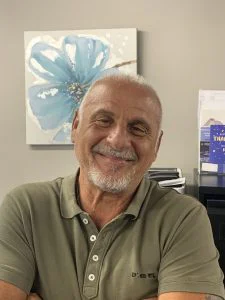
Andy turned a 24-year struggle with addiction into a life dedicated to helping others recover. After rebuilding his life through therapy, education, and family support, he earned a First-Class Honours Degree in Psychology with Substance Use and Misuse and qualifications in Counselling, Peer Mentoring, and Child Adverse Experiences. Formerly a Lived Experience Coordinator for the Forward Trust, Andy now leads PCP as Centre Manager, using compassion and first-hand insight to guide clients toward lasting recovery.

“If I can do it, anyone can.”

Get help and Fill in the Form Below

What We Do

We provide safe addiction treatment at one of our trusted residential rehab centres. All therapy is regulated by the Care Quality Commission and is provided by our experienced in-house lived experience team.

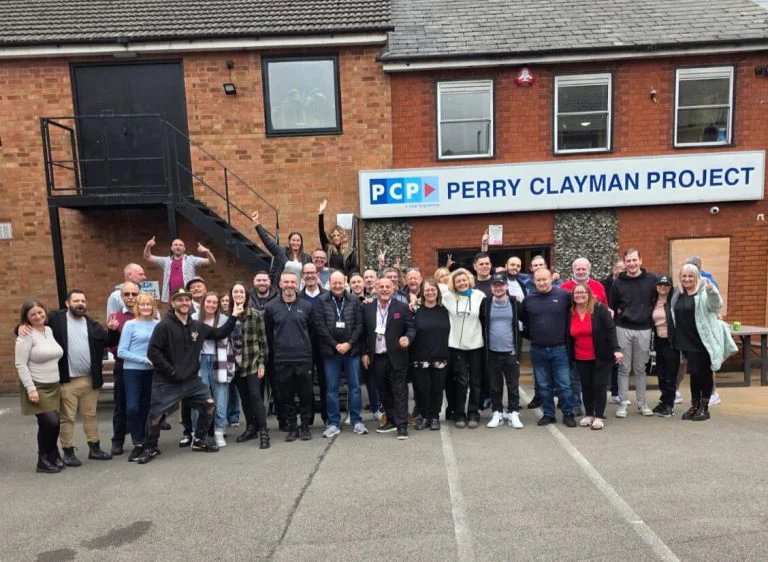
Rehab Today by PCP (The Perry Clayman Project) is a CQC-registered rehab clinic providing addiction treatment across the UK.

How We Can Help

Most of those suffering from addiction feel hopeless, no matter how much they want to stop, they fail time and time again. However it is possible to stop and to stay stopped! Our team has helped thousands to recover from active addiction. We are ready to help you overcome this deadly disease; are you?

Why Choose Us

We operate the UK’s leading drug and alcohol rehab centres and have been successfully treating people for over 20 years. We treat our clients with respect and dignity, and pride ourselves on creating a safe, comfortable environment for you to receive your heroin addiction treatment and start recovery.

How to Get Help

Getting professional help is the first real step to overcoming your heroin addiction. We invite you to use the live chat function or WhatsApp to get in touch with a member of our team or contact us via telephone for immediate support and admission. Call today on 0800 0380 480

"PCP's Alcohol and Drug Rehab Clinic has changed my mother's life for the better. I highly recommend their rehab services.