

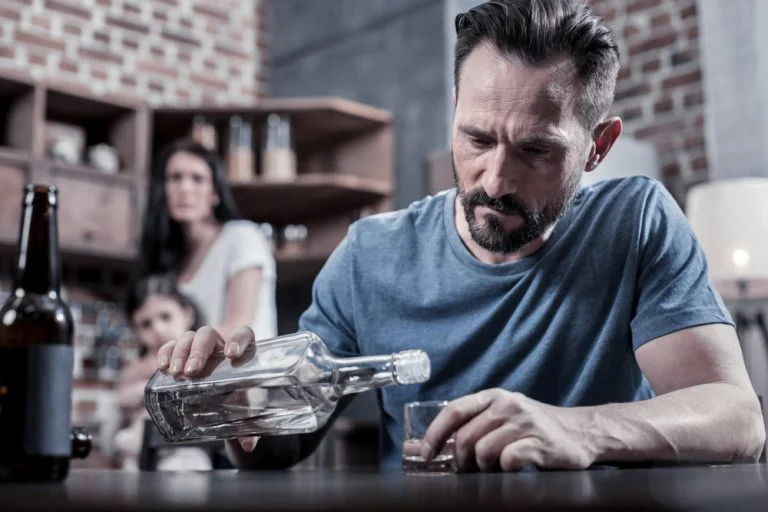



Being an alcoholic does not necessarily mean that you have lost all in life and are living in the gutter drinking cheap alcohol from a brown paper bag. For some, yes it does reach these depths and strip them of everything materialistic and take away their dignity. However, many people are commonly referred to as ‘functional alcoholics’—a term used to describe those who appear to manage daily life despite their addiction.
For others, functionally, they are able to hold on for quite some time before the cracks start to show, by which time it is often too late. These individuals may maintain outward success in their careers and relationships, making their alcoholism harder to detect. They eventually lose either their life or drive family and friends and everyone who cares for them, away.
Alcoholism is a very complex psychological condition that affects different people in different ways. Whether someone is a functional alcoholic or not, however alcoholism presents itself in an individual, it has the power to kill if left untreated professionally.
High functioning alcoholics may appear to be in control of their lives, maintaining careers and relationships, but often face hidden challenges such as denial, emotional distress, and difficulty seeking help. It can be hard to acknowledge that you are a functioning alcoholic. The fact you are still able to hold down a job, look after your children and run a home doesn’t fit the picture that is conveyed of individuals that suffer from alcohol addiction. Many people are struggling with alcohol in silence, managing to keep up daily functioning despite their dependence.
The belief that alcoholics lose everything, prevents those who need help and treatment from seeking it. It is easy to fool yourself if you are still able to turn up for work or get the children to school on time.
A functioning alcoholic is someone who is reliant on alcohol but is still able to function at a reasonable to high capacity, whether it be at work or as a parent. This ability to maintain daily functioning can mask the severity of their alcohol use. They tend to be what is referred to as “top up drinkers” or “binge drinkers”. High functioning alcoholics may develop a high tolerance to alcohol, requiring increasing amounts to achieve the same effects as before.
Whilst functioning, functioning alcoholics are able to carefully keep their alcohol levels stable to enable them to continue to achieve. Outside of committed “functioning time” they often drink much more, sometimes to black out or incapacitating levels, and may be unable to recall events due to memory lapses.
Take many celebrities, for example, they are still able to hold down their job and present a certain persona to the public, yet behind the scenes, they are in and out of rehab. Despite their outward success, the physical consequences of prolonged alcohol use—such as liver damage, heart disease, and other organ issues—can be severe and life-threatening. Before losing their job and celebrity status, they end up tragically losing their life. This not only applies to those with alcohol addiction, but to those suffering from drug addiction also. Those who continue to drink heavily face an increased risk of fatal health complications, regardless of their public image.
Celebrities that have lost their life due to alcoholism include:
Billie Holiday – Singer – Cause of death – Alcoholism, Cirrhosis of the liver (liver damage)
Errol Flynn – Actor – Cause of death – Alcoholism, Cirrhosis of the liver (liver damage) and heart disease
Oliver Reed – Actor/Director – Cause of death – Alcoholism
Peter Cook – Screenwriter/Actor/Comedian – Cause of death – Alcoholism, gastrointestinal haemorrhage.
George Best – Professional footballer/sports personality – Cause of death – Alcoholism
Amy Winehouse – Singer/Songwriter – Cause of Death – Alcoholism, alcohol poisoning and drug addiction
Richard Burton – Actor – Cause of death – Alcoholism, brain haemorrhage
The list goes on…
“I never saw myself as an alcoholic, yes I drank heavily, I enjoyed the lifestyle and networking that went with my career. Alcohol was my social lubricant, I felt I operated better with it. Often, I used alcohol for temporary relief from stress or emotional pain. I would turn up for work, on time, makeup and hair perfected and suited. I looked the part and was very successful.
“Only I knew that I had a bottle of vodka in my handbag all the time; only I knew that I was always mildly intoxicated as I topped up – but I didn’t see it as a problem, how could I? I had everything I wanted in life and had worked hard for it. Alcohol became my coping strategy for managing the pressures I faced.
“It was only when some blood tests came back for unexplained tiredness and swelling in my stomach, showing that I had the beginning of cirrhosis that I realised I was drinking too much. When I tried to cut back, I really knew I had a problem as I found I couldn’t continue drinking despite my intentions to stop.
“Once I knew, I could no longer deny the fact that I had an alcohol problem and was slowly killing myself. I took some time out and went to rehab, returned back to work and relapsed; it got a lot worse!
“14 months ago I finally stopped drinking through a second admission to a Rehab Today by**PCP alcohol rehab this time. They helped me to see it was a life or death situation and I had a choice to make. I have not yet returned to work; the pressure, stress and expectations were always a recipe for relapse, especially in the early days of recovery.
“I have a lot less in terms of money today but I am sober and much, much happier and healthier. The damage to my liver can’t be undone, so a complete lifestyle overhaul has been required to sustain my health and recovery, which today are so precious to me. I thank God I had the humility to accept help when I needed it and use a strong programme of recovery to prioritise and maintain my sobriety today”Jasmine, 46
Accepting help when you are a high functioning alcoholic could well save your life. Certain risk factors—such as high stress, demanding careers, or a family history of addiction—may increase the likelihood of becoming a functional alcoholic. We have already provided examples of functional alcoholics that perhaps you can relate to.
Many functional alcoholics are alcohol dependent (but not all) and require an alcohol rehab admission for medical alcohol detox and an alcohol rehab programme to safeguard their sobriety. Recognising alcohol dependency is crucial, as it often goes unnoticed in those who appear to manage daily responsibilities.
Regularly topping up your alcohol to stay on a level
Drinking at any time of the day to avoid alcohol withdrawal symptoms
Booking time off work or time away in order to binge drink
Juggling different projects, i.e work, family, hobbies in order to maintain the facade you are in control
Working long hours and possibly having a work addiction
Unable to switch off and relax without a drink
You need alcohol in order to function
Alcohol is affecting your health
You drink outside of committed working or family hours to excess
You may drink in the morning in order to operate and function effectively
Using other substances or substance abuse, or abusing medications to bring you up or down, depending on what the demands are for your day ahead and your physical needs
Others have expressed concern over your drinking
You think about alcohol A LOT and try to ensure you are never far away from it
You try to hide the truth of the amounts you are consuming
You feel guilty and pressured to keep on going
You think you have good ethics and morals, but look closer… are you drink driving? drug driving? operating heavy machinery? not available for the family emotionally when they need you?
You feel you are in control of your drinking, but it is a fine line and art you feel you have mastered
You are scared to admit to having a problem and lose control of what you consider important to you, your career, money, network, status, family etc
You feel that others depend on you and would not survive without you, and so you continue to bow to pressure
Attempts to stop result in alcohol withdrawal symptoms and so you continue
You very much lead a double life – the reality of your illness that is controlling you on one hand and the life you present to the world – that you are the one in control
Strained relationships with family or colleagues due to your drinking habits
The impact of your drinking on other family members, who may also need support
If you recognise these signs, seeking help is vital. Support groups, such as AA, can provide ongoing assistance, and consulting an addiction therapist can help you and your family cope with the emotional and psychological effects. There are a variety of treatment options for alcohol dependence, including residential treatment, outpatient programmes, and holistic treatments that address the whole person—not just the addiction. Professional treatment and alcohol treatment are necessary steps for recovery, and medical professionals can provide assessment and develop a tailored treatment plan. Comprehensive recovery programmes often include support for other family members and focus on healing strained relationships, ensuring a more sustainable and healthy future.
Living with a functioning alcoholic can be a uniquely challenging and emotionally exhausting experience. High functioning alcoholics often maintain an outward appearance of success—excelling in their professional life, fulfilling family obligations, and keeping up with daily responsibilities. This ability to function effectively can mask the underlying reality of alcohol addiction, making it difficult for family members and loved ones to recognise the warning signs of high functioning alcoholism.
Many high functioning alcoholics face a constant internal struggle, balancing their drinking habits with the demands of daily life. While they may not display the obvious physical signs of alcohol misuse, such as appearing intoxicated or missing work, their alcohol consumption can still have serious consequences. Over time, alcohol dependence can lead to health complications like liver disease, heart disease, and mental health disorders including depression and anxiety. The emotional pain and mood swings that often accompany alcohol use disorder can strain relationships, leaving family members feeling helpless, frustrated, or even guilty.
It’s important to remember that functioning alcoholism is just as serious as non high functioning alcoholism. The risks of alcohol abuse, binge drinking, and heavy drinking are present, even if the person seems to have a high tolerance or rarely appears drunk. Many high functioning alcoholics use alcohol as a coping mechanism for stress, anxiety, or other mental health issues, creating a vicious cycle that can be difficult to break without professional help.
The line between a heavy drinker who is still in control and a functioning alcoholic can be hard to distinguish. If you want rehab help or are still unsure if you need professional alcohol help and treatment, please call us for a free of charge consultation.
Our team of friendly professionals will quickly be able to deduce if you have a problem that needs addressing and can recommend an appropriate rehab programme that will help you to overcome your drinking problem before it destroys your physical health. It is important to consider all available treatment options, including personalised rehab plans and community-based support groups such as Alcoholics Anonymous, to support your ongoing recovery. Protecting your physical health and wellbeing is a key motivation for seeking help. Contact us for addiction advice.
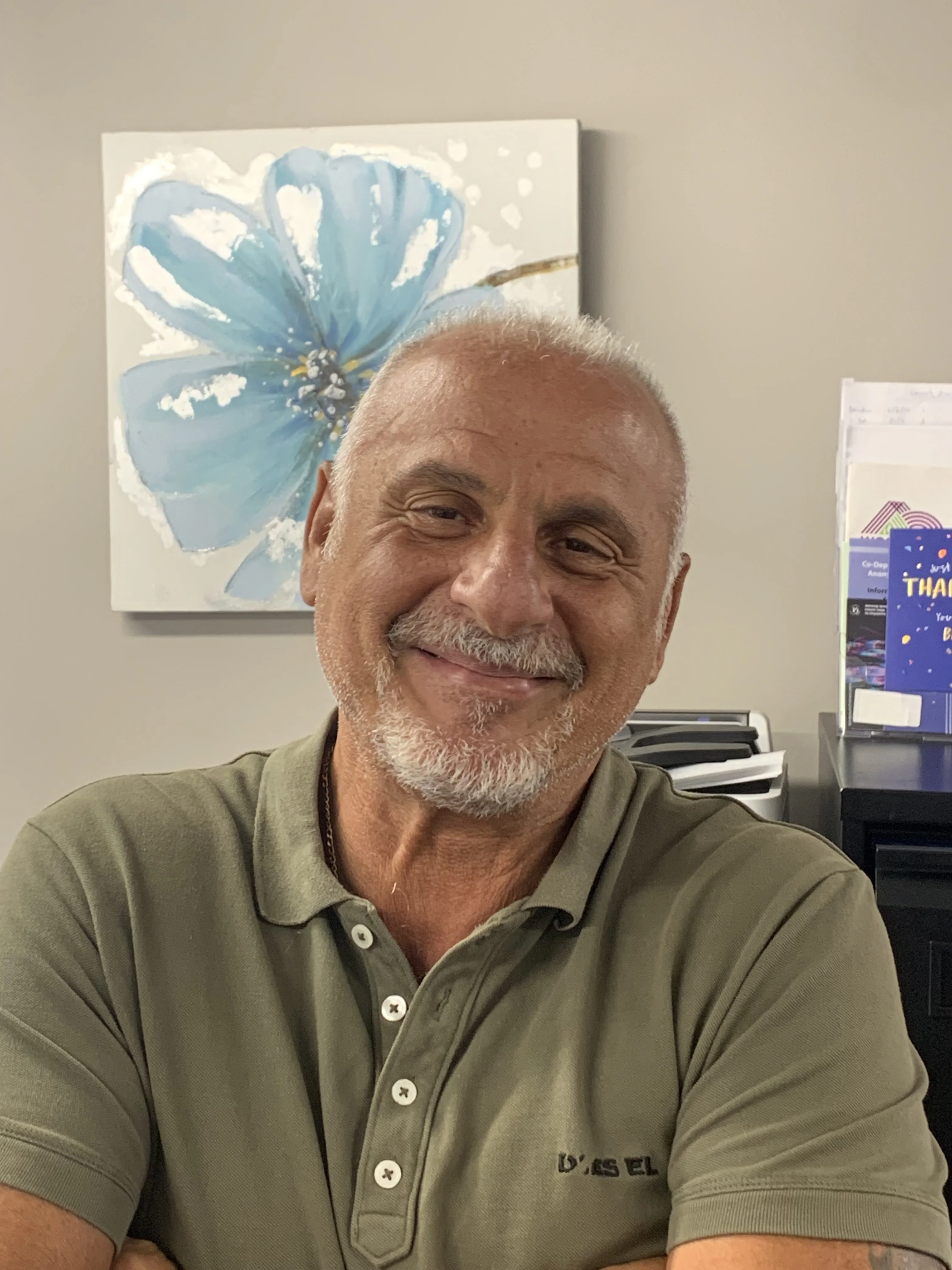
Andy's journey in psychology and substance recovery is marked by significant educational and professional achievements. He studied person-centred counselling, gained insights from psychological literature, and completed an online course on the mind. His hands-on experience includes volunteering at a drug and alcohol clinic and earning a diploma in child adverse experiences. Andy holds a first-class honours degree in Psychology with Substance Use and Misuse. Professionally, he has contributed as a Lived Experience Coordinator and counsellor, offering hope and empowerment to those in recovery.
Qualifications and Experience:
Introductory Course in Person Centred Counselling
Extensive study of psychological literature (including Carl Rogers and Freud)
Online course completion on the Mind from UCT
OCN peer mentoring course
Level 3 diploma in child adverse experiences
First-class honours degree in Psychology with Substance Use and Misuse
Experienced Lived Experience Coordinator for Probation, Dependency and Recovery service
| Cookie | Duration | Description |
|---|---|---|
| cookielawinfo-checkbox-analytics | 11 months | This cookie is set by GDPR Cookie Consent plugin. The cookie is used to store the user consent for the cookies in the category "Analytics". |
| cookielawinfo-checkbox-functional | 11 months | The cookie is set by GDPR cookie consent to record the user consent for the cookies in the category "Functional". |
| cookielawinfo-checkbox-necessary | 11 months | This cookie is set by GDPR Cookie Consent plugin. The cookies is used to store the user consent for the cookies in the category "Necessary". |
| cookielawinfo-checkbox-others | 11 months | This cookie is set by GDPR Cookie Consent plugin. The cookie is used to store the user consent for the cookies in the category "Other. |
| cookielawinfo-checkbox-performance | 11 months | This cookie is set by GDPR Cookie Consent plugin. The cookie is used to store the user consent for the cookies in the category "Performance". |
| viewed_cookie_policy | 11 months | The cookie is set by the GDPR Cookie Consent plugin and is used to store whether or not user has consented to the use of cookies. It does not store any personal data. |