



Fentanyl Abuse, Addiction & Dependence
Useful Links
Fentanyl abuse and addiction is not something that has previously been a problem for this country. However, times have changed and as street drugs in the UK have gotten stronger, drug dealers have become more creative in cutting street opiates, making them cheaper to buy and even more powerfully addictive. Taking opioids, especially without medical supervision, significantly increases the risk of opioid addiction and overdose deaths.
If you or a loved one are using Fentanyl illicitly or abusing a fentanyl prescription, it is vital that you seek professional help. Opioid use can quickly lead to dependence and addiction, with risk factors including genetic, psychological, and environmental influences. Women may be more likely than men to become dependent on prescription pain relievers due to unique risk factors. Stopping this heavyweight opiate is extremely difficult and not stopping it could cost you your life.
Street drugs are increasingly contaminated with synthetic opioids like fentanyl, which are often mixed with illegal drugs such as heroin, methamphetamine, and cocaine, or found in counterfeit pills distributed by drug dealers. These counterfeit pills and illegal drugs frequently contain synthetic opioids, which are a major cause of recent overdose deaths. Overdose deaths involving fentanyl are often linked to counterfeit pills and illegal drugs mixed with synthetic opioids.
What is Fentanyl?
Fentanyl, also spelt Fentanil, is a synthetic (man-made) opiate analgesic used to treat severe pain and also used in medical anaesthesia. It is classified as a schedule II controlled substance, meaning it is prescribed only for severe pain under strict medical supervision and oversight by licensed professionals. Your doctor is the best person to guide you on whether fentanyl is the right medicine for you, how much you need, and how long to take it for. Always check with your doctor or pharmacist before making any change to the dosage or type of medicine you take.
Fentanyl is also recreationally used and abused worldwide. Notably, in the UK it is often mixed with street Heroin and Cocaine – making these illicit Class A substances extremely volatile and unpredictable in their effects. Traces of fentanyl have also been found in street Oxycodone, counterfeit Xanax, Chemsex drugs, and Cannabis.
Many counterfeit prescription opioids and prescription pain relievers, including pills and nasal sprays sold illegally, may contain fentanyl and pose a high risk of overdose. Laboratory testing is crucial to verify the contents and potency of illicit drugs, as users cannot know the exact amount of fentanyl present without it, increasing the risk of accidental overdose.
The onset of fentanyl’s pharmaceutical effects is rapid, and the short-acting version of the drug typically has effects that last up to 2 hours. Slow-release fentanyl medications and transdermal patches can provide relief from pain around the clock.
Nasal sprays and pills sold illegally may be counterfeit and pose a particularly high risk of overdose. The dose of fentanyl must be carefully determined by a doctor, as even a higher dose can be extremely dangerous. Two milligrams of fentanyl can be lethal depending on a person’s body size and tolerance.
Street fentanyl generally comes in powdered form that can be smoked, snorted, swallowed, or prepared for injection. It is also available in tablets and on blotter paper. This illicit street fentanyl is very different from pharmaceutical fentanyl and extremely dangerous. Unused opioid medicines and pain medicines should be returned to any pharmacy for safe disposal.
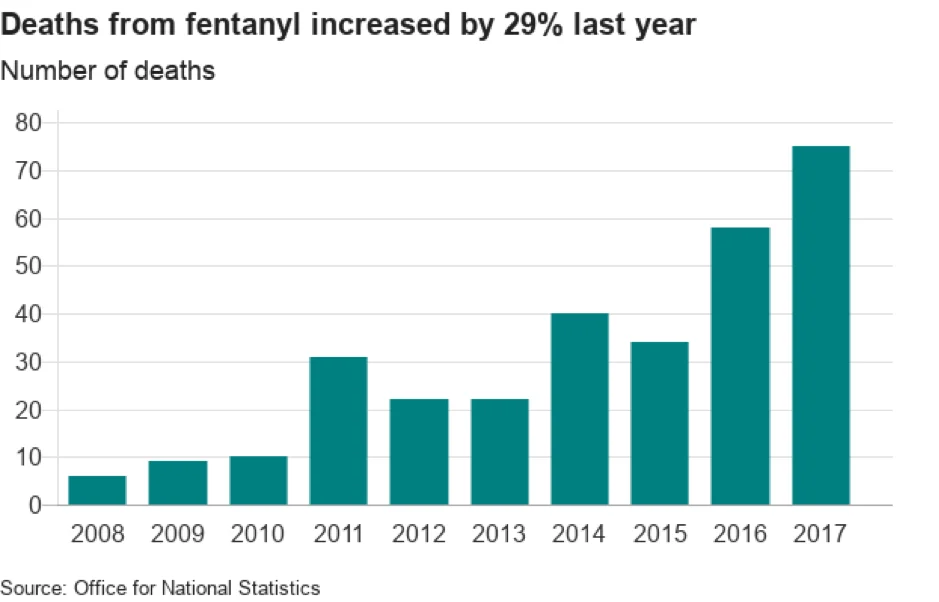
Fentanyl Related Deaths in England and Wales in 2017
Fentanyl has continued to play a significant role in the rise of opiate-related deaths in England and Wales over recent years. The availability of illicit fentanyl and its analogues has expanded, contributing to an ongoing increase in overdose deaths linked to synthetic opioids. These dangers are compounded by the widespread presence of counterfeit pills and illegal drugs often mixed with fentanyl, which significantly raises the risk of fatal overdoses.
Recent data from the Office for National Statistics (ONS) indicate that deaths involving fentanyl and its analogues have continued to rise beyond 2017 levels, reflecting a troubling trend in opioid-related mortality. While exact figures vary year to year, fentanyl-related deaths remain a critical public health concern, with synthetic opioids being a major driver of drug overdose deaths in the UK.
In 2022, opioid-related deaths in England and Wales continued to account for a large proportion of all drug misuse deaths, with fentanyl and its analogues increasingly implicated in these fatalities. This rise underscores the urgent need for awareness, prevention, and access to treatment services.
The Drug Enforcement Administration (DEA) and UK health authorities emphasize the importance of safe disposal of unused opioids to prevent misuse. In cases of suspected fentanyl overdose, immediate medical attention is vital, as timely intervention can save lives. Naloxone, an opioid overdose reversal medication, is increasingly made available to first responders and at-risk populations to combat the rising tide of fentanyl-related deaths.
Ongoing efforts focus on harm reduction, education, and comprehensive treatment options to address fentanyl addiction and reduce overdose fatalities across the UK.
Street Names for Fentanyl
Just like any other illicit street drug, Fentanyl has many names, Common street names for Fentanyl include: drop dead, serial killer, apache, He-man, china girl, goodfella, murder 8, jackpot, TNT and shine.
Many of Fentanyl’s street names and nicknames are representative of its lethal potency.
How Strong is Fentanyl?
Fentanyl is a very powerful narcotic drug. There is only one drug stronger than Fentanyl from the opioid family of drugs and that’s Carfentanil.
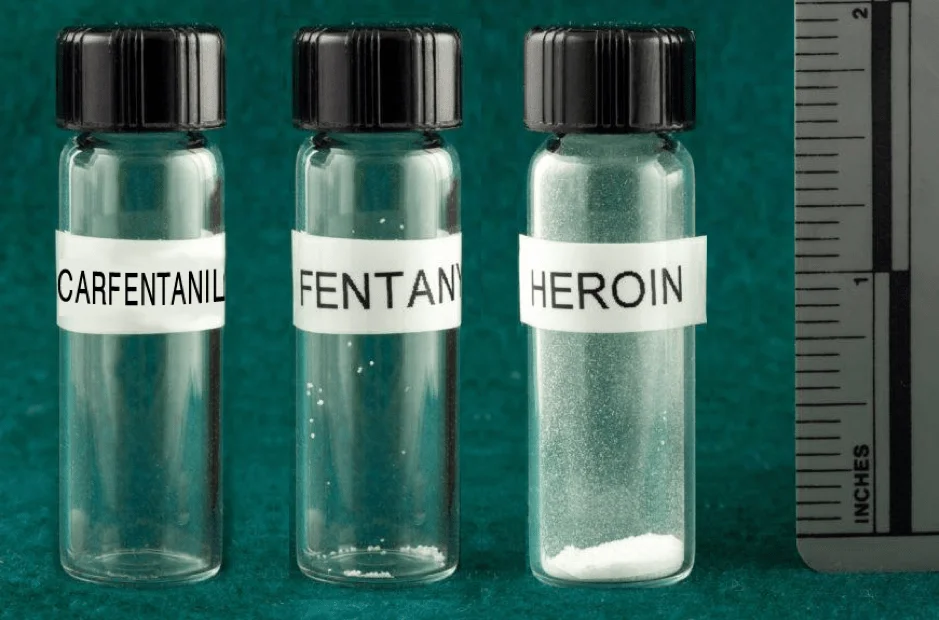
Fentanyl is up to 100 times stronger than morphine and up to 50 times stronger than street Heroin (depending on purity). A small amount of Fentanyl cut with street Heroin can easily overdose an individual who has no tolerance or previous experience with this drug.
Carfentanyl, also spelt Carfentanil, which is 10,000 times stronger than Fentanyl and used as an elephant tranquilliser, was first seen mentioned in death certificates in 2017 and accounted for 27 deaths.
It is a terrifying fact that these lethal illicit opioids are often unknowingly consumed.
Mixing Fentanyl with Other Drugs
As fentanyl is so strong, its effects can be unpredictable if a prescription is not followed to the letter. Abusing Fentanyl can cause death and the following combinations of drugs and Fentanyl are known to be particularly dangerous and can easily lead to overdose:
● Fentanyl + alcohol: increased respiratory depression and adverse effects
● Fentanyl + MAOI antidepressants: can result in severe and unpredictable reactions.
● Fentanyl + benzodiazepines: increased drowsiness and respiratory depression
● Fentanyl and heroin: increased effects of drowsiness and respiratory depression
● Fentanyl + cocaine: can result in severe and unpredictable potentially lethal effects
What Fentanyl is Used for
Medically, fentanyl is widely used throughout hospitals in the UK and is only legally available on prescription. Fentanyl patches are commonly prescribed to treat patients with chronic pain, especially cancer pain, and are used for long-term pain management, particularly in palliative care settings. Fentanyl is also used to treat acute severe pain caused by major trauma or surgery. As one of the most potent opioid medicines, fentanyl should only be used under the supervision of licensed healthcare professionals to treat patients with severe or chronic pain. Doctors may also suggest lifestyle changes and alternative therapies to help manage the effects of chronic pain. Many other treatments are available, including less addictive pain medicines and therapies that do not involve medicines.
Illicit Fentanyl is only associated with abuse, addiction and overdose. This drug should never be used for recreational purposes due to its unpredictability and addictive properties.
How Quickly Does Fentanyl Addiction Occur?
Fentanyl addiction occurs very rapidly, regardless of whether the drug is prescribed or abused. Taking opioids, even as prescribed, can quickly lead to opioid use disorder if not carefully managed. Opioid use triggers the release of endorphins, creating a powerful but short-lived sense of well-being that can contribute to addiction. For this reason, extreme caution is always exercised with its prescription. Opioids are safest when used for three or fewer days to manage serious pain, such as after surgery or a bone fracture, and patients should work with their healthcare professional to take the lowest dose possible, for the shortest time needed, exactly as prescribed.
Much like any other opiate, Fentanyl addiction and opioid use disorder can occur within 5 to 10 days of daily use. As it is so powerful you do not need to even use it daily to become physically addicted.
Some individuals inadvertently develop a use disorder by taking illicit street drugs that have been cut or mixed with it.
The Effects & Side Effects of Fentanyl
Like any drug of the opiate/opioid class, Fentanyl carries typical opiate side effects. The severity of these side effects depends on the dosage of Fentanyl and the individual’s tolerance to Fentanyl.
When used pharmaceutically, a titration process should be implemented by health care providers to ensure that the patient remains safe and not at risk of overdose from Fentanyl’s effects.
Effects and side effects of fentanyl include:
- Arrhythmias & palpitations
- Confusion
- Constipation
- Dizziness
- Drowsiness
- Dry mouth
- Euphoric mood
- Excessive sweating
- Flushing
- Hallucination
- Headache
- Miosis (excessive constriction of the pupil)
- Opioid dependence & addiction
- Respiratory depression (with high doses)
- Urinary retention
- Visual impairment
- Vomiting (more common on initiation)
Mixing Fentanyl with alcohol or other drugs, even over the counter medications, makes Fentanyl’s effects more pronounced and unpredictable. Fentanyl overdose only occurs when the drug is misused or abused.
Fentanyl Abuse
Any Fentanyl that is taken off prescription is classed as Fentanyl abuse, as is mixing Fentanyl with alcohol or other drugs, including prescription drugs and over the counter medications for more pronounced effects.
Deaths that result from Fentanyl result from taking it illicitly or from abusing a prescription. Fentanyl is safe to take when a doctor’s prescription is adhered to and not diverted from. Fentanyl and other prescription opioids are prescribed under medical supervision to manage severe pain, but misuse can be extremely dangerous.
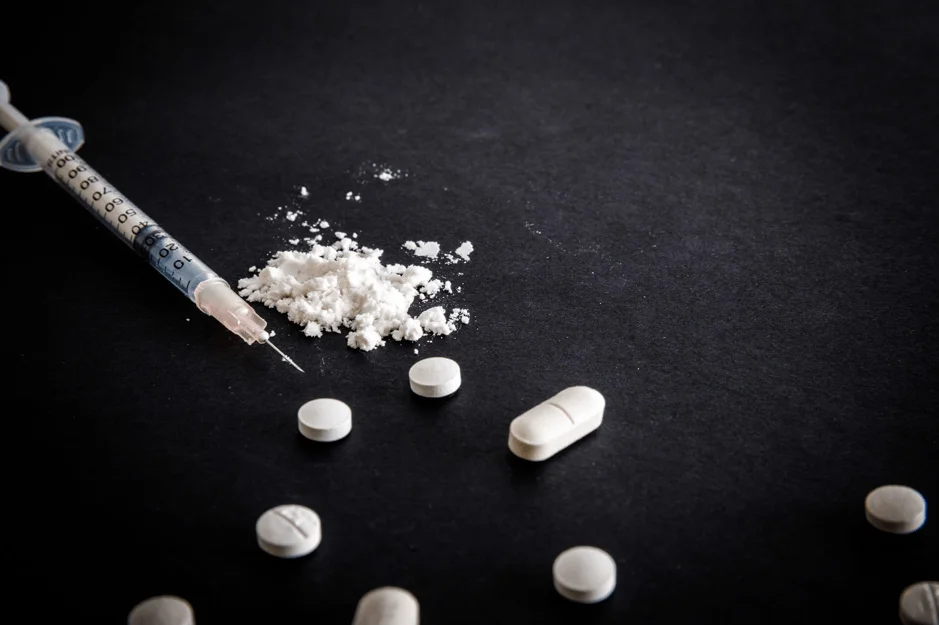
Another form of Fentanyl abuse is changing the route of administration for greater effect. Examples of this include crushing and snorting a tablet or injecting intravenously when the route is oral administration.
Fentanyl Dependence
Taking Fentanyl regularly over any protracted period of time, even when taken as prescribed, will result in Fentanyl dependence. Taking opioids or opioid medicines for longer than prescribed increases the risk of developing dependence and experiencing withdrawal symptoms.
As with an opiate drug, tolerance and dependence occur quite rapidly. If you are prescribed Fentanyl for more than 5-7 days it is likely you may well experience some unpleasant withdrawal symptoms.
If you have been taking Fentanyl in any form for more than a week, please speak to your physician regarding tapering off regime.
If you find you are unable to reduce the amount of Fentanyl you have been taking, even with the support of a doctor, an inpatient medical drug detox is recommended. This can be accessed through a private CQC registered drug rehab and is something that the Perry Clayman Project specialise in.
Fentanyl Dependence
Fentanyl dependence can occur even when following a doctors prescription. It is different for addiction as the medication is taken for the purpose intended and only for the duration it is prescribed.
Fentanyl addiction is more commonly associated with Fentanyl abuse.
Once physically dependent on Fentanyl a medical detox or reduction regime is required to ensure that the drug is stopped safely. Fentanyl withdrawal is extremely unpleasant and the strong drug cravings that this withdrawal produces makes it very difficult for a Fentanyl dependent individual to stop without professional support.
Fentanyl Addiction
Fentanyl addiction is more than just a physical dependence to Fentanyl. Even once the Fentanyl has been safely stopped through medical detox, an addicted individual will require a drug treatment programme in order to maintain their drug abstinence.
A comprehensive treatment plan, often bespoke and tailored to the individual’s needs, is essential for managing opioid addiction. This structured approach is developed in collaboration with healthcare professionals and may include alternative therapies and strategies to support long-term well-being.
Addiction occurs through structural changes in the brain taking place as a direct result of repeated exposure or abuse of an addictive drug. In the case of Fentanyl addiction, stopping the drug is rarely sufficient as the individual’s brain will remain in the same structurally altered state.
For anyone suffering from an addiction to Fentanyl, it is vital that professional addiction treatment is sought. Cognitive Behavioural Therapy (CBT) helps patients recognise and cope with triggers related to fentanyl addiction. Buprenorphine is often used as a first-line treatment to reduce cravings and withdrawal symptoms. Evidence-based addiction treatments have been proven to rewire the brain and teach valuable coping strategies, relapse prevention techniques and healing.
Relapse Rates for Fentanyl Addiction and Abuse
Relapse rates for any kind of addiction are high, estimated at between 40-60% and even higher for an individual with a chronic long term addiction. Addiction is a life-threatening disease that only ever gets progressively worse without treatment.
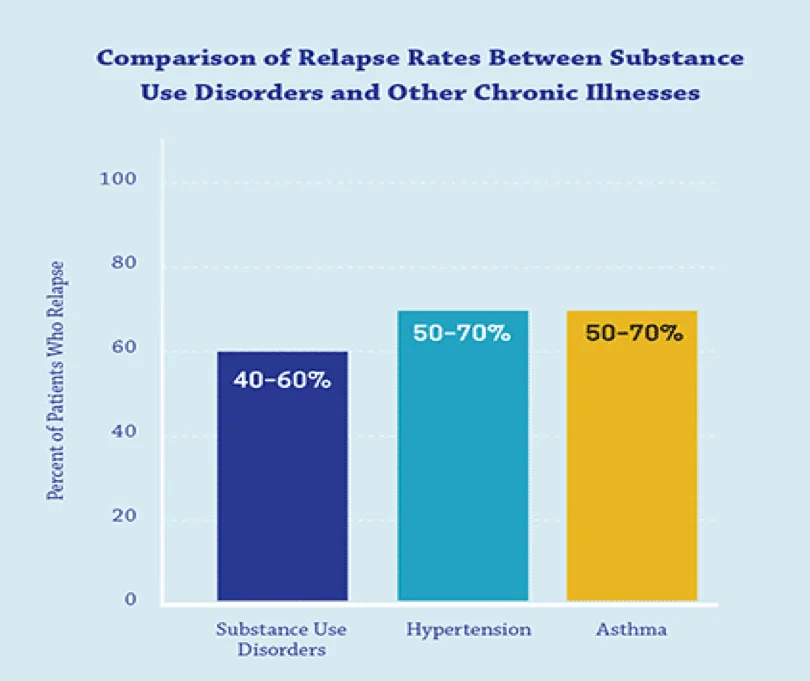
However, it is important to note, that with the correct treatment and support an addicted individual can access recovery and stay abstinent. Their chances of relapse are dramatically reduced by undergoing a comprehensive and bespoke drug treatment programme. Like any other disease or chronic illness, addiction requires bespoke treatment and continued support in order to overcome.
Fentanyl Withdrawal
Common Fentanyl Withdrawal Symptoms
Fentanyl withdrawal symptoms can occur within as little as a few hours after taking the last dose (depending on the route of administration and frequency of taking the drug).
Physical Withdrawal From Fentanyl – The Symptoms
Aches in bones and muscles
Abdominal cramps and aches
Brain fog
Diarrhoea
Excessive sweating
Goosebumps and chills
Headache
Insomnia
Lethargy
Muscle aches and cramps
Nausea and loss of appetite
Restlessness and listlessness
Strong drug cravings
Sneezing and watery eyes
Vomiting
Psychological withdrawal symptoms from Fentanyl include:
Anxiety
Agitation
Aggression
Depression
Hallucinations (auditory or visual)
Irritability
Strong drug cravings
Temporary psychosis
If you or a loved one are planning on stopping Fentanyl, it is very important that you seek medical and addiction advice first.
Coping with Fentanyl Withdrawal Symptoms
Coping with Fentanyl withdrawal symptoms can be extremely hard, especially if you suffer from addiction. You will not only physically crave the drug but mentally obsess over it too. This can prove to be too much for many suffering from addiction and is what leads them back to relapse.
As one of the strongest opioids available, Fentanyl withdrawal symptoms can be extremely distressing and if not managed medically they can become life-threatening.
Fentanyl withdrawal symptoms occur when there is a dependence on the drug and when any less than the body and brain has become accustomed to is taken. Withdrawal symptoms can also occur when the body has developed a tolerance to a certain dosage of the drug.
A medical Fentanyl detox will drastically reduce the severity of opiate withdrawal symptoms to manageable levels and shorten the duration of withdrawal. Clinically, it is proven to be the safest way to stop any opiate/opioid dependence and is the first step to recovery from addiction.
By detoxing from Fentanyl within a drug rehab you will not only benefit from a full medical drug detox but you will also have vital psychological support as well as valuable input and help from qualified drug counsellors.
Drug rehab also provides a safe, recovery focused drug-free environment, which will provide you with the opportunity to fully recover and learn essential relapse prevention techniques.
Signs of Fentanyl Overdose
Recognising the signs of Fentanyl overdose could potentially save a life. If you spot these symptoms in another it is important to contact the emergency services immediately:
Fentanyl overdose is often fatal – The symptoms include:
Pinpoint pupils
Unresponsive to stimuli
Cold clammy skin
Slowed or irregular respiratory rate
Bluish tinge to the lips and skin
Seizures
Extreme drowsiness
A fentanyl overdose is a type of opioid overdose and requires immediate medical attention to improve the chances of survival. Prompt response is critical, and access to overdose-reversing medications like Naloxone—available for free through some government programs—can be lifesaving.
How Long Fentanyl Stays in Your System
How long Fentanyl stays in your system will be dependent on a number of factors that are personal to you.
Factors that can affect how long Fentanyl stays in your system include your BMI, your metabolic rate, age, gender, how long you have been taking the drug for and the dosage of the drug, other medications or drugs that you may be taking and the method of detox.
With Fentanyl transdermal patches, lozenges and tablets, the drug takes approximately 3 – 5 days to be completely eliminated from your system. Fentanyl can be detected in urine for up to 3 days after taking it. With chronic long term use, detection times can be longer.
Free Treatment for Fentanyl Addiction
If you or a loved one need free treatment for opiate addiction or dependence, please contact your local drug and alcohol services and your GP.
Regardless of whether you have been taking Fentanyl illicitly or legally, you are entitled to free help on the NHS. Drug and alcohol teams provide keywork support and groups for those struggling with a substance misuse problem. You can refer yourself directly if you would prefer not to go through your doctor.
12 Step Meetings For Fentanyl Addiction
Narcotics Anonymous UK provides free support and self-help groups for addicts seeking recovery from substance addiction.
Private Treatment and Rehab for Fentanyl Addiction
Fentanyl addiction can be treated successfully at any one of our four CQC registered private rehab centres. Rehab Today by PCP will provide you or your loved one with a full medical Fentanyl detox and bespoke drug rehabilitation programme.
We treat the root causes of drug addiction using the latest in evidence-based addiction treatments and techniques, giving our patients the best chance of successfully overcoming their addiction once and for all.
To find out more about our Fentanyl detox programmes and fentanyl recovery programmes please call us directly or complete our online assessment form and we will call you.
Sources: