

When a loved one is caught in addiction, the people around them are always left asking the same painful question: Why don’t they just stop?
But the reason that makes that question so hard to answer is that addiction was misunderstood for a very long time. Treat as a weakness or a choice, it left both those living with it and those watching without any real explanation for what was happening.
This is why the psychology of addiction is important to understand, as it moves the main question from “why won’t they stop” to “what’s actually causing this.” This allows families and loved ones to respond with support instead of judgment. It’s also the first step toward knowing how to help, whether that means supporting someone you love or finding the right treatment for them.
On this page, we’ll focus on the psychology of addiction, including:
The psychological causes of addiction
Why do people become addicted
How addiction changes the brain and its reward system
The main addiction theories
The role of trauma
How addiction and behaviour are linked
Where to get the help you need for recovery
What Is the Psychology of Addiction?
For decades, those who suffered from addiction were treated as though it was their moral failing or a complete lack of willpower. The evidence nowadays suggests something very different, that it’s a condition influenced by biology, psychology, and the environment the person is in.
The DSM-5 folded the older categories of “abuse” and “dependence” into a single diagnosis called “substance use disorder,” which is measured on a scale from mild to severe and acts as one framework covering 10 distinct substance use disorders recognised medically. Within the wider category of addictive disorders, this is quite the difference from how older generations viewed addiction.
It’s also important to understand how two well-known terms, dependence and addiction, are very distinct from each other.
A physical dependence is when a person becomes physically reliant on a certain substance, where, if it’s taken away, the body reacts.
Addiction, on the other hand, is a behavioural condition characterised by compulsive use and a loss of control over it.
This is why addiction is best understood through the biopsychosocial model, which shows that it grows out of the interaction between:
Biological factors, like genetics
Psychological factors, like trauma
Social factors, like the environment
It’s important to note that no single one of these explains addiction, but the interaction between them all does.
The risk factors for why people become addicted
Many risk factors sit behind why a person can become addicted to a substance or behaviour, including substance use disorders and other addictive disorders, and some can even stack on top of each other. This is why environmental factors can help explain why two people in a similar situation may have completely different outcomes.
Genetics
Genetics has a big say in addiction, with research finding that 40 to 60% of the risk of addiction is heritable, and research also looks at genetic markers linked to vulnerability, though these do not determine outcome on their own. For alcohol addiction specifically, this number sits at around 50%. But it’s worth noting that there isn’t a specific “addiction gene”, and that range is a population estimate, not a sentence passed on any individual.
Risk Factors for Addiction
Addiction does not develop in a vacuum—there are multiple risk factors that can make some individuals more vulnerable than others. Genetics play a significant role; people with a family history of addiction are at a higher risk of developing substance use disorders themselves. This genetic predisposition can affect how the brain responds to addictive substances, making it easier for some individuals to become dependent.
Environmental factors are equally important. Growing up in an environment where addictive substances are readily available or where substance use is normalised can increase the likelihood of experimenting with and becoming addicted to drugs or alcohol. Stressful life circumstances, exposure to trauma, or living in communities with high rates of substance abuse can also contribute to the risk.
Psychological factors, such as co-occurring mental health disorders like depression, anxiety, or PTSD, further elevate the risk of addiction. Individuals may turn to addictive substances as a way to self-medicate or cope with emotional pain. Recognising these risk factors is crucial for both preventing and treating addiction, as it allows for early intervention and tailored support that addresses the unique needs of each person.
Environment and timing
Many aspects of a person’s environment and environmental factors can contribute to the risk of addiction, including:
Childhood adversity
Peer influence
Poverty
Easy access
The age at which someone first uses
Almost 50% of people in England have experienced at least one ACE. People with 6 or more ACEs die nearly 20 years earlier. Repeated ACE exposure can also cause physical damage to the immune system.
That last point is important to take into consideration, as the adolescent brain is especially vulnerable. This is because an area of the brain known as the prefrontal cortex is responsible for judgement and impulse control. During adolescence, this area is still maturing, meaning an introduction to substances or addictive behaviours during this time can increase the likelihood of developing addictions later in life.
Mental health
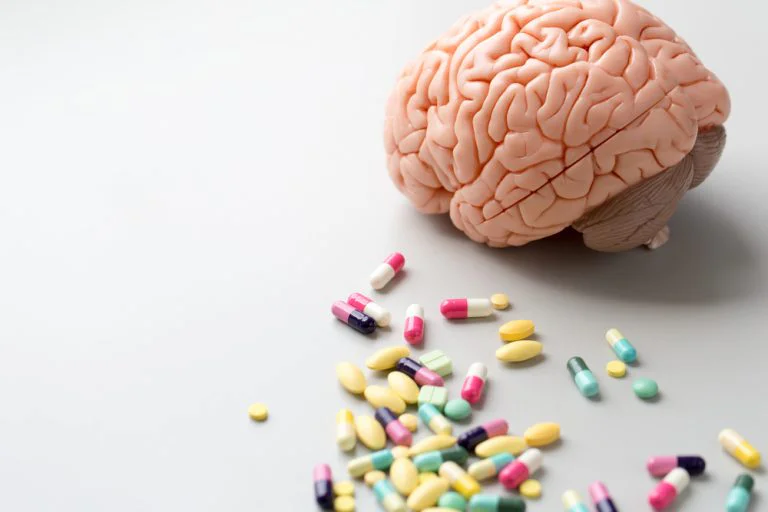
Existing mental health difficulties certainly raise the risk of developing an addiction, which is why addiction appears frequently alongside conditions like depression and anxiety. Psychological factors can also include an inability to cope with strong feelings and low distress tolerance, which may leave people struggling more vulnerable to harmful coping patterns. Denial and minimisation can also keep someone locked in addiction and delay help-seeking, while substance use may worsen mental health issues over time.
It’s also why good treatment looks at both the addiction and the mental health difficulty behind it, rather than one in isolation. If you’d like to learn more about co-occurring addiction and mental health conditions, and how they’re treated specifically, we’ve created a page just for this.
How addiction changes the brain

Once use becomes a regular part of life, the brain changes as the body adapts to repeated exposure, and those adaptations turn something that was once a choice into a compulsion.
The clearest map of this behaviour comes from well-known research which describes addiction as a three-stage cycle.
The first stage is binge and intoxication. This is driven by the reward circuitry within the brain and builds habits seen in drug addiction.
The second is withdrawal and negative affect, which is driven by the stress system. This is when anxiety and low mood take over as the substance or behaviour is taken away.
The third, which is fuelled by the prefrontal cortex, is known as preoccupation and cravings. This is the stage where the weakened ability to resist the urge of using is found.
What this helps to explain is that in the early stages, use is driven by reward and pleasure. But as the brain adapts, the motivation makes a U-turn, and use becomes driven by relief from withdrawal symptoms. The reward system grows less sensitive, and some addictive substances can trigger dopamine surges up to 10 times higher than natural rewards, making normal pleasure hard to feel unless the substance or behaviour is involved. Chronic substance use can also alter brain structure and reduce dopamine receptor levels over time.
The reward system and dopamine
No part of addiction is more misunderstood than dopamine. The popular idea that it’s the brain’s “pleasure chemical” is wrong, and the correction matters.
The key research separated two things that look identical from the outside, wanting and liking. In rat brain research, when researchers depleted dopamine, the animals’ enjoyment of a sweet taste stayed normal, but the wanting disappeared. Dopamine is released dopamine within the reward pathway in response to rewards and reward-linked cues, and this helps explain why they no longer sought the reward at all.
So dopamine drives wanting, the motivational pull toward a reward and the cues tied to it, a process often described as incentive salience, not liking, the actual enjoyment of it. With repeated use, the system becomes hypersensitive to the substance and its cues, so the wanting escalates while the liking does not, reinforced through reward learning.
This explains one of addiction’s cruellest features in that a person can crave a substance intensely while no longer enjoying it at all. Some substances can produce dopamine surges up to 10 times higher than natural rewards, intensifying this process.
Psychological theories of addiction
So the biology of addiction sets the stage, but the psychology behind it explains the behaviour. In psychology literature, several models each capture a piece of it and help shape different treatment approaches, including in clinical settings when treating addiction.
Social learning theory
This theory suggests that much of addiction runs on learning, with addictive behaviours repeated through experience. Aspects like people, places, feelings, and drug cues, constantly paired with use, become triggers that set off the cravings on their own. Then the behaviour is reinforced, first through positive reinforcement, then by relief from withdrawal.
Attachment theory and the self-medication hypothesis
Although these are two separate theories, they’re very closely linked. Attachment theory suggests that those who struggle with regulating their emotions in relationships may use substances as a substitute for a secure connection, and as emotional regulation breaks down, this can also damage family relationships.
The self-medication hypothesis is linked here, as it suggests that people use to manage painful feelings, choosing the substance that best soothes their distress, and these patterns can continue despite harmful consequences, with the resulting dependence affecting every part of a person’s life.
Trauma and Addiction
Of all the psychological drivers of addiction, trauma is among the most powerful and well documented.
One study, which surveyed more than 17,000 adults, found a strong link between childhood adversity and later substance problems and substance abuse.10 Those with four or more adverse experiences, known as ACEs, faced a huge four to twelvefold increase in the risk of developing alcohol or drug problems.10 Individuals with 6 or more ACEs die nearly 20 years earlier.
Heartbreakingly, this link continues into adulthood, with those who have PTSD four to five times more likely to develop a substance use disorder than those without it.
The link is complex, but the idea is that trauma dysregulates the body’s stress response, and substances become a way to soothe that dysregulation. This is why trauma-informed care in addiction recovery is so important, and why treating both the trauma and the addiction is vital for a full recovery, because addiction affects both mind and body, not just behaviour.
If trauma is something that you or your loved one is facing, our team can help, and you can find out more on our trauma treatment page.
Substance, Behavioural Addictions, and Addictive Behaviours
So far we’ve talked about substances, but you may have noticed the word “behaviour” appearing alongside them throughout this page, because addiction can include behavioral addiction as well as substance-related problems.
Addiction incorporates a lot more than substances and the DSM-5 took a significant step in recognising gambling disorder as the first behavioural addiction, placing it alongside substance disorders rather than in a category of its own. The World Health Organization recognised Gaming Disorder in 2018. addictions addiction is broader than substances alone and can include compulsive activities that bring immediate reward despite negative consequences.
The reason comes back to everything covered above. Research shows these behavioural addictions run on the same reward, motivation, and learning systems as substance addictions. The same wanting, the same conditioned cues, the same hijacked reward circuitry. It’s a sign that addiction is fundamentally about the brain’s reward and learning machinery, not the substance itself.
This is still a developing area, and some features translate imperfectly from substances to behaviours. But the core overlap is well established, and it reframes addiction as something broader than drugs and alcohol alone.
How recovery changes the brain
After everything addiction does to the brain, it would be easy to assume the damage is permanent. It isn’t, and this is the most important part of the whole picture.
The same capacity for change that allows addiction to take hold is exactly what makes recovery possible. The brain’s neuroplasticity, its ability to rewire itself through repeated experience, works in both directions.
Imaging studies show that the executive functions worn down by addiction can recover with sustained abstinence, and that dopamine signalling can partly normalise. The catch is the timeline. This recovery is gradual, unfolding over months to years rather than days, and claims that the brain heals in some fixed number of days aren’t supported by the evidence.
Recovery is best understood as a process of relearning. It may include complete abstinence as a long-term goal for some people. It means building new sources of reward that have nothing to do with the substance, forming new habits, and strengthening alternative pathways through practice so progress can hold in everyday life.
Why therapy is the backbone of addiction treatment and recovery
If recovery is a process of relearning, then psychotherapy is how that relearning is done with intention rather than left to chance. It’s the backbone of nearly every effective treatment programs pathway, whether someone is supported in the community or in a residential setting. Outpatient treatment programs allow patients to live at home during recovery, while residential care offers more structure. Therapy works directly on the psychology that this whole page has been describing.
Detoxification is often the first stage of addiction treatment. Residential rehab programs typically last from 28 days to 6 months.
Much of addiction, as we’ve seen, is built on learned associations and the thought patterns that sustain them. Therapy within addiction recovery programmes targets exactly that. Rather than focusing only on the substance, it works on the thinking and the triggers underneath the behaviour, helping people understand that addiction is a treatable condition. This therapeutic work may take place in one-to-one sessions or group therapy.
Cognitive behavioural therapy
Cognitive behavioural therapy, or CBT, is one of the most widely used within addiction treatment. It helps a person recognise the thoughts and beliefs that drive their use, then build healthier ways of coping in the situations that would normally lead to it. A large part of CBT is relapse prevention, learning to spot high-risk moments before they take hold.
Motivational interviewing
Motivational interviewing takes a different angle. Rather than telling a person why they should change, it draws out their own reasons for wanting to, working through the ambivalence that so often keeps people stuck. It’s collaborative rather than confrontational.
Trauma-focused therapy
Because trauma sits underneath so much addiction, therapies that address it directly are often essential. Dialectical Behaviour Therapy is another trauma-informed approach used in addiction care, focusing on emotion regulation and mindfulness while also teaching distress tolerance and interpersonal effectiveness skills that support recovery. Approaches like EMDR work on the wound driving the use, which is why treating the trauma and the addiction together tends to produce far better outcomes than treating either alone.
Whichever approach is used, the common thread is the same. These therapies rewire the learned patterns at the heart of addiction, which is precisely what makes lasting recovery possible.
Speak To Rehab Today
If anything on this page hits close to home, whether for yourself or someone you love, that recognition means a lot more than you might initially think. Once you’re able to spot these signs early, you’re able to seek the help needed sooner. In a lot of cases, addictions get worse and more difficult to treat the longer someone is unaware of the warning signs.
Rehab Today provides confidential assessments to help make sense of what’s going on in your world and work out the next best step for you. If it’s determined that a residential stay is your next best option, we have dedicated addiction treatment programmes across the UK and London, led by a team of professionals who understand the psychology behind addiction and how to treat it, with clinical oversight grounded in addiction medicine. Support can also include family therapy as part of treatment, helping loved ones understand addiction, improve boundaries, and play a healthier role in recovery. This strengthens recovery and improves long-term sobriety. Supportive family environments reduce relapse rates significantly, and over 50% of recovering addicts cite family support as crucial. Private rehab treatment costs start from £4,500, and payment plans are available.
Placeholder – I was thinking a quote from your clinician on how reaching out sooner rather than later can make all the difference in recovery.
From our Director and Founder Perry Clayman “Reaching out sooner rather than later can be the difference maker in treatment. Once acceptance has been acknowledged the real work can get started in our centres”
Understanding why addiction happens is one thing, but acting on that knowledge changes the outcome entirely. Contact Rehab Today, and we’ll help you figure out where to go from here.
Frequently Asked Questions
Why do people with addiction get cravings and withdrawal symptoms?
Cravings for a drug are set off by cues like certain people, places, moods, and overall stress, and by drug cues the brain has linked to reward. They’re the brain’s learned response to things once paired with drug use, and these triggers can activate the reward pathway even after drug use has stopped. This is why cravings can appear out of nowhere long after someone stops. They’re a predictable part of how addiction works.
Why does addiction become compulsive?
In the earlier stages of addiction, the use of the drug or behaviour is driven by reward, but as the brain adapts, motivation shifts toward relief and compulsive drug use, with compulsive drug seeking becoming more likely. But, as the brain adapts, the use now becomes a way to relieve the person of any unwanted symptoms. The behaviour is now changed from something that is a choice to something that feels compulsory, and while drug dependence can involve adaptation and withdrawal, addiction also includes loss of control and continued use.
Why is relapse so common in addiction recovery?
Relapse can be set off by high-risk situations, unique to the person. It could be revisiting an old friend they used to use with or entering a bar they frequently used to drink in. But a relapse is considered a single slip if it’s dealt with effectively afterward. This is why having a supportive network of people or professional support is so important. Short-term residential programs average 3 to 6 weeks. Long-term residential treatment usually lasts 6 to 12 months for more complex needs. Relapse prevention often includes ongoing support from treatment approaches matched to the person.
Author
-
 View all posts
Dr Otulana is PCP’s longest-serving doctor. He is an experienced Physician with Specialist Interest in Substance Misuse Management and he has a wide range of experience in the assessment and management (including detoxification) of clients with various drug and substance addiction problems. Dr Otulana started practising as a doctor in 2000 and with over 10 years as an Addiction Physician. He is an Advanced Addiction Practitioner Member of Addiction Professionals and also holds the Certificate in Clinical Psychopharmacology (Part 1) of the British Association for Psychopharmacology. He is additionally a strong healthcare services professional with a Master of Business Administration (M.B.A.) degree from Cambridge University Judge Business School.