
- Home
- How Long Alcohol Stays in Your System: Breath, Blood, Urine & Saliva
How Long Does Alcohol Stay in your System and Other Parts of Your Body: Breath, Blood, Urine
Useful Links
If you are drinking alcohol regularly or have a job that requires you to be alcohol-free, you may want to know how long alcohol stays in your system and how long it can be detected using various testing methods. The alcohol stay in your body refers to how long alcohol remains detectable in different parts of the body, such as blood, urine, saliva, and hair. Many people ask, “how long does alcohol stay in your system?” because the detection window for alcohol varies depending on the type of test used.
Monitoring or testing for alcohol use is important for those who need to demonstrate sobriety for work, legal, or health reasons.
The important thing to remember with alcohol is that if you are operating heavy machinery or driving, alcohol can stay in your system throughout the following day.
This can result in impaired decision-making skills, poor judgement and loss of coordination. It could also result in a positive alcohol test which brings with it a whole host of negative consequences. Alcohol detection tests, such as blood, breath, urine, saliva, and hair follicle tests, each have a different detection window for identifying alcohol use, so understanding these timeframes is crucial for accurate monitoring.
Know Your Drink Drive Limit
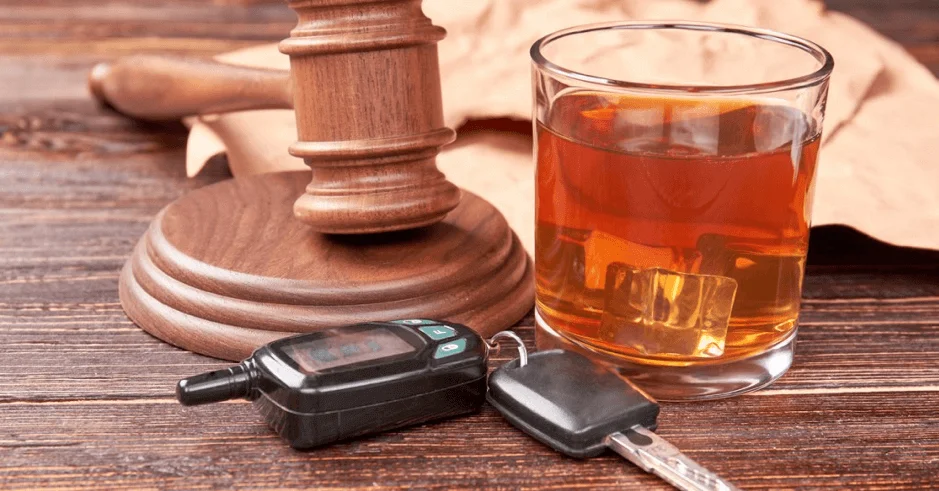
There are strict alcohol limits in place for the UK’s drivers, but it is impossible to say how many drinks this equals and what is deemed a safe amount of alcohol for each individual.
Every person reacts differently and metabolises alcohol at a different rate.
The safest amount of alcohol to consume when driving is – zero. This cuts out any ambiguity and the risk of any road traffic accidents resulting from drink driving or driving whilst impaired by alcohol.
Factors that can affect how long alcohol stays in your system include:
- Gender
- BMI (body mass index)
- Age
- Metabolic rate, which can also fluctuate according to stress levels, fitness levels and activity levels
- Any medications
- Any other drugs
- Whether food has been consumed
England, Northern Ireland and Wales have different drink drive limits to Scotland.
| Level of alcohol | England, Wales and Northern Ireland | Scotland |
| Micrograms per 100 millilitres of breath | 35 | 22 |
| Milligrammes per 100 millilitres of blood | 80 | 50 |
| Milligrammes per 100 millilitres of urine | 107 | 67 |
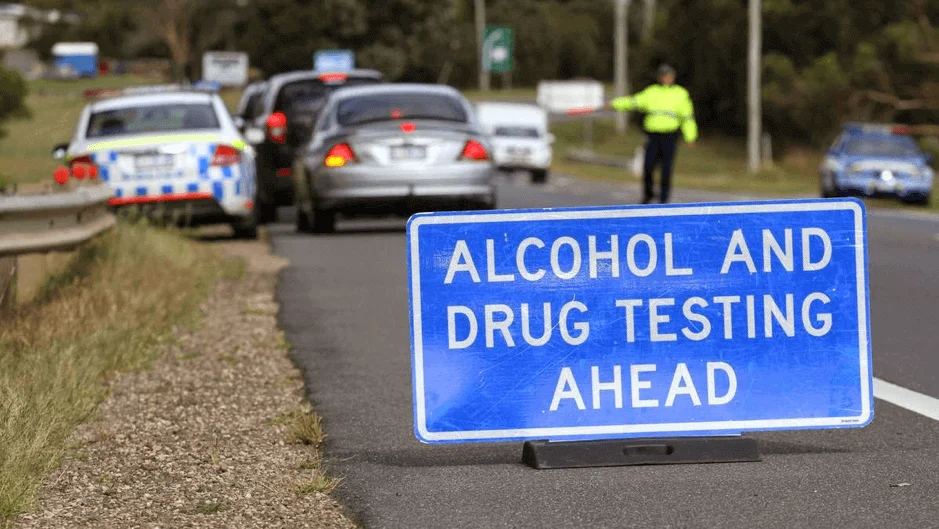
In the UK there are strict drink driving penalties for anyone caught over the limit of alcohol deemed safe. This can result in a hefty fine, loss of driving licence and even a prison sentence.
Any driver who tests positive for alcohol in the UK will be banned from driving any vehicle for at least 12 months and receive a fine of up to £5,000. If caught over the limit you will also receive between 3 and 11 penalty points on your driving licence.
Where a serious or repeat offence is committed a custodial sentence of up to 6 months imprisonment can be the cost of driving over the government’s drink-drive limit.
It is also worth considering that if you need to be able to drive for your job, or to and from work as your only means of transport, that you could well lose your job as a further consequence of providing a positive alcohol specimen.
How Long Can Alcohol Be Detected in Your System?
The length of time that alcohol can be detected in your system depends on the type of alcohol test used.
Different tests can detect within a shorter or longer time frame alcohol remaining in your body. In these tests, alcohol is measured as blood alcohol concentration (BAC), which reflects the amount of ethanol present in your bloodstream, breath, or urine, rather than the total amount consumed.
Other factors that affect the rate alcohol leaves your system are: BMI (body mass index), age, tolerance to alcohol, gender, metabolic rate, type and strength of alcohol, the volume of alcohol, any medications and whether you have eaten any food. Alcohol metabolism varies between individuals and influences how quickly alcohol is processed and eliminated, which in turn affects detection times.
How long does alcohol show up on a breath test for?
Breath tests are commonly used to detect alcohol in your system. These tests can identify alcohol present in your breath for between 12-24 hours after consumption.
How long does alcohol show up on a urine test for?
Urine tests are commonly used for detecting alcohol in individuals. These tests often identify alcohol metabolites, which are byproducts produced during the body’s metabolism of alcohol and can extend the detection window beyond the presence of alcohol itself. The process of detecting alcohol in urine samples involves measuring both alcohol and its metabolites, allowing for a positive result for up to 72 hours after consumption.
How long does alcohol show up on a blood test for?
Rehab Today by PCP offers a full medical alcohol detox for anyone with a dependence on alcohol. Clinically, medical alcohol detox is proven to be the safest way to withdraw from alcohol.
At our detox and rehab centres, our doctors comprehensively assess our clients on admission for alcohol or drug dependence. Blood tests may be used to measure blood alcohol content (BAC), which determines the amount of alcohol present in the bloodstream. This is how alcohol is measured in blood samples, providing an accurate assessment of recent alcohol consumption.
In the case of an alcohol dependence being identified, we will prescribe medication that will help to alleviate the majority of alcohol withdrawal symptoms and drastically reduce the chances of life-threatening symptoms developing.
Whilst you are undergoing an alcohol detox with us, you will be supervised throughout by our dedicated team of Counsellors, therapists and medical staff.
By undergoing an inpatient medical detox, you are vastly increasing your chances of successfully stopping alcohol without endangering your life.
Will an Alcohol Detox be Enough to Stop me Drinking?
Alcohol can show up in a blood test for up to 6 hours after consumption, as alcohol remains detectable in the bloodstream for this period. Blood tests are often used in a court of law as they show the percentage of the volume of alcohol circulating in the blood, which is what these tests measure.
How long does alcohol show up on a saliva test for?
Saliva tests are used to detect alcohol by identifying specific alcohol markers that indicate recent alcohol use. Alcohol remains detectable in saliva for up to 24 hours after consumption.
How long can alcohol be detected in a hair strand test?
Alcohol can show up in a hair strand test, also known as a hair follicle test, for up to 90 days post consumption.
Hair follicle tests detect alcohol markers, such as EtG and FAEEs, which are metabolites deposited in hair and can indicate patterns of alcohol use over time.
This type of testing can be useful in identifying long-term alcohol use or alcohol use disorder.
Alcohol Testing in The Workplace
More and more companies are using alcohol testing in the workplace to identify individuals that have a problem or that could be considered a danger to themselves or to others in the working environment. Workplace alcohol testing is often used to identify alcohol abuse, which can have serious health and safety implications. Drug tests, including those for alcohol, are commonly used in workplace settings to detect recent substance use.
Testing positive for alcohol in the workplace can carry very severe consequences, especially if your job involves driving or operating heavy machinery. Each company will have its own policies and procedures as to how a positive alcohol test is dealt with. Worst case scenario – it could cost you your job and hinder further employment opportunities.
Some companies take a more practical and empathetic approach and will offer an individual with an alcohol problem the opportunity to attend an alcohol awareness course, alcohol counselling sessions or even the opportunity to attend alcohol rehab. In addition, some companies offer support for employees with substance use disorder, helping them access professional treatment and resources.
Rehab Today by PCP work with many companies to help valued employees to address and overcome their alcohol addiction.
Speeding Up the Process of Eliminating Alcohol from The Body
As previously explained, factors that are personal to each individual can affect the rate at which your body processes alcohol, including the amount of alcohol consumed.
There is no scientifically proven way of speeding up how long it takes for your body to eliminate all traces of alcohol. Drinking water or other methods do not effectively flush alcohol from your system, despite common myths. Many people try to flush alcohol from their system after they consume alcohol, but only time and your body’s natural processes can break alcohol down and remove it.
Understanding how your body processes alcohol can help you to make better choices with regards to your drinking:
When alcohol is consumed, approximately 20 percent is quickly absorbed into the person’s bloodstream through the stomach. Around 80 percent is absorbed by the small intestines. Remembering that we all metabolize alcohol differently (hence the approximate percentages), remaining alcohol leaves the body through saliva, sweat and urine. The amount of alcohol consumed will affect how long it takes for your body to eliminate alcohol from your system.
Once the alcohol has entered the bloodstream, it is carried to the liver to be processed or metabolised. The body breaks alcohol down using enzymes in the liver, and only time and natural enzyme activity can effectively break alcohol down and clear it from your system.
Binge Drinking Causes Alcohol to Stay In Your Body Longer
If a person is binge drinking – consuming high quantities of alcoholic drinks within a relatively short period of time, the liver cannot process all the alcohol at the same rate. The alcohol, therefore, remains in the body longer. The presence of other substances, such as certain medications or food, can also influence how alcohol is absorbed and metabolised, affecting the risks and effects of binge drinking. This will affect the length of time that alcohol stays in a person’s system and would produce a positive test result where a smaller quantity of alcohol would produce a negative – even when consumed at the same time.
The higher the level of alcohol that remains in the person’s bloodstream, especially after consuming multiple alcoholic drinks, the more pronounced alcohol’s effects are.
Having alcohol in your system can produce the following effects:
Impaired balance and coordination skills
Impaired decision-making skills and poor judgement
Increased risk taking
Reduced inhibitions
Slurred or incoherent speech
Memory loss (also referred to as “black out”)
Impaired concentration levels
Confusion
Mood swings
Nausea or vomiting
Dizziness
Reduced alertness
Confusion
Binge drinking increases the risk of alcohol poisoning, which can be life-threatening and requires immediate medical attention. Excessive consumption of alcoholic drinks over time can also lead to liver disease, including alcohol-related liver disease (ARLD), cirrhosis, and liver cancer. In addition, binge drinking can have a negative impact on mental health, contributing to issues such as anxiety, depression, and emotional instability.
Furthermore, binge drinking puts a strain on the body’s organs, especially the liver. Hence why when you binge drink it takes you longer to feel normal and well again.
Need Alcohol Help?
If having read this you think you may have a problem with alcohol and need help, Rehab Today by PCP provides affordable alcohol rehab that is CQC regulated, proven to be successful and could help save your life. For those with severe alcohol dependence, a medically supervised detox is recommended to ensure withdrawal is managed safely under medical oversight.
Never leave an alcohol problem unaddressed, if you do it is highly likely that things will only get worse. If you cannot control your alcohol intake you could lose everything of value to you and put your life and sanity at great risk. Call us today for immediate private rehab help and treatment.
Sources:
https://www.drugabuse.gov/publications/drugs-brains-behavior-science-addiction/drug-misuse-addiction
Drinkaware.co.uk
https://www.gov.uk/drink-drive-limit
https://www.medicalnewstoday.com/articles/319942.php#how-does-the-body-process-alcohol