
Private Residential Drug Rehab

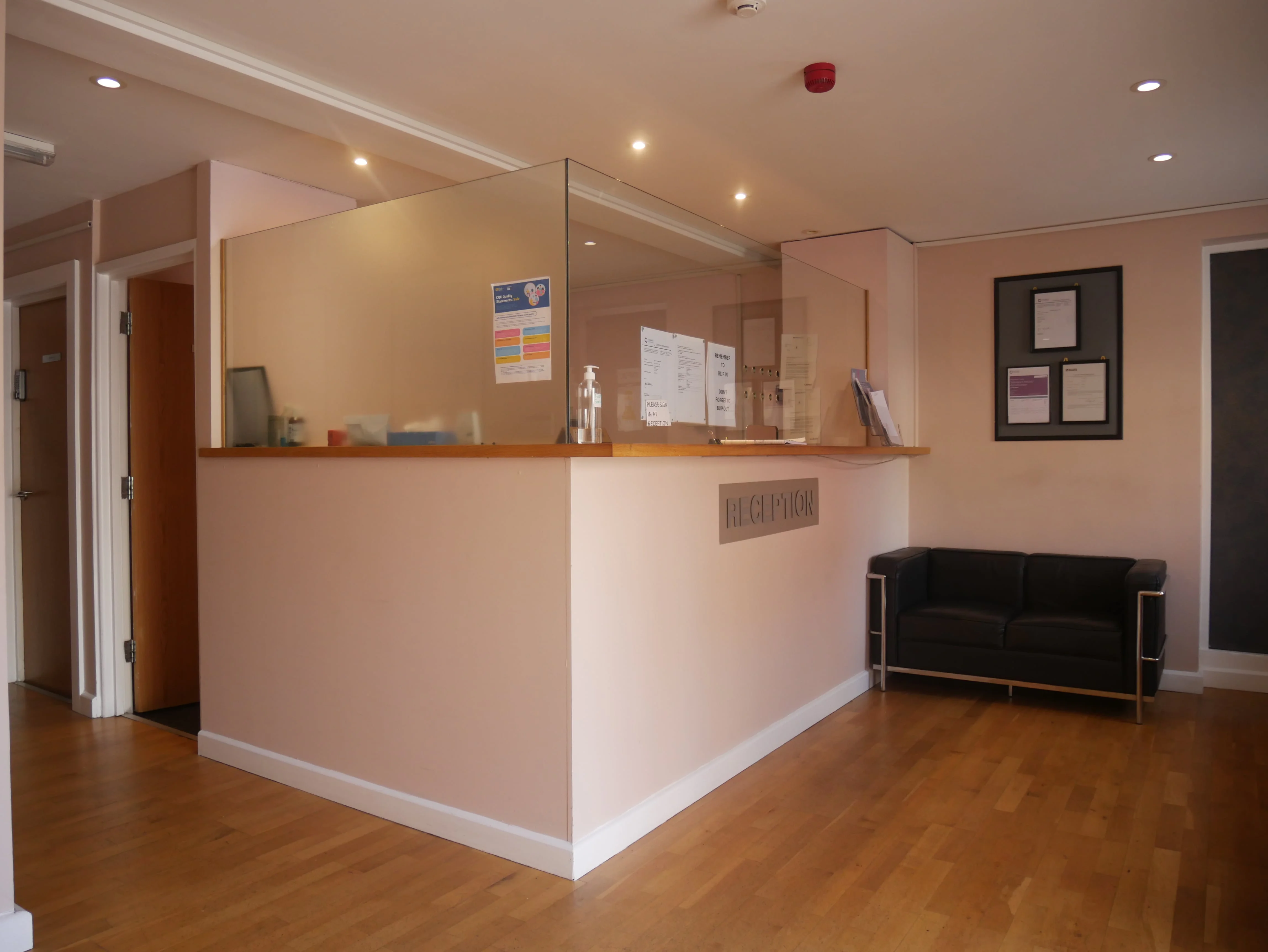
PCP Luton Reception

Private drug rehab provides structured, medically supervised treatment for people who need intensive support to stop using drugs safely and begin long-term recovery. 

Unlike NHS community services, private residential rehab offers immediate admission, 24-hour clinical monitoring and a daily therapy programme within a confidential setting. 

Treatment typically includes a medically managed detox, psychological therapy, relapse prevention planning and ongoing aftercare. 

If you or a family member requires urgent, comprehensive addiction treatment, private rehab allows fast access to specialist care without waiting lists.

Why Choose PCP for Drug Rehab

  • CQC Registered – Fully regulated by the Care Quality Commission for clinical excellence and patient safety.

  • 24/7 Medical Support – Round-the-clock medical care to manage withdrawal symptoms and stabilisation throughout your stay.

  • Personalised Treatment Plans – Tailored medical detox, individual therapy, and holistic treatments based on your personal circumstances.

  • Long-Term Recovery Support – Includes 12 months of free aftercare and ongoing support to prevent relapse.

  • 20+ Years’ Experience – Over 4,000 clients supported through addiction recovery with our multidisciplinary clinical team.

  • Where We Offer Drug Rehab – Based in Luton, Bedfordshire, within easy reach of London, Essex, Hertfordshire, and the Midlands.

Drug addiction can develop gradually, often beginning with recreational use before progressing into physical dependence that affects health, relationships, and daily stability. 

At PCP, we provide specialist private drug rehab in a safe, supportive environment, offering CQC-registered residential treatment designed to address both the physical and psychological aspects of substance addiction. 

Based in Luton, Bedfordshire, our rehab centre welcomes clients from across the UK seeking comprehensive treatment and lasting recovery.

What is Private Drug Rehab

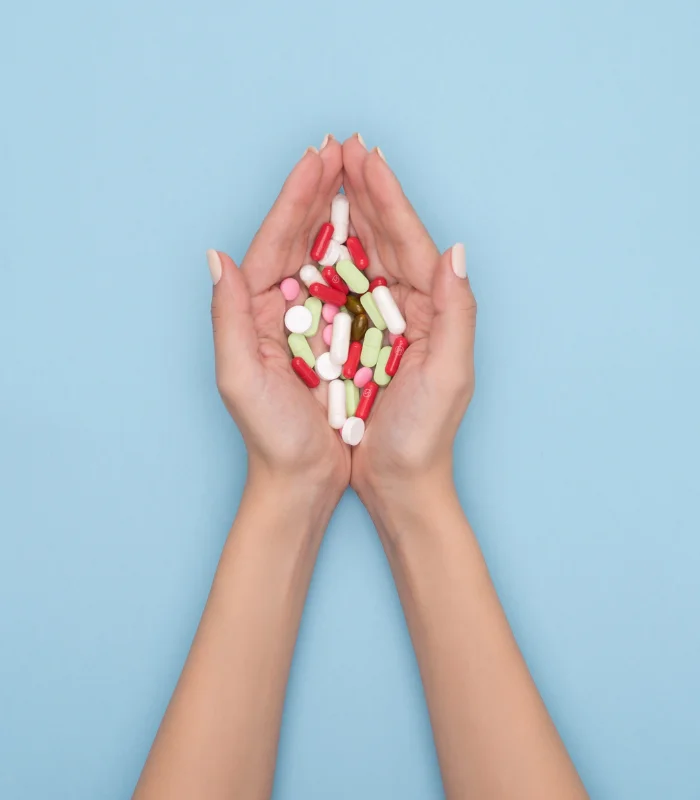
Hands dispensing the necessary vitamins and medication during Drug Rehab

Private drug rehab is a self-funded residential treatment programme that provides comprehensive care for individuals struggling with substance dependence. Unlike outpatient services, inpatient treatment offers a structured environment where clients live on-site throughout their recovery journey, receiving continuous medical supervision and therapeutic support.

A typical drug rehab programme combines medical detox to safely manage withdrawal, evidence-based therapies including cognitive behavioural therapy and dialectical behaviour therapy, and structured aftercare planning. This comprehensive treatment approach addresses root causes of addiction rather than symptoms alone.

Private rehab differs from NHS services primarily in accessibility and intensity. While NHS treatment pathways often involve waiting lists and limited residential options, private rehab offers immediate admission and personalised treatment programmes tailored to individual needs.

Private vs NHS Drug Rehab

Man pulling suitcase into residential Drug Rehab unit

Waiting Times: Private drug rehab typically offers rapid access, with most clients beginning treatment within 24-48 hours of initial contact. In contrast, NHS drug rehab often involves waiting periods ranging from several weeks to months, depending on the availability of local services.

Treatment Duration: Private programmes are flexible, ranging from 28 days to over 12 weeks, tailored to the individual’s needs. NHS treatment durations vary and often have limited residential availability, which can affect the length and intensity of care.

Medical Supervision: Private rehab provides 24/7 on-site medical care delivered by a dedicated clinical team, ensuring continuous monitoring and support. NHS services vary widely, often relying on community-based support with less intensive medical supervision.

Personalisation: Treatment plans in private rehab are individually tailored, including one-to-one therapy sessions that address specific needs. NHS pathways tend to follow standardised approaches, often focusing on group therapy rather than personalised care.

Aftercare: Private rehab programmes typically include structured aftercare lasting up to 12 months, designed to support sustained recovery. NHS aftercare availability varies by region, with ongoing therapy and support differing in accessibility.

Cost: Private drug rehab is self-funded, with treatment costs starting from approximately £6,500. NHS drug rehab is free at the point of access, funded through public healthcare.

Environment: Private rehab facilities offer dedicated residential settings with state-of-the-art amenities, creating a supportive and comfortable environment for recovery. NHS treatment often takes place in community settings or in limited residential beds, which may lack similar amenities.

Both pathways provide legitimate routes to recovery. Private rehab suits those requiring immediate intervention, intensive support, or greater privacy during treatment.

What Happens in Drug Rehab

Patient being treated by Doctor for Drug Addiction

Drug rehabilitation follows a structured progression designed to address physical dependence, psychological factors, and long-term recovery planning.

Medical Detox

Treatment begins with supervised detox, where our medical team manages withdrawal symptoms safely using appropriate medications where clinically indicated. Detoxification typically lasts 7-10 days depending on the substances involved, with 24/7 monitoring throughout this critical phase.

Individual and Group Therapy

Following stabilisation, clients engage in daily therapeutic sessions. Individual therapy explores personal triggers and underlying issues, while group therapy sessions provide peer support and shared learning. Our therapists use evidence-based approaches including cognitive behavioural therapy to develop healthier coping strategies.

Dual Diagnosis Treatment

Approximately two-thirds of individuals with addiction also experience co-occurring mental health conditions such as anxiety, depression, or PTSD. Our dual diagnosis approach treats both simultaneously, with psychiatric assessment and integrated mental well being support throughout your stay.

Holistic Therapies

Beyond clinical interventions, our programme incorporates holistic treatments including mindfulness, fitness activities, and wellness practices that support emotional support and physical recovery.

Aftercare Planning

Before clients leave treatment, detailed aftercare arrangements ensure ongoing support continues. This includes relapse prevention strategies, support groups connections, and structured follow-up appointments.

"Rehab Today by PCP Drug rehab saved my life. I'm in a much better place now and excited for the future. Thank You!"

Drug Rehab Programme Length Options

A standard drug rehab programme lasts approximately 28 days, providing sufficient time for medical detox, therapeutic intervention, and initial aftercare planning. This duration suits many individuals with moderate substance addiction seeking structured recovery support.

Extended programmes of 6-12 weeks benefit clients with:

Long-term or severe drug use history

Multiple substance dependencies

Complex mental health needs requiring extended dual diagnosis treatment

Previous treatment attempts requiring more intensive support

Programme length recommendations are made following comprehensive assessment, considering addiction severity, physical health, psychological needs, and personal circumstances. Treatment duration can be adjusted based on individual progress throughout the recovery journey.

Cost of Private Drug Rehab in the UK

Private drug rehab costs vary based on programme duration, accommodation type, and treatment intensity. At PCP, treatment programmes start from approximately £6,500 for standard residential care.

Factors Affecting Cost:

Programme length (28 days vs extended treatment)

Room type (shared or private accommodation)

Additional therapeutic services

Prescription medications required during treatment

Payment Options:

We offer flexible payment plans to make treatment accessible. Some private health insurance policies provide coverage for addiction treatment—our admissions team can advise on insurance enquiries and funding arrangements.

When considering cost, weigh this against the comprehensive treatment received: 24/7 medical care, daily therapy sessions, holistic support, and 12 months of aftercare included. The investment in professional rehab treatment often proves more cost-effective than repeated unsuccessful attempts at self-managed recovery.

Rehab Today by PCP - Get help with your addiction to alcohol drugs gaming gambling codependency

What are the Signs of Drug Addiction

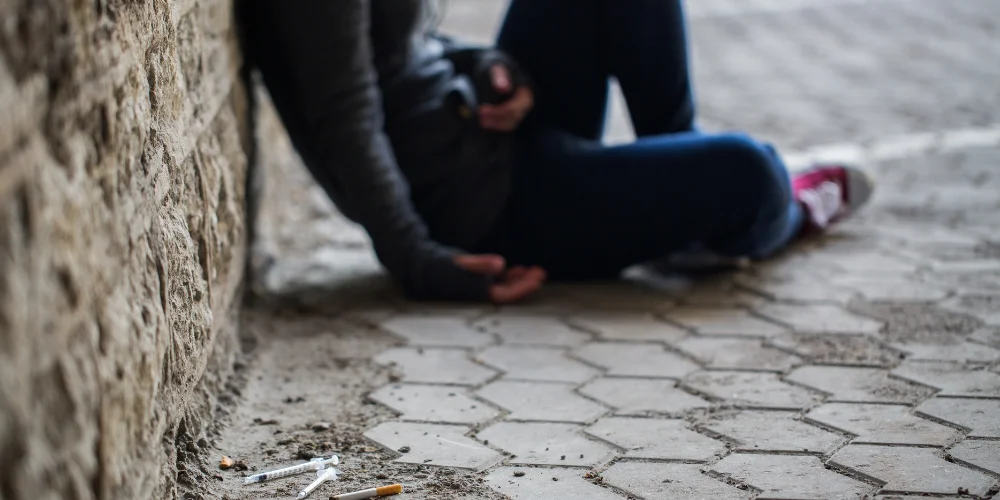
Person slumped in the street addicted to drugs

Recognising signs of drug addiction enables earlier intervention and more effective treatment outcomes.

  • Physical symptoms: Tolerance requiring increased amounts, withdrawal symptoms when not using, deteriorating physical health, changes in sleep patterns or appetite

  • Psychological symptoms: Intense cravings, anxiety or depression related to drug use, mood swings, difficulty concentrating without substances

  • Behavioural signs: Increased secrecy around drug use, financial difficulties, neglecting work or family responsibilities, continuing use despite negative consequences

  • Social warning signs: Withdrawal from loved ones, relationship breakdown, declining work performance, isolation from previous interests and activities

If these patterns feel overwhelming or familiar, professional assessment can clarify whether residential treatment would be appropriate.

Drug Rehab Admission Process

a relaxed and confidential admissions process

Step 1: Initial Contact

Call our admissions team for a confidential conversation about your situation. This initial assessment covers substance use history, current circumstances, and treatment goals.

Step 2: Clinical Assessment

A comprehensive evaluation with our clinical team determines appropriate treatment level, including medical history review and mental health screening.

Step 3: Treatment Planning

Based on assessment findings, we develop a personalised treatment plan outlining detox requirements, therapy approaches, and programme duration recommendations.

Step 4: Admission Coordination

Our team arranges admission logistics, including what to bring, travel arrangements, and any pre-admission requirements such as medical records.

Step 5: Arrival and Orientation

Upon arrival at our rehab centre, clients receive orientation to facilities, meet their clinical team, and begin the structured programme in a supportive community environment.

Timeline: Most clients can begin treatment within 24-48 hours of initial contact, ensuring rapid access when motivation is high.

Who is Drug Rehab Treatment For

Man with addiction being diagnosed with addiction

Individuals unable to stop drug use independently despite wanting to quit

Those experiencing physical withdrawal symptoms or psychological dependence

People whose work, finances, or relationships are affected by substance addiction

Anyone who has previously attempted recovery without lasting success

Families seeking professional support for a loved one struggling with drug addiction

Individuals feeling trapped, isolated, or unable to function in daily life without substances

Not everyone requires residential treatment—our assessment process determines whether inpatient treatment or alternative treatment options better suit individual needs.

Clinical Governance & CQC Registration

PCP operates as a CQC-regulated rehab facility, meeting Care Quality Commission standards for safety, effectiveness, and clinical governance. Our registration confirms compliance with national healthcare standards and regular inspection oversight.

Evidence-Based Practice:

All treatment programmes follow established clinical guidelines, incorporating evidence-based therapeutic approaches. We maintain outcome monitoring to continuously improve treatment effectiveness and ensure patients recover with appropriate support.

Andy Kalli

Andy Kalli

Andy, raised by Greek Cypriot parents in London, faced a traumatic event at five that changed him deeply. After battling criminality and drug addiction for 24 years, he recovered through NA fellowship, therapy, and family support. Focusing on education, he earned a first-class honours degree in Psychology and Substance Use. His career includes roles in probation, rehab counselling, and as Lived Experience Coordinator for the Forward Trust. Recently appointed Centre Manager, he promotes hope for fellow addicts, encouraging their recovery.

Dr Olalekan Otulana

Dr Olaekan Otulana

Dr. Otulana, PCP’s longest-serving doctor since 2010, specialises in Substance Misuse Management and has vast experience in assessing and managing addiction, including detoxification. Known for his person-centred approach, his care consistently receives positive feedback. In addition to his medical expertise, he holds an MBA from Cambridge, contributing to strategic decision-making and clinical protocol development at Rehab Today. Practicing since 2000, he is an Advanced Addiction Practitioner and holds a certificate in Clinical Psychopharmacology from the British Association for Psychopharmacology.

About PCP – The Perry Clayman Project

At PCP – The Perry Clayman Project, we recognise the devastating impact of addiction and provide tailored treatment addressing both physical and emotional aspects of recovery.

Our UK rehab centres delivers primary, secondary, and third-stage programmes, plus family involvement options and 12 months of aftercare. Based in Luton, Bedfordshire, our team has helped thousands of individuals achieve lifelong recovery through compassionate care and structured, evidence-based treatment.

FAQs

Most clients can begin treatment within 24-48 hours of initial assessment. Our admissions team coordinates rapid admission when clinically appropriate.

The first week focuses on medical detox and stabilisation. You’ll receive 24/7 medical care, meet your clinical team, and begin adjusting to the structured daily programme.

Yes, family visit arrangements are part of our programme. Family involvement supports recovery, and we coordinate appropriate contact based on treatment stage and individual needs.

All residential clients receive 12 months of free aftercare, including ongoing therapy sessions, support groups access, and relapse prevention support. This ongoing support proves essential for long term recovery.

Our dual diagnosis approach treats co-occurring mental health conditions alongside substance addiction. Psychiatric assessment is included in our comprehensive treatment programme.

Yes. Private drug rehab is voluntary, and you can leave at any time unless subject to specific legal or clinical restrictions.

However, leaving before completing detox or the full treatment programme can reduce effectiveness and increase the risk of relapse. If you are considering leaving, the clinical team will discuss your reasons, assess any risks and help put a safe plan in place, which may include stepped-down or outpatient support.

Your safety and continuity of care remain the priority throughout treatment.

Relapse can be part of the recovery process and does not mean treatment has failed. If a relapse occurs, the first step is to assess your safety and stabilise any immediate risks, particularly if alcohol, opioids or other high-risk substances are involved.

Our clinical team will review what led to the relapse, identify triggers and adjust your recovery plan accordingly. This may involve returning to residential treatment, undertaking a brief detox, increasing therapy frequency or strengthening aftercare support.

The focus is not on blame, but on restoring stability and reinforcing relapse prevention strategies so recovery can continue safely.