





Recent statistics show that the UK are now the second-highest consumers of cocaine in the world. This worrying rise has had an extreme impact on cocaine-related deaths in the UK, which continue to rise every year. 

Cocaine treatment statistics are also rising, with 2025 seeing the highest number of new entrants for cocaine rehab since reporting began.

Cocaine addiction can lead to strained relationships and disrupt your personal life, affecting daily routines and overall well-being. Understanding the root causes of cocaine use is crucial for effective recovery.

This page explores the ins and outs of cocaine addiction, how cocaine rehab works, and, most importantly, how you can access support that fits your situation.

If you, or someone you care about, are using cocaine on a regular basis, it can be difficult in the moment to work out whether an addiction is developing.

Addiction is usually viewed in extremes, such as becoming homeless because of the drug or committing crimes to fund use. What tends to be overlooked are the earlier and middle stages, where daily life may still appear stable on the surface.

In clinical settings, a cocaine use disorder diagnosis isn’t based on stereotypes or assumptions. Clinicians will instead use the DSM-5, a diagnostic manual that helps determine whether cocaine use has progressed into a cocaine use disorder.

As part of this process, clinicians assess patterns of drug use and look for signs of cocaine abuse, such as changes in behaviour or health, to identify the presence and severity of the problem.

This is based on specific patterns and behaviours, with the criteria including:

  • Taking more cocaine than intended

  • Unsuccessful efforts to cut down

  • Spending significant time obtaining or recovering from it

  • Experiencing strong cocaine cravings

  • Continued use despite harm

  • Withdrawal symptoms when stopping

A diagnosis is then made based on the number of criteria met within a 12-month period, with severity classified as mild, moderate, or severe.

Our Addiction Treatment Centre Locations

With five locations and a variety of treatment programs and stages, we’ll have the right treatment for your alcohol, drug or behavioural addiction.

Front of PCP Luton, Alcohol Rehab Centre

Luton

PCP Luton is located in Bedfordshire; our Luton rehab clinic is only a few minutes' drive from Luton airport and train station, with easy and quick travel links from London.

Chelms

Chelmsford

PCP, Chelmsford, Essex is a large, open plan alcohol and drug inpatient rehab clinic, conveniently situated on the London commuter belt in South Essex.

drug and alcohol cardiff

Cardiff

PCP Cardiff is our newest residential drug and alcohol rehabilitation clinic. Rehab Today by PCP is a large affordable rehab, that offers excellent addiction treatment at a very competitive price.

DBI

Leicester

PCP Leicester in the Midlands, is a beautifully decorated, spacious victorian building, offering inpatient detox and rehab treatment centre for alcohol and drugs.

london-clinic

London

PCP Clapham drug and alcohol rehab in London offers a luxurious treatment experience at an affordable cost.

Cocaine Addiction and the Brain

Understanding How Addiction Affects the Brain

In the last section, we outlined what is clinically classed as a cocaine addiction, but gaining a deeper understanding means looking at what’s happening ‘under the hood’. Much of that clarity comes from exploring how cocaine influences the brain.

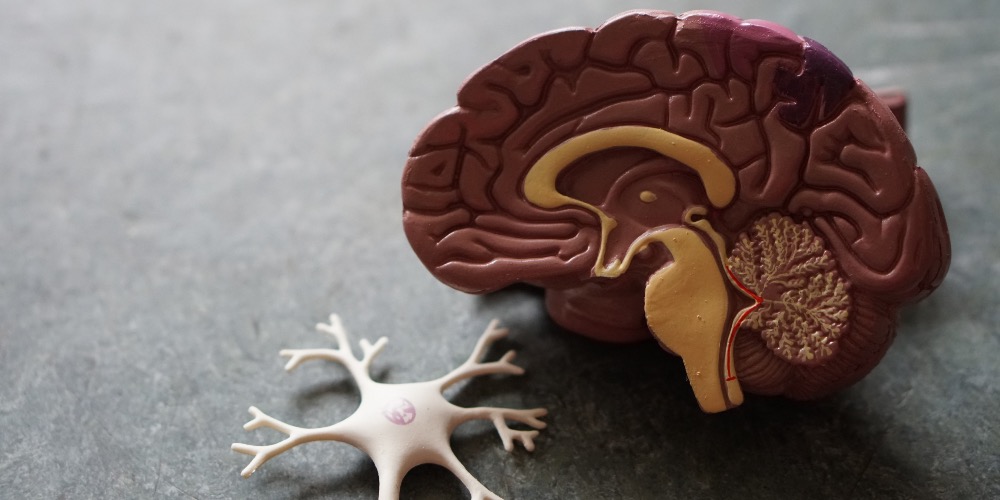
Cocaine works by blocking the reuptake of dopamine, a neurotransmitter heavily involved in reward and reinforcement. As a result, cocaine increases dopamine levels in the brain’s reward system, leading to a surge of dopamine in areas such as the nucleus accumbens, creating intense feelings of euphoria and confidence. Research published on NCBI explains that this artificial spike reinforces the behaviour, training the brain to associate cocaine with powerful reward signals.

The problem here is that our brains are very adaptable, and when we subject ourselves to repeated exposure, dopamine signalling becomes dysregulated. This means that the brain reduces its natural sensitivity to dopamine, so everyday activities that you once enjoyed may now feel “flatter” and less interesting. Now, the only thing that feels pleasurable is taking cocaine.

Couple this with how cocaine addiction affects the prefrontal cortex and a bigger problem starts to emerge. Cocaine affects how the prefrontal cortex functions, and this is the area responsible for impulse control and long-term planning. Now, resisting urges to use cocaine again becomes harder, even if you’re fully aware of the consequences. Cocaine use is especially dangerous for individuals with high blood pressure and can cause serious health risks.

Mixing cocaine with other drugs or alcohol can increase the risk of irreversible brain changes and other health complications.

What Happens When You Stop Using Cocaine?

If you’ve been using cocaine for a long period of time and decide to stop, many things start to happen within the body. This is known as cocaine withdrawal, and in most cases, they’re very unpleasant to deal with.

The NLM lists the following cocaine withdrawal symptoms:

  • Depression

  • Anxiety

  • Irritability

  • Strong cocaine cravings

  • Fatigue

  • Sleeping more

  • Sleeping less

  • Vivid dreams

  • Increased appetite

  • Slowed appetite

  • Restless movements

  • Panic attacks

Individuals may also experience long ‘comedowns’ after using cocaine, which can last for days and leave them feeling exhausted and anxious.

Note that these types of withdrawal symptoms tend to unfold over a period of time, rather than all at once, which can make the process even more difficult to endure.

Why do Cocaine Withdrawals happen?

withdrawal from drug abuse - handcuffs and baggie

When cocaine use abruptly stops, dopamine activity can suddenly drop, which causes the low mood and cravings felt. This is because the brain’s reward circuits are essentially running on ‘empty’ without cocaine. Brain imaging studies from NCBI research confirm that dopamine signalling stays abnormally low during early withdrawal, which explains the emotional crash.

Cocaine also blocks norepinephrine and serotonin reuptake, so quitting the drug depletes these neurotransmitters too. Changes like these help explain why you might experience fatigue, sleep problems, and appetite changes when you quit cocaine. These neurochemical changes contribute to physical dependence on cocaine, making withdrawal particularly challenging.

Anxiety is also another common withdrawal symptom, and this is due to stress hormones, like CRF, becoming overactive during withdrawal. This produces anxiety-like feelings, which can be very difficult to deal with alone.

What to do if you’ve Experienced Cocaine Withdrawal Symptoms

If you’ve tried to stop using cocaine after a period of use and experienced any of these withdrawal symptoms, now is the time to seek professional addiction treatment advice.

If experienced alone with support or education, cocaine withdrawal can leave you in a vulnerable or even dangerous position. If you’ve experienced issues like depressive thoughts that lead to suicidal ideations or self-harm, it’s essential to reach out to emergency services. You can do this by calling 999 or 111 for urgent medical advice.

If you’ve experienced cocaine withdrawals in the past but feel stable enough, now is the time to reach out to PCP.

The first step in cocaine addiction treatment is usually a free, confidential addiction assessment. PCP offers a free addiction assessment where you can talk openly with a member of our team and gain a clearer understanding of the options available to you. Make sure to call today for further advice that fits your situation.

How is Cocaine Addiction Treated?

addiction treatment - wooden block letters

Cocaine addiction is treated through cocaine rehab, which is a structured treatment programme designed to help you stop using cocaine. There are various treatment options and treatment programmes available for cocaine addiction treatment, and understanding these options is crucial for successful recovery. 

The treatment process typically begins with an assessment and leads to the development of a personalised treatment plan or treatment plan tailored to your individual needs. But instead of only focusing on abstinence, it also combines clinical understanding with psychological work and long-term recovery planning so that change is supported from every angle.

Cocaine rehab can take place in two different settings, inpatient or outpatient, both with unique features:

Inpatient cocaine rehab is a form of residential rehab, where you stay at a dedicated treatment centre to receive intensive support for cocaine addiction. This type of residential rehab removes the need to travel or schedule appointments, allowing you to step away from daily pressures and focus entirely on recovery.

Private rehab and private rehab centres offer comprehensive care, higher success rates, and a supportive environment, making them a preferred choice for many seeking effective cocaine addiction treatment.

This setting can provide structure during the early stages of cocaine detox, especially when withdrawal symptoms are at their most testing. Being in a focused environment like this also reduces exposure to triggers and access to cocaine. Rehab centres provide a supportive environment that is conducive to recovery, offering therapeutic work and a safe, nurturing atmosphere.

Some people may attend inpatient cocaine rehab for a few weeks or longer periods of time, depending on personal needs or how complex their situation is. Private cocaine rehabilitation centres often provide more comprehensive treatment options than public facilities.

During this time, drug detox, therapy, relapse prevention strategies and educational workshops are delivered as part of a coordinated programme, with round the clock support and medical care to ensure safety and comfort throughout detox and recovery.

While the decision is on the person whether or not to enter inpatient cocaine rehab, it’s advised to take the advice of addiction specialists. They will be able to guide you on if inpatient cocaine rehab is necessary for your circumstances.

Outpatient cocaine treatment, also known as outpatient programmes, allows you to receive structured support while continuing to live at home. Instead of staying at a facility, you attend scheduled appointments at a clinic or treatment centre and return to your normal environment afterwards.

Outpatient programmes are often part of a larger, structured therapy and recovery plan, incorporating organised, evidence-based counselling sessions to help address addiction and support long-term sobriety.

This approach offers greater flexibility and can allow people to continue with work, family life, or other responsibilities while engaging in recovery. It also places greater emphasis on applying coping strategies in real-world settings as they are learned.

Outpatient treatment can be used as a standalone option or as a step-down following inpatient rehab. An addiction specialist will help you explore whether this approach is appropriate for you, based on their understanding of your cocaine use and overall situation.

Aftercare may involve outpatient support, weekly therapy sessions, and access to support groups to help maintain recovery.

If you’re unsure about which treatment option is best for you, contact PCP today. We offer a free and confidential consultation

Inpatient Cocaine Rehab at PCP

pcp logo sign

We fully understand that even considering the possibility of cocaine rehab is enough to make some people put off the idea of seeking treatment altogether. In fact, research shows that the stigma attached to rehab, and the fear of rehab itself, is a leading reason why people avoid treatment entirely.

At PCP, our compassionate team is dedicated to supporting you through every step of your recovery process, providing personalised and discreet care in a peaceful environment. The goal of inpatient cocaine rehab is to help you regain control of your life and health. Family members can also play a significant role in your recovery journey by offering emotional support and understanding.

With this in mind, we’ve decided to use the next few sections to explain how inpatient cocaine rehab at PCP works, in order to give as much transparency as possible. We hope that instead of allowing the fear of the unknown take the wheel on your emotions, you’re able to see what cocaine rehab, including crack cocaine rehab, actually looks like at PCP.

What to expect during Cocaine Detox at PCP

luton rehab clinics

Cocaine withdrawal tends to follow a recognisable pattern, with the earliest stage feeling sharply different from what follows. Clinical literature describes an initial drop in mood and energy that begins soon after stopping use, followed by a more drawn-out period where psychological symptoms remain unsettled.⁹

Cocaine detox is often the first stage of recovery and involves safely clearing cocaine from the system under medical supervision. Detox under medical supervision ensures that withdrawal symptoms are managed safely and effectively. Completing detox removes the physical dependence on cocaine and prepares you for the next stage of therapy and rehabilitation.

Because withdrawal does not move in a straight line, cocaine detox services are structured to respond to these changes rather than treating detox as a short, fixed process.

Here’s what you can expect during cocaine detox, and how this process is supported at PCP.

At PCP, our compassionate team is dedicated to supporting you through every step of your recovery process, providing personalised and discreet care in a peaceful environment. The goal of inpatient cocaine rehab is to help you regain control of your life and health. Family members can also play a significant role in your recovery journey by offering emotional support and understanding.

With this in mind, we’ve decided to use the next few sections to explain how inpatient cocaine rehab at PCP works, in order to give as much transparency as possible. We hope that instead of allowing the fear of the unknown take the wheel on your emotions, you’re able to see what cocaine rehab, including crack cocaine rehab, actually looks like at PCP.

Cocaine Detox Stages 

If you’re feeling apprehensive about the cocaine detox process and would like to speak with someone for more advice, contact PCP today. A member of our team would be happy to provide more information on the subject, along with discussing any other queries you may have. 

Evidence-based therapies we use at PCP

Cocaine rehab typically includes both individual and group therapy sessions to explore the psychological challenges of addiction. These therapy sessions are essential components of recovery, providing structured psychological support and forming a core part of aftercare plans.

Once detox is complete, the focus of cocaine rehab moves into therapy, delivered by fully qualified therapists trained in evidence-based approaches to addiction treatment. Evidence-based therapy refers to therapeutic methods that are supported by clinical research and shown to be effective in helping people reduce substance use and maintain recovery.12

In addiction treatment, these approaches are used because they have been studied in real-world settings rather than relying on trial and error. Evidence-based therapies provide structured frameworks that are adapted to your needs, while still grounded in established research. Specialised treatments are also available as part of comprehensive rehab programmes, offering personalised and higher-quality care tailored to individual needs.

CBT rehab treatment

CBT is used to help you look closely at the thought patterns connected to cocaine use. With a therapist, you begin to identify the beliefs or assumptions that sit behind urges to use. These thought patterns are then gently challenged, helping you respond differently when familiar pressures or cravings appear.

Motivational interviewing focuses on your own reasons for change. Rather than pushing you toward a decision, this approach creates space to explore uncertainty around stopping cocaine use. Sessions are designed to help you reconnect with personal goals and strengthen motivation when commitment feels unsteady.

Contingency management provides structured reinforcement for positive steps in recovery. Contingency Management (CM) uses positive reinforcement to reward patients for staying clean during cocaine treatment. Progress made during treatment is acknowledged in practical ways, helping to support engagement during early recovery. This approach can be especially helpful when energy or confidence feels low.

PCP also allows for family sessions to create the space to explore how cocaine use has affected relationships. These sessions focus strongly on communication within the family unit, with the hope of rebuilding trust where it has been strained. Family sessions are guided carefully by our expert therapists to ensure this supports recovery rather than adding pressure to it.

Sometimes, it can feel reassuring knowing you’re not the only one going through cocaine addiction. Group sessions are a chance to connect with others who’ve spent many moments in your shoes. Sharing experiences in a structured setting can help to reduce any isolation you may be feeling, along with normalising the challenges you face.

We also offer the chance to participate in evidence-backed holistic therapies like yoga, tai chi, meditation and mindfulness sessions to allow the body and mind to heal. These approaches focus on your well-being, while supporting emotional regulation as therapy progresses.

Remember, this isn’t just a list of therapies for the sake of bloating the itinerary. These all work and complement each other to ensure that every part of you is addressed during the recovery stage.

Rehab Today by PCP - Get help with your addiction to Gaming Alcohol Drugs Gambling Codependency

Relapse Prevention Strategies and Aftercare

Aftercare is essential for maintaining sobriety after completing a cocaine rehab program. Individuals who participate in aftercare are significantly less likely to relapse after cocaine rehab. Many rehab programs, including PCP, offer 12 months of free aftercare to support ongoing recovery. Aftercare may involve outpatient support, weekly therapy sessions, and access to support groups, which provide a community for shared experiences and ongoing encouragement. Ongoing support after rehab can also include family sessions and alumni events, helping individuals connect with others in recovery. Structured aftercare plans help individuals maintain progress and feel supported during early recovery.

Relapse prevention is an integral part of recovery that focuses on developing strategies to help you stay away from relapsing. These strategies understand that situations where you would resort to cocaine are sometimes unavoidable, meaning the focus is on learning to respond to them differently.

Research from PMC studies shows that relapse prevention strategies can reduce the likelihood of returning to substance use and help people maintain recovery for longer following the end of treatment.13

This type of evidence is exactly why relapse prevention is treated as a core part of therapy, rather than something left until discharge.

Ongoing support, called aftercare, is another important part of the recovery process. Research into continuing care in alcohol rehab has consistently shown that structured aftercare is linked with better long-term recovery outcomes.14 This can also be applied to any addiction, not just alcohol.

PCP’s aftercare programme is designed to provide continuity beyond our front doors. Our support focuses on personalised strategies that help strengthen resilience while adjusting back into everyday life. This includes access to ongoing therapy and a supportive network that encourages emotion stability.

Start your recovery today with PCP Cocaine Rehab

You don’t need to arrive at this point feeling certain about what you want or what should happen next. Many people reach out simply to talk things through and understand what their options are, without making any immediate decisions.

If you are ready to break free from cocaine addiction and achieve a life free from substance use, PCP is here to help. The goal of our treatment is lasting recovery and a healthier life, supporting you every step of the way. Private cocaine rehab is available for those seeking personalised, comprehensive care in a safe and supportive environment. Maintaining sobriety is a key focus of our ongoing support and recovery planning.

At PCP, that starting point is a confidential assessment. This helps build a clearer understanding of your situation, including your cocaine use, overall well-being, and any current risks. From there, different forms of support can be discussed, including both inpatient and outpatient cocaine rehab, depending on what is appropriate for you.

If there is an urgent concern around safety, severe distress, or immediate risk, medical support should be accessed straight away. Otherwise, having a conversation with the PCP team can help clarify what support is available and what moving forward could look like for you.

Frequently Asked Questions

Cocaine rehab in the UK can be accessed through NHS referrals, private treatment providers, or direct self-referral. Cocaine rehab cost can vary depending on the type of programme, duration, and facility, with typical costs ranging from £4,500 to £10,000 per week in the UK. Payment plans may be available to help spread the costs of treatment. Private rehab facilities often have higher success rates compared to public options due to personalized care and shorter wait times. The financial burden of cocaine addiction can be substantial, with moderate users potentially spending £100-£300 weekly on the drug. If you have questions about enrolment, cost, length of stay, or locations, speaking directly with PCP can help you understand the most suitable options.

A cocaine dual diagnosis refers to cocaine addiction occurring alongside a mental health condition. This might involve issues like anxiety or depression that interact with substance use and require integrated treatment rather than addressing each issue separately.

Co-occurring disorders describe the presence of addiction alongside a mental health condition. These conditions influence one another, meaning recovery requires treatment that considers both substance use patterns and psychological well-being at the same time.

Time spent in cocaine rehab varies depending on individual needs and progress. Many programmes last several weeks, though some people stay longer when additional time is needed to stabilise mental health and strengthen recovery skills.